
Portrait of Ludwika Groppler — History & Facts
When Jan Matejko painted Portrait of Ludwika Groppler in 1872, he immortalized a sitter whose identity still sparks curiosity among art historians. Unlike his grand historical canvases, this portrait is remarkable for its intimacy and for the fact that Ludwika Groppler herself remains a shadowy figure—her relationship to the artist is not firmly established, though some suggest she may have been a family friend or distant relative. The painting stands out in Matejko’s oeuvre for its personal tone, created during a period when he was otherwise preoccupied with monumental scenes from Polish history. At the heart of the composition is Ludwika herself, seated in quiet dignity, her gaze meeting the viewer’s with a mix of confidence and reserve.
The painter captures her in a moment of poised stillness, her hands gently clasped in her lap, a modest chain glinting at her neck—perhaps a symbol of familial affection or personal achievement. The subdued palette and soft illumination focus attention on her expressive face, where Matejko’s meticulous brushwork reveals both strength and vulnerability. Unlike the theatricality of Franz Xaver Winterhalter’s society portraits, Matejko’s approach here is direct and unadorned, inviting the viewer to contemplate the sitter’s inner world rather than her social rank. The painting’s early history is not well documented, and there is no record of a formal commission; it may have been a personal project or a gift.
Over the years, Portrait of Ludwika Groppler has remained in private hands, surfacing occasionally in exhibitions devoted to Jan Matejko’s lesser-known works. Today, it is valued as a rare example of the artist’s engagement with portraiture on an intimate scale, offering a glimpse into the quieter corners of his practice during the 1870s. Its understated elegance continues to attract attention from scholars interested in the diversity of Matejko’s artistic legacy.
More Artworks by Jan Matejko
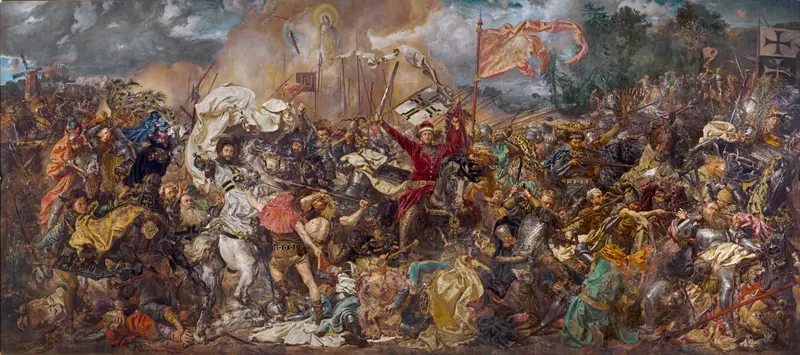
Battle of Grunwald
Jan Matejko

Stańczyk
Jan Matejko

Battle of Raclawice
Jan Matejko
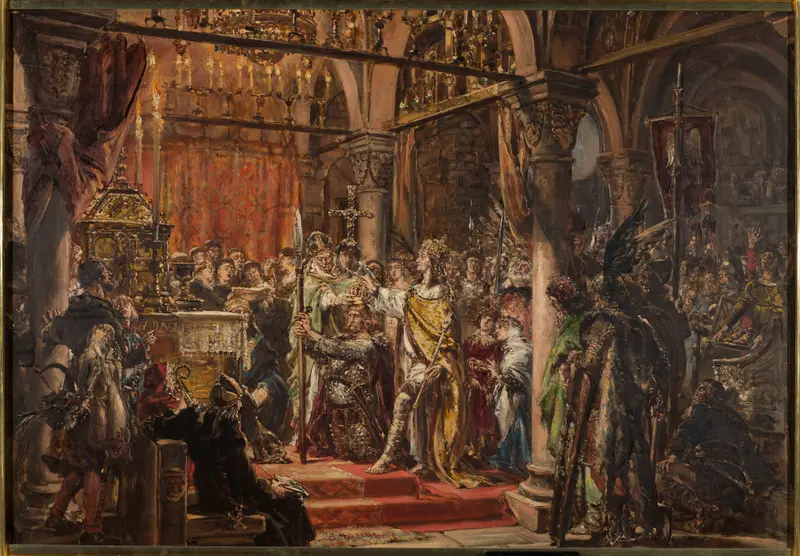
Coronation of the First King, 1001 AD, from the series “History of Civilization in Poland”
Jan Matejko
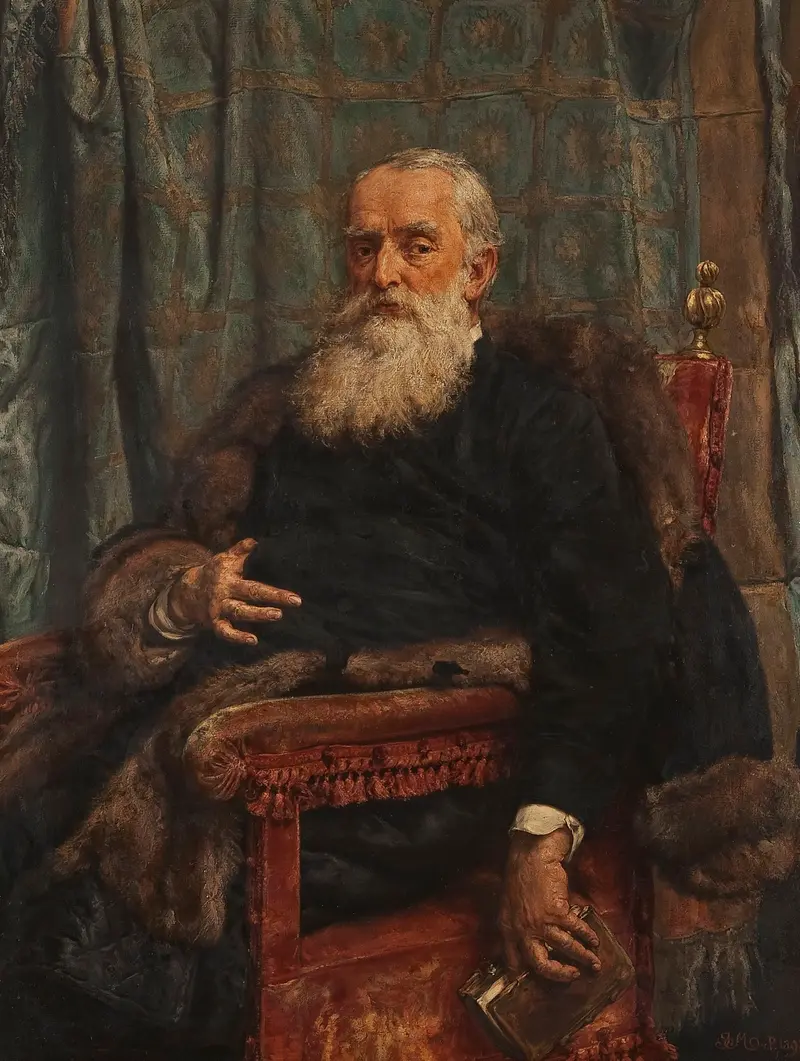
Portrait of Henryk Krajewski
Jan Matejko
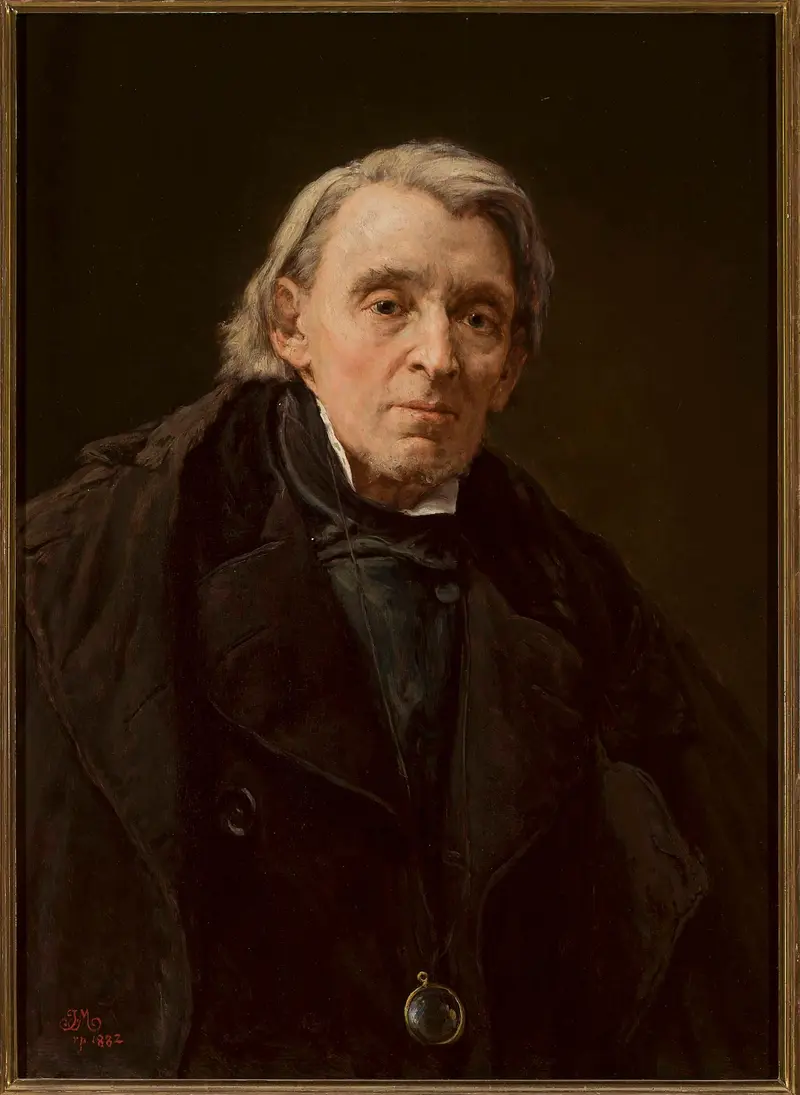
Portrait of Karol Podlewski
Jan Matejko
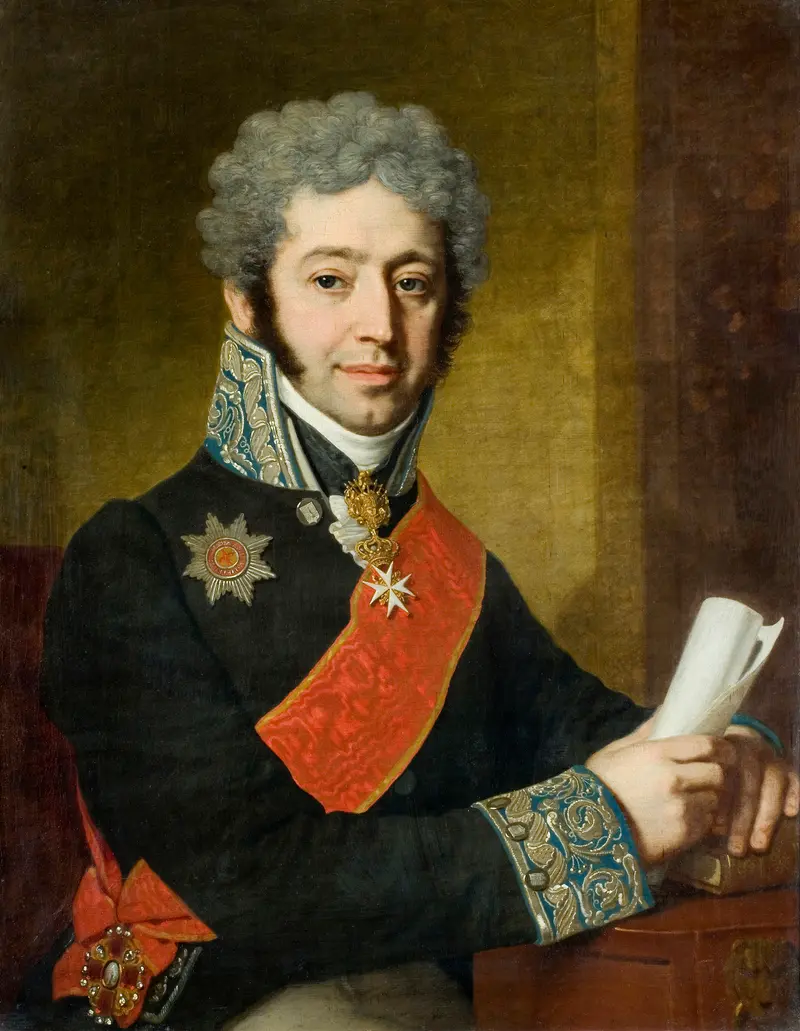
Portrait of Potocki and Poninski
Jan Matejko
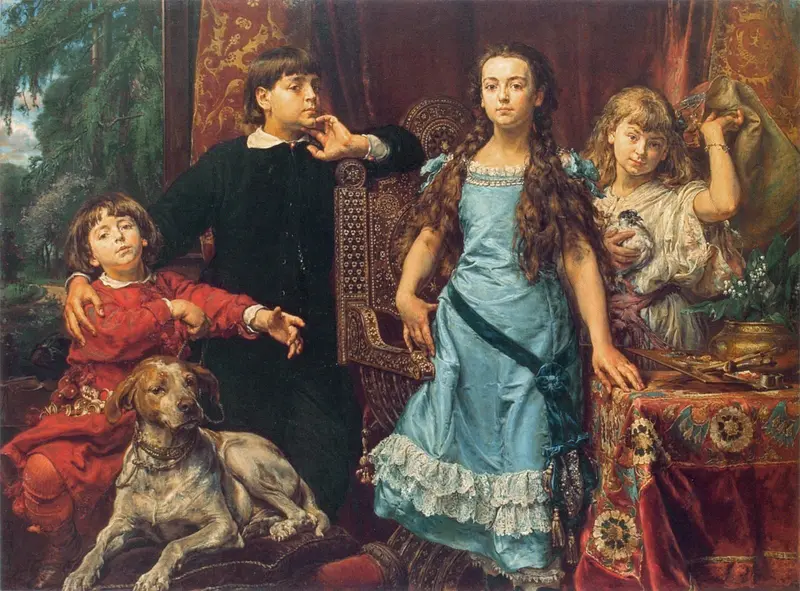
Portrait of the artist's four children
Jan Matejko
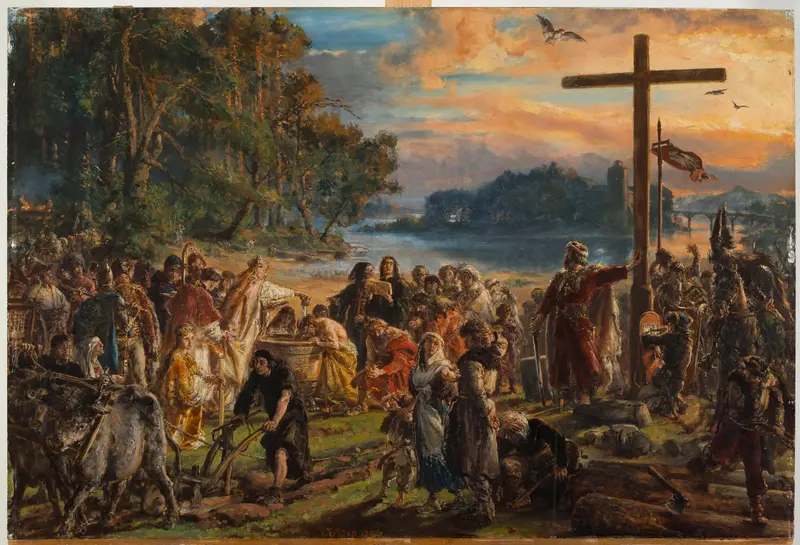
Introduction of Christianity in Poland
Jan Matejko
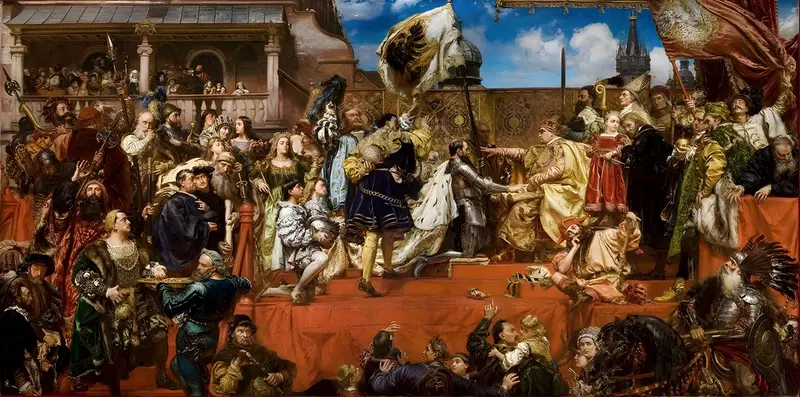
Prussian Homage
Jan Matejko





