
Portrait of Mrs. Duus — History & Facts
What first catches the eye in Portrait of Mrs. Duus is the quiet intensity of her gaze, fixed just beyond the edge of the canvas as if she is listening to a thought only she can hear. The artist, Adolph Tidemand, has chosen a moment of inwardness rather than display, guiding our attention to the subtle play of light across her cheek and the soft modeling of her features.
The dark dress, relieved only by a white lace collar and a single gold brooch, draws the viewer’s focus upward to her face, while the plain, unfinished background keeps all distractions at bay. The brushwork around her shoulders dissolves into sketchy strokes, suggesting this is a study or a work caught in the act of becoming, rather than a polished commission. Every detail — the parted hair, the simple earring, the gentle tension in her lips — builds a sense of a real presence, poised between reserve and vulnerability. Painted in 1864, this portrait belongs to a world where likenesses were both personal keepsakes and social statements, often commissioned to mark life’s milestones or to honor family ties.
In mid-19th-century Scandinavia, artists like Tidemand were celebrated for their ability to capture not just the outward appearance but the character and mood of their sitters, often members of the rising middle class. The National Museum of Art, Architecture and Design now houses this work, a reminder of a time when painted portraits served as both memory and monument. History has kept few traces of Mrs.
Duus herself, but the painting invites us to linger with her, searching her expression for the story behind those watchful eyes.
More Artworks by Adolph Tidemand

Bridal Procession on the Hardangerfjord
Adolph Tidemand
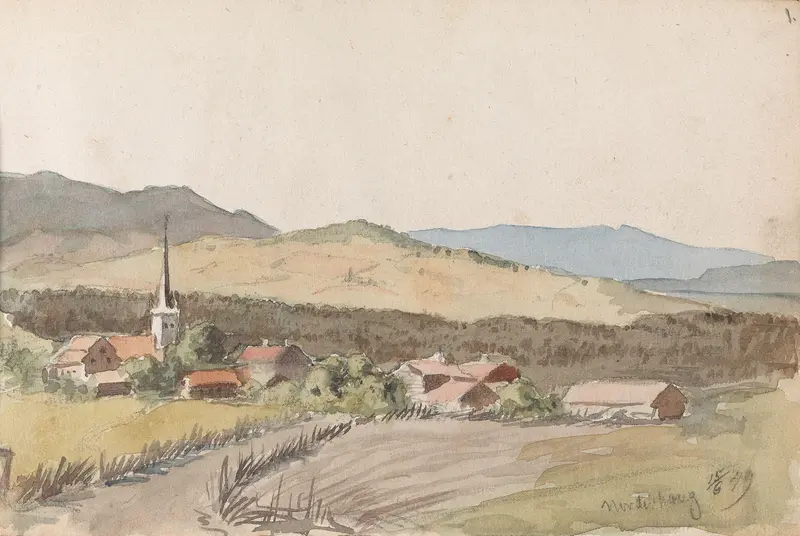
Fra Haugsbygd
Adolph Tidemand
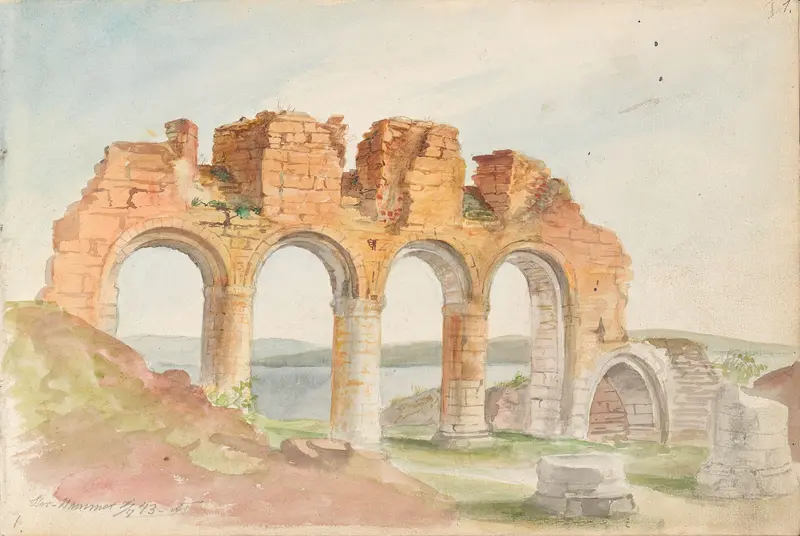
Domkirkeruinen, Hamar
Adolph Tidemand
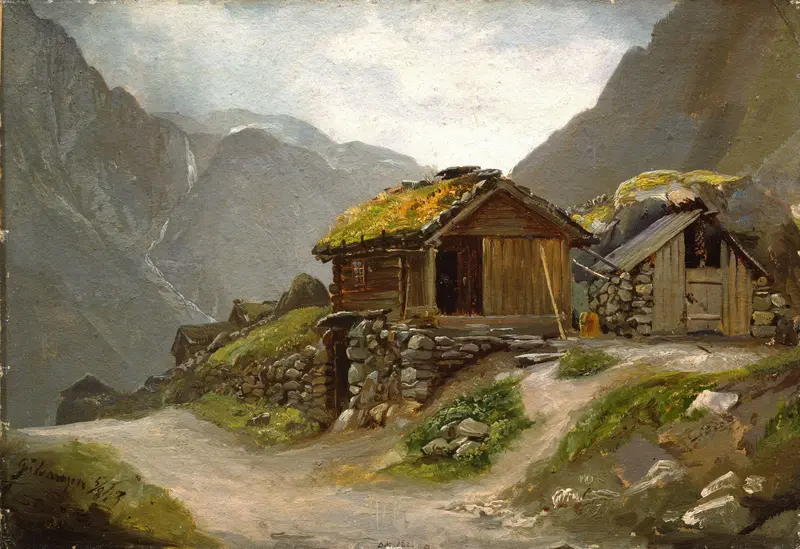
View from Gudvangen
Adolph Tidemand

View of Gudvangen
Adolph Tidemand
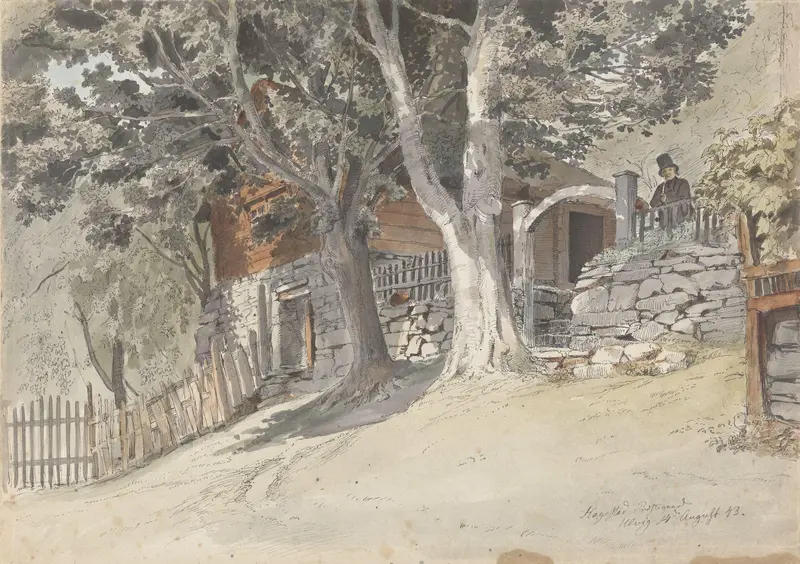
Hagestad prestegård, Ulvik i Hardanger
Adolph Tidemand
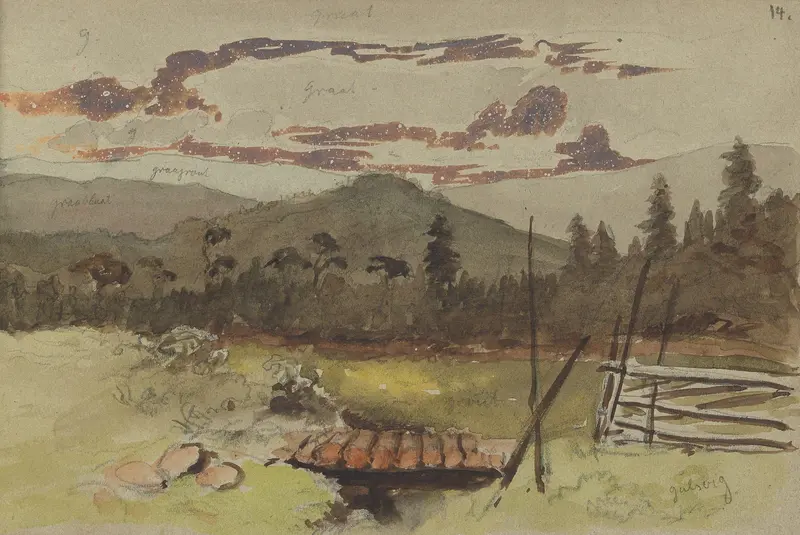
Fra Gulsvik
Adolph Tidemand
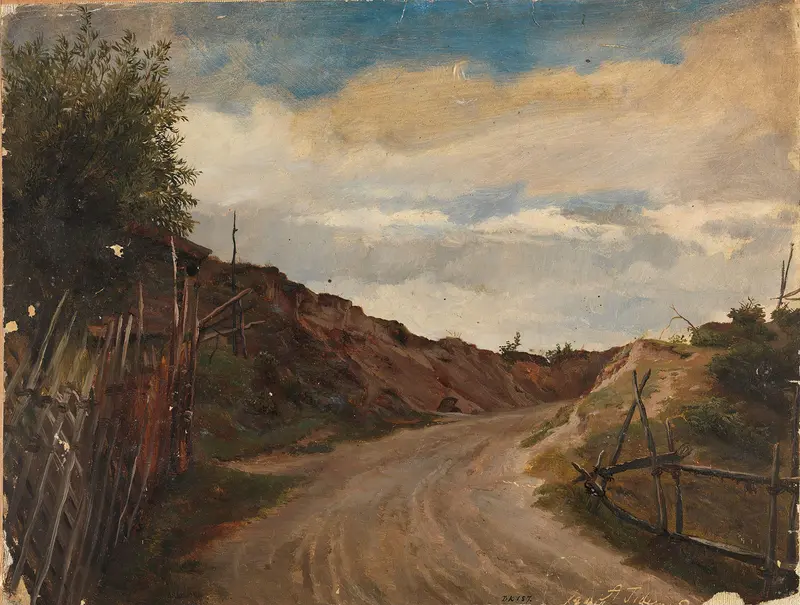
Country Road
Adolph Tidemand
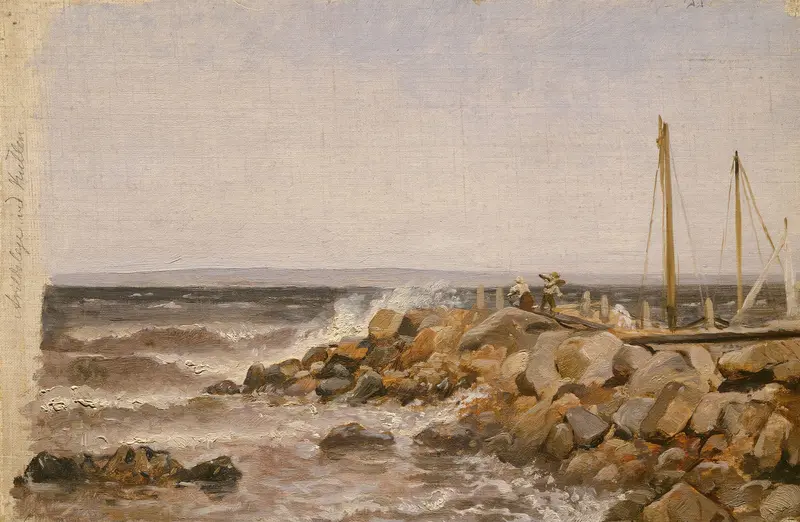
From Kullen in Sweden
Adolph Tidemand
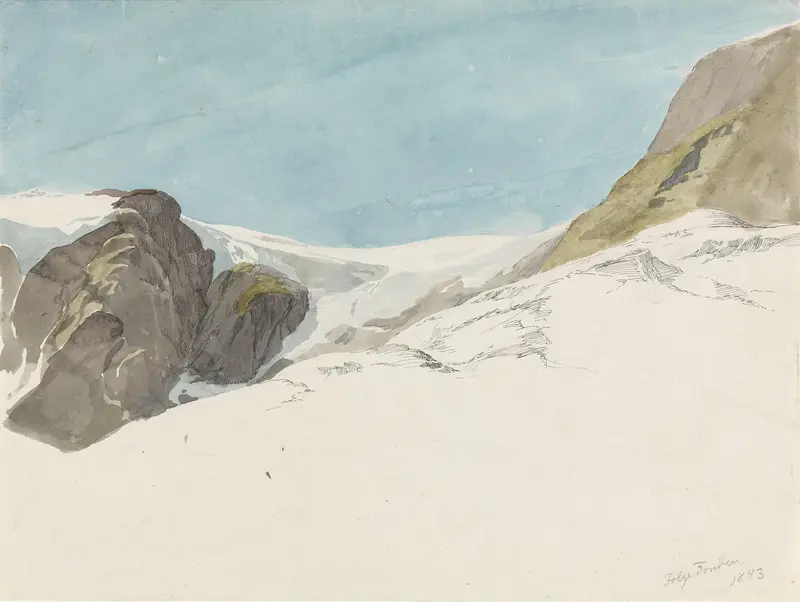
Untitled
Adolph Tidemand





