
Portrait of Piotr Moszyński — History & Facts
When Jan Matejko painted Portrait of Piotr Moszyński in 1874, he was not merely capturing a likeness but honoring a living symbol of Polish resistance. Moszyński, a nobleman and philanthropist, had survived years of imprisonment in the dreaded Peter and Paul Fortress in St. Petersburg for his role in the November Uprising of 1830 against Russian rule.
By the time Matejko painted him, Moszyński had become a revered figure among Poles, embodying both the suffering and the hope of a nation under partition. The portrait’s creation coincided with a period of renewed national consciousness, and its unveiling was received as a quiet act of defiance. The painting presents Moszyński seated, his posture upright and dignified, eyes steady and thoughtful. Matejko chooses a moment of introspection rather than heroism: the sitter’s hand rests on a closed book, perhaps alluding to his intellectual pursuits and steadfast faith in Poland’s future.
The subdued palette and somber background draw attention to the sitter’s face, lined with the marks of age and experience. A simple chain, visible at his waist, hints at the years spent in captivity—a subtle but powerful symbol of endurance. Unlike the romanticized portraits of exiles by Józef Simmler, Matejko’s approach is restrained, focusing on the quiet strength of character rather than theatrical suffering. The exact provenance of Portrait of Piotr Moszyński is not fully documented, but it is believed to have remained in private hands for much of its existence, cherished by the Moszyński family as a personal tribute.
Today, the painting stands as a rare example of Matejko’s portraiture, as he is better known for his grand historical canvases such as The Battle of Grunwald. This work reveals a more intimate side of the artist’s talent, capturing not just the likeness but the spirit of a man who became a symbol of perseverance. It now hangs in the National Museum in Warsaw, a quiet testament to both Moszyński’s legacy and Matejko’s deep engagement with Poland’s past.
More Artworks by Jan Matejko
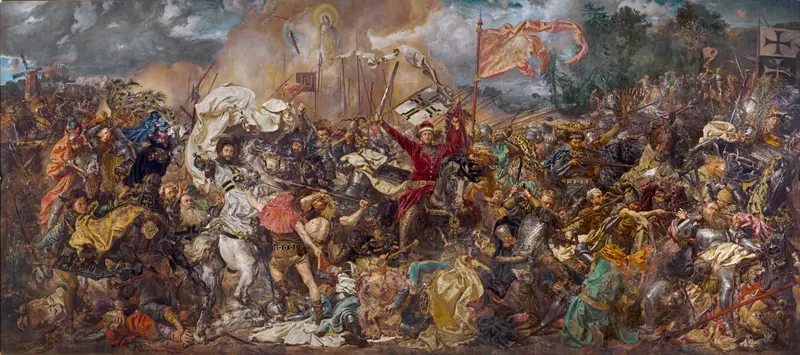
Battle of Grunwald
Jan Matejko

Stańczyk
Jan Matejko

Battle of Raclawice
Jan Matejko
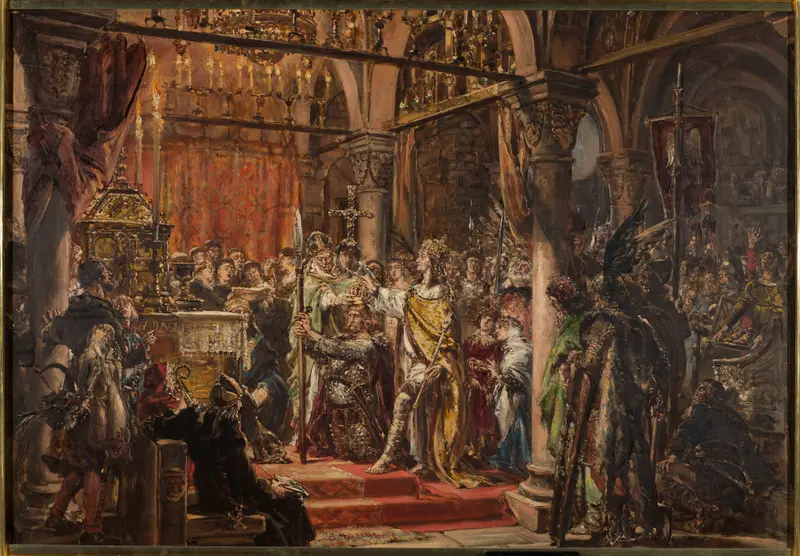
Coronation of the First King, 1001 AD, from the series “History of Civilization in Poland”
Jan Matejko
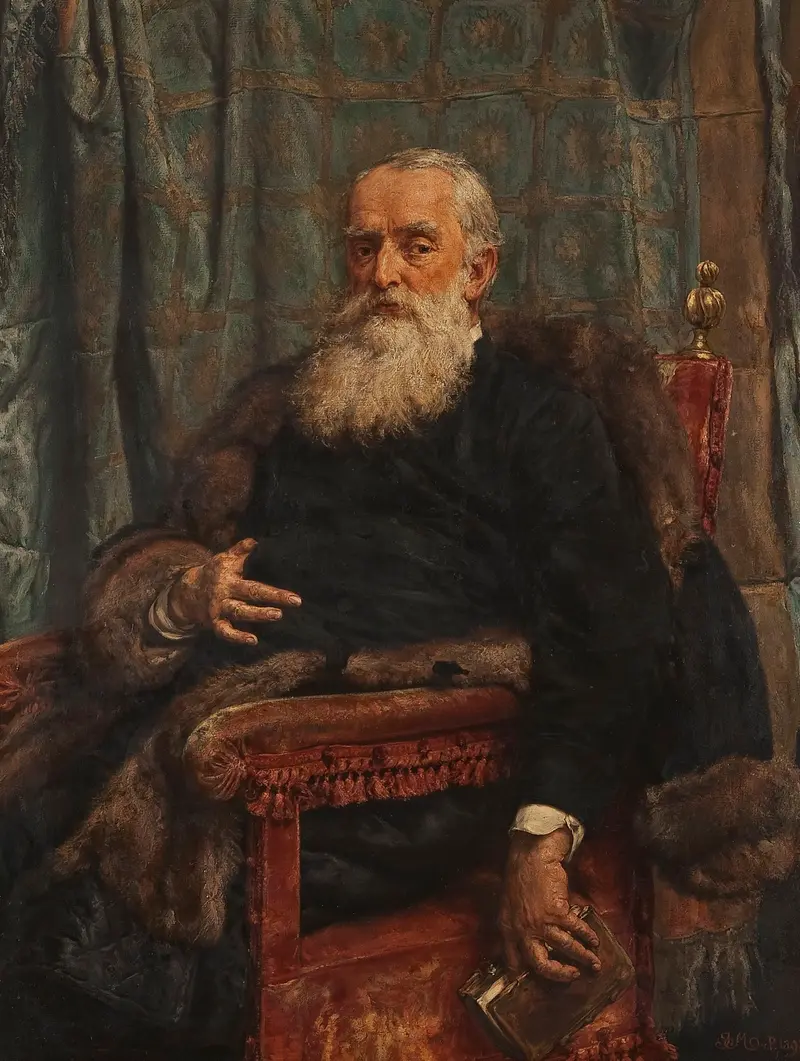
Portrait of Henryk Krajewski
Jan Matejko
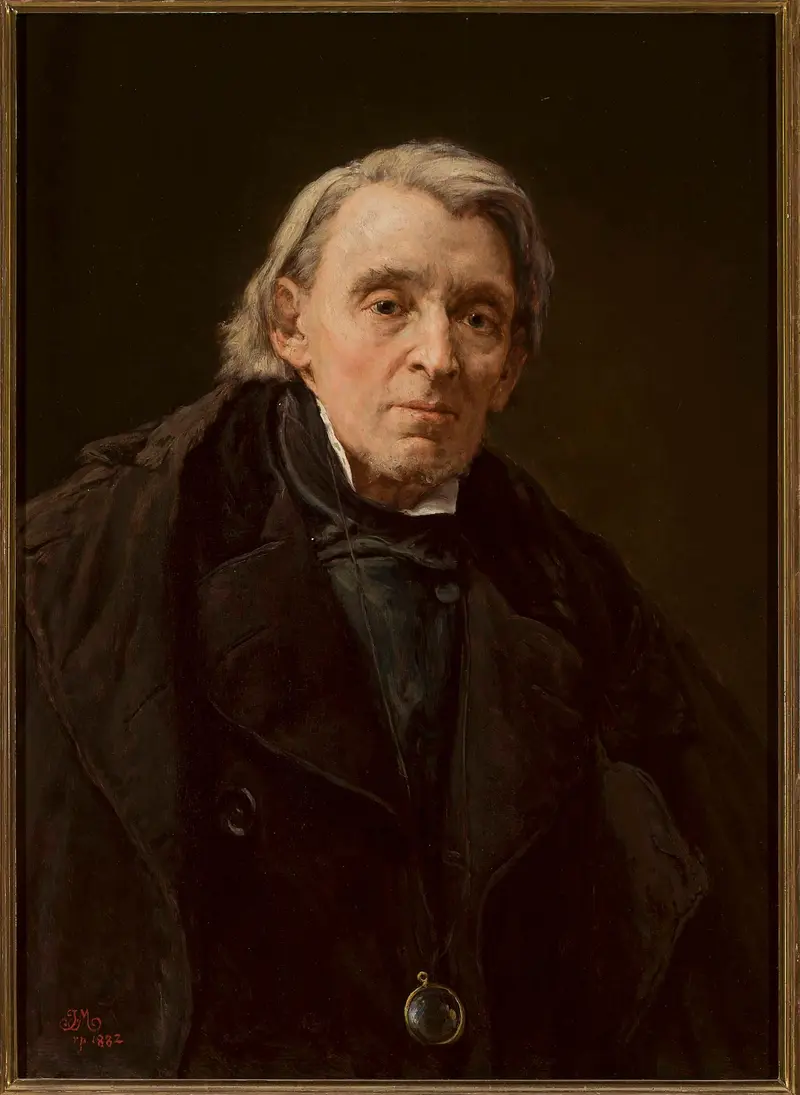
Portrait of Karol Podlewski
Jan Matejko
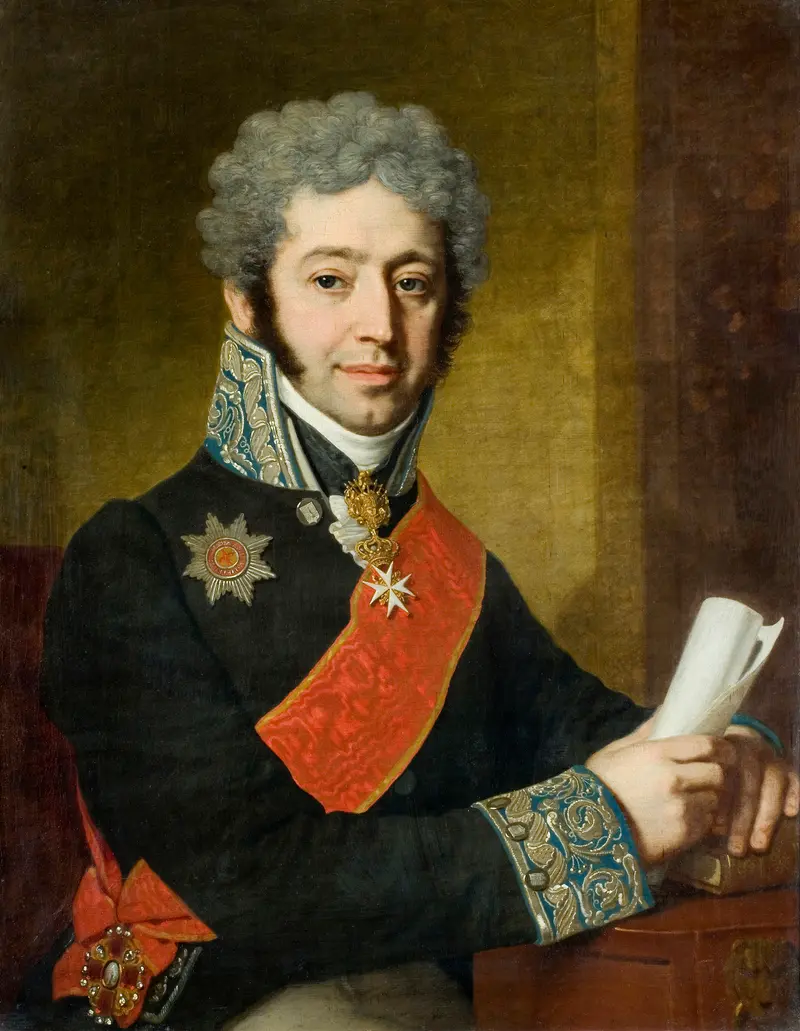
Portrait of Potocki and Poninski
Jan Matejko
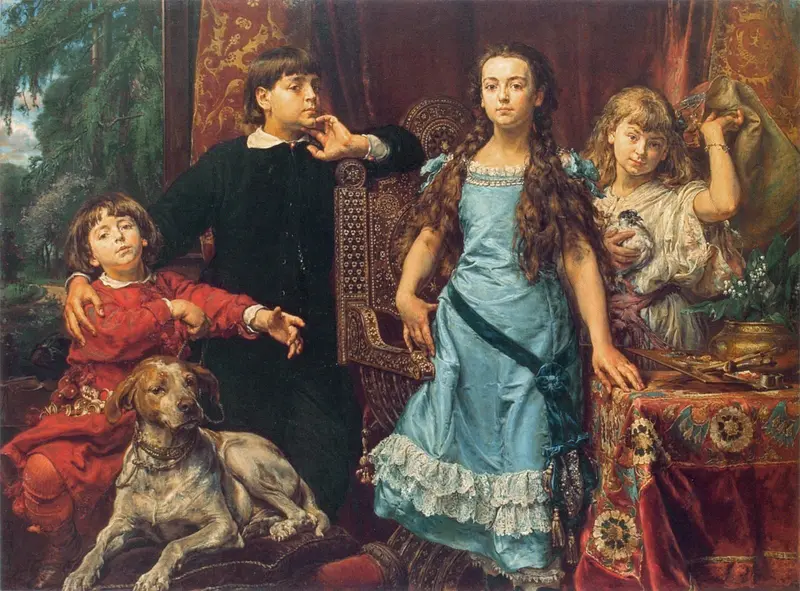
Portrait of the artist's four children
Jan Matejko
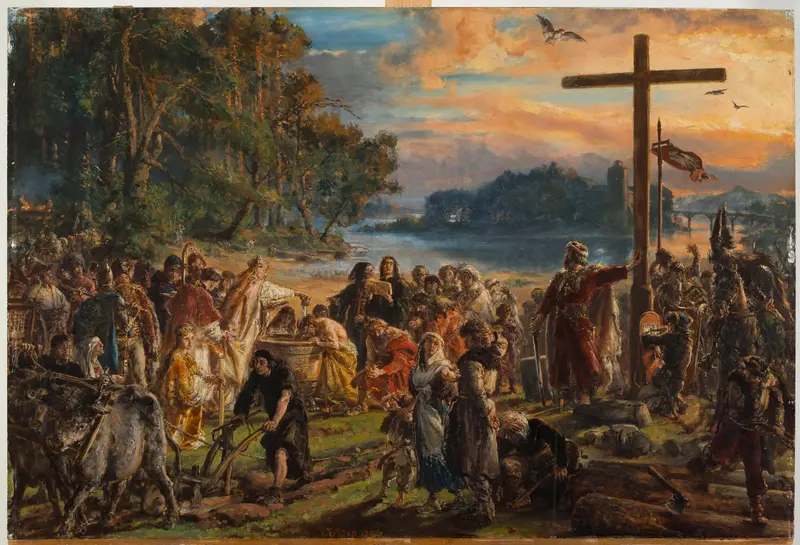
Introduction of Christianity in Poland
Jan Matejko
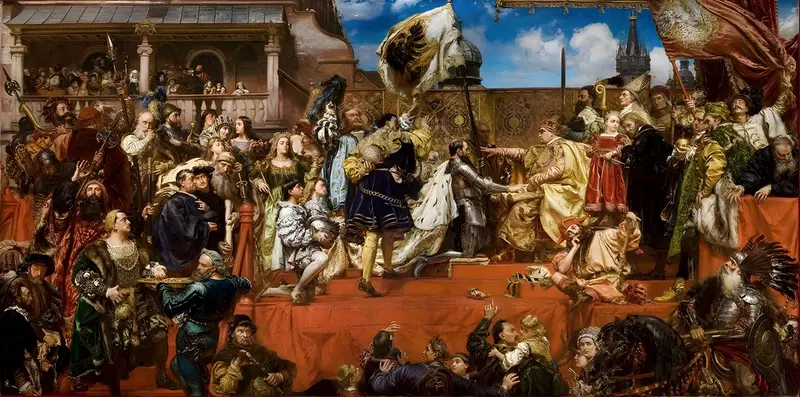
Prussian Homage
Jan Matejko





