
Portrait of Queen Charlotte of England — History & Facts
The first thing to catch the eye in Portrait of Queen Charlotte of England is not the queen’s face, but the sheer spectacle of her dress—an architectural marvel in silk and gold, rising and billowing like a stage set for power. Thomas Gainsborough chooses a moment of poised stillness, the queen’s hands delicately clasped around a folded fan, her gaze turned away from the viewer as if deep in thought or quietly surveying her domain. The soft daylight drifts in from the left, picking out the shimmer of her gown and the gentle fur of the small spaniel at her feet, a silent companion who grounds the scene in a touch of domesticity.
Every detail, from the crisp lace at her sleeves to the lush red drapery behind, is a signal: here is majesty, but also a woman who knows she is being watched. Painted in 1781, this portrait belongs to the world of late eighteenth-century court society, where images like this were more than likeness—they were declarations, tools of diplomacy, and tokens of allegiance. Royal portraits were commissioned to reinforce the authority and grace of the monarchy, often destined for embassies, palaces, and loyal subjects’ homes. Gainsborough, famed for his ability to capture both grandeur and personality, was working at a time when the British monarchy was navigating political and social change.
While history has kept few traces of this particular canvas’s journey, its presence in a modern collection—documented on Google Arts & Culture—invites us to linger over its details and consider what it meant, then and now, to be seen as a queen.
More Artworks by Thomas Gainsborough
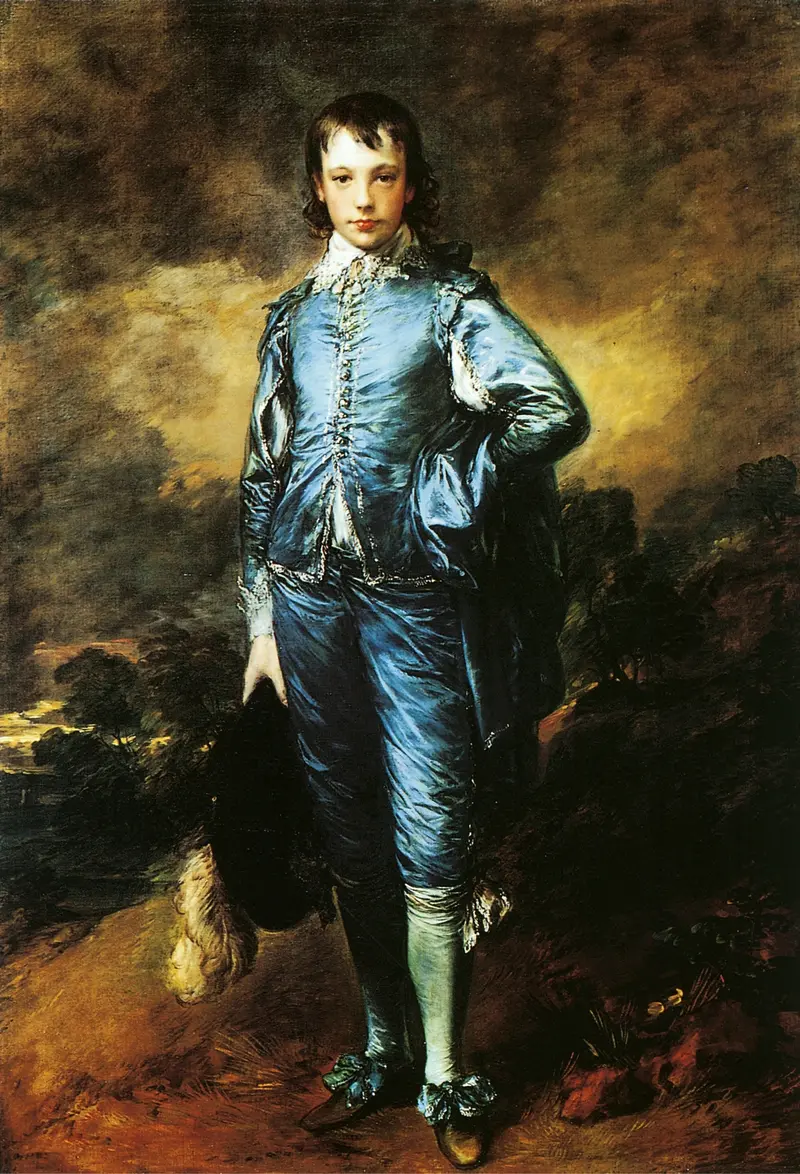
The Blue Boy
Thomas Gainsborough
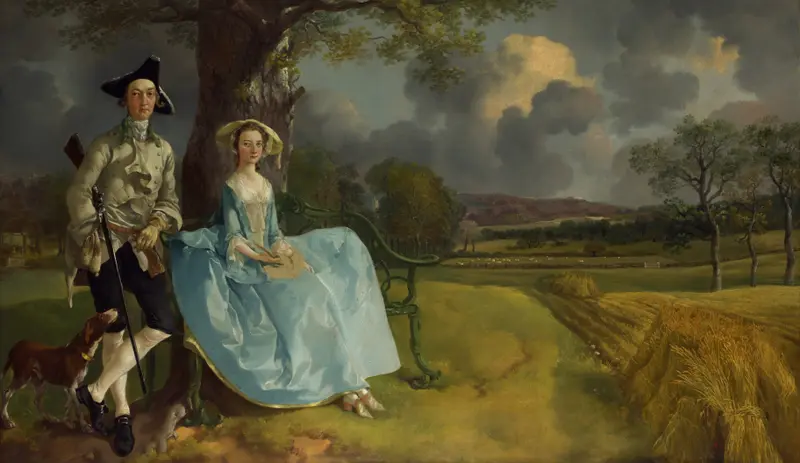
Mr and Mrs Andrews
Thomas Gainsborough

Wooded Landscape with Figures
Thomas Gainsborough

Sir Benjamin Thompson, later Count Rumford (1753-1814)
Thomas Gainsborough
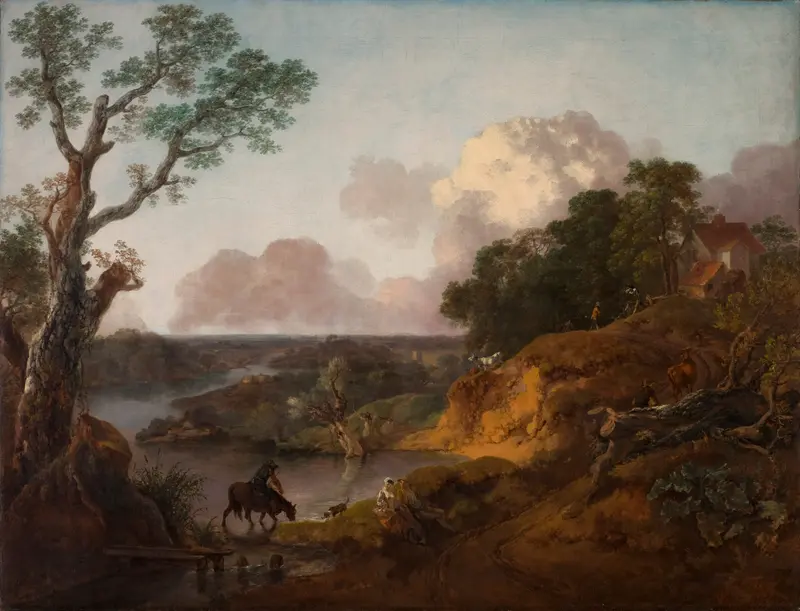
View in Suffolk
Thomas Gainsborough
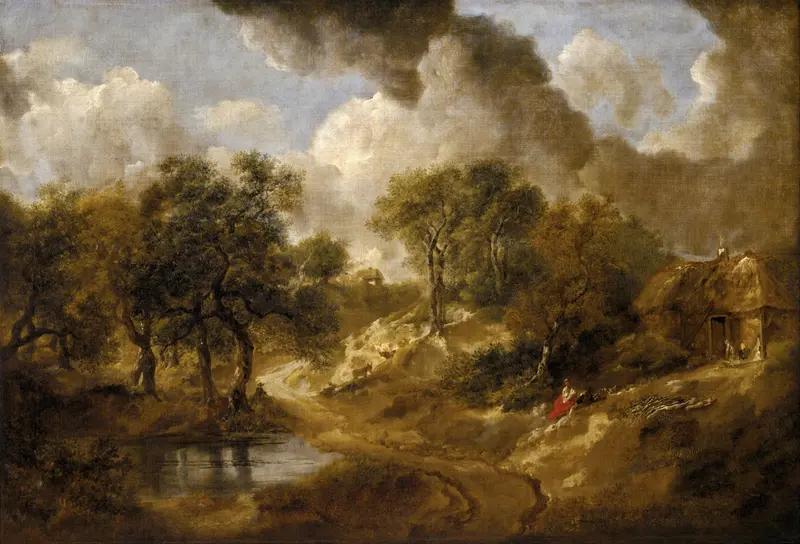
Landscape in Suffolk
Thomas Gainsborough
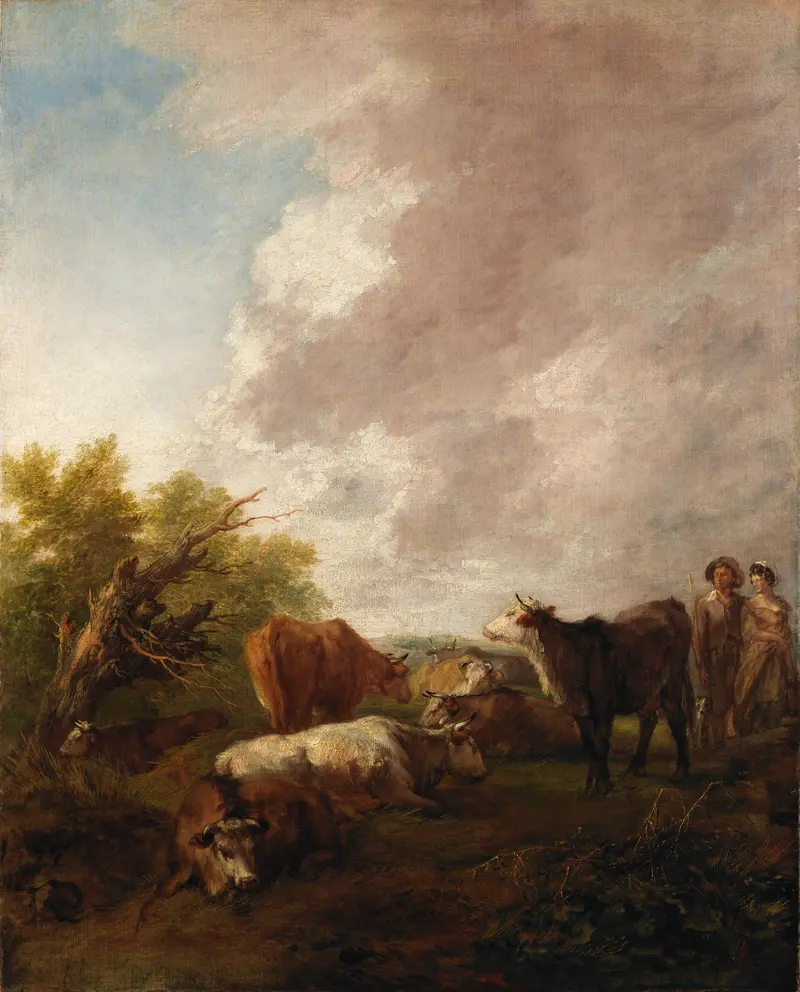
Landscape with Cattle
Thomas Gainsborough
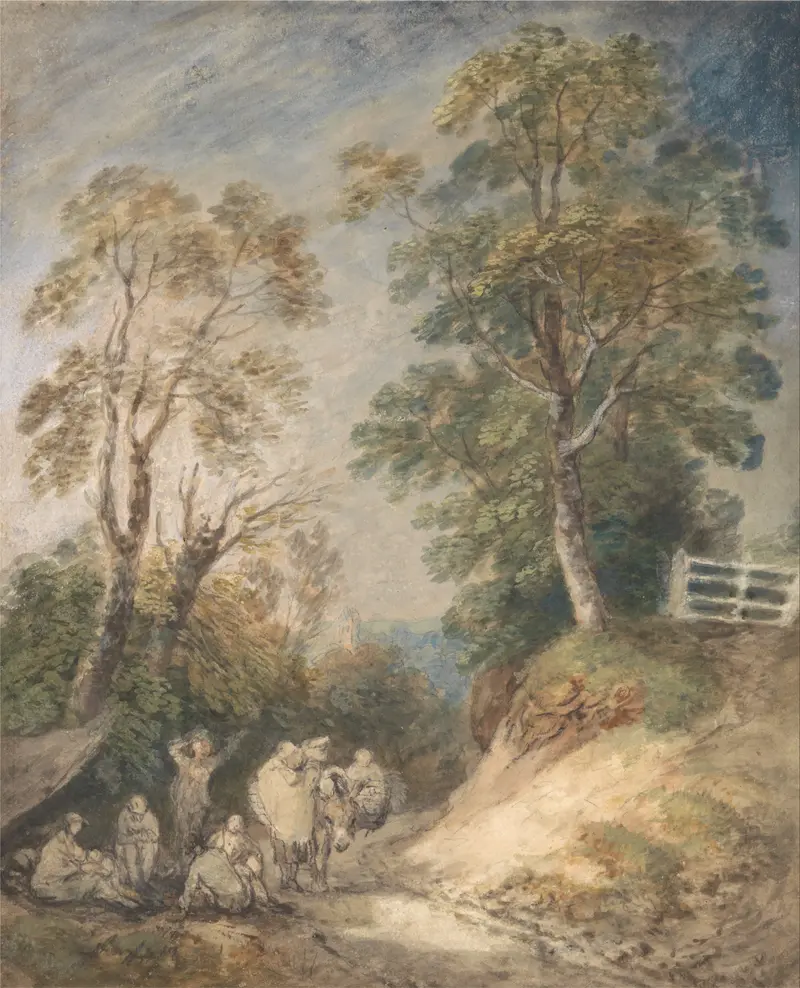
Country Lane with Gypsies Resting
Thomas Gainsborough
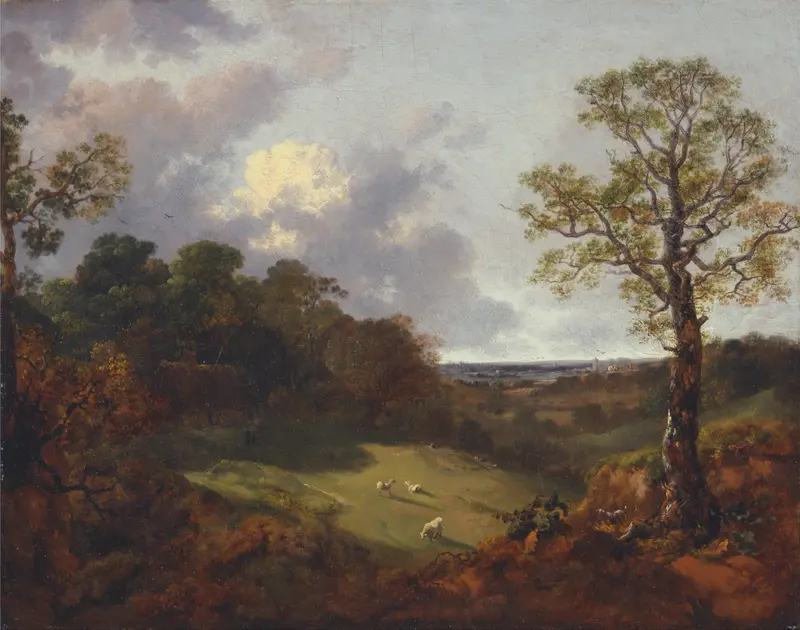
Wooded Landscape with a Cottage and Shepherd
Thomas Gainsborough
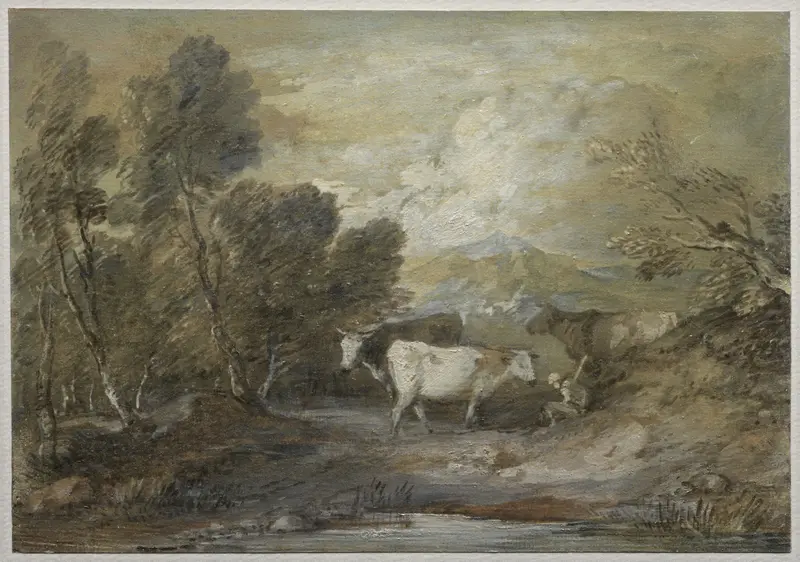
A Herdsman with Three Cows by an Upland Pool
Thomas Gainsborough





