
Portrait of Teodora Matejko née Giebułtowska in wedding dress. — History & Facts
When Jan Matejko painted Portrait of Teodora Matejko née Giebułtowska in wedding dress in 1879, he was not only capturing his wife’s likeness, but also revisiting a deeply personal moment more than two decades after their marriage. The portrait stands out in the artist’s oeuvre, known for grand historical canvases, as a rare and intimate tribute to his own family. It is said that Matejko’s relationship with Teodora was often turbulent, and this painting—created years after their wedding—has prompted speculation about whether it was an act of reconciliation or nostalgia.
The work’s emotional charge is heightened by the fact that Matejko painted it from memory, as no wedding-day portraits were made at the time of their marriage. The painting freezes Teodora at the threshold of her new life, dressed in a sumptuous white gown, her gaze direct yet tinged with introspection. The delicate lace, the carefully rendered veil, and the subtle shimmer of jewelry all speak to her status and the significance of the day. Matejko’s attention to the fall of light on the satin fabric and the gentle modeling of Teodora’s face create a sense of immediacy, as if she has just paused for the artist’s brush.
Unlike Winterhalter’s romanticized royal brides, Matejko’s Teodora is grounded and dignified, her individuality unmistakable. The bouquet she holds may symbolize hope and fidelity, while her composed posture suggests both anticipation and resolve. The exact provenance of Portrait of Teodora Matejko née Giebułtowska in wedding dress is not fully documented, but it has remained closely associated with the Matejko family and the artist’s Kraków home, now the Jan Matejko House museum. Rather than passing through the hands of collectors or enduring the upheavals that befell many of Matejko’s larger historical works, this portrait has served as a personal relic, offering insight into the private world of one of Poland’s most celebrated painters.
Today, it is displayed in Kraków, where visitors can contemplate both the public and private faces of Jan Matejko, and the woman who stood beside him at the heart of his domestic life.
More Artworks by Jan Matejko
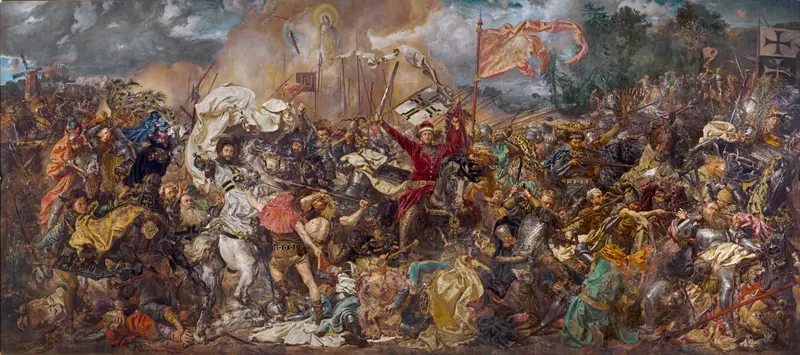
Battle of Grunwald
Jan Matejko

Stańczyk
Jan Matejko

Battle of Raclawice
Jan Matejko
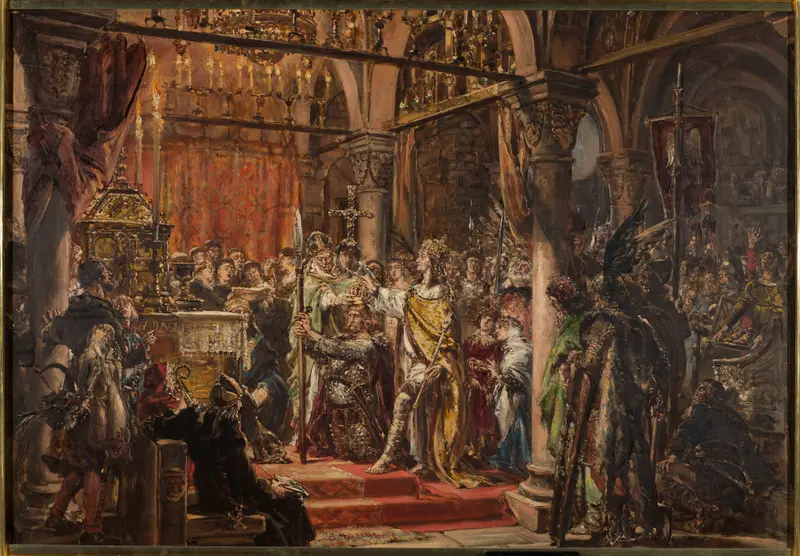
Coronation of the First King, 1001 AD, from the series “History of Civilization in Poland”
Jan Matejko
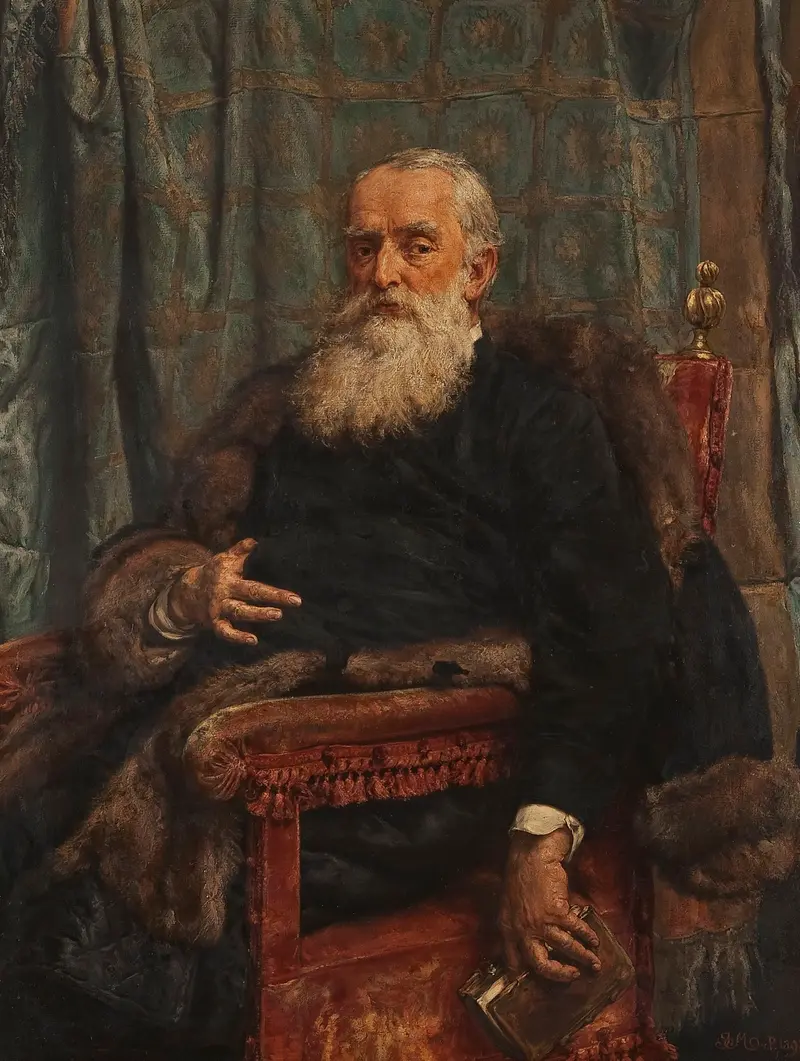
Portrait of Henryk Krajewski
Jan Matejko
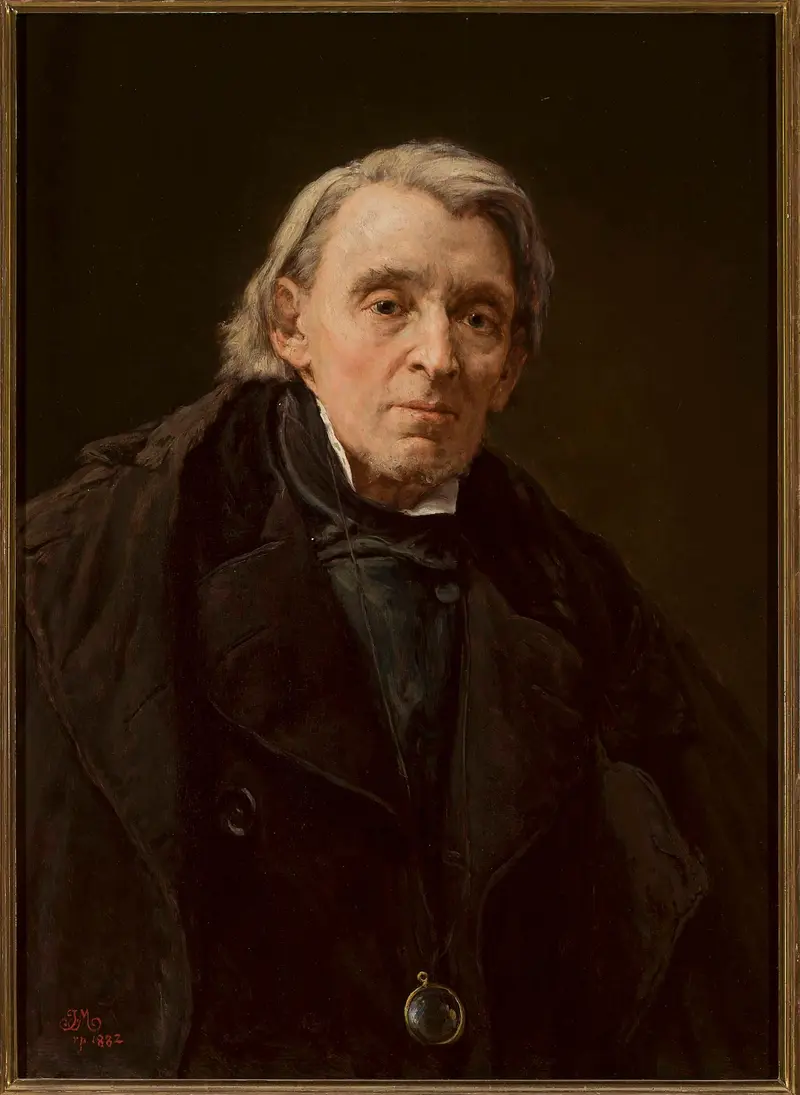
Portrait of Karol Podlewski
Jan Matejko
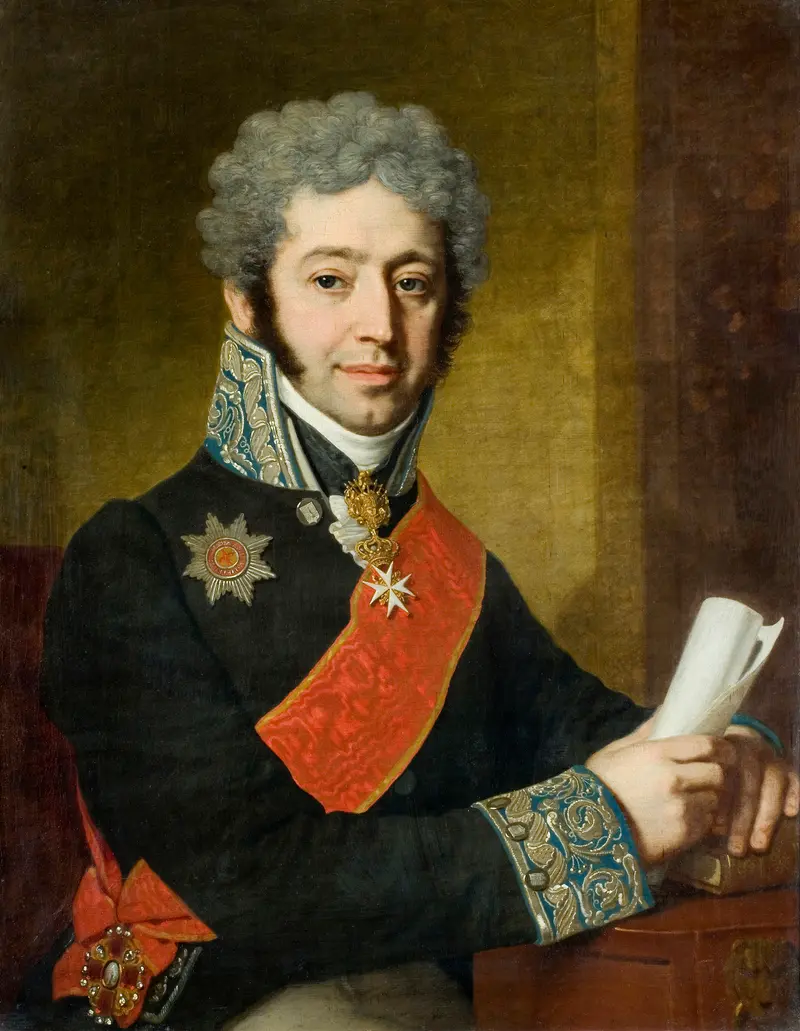
Portrait of Potocki and Poninski
Jan Matejko
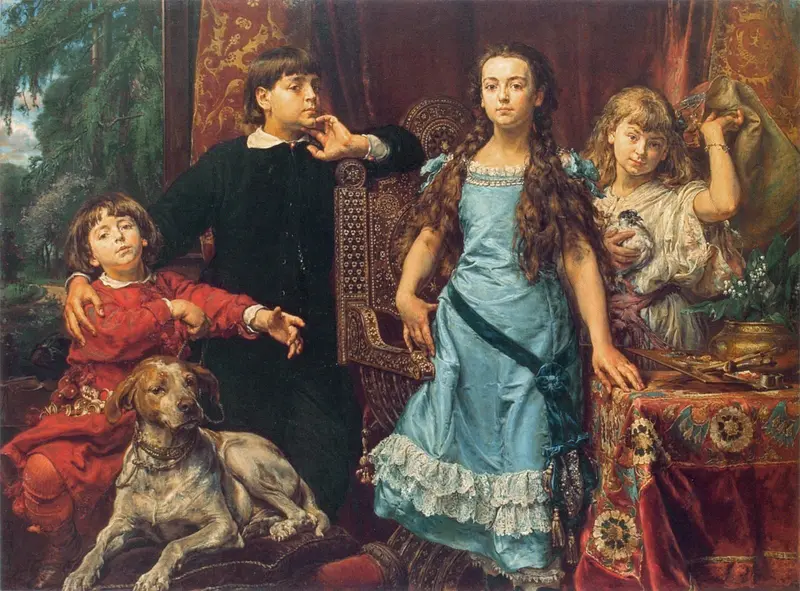
Portrait of the artist's four children
Jan Matejko
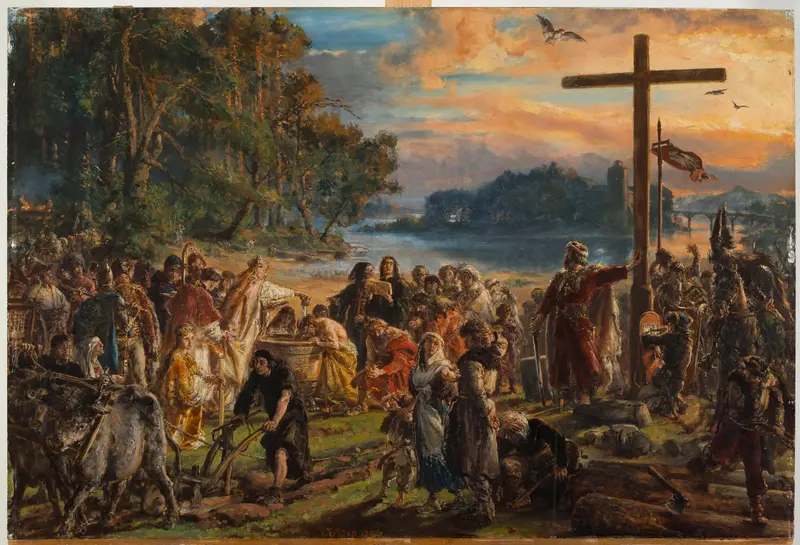
Introduction of Christianity in Poland
Jan Matejko
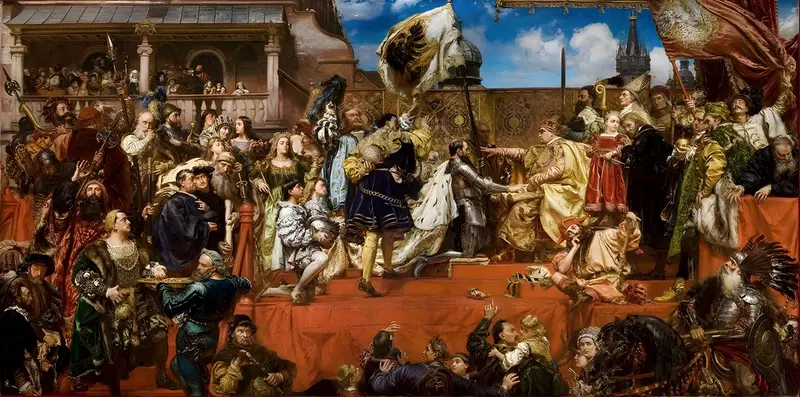
Prussian Homage
Jan Matejko





