
Portrait of the Artist's Wife, Margareta Rees — History & Facts
What draws the eye first is the interplay of textures: the crisp, luminous folds of the pink drapery against the deep, almost liquid darkness of the velvet gown. In Portrait of the Artist’s Wife, Margareta Rees, Adriaen van der Werff chooses a moment of poised stillness, inviting us to linger on the sitter’s calm, direct gaze. Her hands cradle a pair of oranges—fruits that, in the language of 17th-century portraiture, often signaled prosperity, fidelity, or even a subtle nod to the Dutch global reach.
The delicate highlights on her skin and the shimmer of gold trim at her bodice are not mere flourishes, but signals of care and status, while the shadowed landscape behind her hints at a world beyond the frame, just out of reach. Painted in 1698, this portrait belongs to a period when Dutch and Flemish artists were refining the art of private likeness into something both intimate and aspirational. Such works were often commissioned to mark marriages, alliances, or milestones, their sitters posed in settings that blended reality with gentle idealization. While history has kept few traces of Margareta Rees herself, the painting’s presence in the Harvard Art Museums today is a testament to the enduring appeal of these personal, carefully constructed images.
The soft radiance of the scene invites us to imagine the quiet pride of a sitter who knew she would be remembered in paint.
More Artworks by Adriaen van der Werff

Descent from the Cross
Adriaen van der Werff
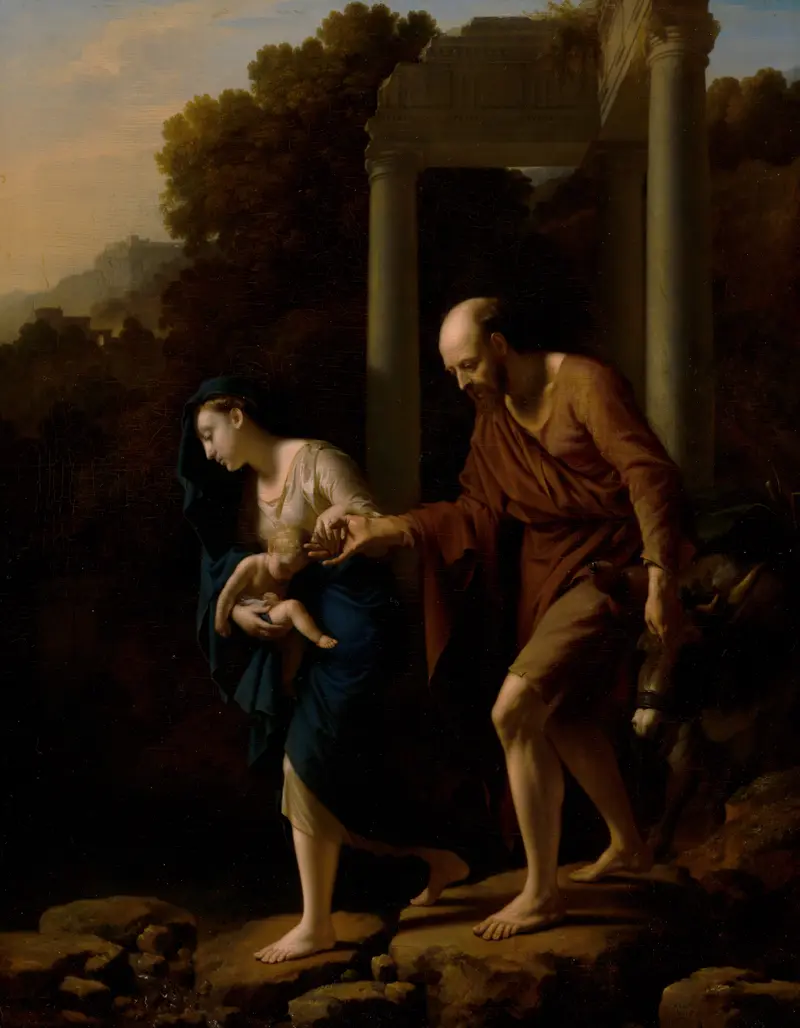
The Flight into Egypt
Adriaen van der Werff
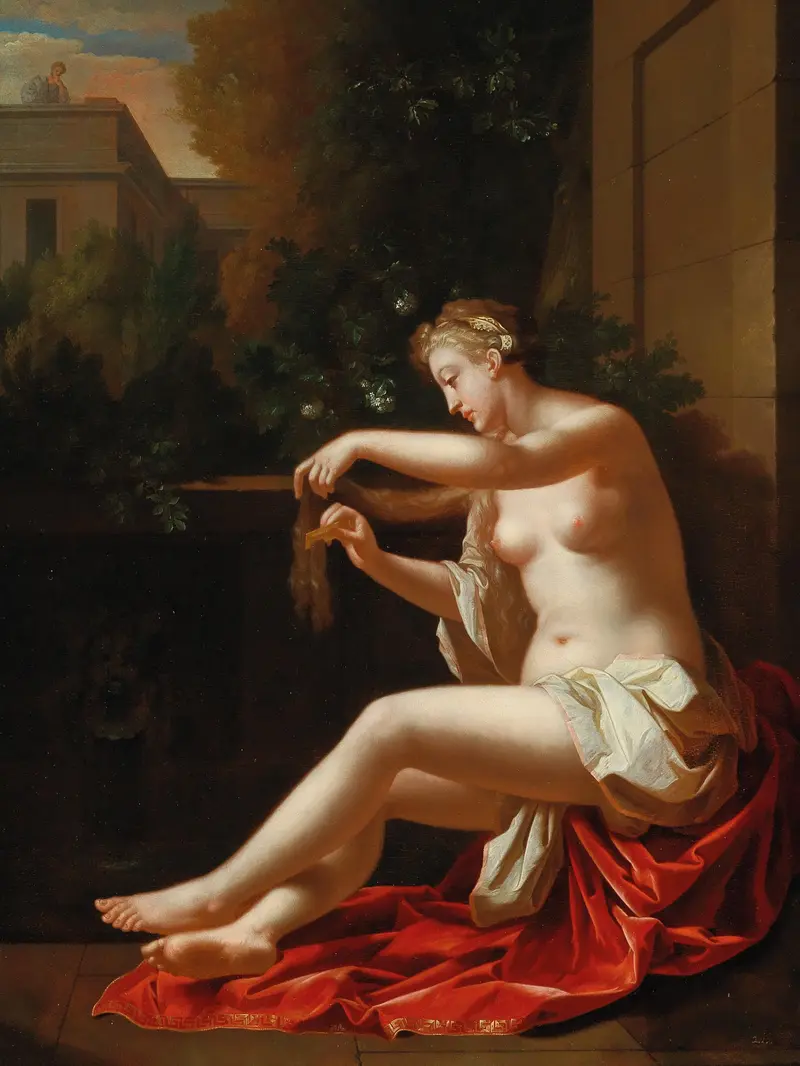
Bathsheba
Adriaen van der Werff
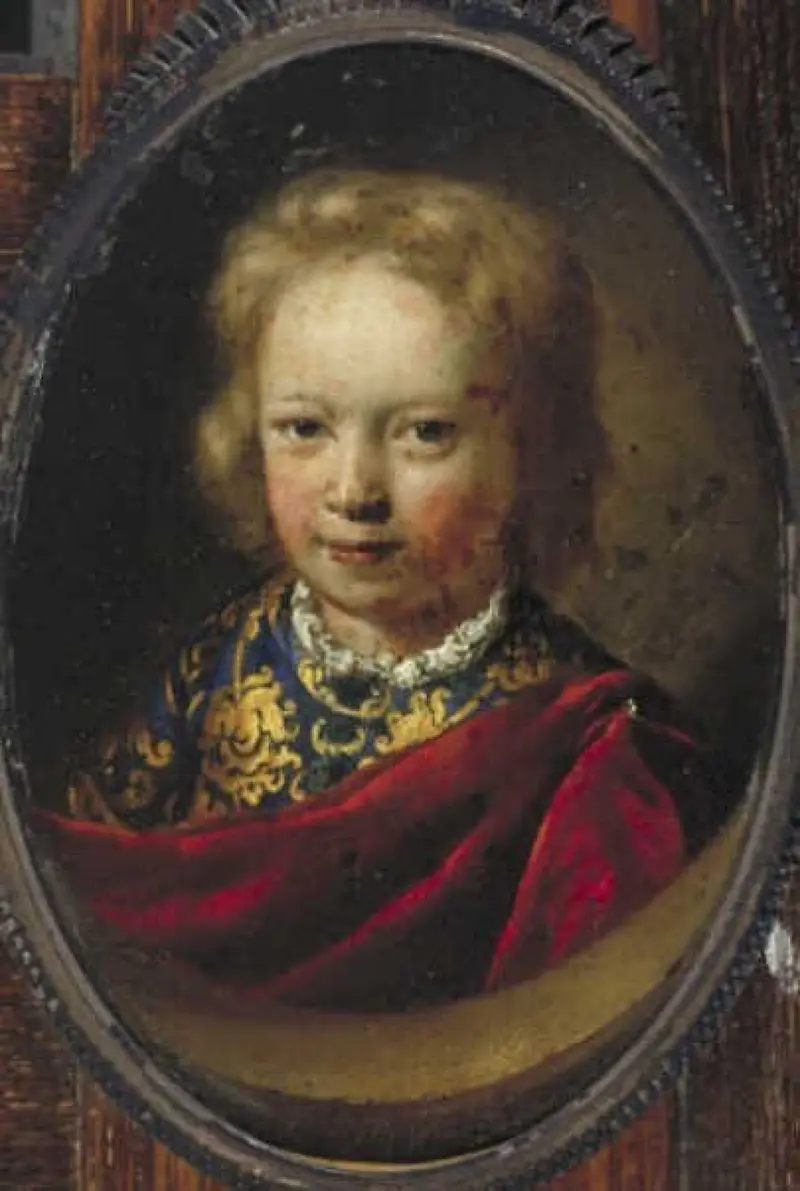
Portrait of Johan Versijden de Jonge
Adriaen van der Werff
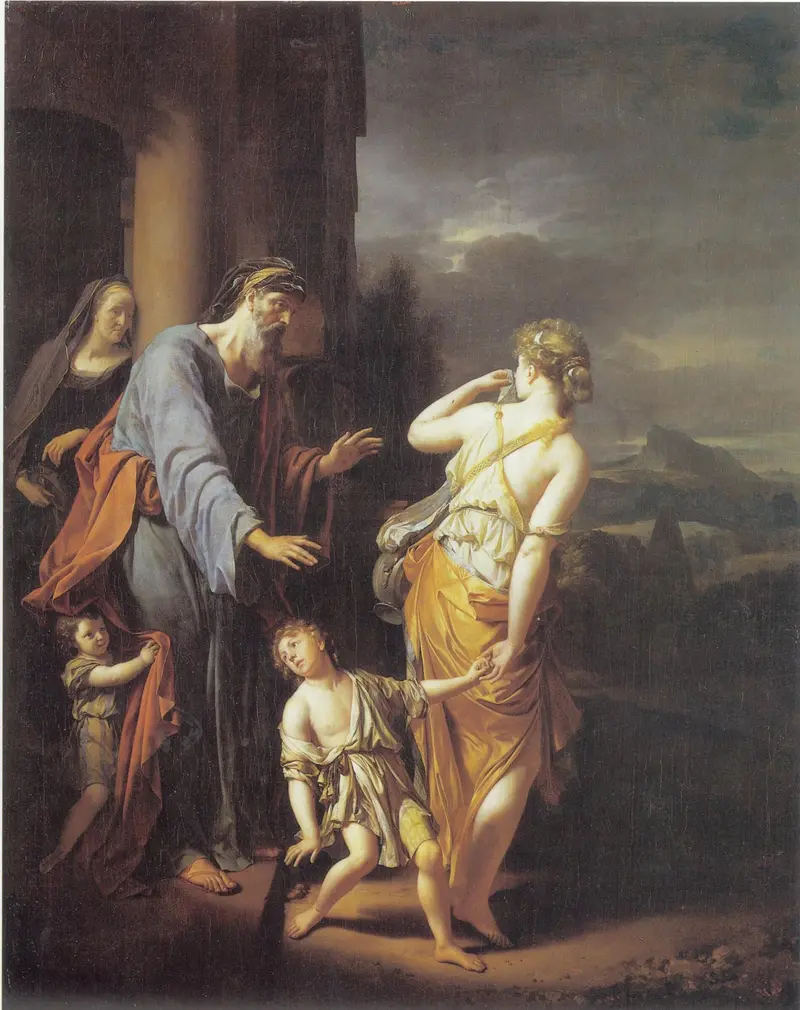
The Banishment of Hagar
Adriaen van der Werff
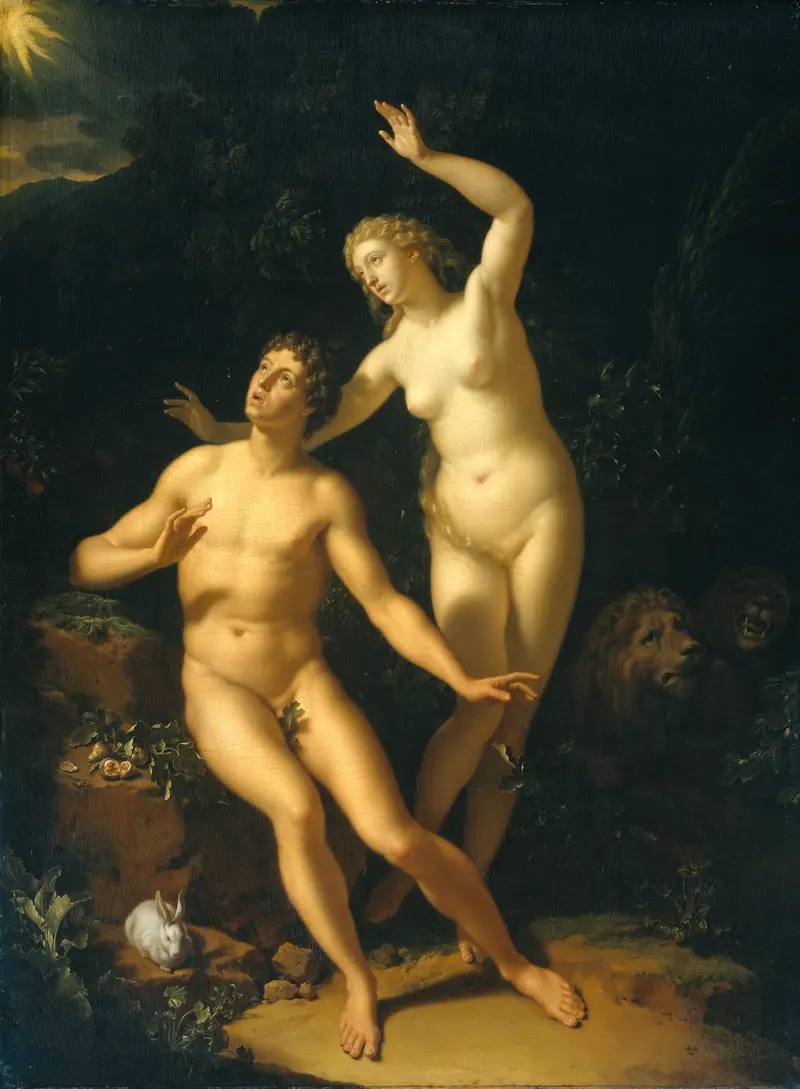
God Holds Adam and Eve Responsible
Adriaen van der Werff
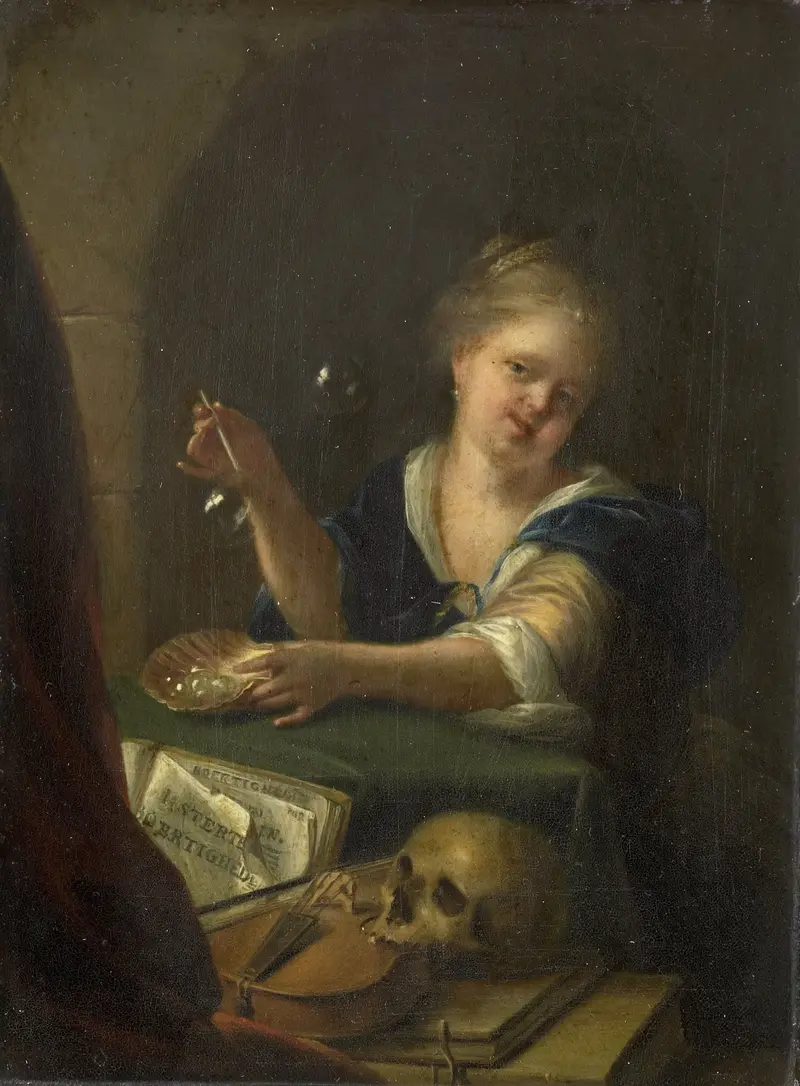
Bubble-blowing Girl with a Vanitas Still Life
Adriaen van der Werff
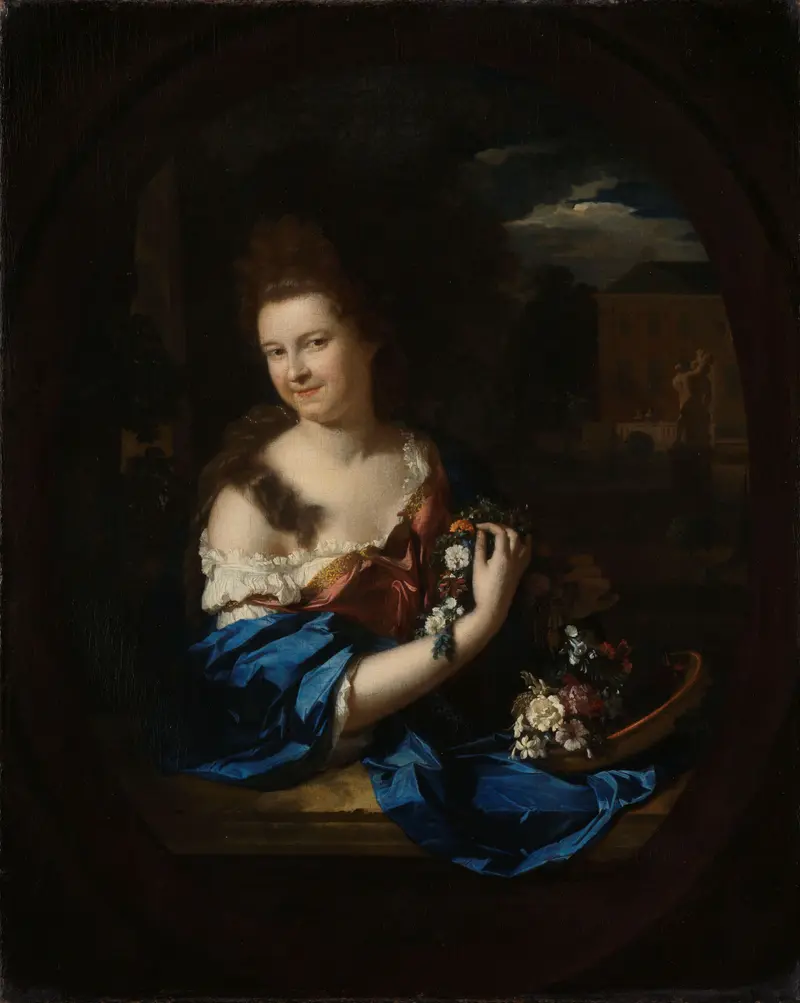
Portrait of Margaretha Rendorp (1673-1730), wife of Jan van de Poll
Adriaen van der Werff
Portrait of Jacob Hendricksz. Vingerhoed
Adriaen van der Werff
The burial of Christ
Adriaen van der Werff





