
Portrait of the Duke of Olivares (after Diego Velázquez) — History & Facts
In Portrait of the Duke of Olivares (after Diego Velázquez) by Gustave Vanaise, the viewer sees a dignified figure dressed in elaborate clothing. The color palette is rich, featuring deep reds, golds, and dark greens that convey a sense of nobility. The background is likely a muted tone, allowing the figure to stand out prominently.
The expression on the Duke's face is serious, reflecting his status and authority. This painting is executed in oil on canvas, a common medium for portraits during the Baroque period. The brushwork is detailed, capturing the intricate textures of the Duke's garments and the play of light on his face. The composition follows traditional portrait conventions, with the Duke positioned centrally and gazing directly at the viewer.
The size of the painting suggests it was intended for a grand setting, possibly a palace or noble residence. Gustave Vanaise was known for his ability to replicate the styles of great masters, and this work is a testament to his skill. The painting is a reinterpretation of Diego Velázquez's original portrait of the Duke of Olivares, a significant figure in Spanish history. An interesting fact about this work is that it serves not only as a tribute to Velázquez but also as a reflection of Vanaise's own artistic journey in the late 19th century.
This piece highlights the enduring influence of Velázquez on later artists.
More Artworks by Gustave Vanaise

Weeping Woman
Gustave Vanaise
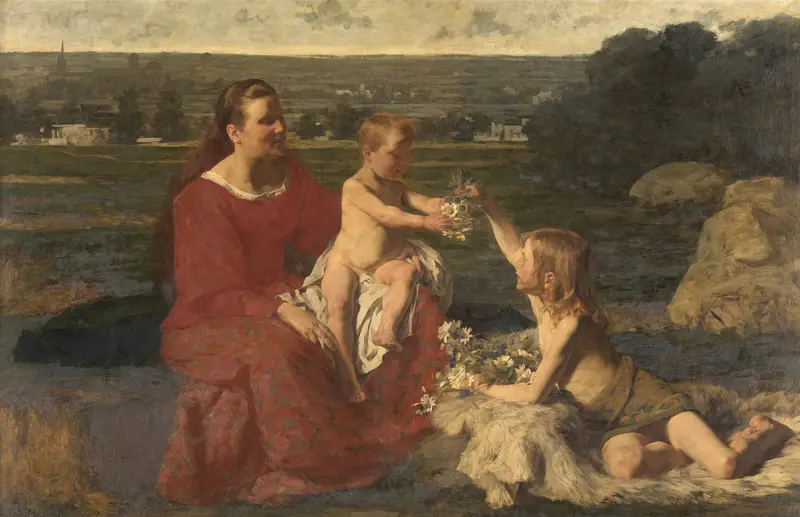
Happiness
Gustave Vanaise
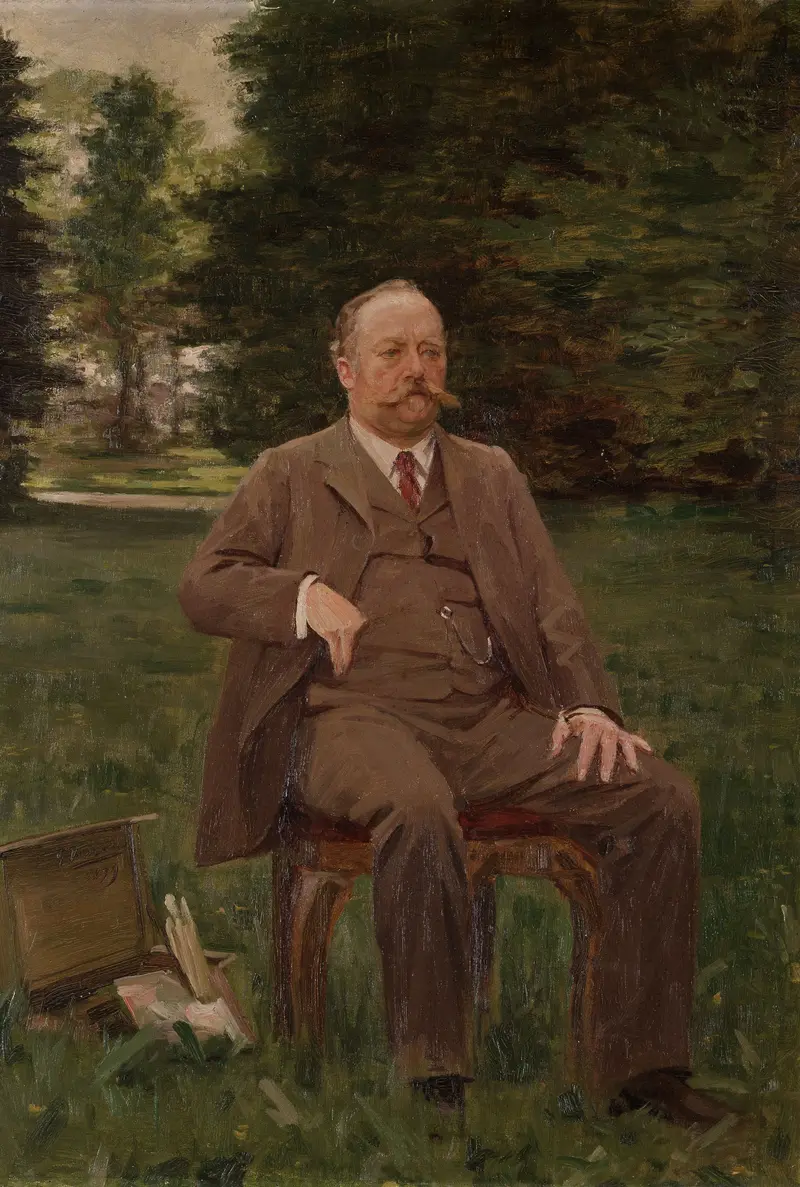
Fernand Scribe in his Garden
Gustave Vanaise
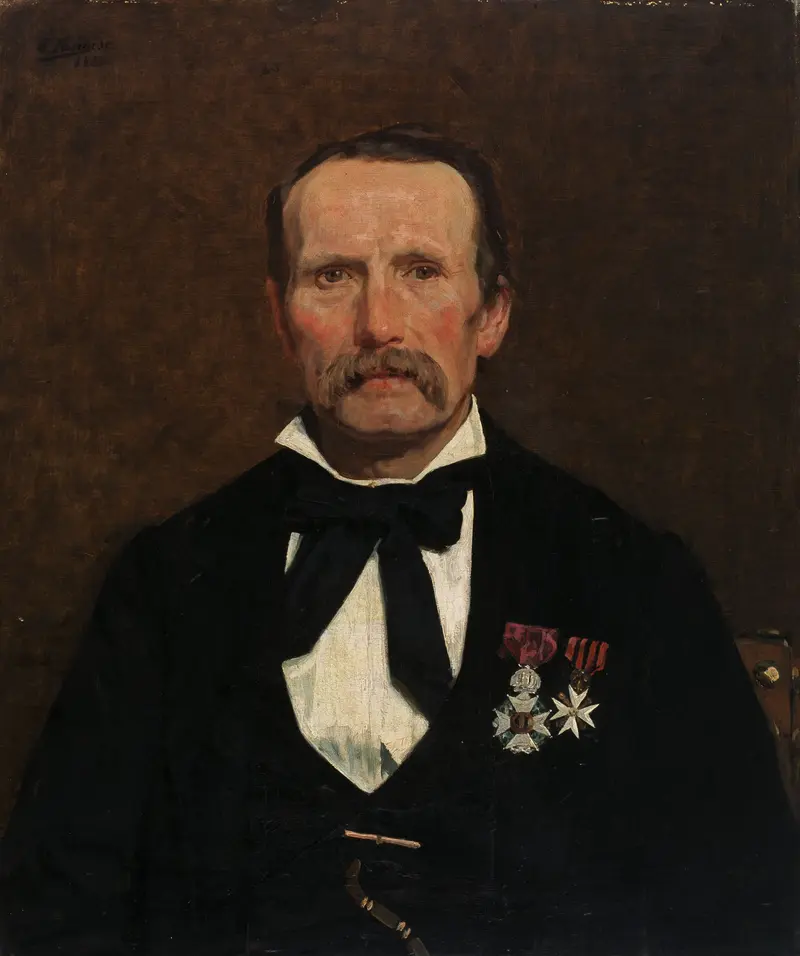
Portrait of Jacob Wiemer
Gustave Vanaise
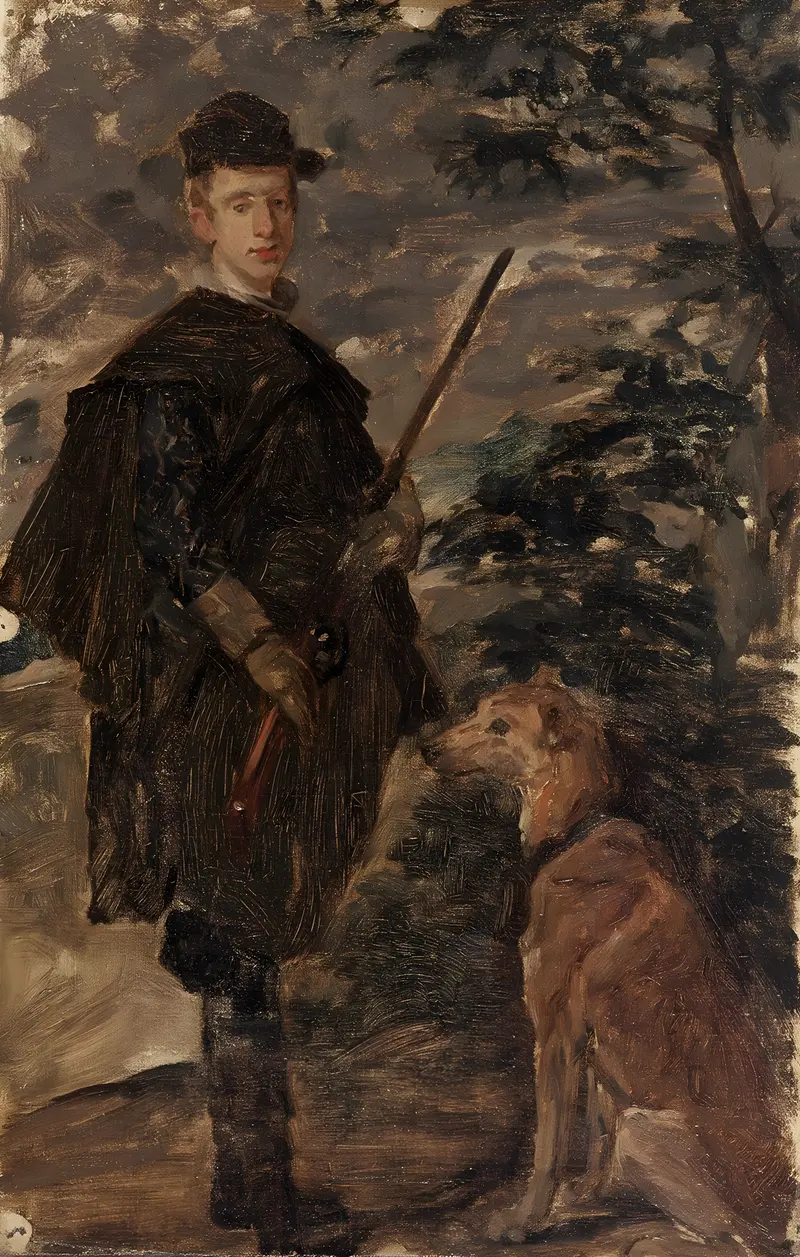
Portrait of the Cardinal Infante don Fernando (after Diego Rodriguez de Silva y Velázquez )
Gustave Vanaise
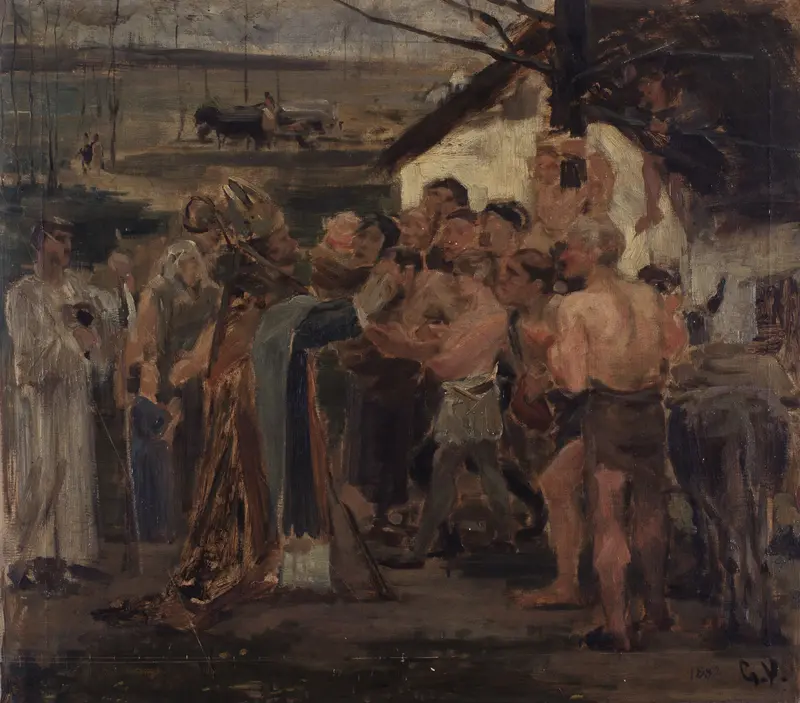
Saint Livinus in Flanders (study)
Gustave Vanaise
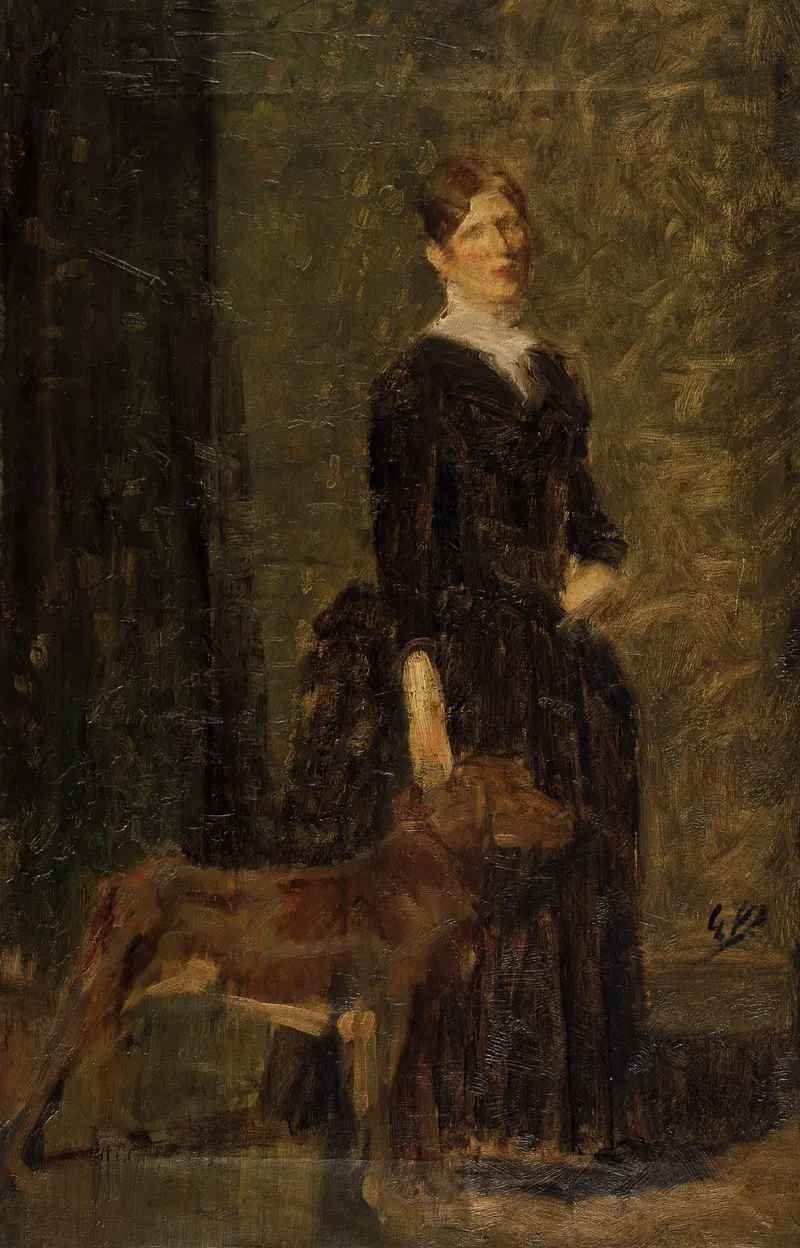
Study for the Portrait of Marie De Coster, the Artist’s Wife
Gustave Vanaise
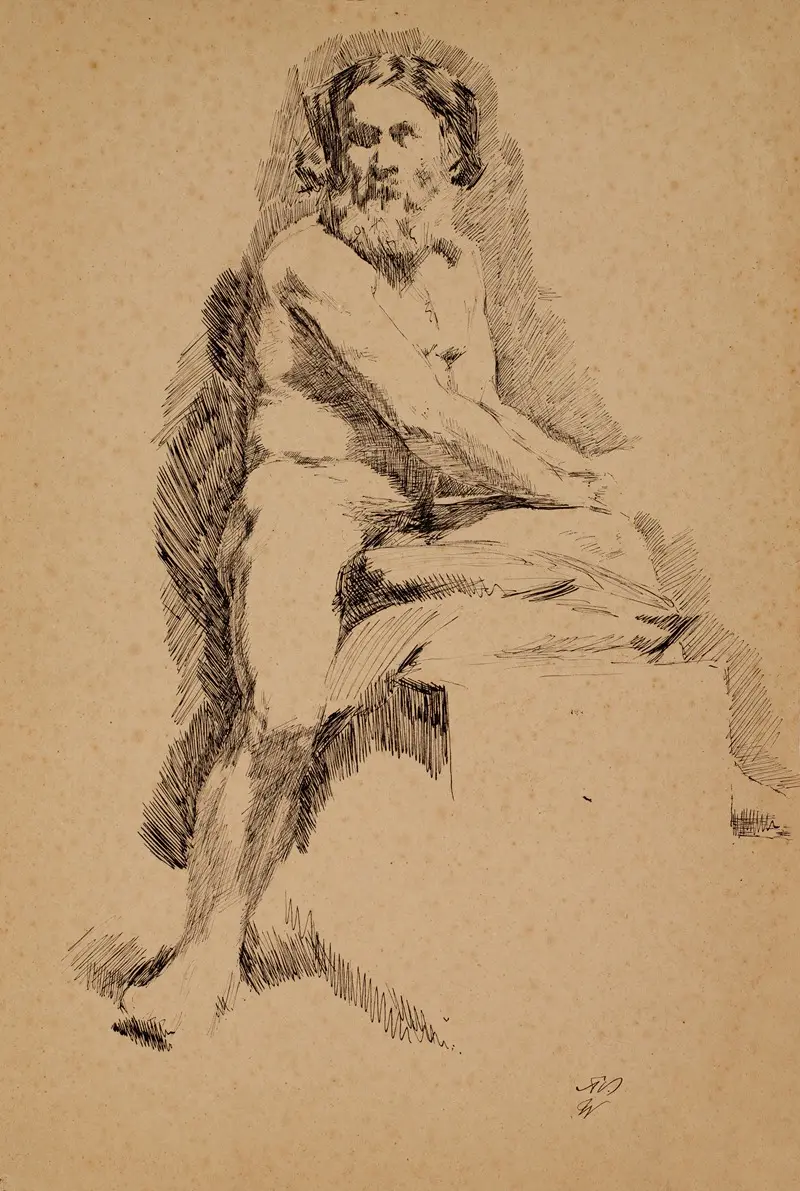
Seated Male Nude
Gustave Vanaise
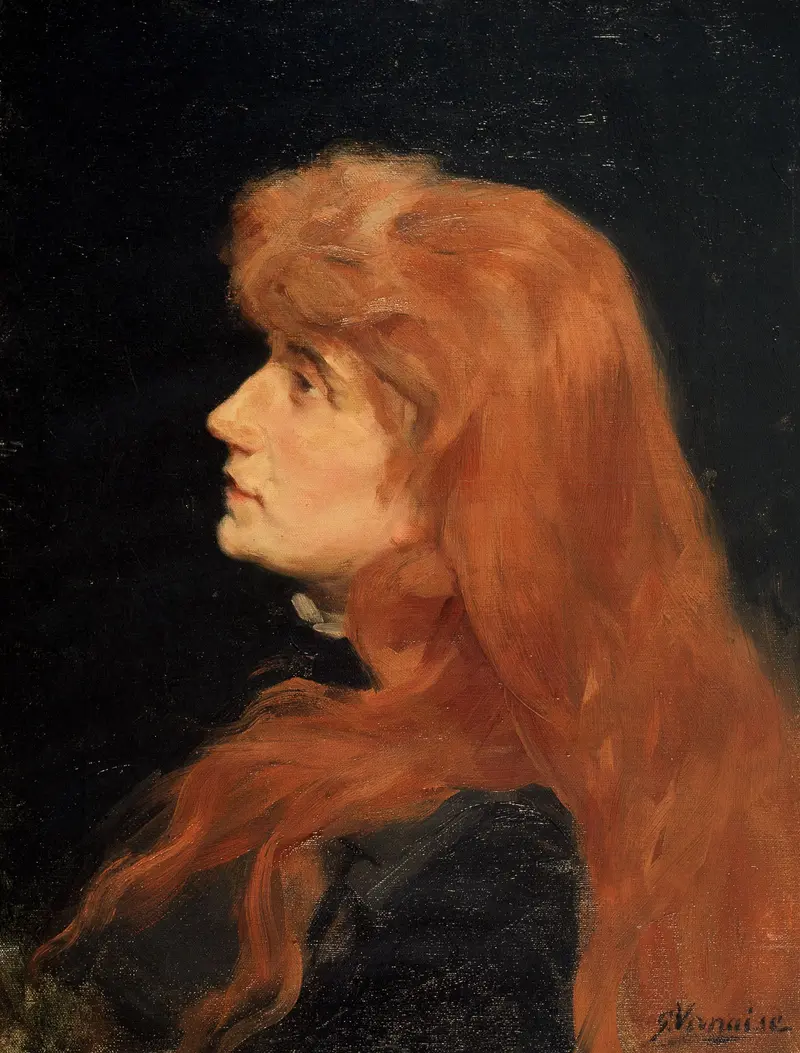
Portrait of Anna Rodenbach, the Wife of the Poet Georges Rodenbach
Gustave Vanaise
Portrait of a Woman
Gustave Vanaise





