
Portrait of the Nuremberg Painter Michael Wolgemut — History & Facts
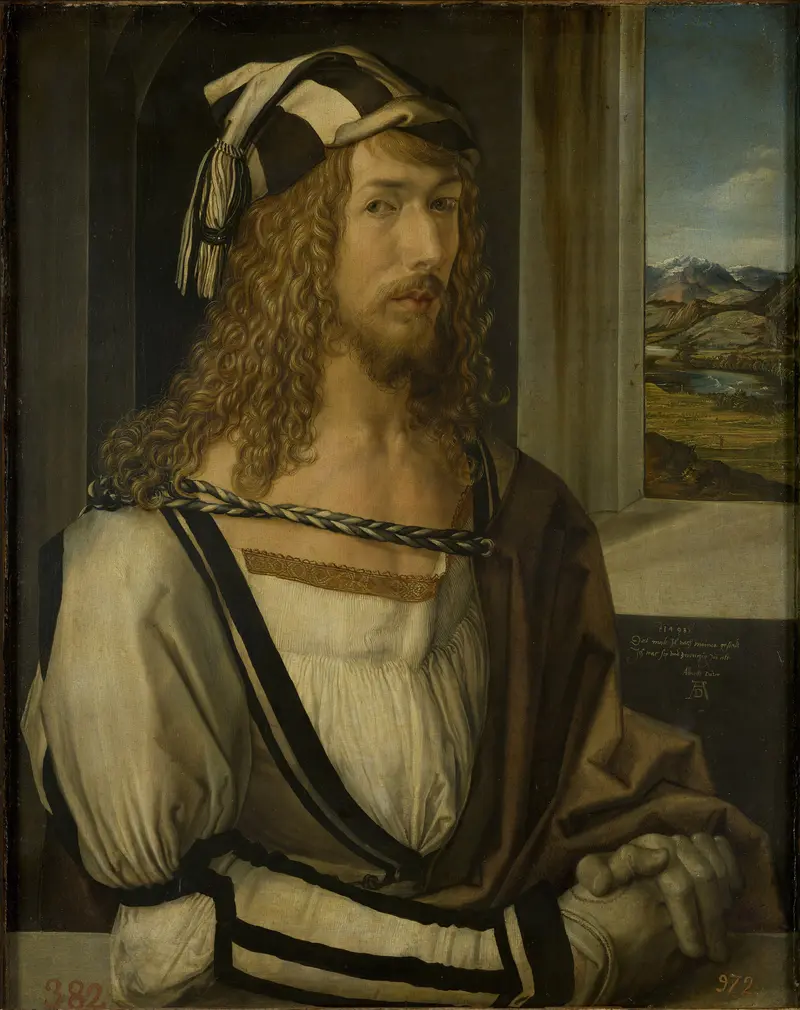
The first thing that grips the viewer in this portrait is the piercing clarity of the sitter’s gaze, set against a startlingly vivid green ground. The subject’s lined face, rendered with a precision that borders on the forensic, invites us to linger over every furrow and shadow. The artist uses a cool, almost clinical light that falls from the left, accentuating the sharp cheekbones and the thin lips pressed in thought.
The sitter’s black cap and fur collar are painted with quiet restraint, directing all attention to the face—where the artist’s hand lingers longest on the translucent skin and silvery stubble. The inscription in the upper right, carefully lettered, hints at a life recorded and remembered, while the date “1516” anchors the work in a moment of personal and artistic reckoning. Portraits of this kind, painted in the early sixteenth century, were often commissioned to honor respected elders or teachers, capturing their likeness for posterity in an age before photography. In the world of Albrecht Dürer, such images were not only acts of homage but also technical showcases, demonstrating the artist’s command of realism and psychological depth.
The era was alive with innovation: artists across Europe were experimenting with oil paint, perspective, and the study of individual character. This work, preserved today in the digital halls of Google Arts & Culture, stands as a testament to that restless curiosity. Look again at the sitter’s eyes—there is a whole world of memory and experience waiting in their depths.
More Artworks by Albrecht Dürer

Melancholia
Albrecht Dürer

St. George and the dragon.
Albrecht Dürer
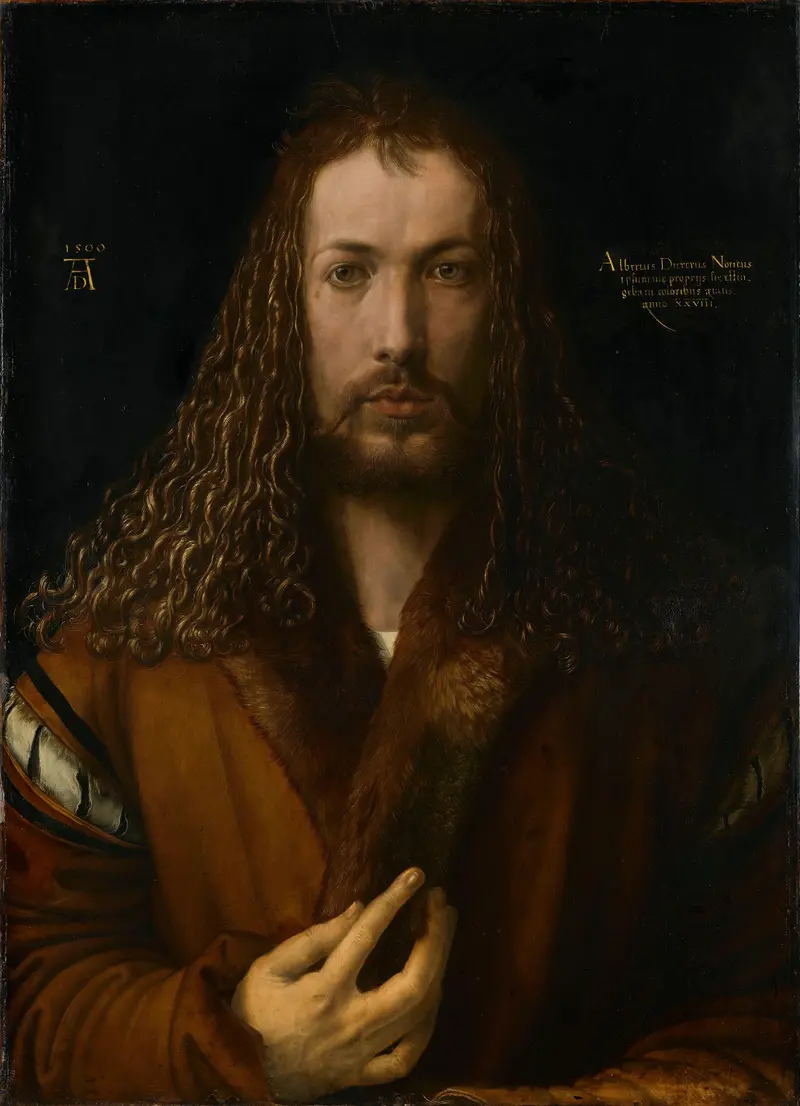
Self-Portrait with Fur-Trimmed Robe
Albrecht Dürer

Wing of a European Roller
Albrecht Dürer

Iris
Albrecht Dürer

The Great Piece of Turf
Albrecht Dürer
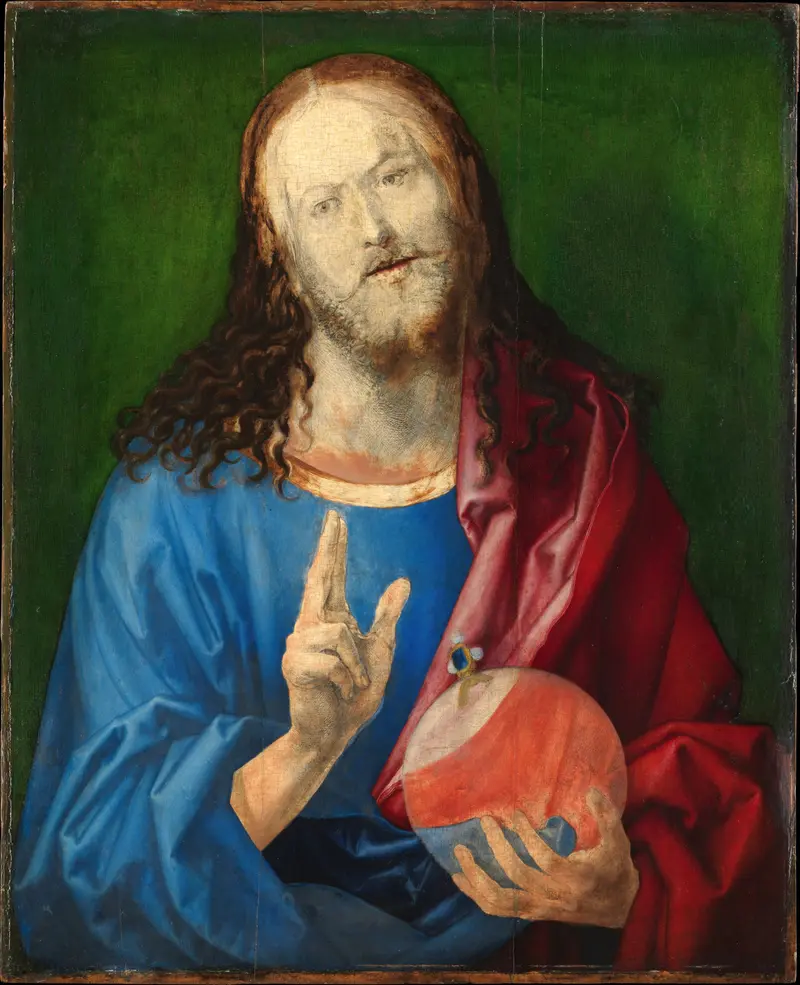
Salvator Mundi
Albrecht Dürer
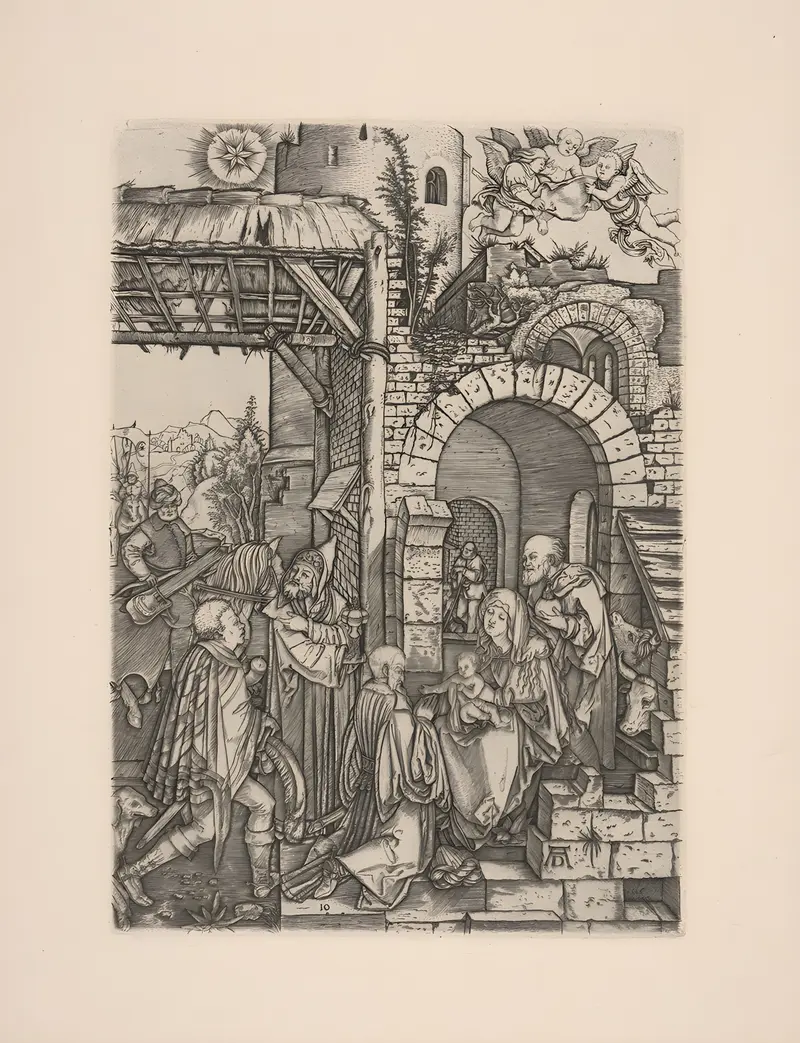
The Adoration of the Magi
Albrecht Dürer
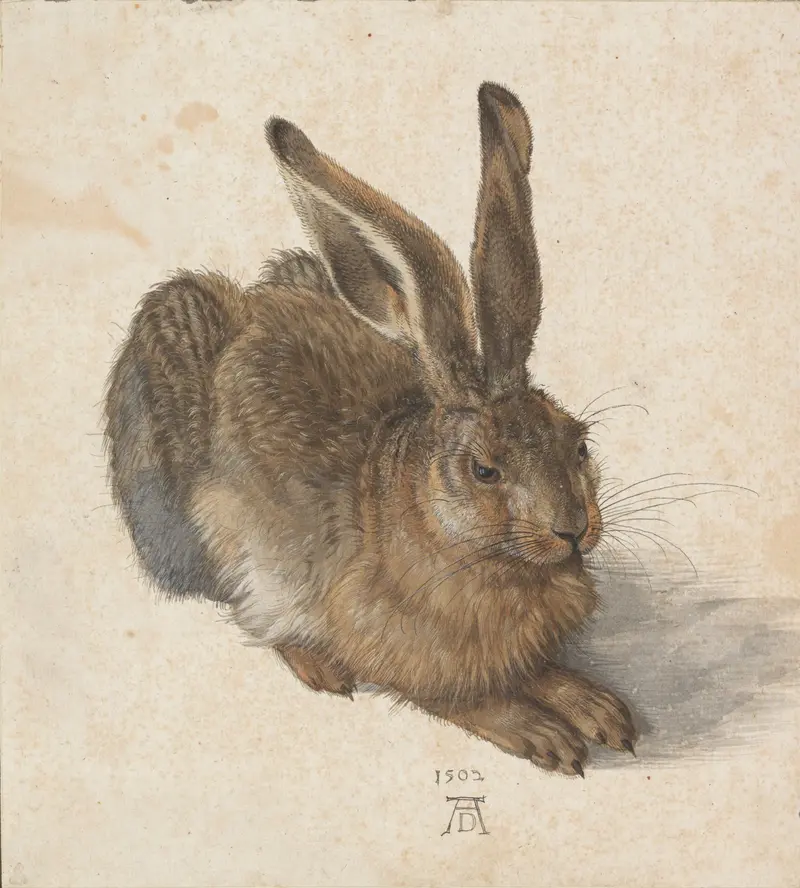
Young Hare
Albrecht Dürer
Self-portrait
Albrecht Dürer





