
Portrait of Willibald Pirckheimer — History & Facts
What first catches the eye in this portrait is the gravity of the sitter’s gaze, turned just away from us as if caught in a moment of thought. The fur collar, rendered with a tactile richness, frames a face marked by both age and intellect, the skin modeled in soft, almost sculptural planes. Light falls from the left, picking out the curls of hair and the subtle folds of flesh, lending the figure a presence that seems to press outward from the panel.
The inscription to the left, carefully painted, roots the image in a world where names and dates matter, and where the sitter’s identity is meant to endure. Every detail, from the patterned black garment to the slight downturn of the mouth, signals a life of status and perhaps of contemplation. Works like this, created between 1524 and 1600, belong to a moment when portraiture in Northern Europe was undergoing a transformation. No longer merely a record, the portrait became a statement of character and achievement, often commissioned by scholars, merchants, or patricians eager to assert their place in a shifting society.
The artist’s hand—here attributed to Albrecht Dürer—was valued for its ability to capture both likeness and the sitter’s inner world. Today, this painting is part of the Rijksmuseum collection, a reminder of an age when the boundaries between art, intellect, and social ambition were being redrawn. Look again at the sitter’s eyes: they invite us to imagine the thoughts behind them, and the world that shaped such a presence.
More Artworks by Albrecht Dürer

Melancholia
Albrecht Dürer

St. George and the dragon.
Albrecht Dürer
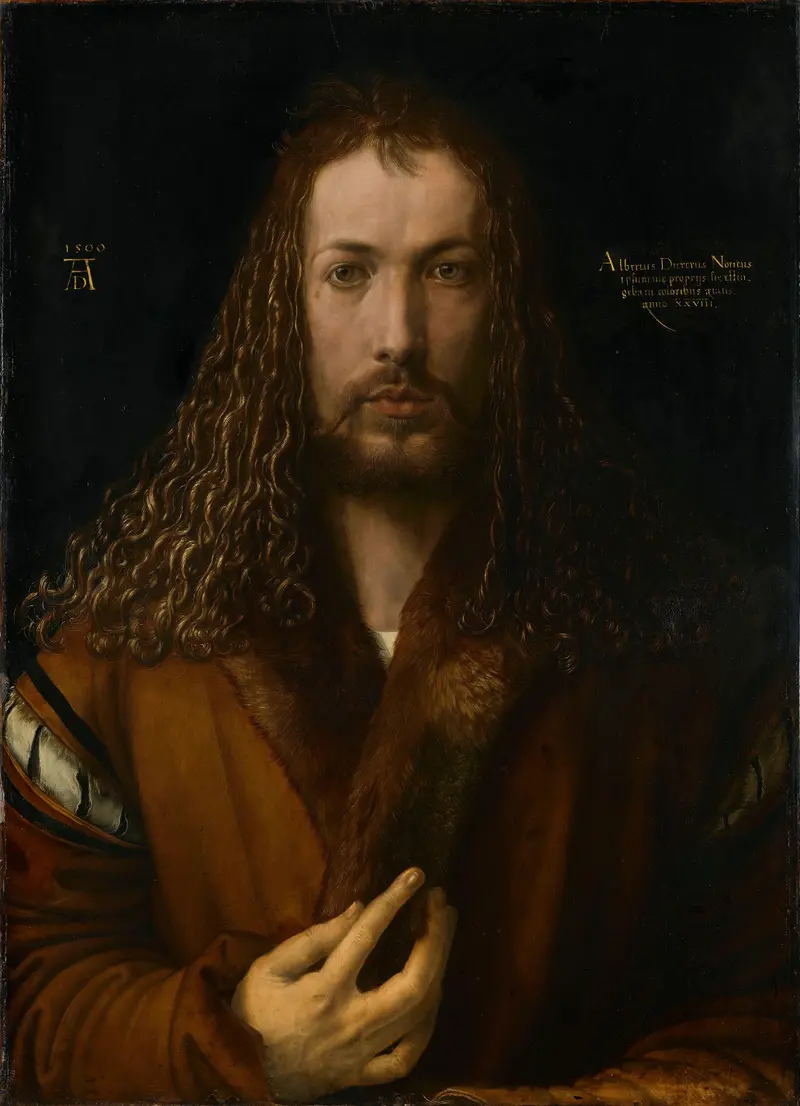
Self-Portrait with Fur-Trimmed Robe
Albrecht Dürer

Wing of a European Roller
Albrecht Dürer
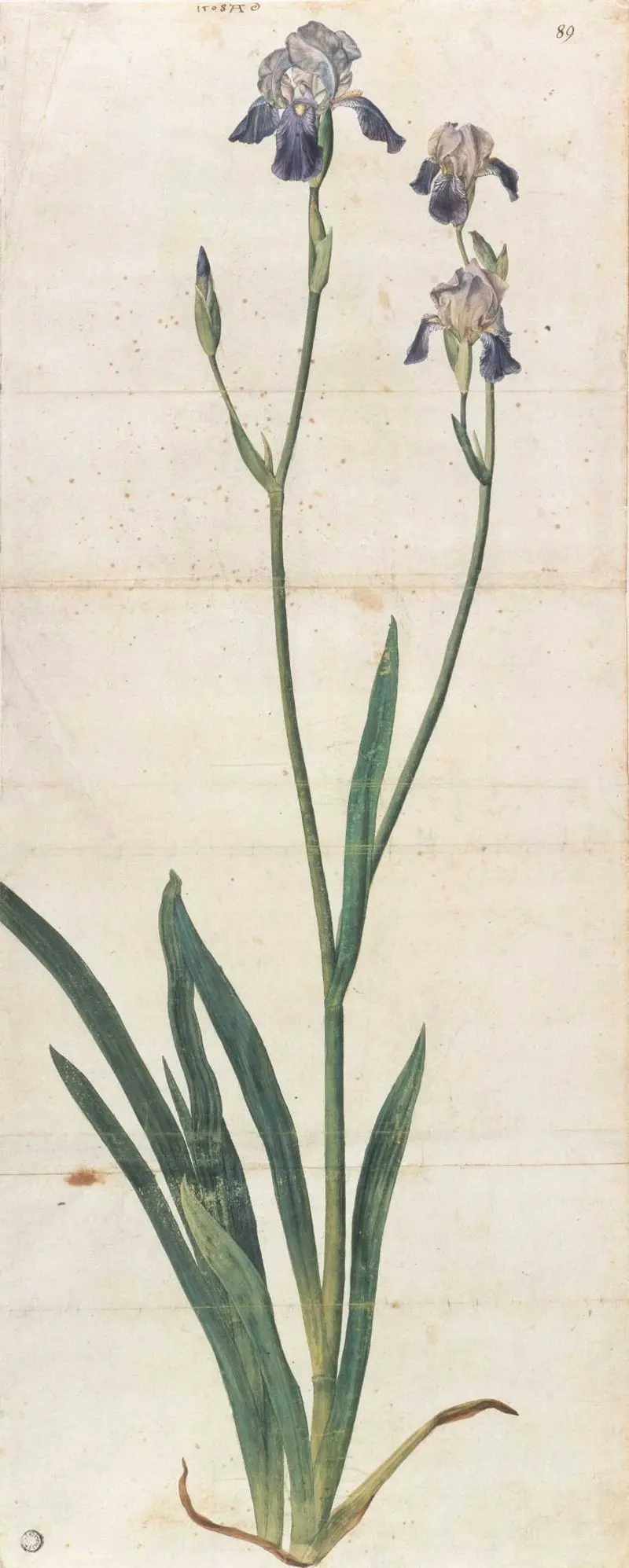
Iris
Albrecht Dürer
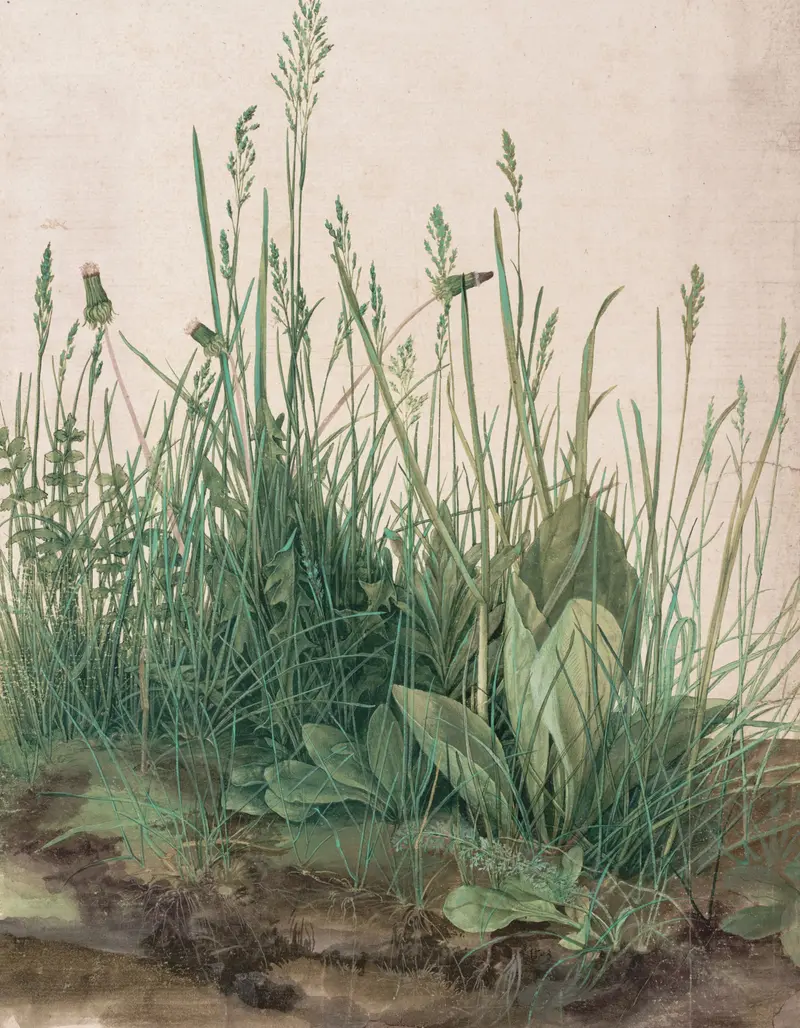
The Great Piece of Turf
Albrecht Dürer
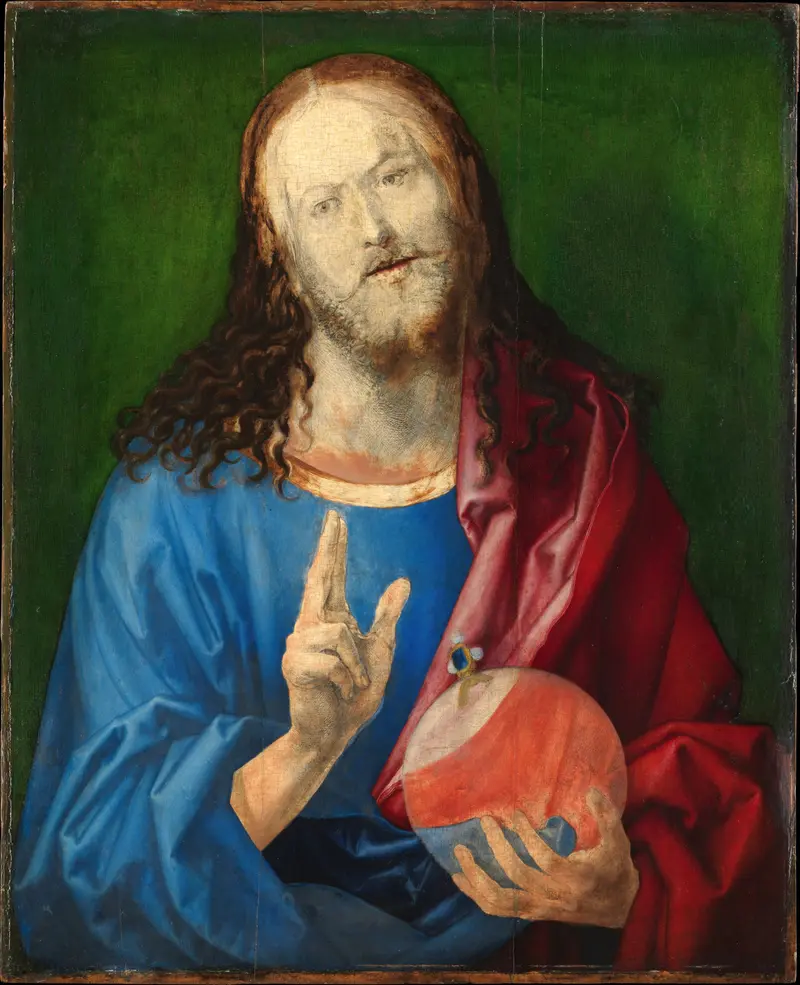
Salvator Mundi
Albrecht Dürer
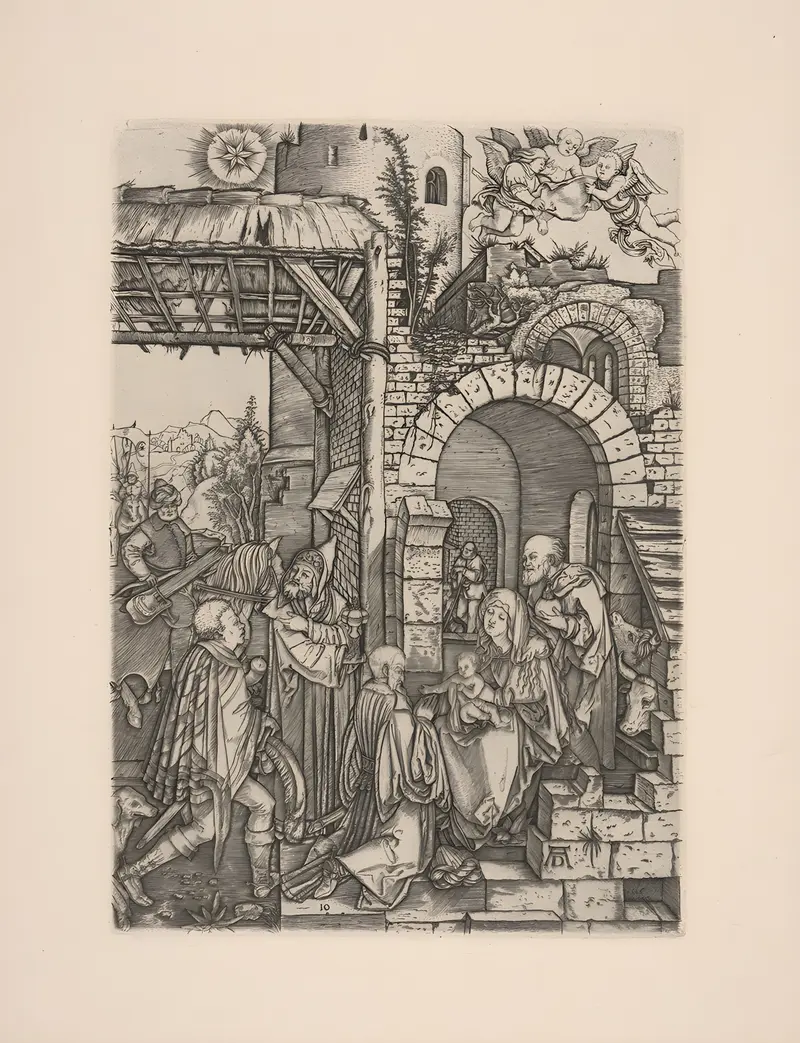
The Adoration of the Magi
Albrecht Dürer
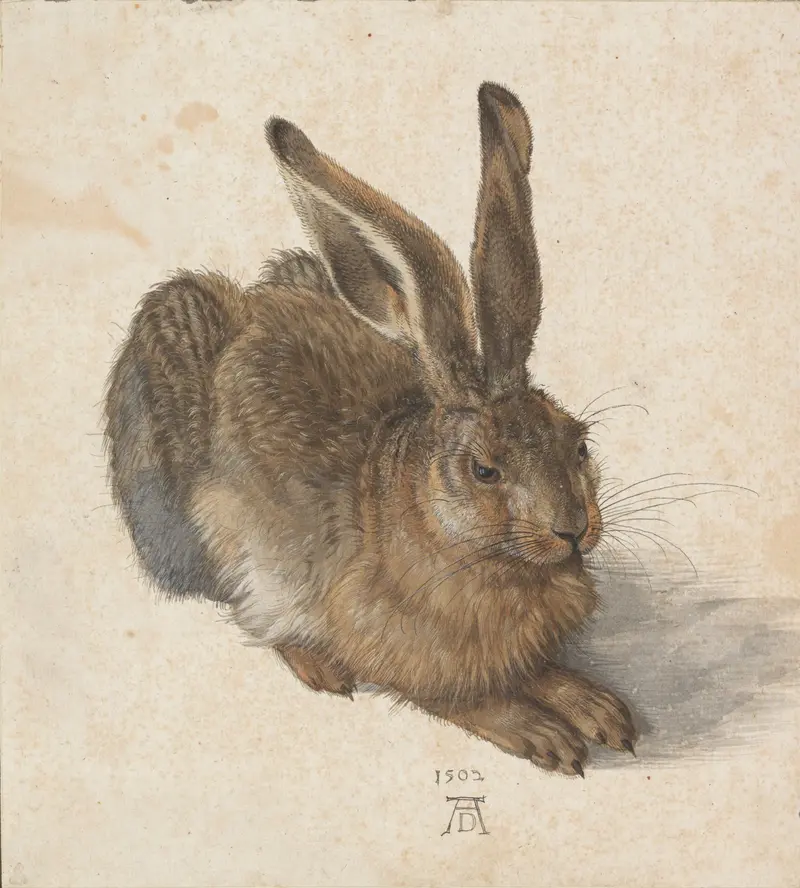
Young Hare
Albrecht Dürer
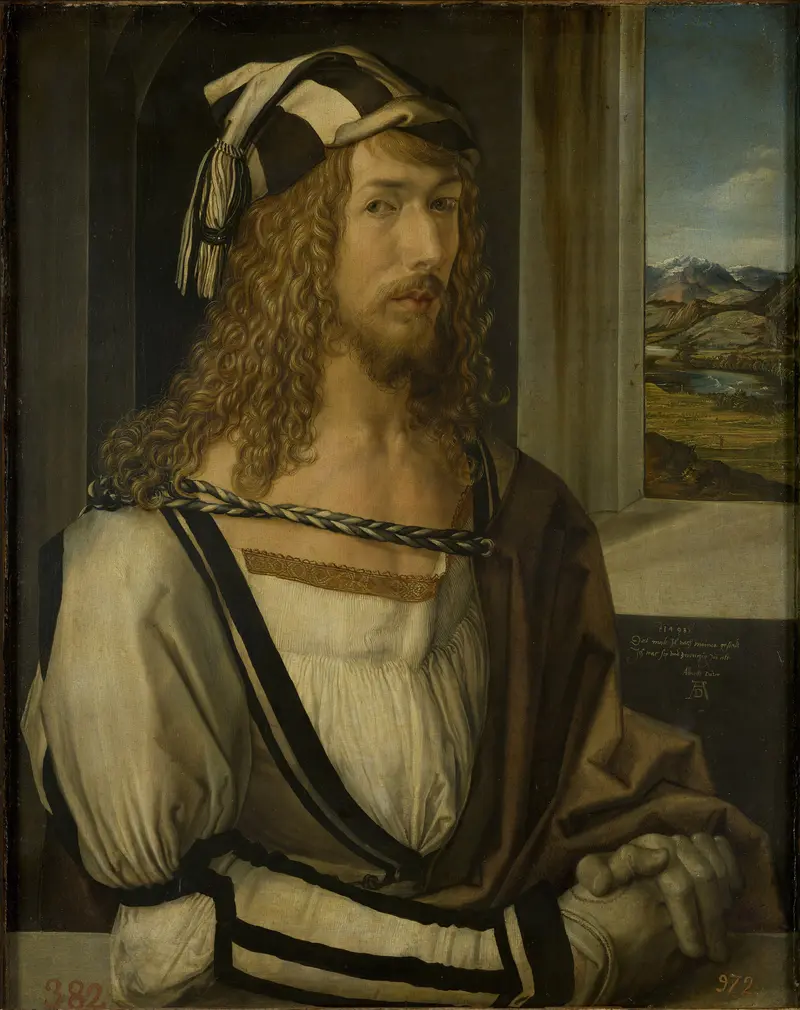
Self-portrait
Albrecht Dürer





