
Portret van Aletheia Talbot, gravin van Arundel — History & Facts
In Portret van Aletheia Talbot, gravin van Arundel, the essence of a fleeting dream crystallizes into a timeless visage, capturing not only an individual but the evanescent nature of beauty itself. Focus first on the delicate features of Aletheia, her serene expression framed by intricate lace and the soft, flowing fabric of her attire. The light dances gently across her face, illuminating the subtle blush on her cheeks, while shadows play coyly in the folds of her gown. Notice how the muted palette enhances her ethereal presence, creating a sense of depth that draws the viewer into her world, inviting contemplation and reverie. Beneath the surface, the portrait conveys layers of meaning — the tension between status and mortality, beauty and decay.
The gown's elaborate details whisper of the social expectations of nobility, while the softness in her gaze hints at a deeper, unguarded vulnerability. Each brushstroke seems to hold a secret, a fleeting memory longing to be remembered, allowing us a glimpse into the spirit of a woman caught in an era of transformation. Created in the mid-17th century, Portret van Aletheia Talbot, gravin van Arundel emerged during a period of both personal and artistic upheaval for Wenceslaus Hollar. Living in England after fleeing the Thirty Years' War, he sought to capture the essence of English nobility while navigating the shifting tides of his own identity as a continental artist.
More Artworks by Wenceslaus Hollar
Browse all →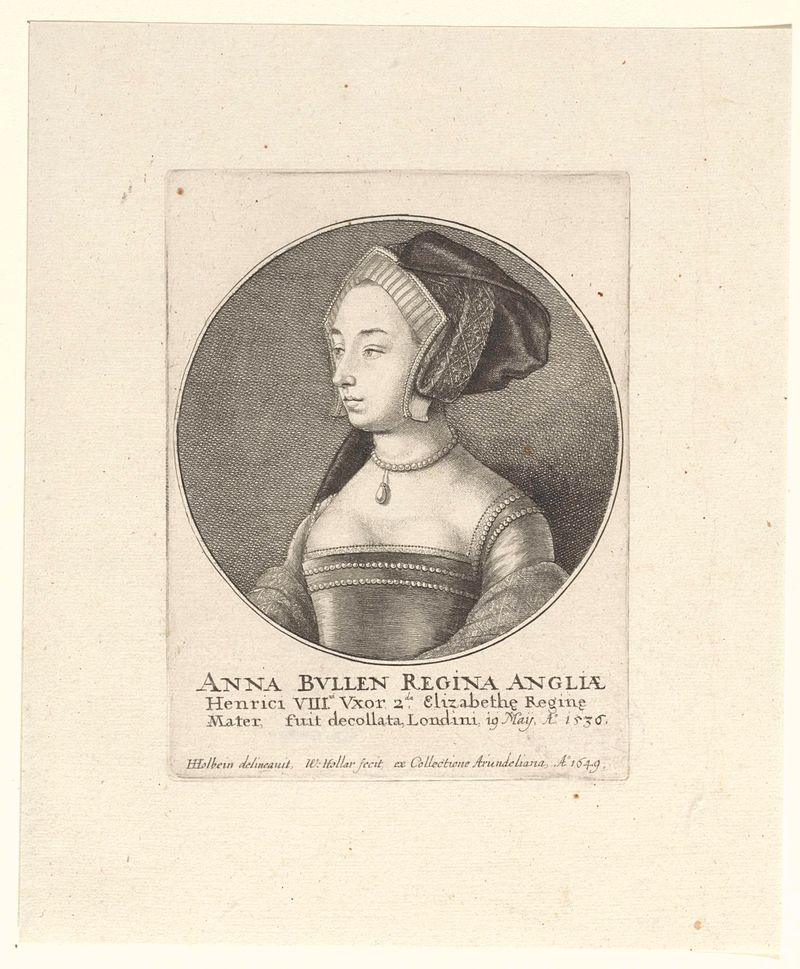
Portret van Anna Boleyn, koningin van Engeland
Wenceslaus Hollar
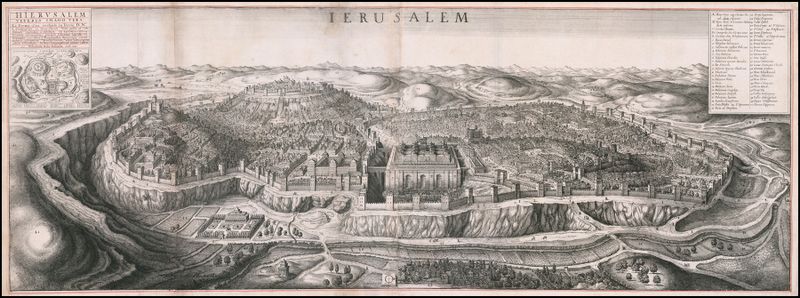
Bird’s eye view of Jerusalem
Wenceslaus Hollar
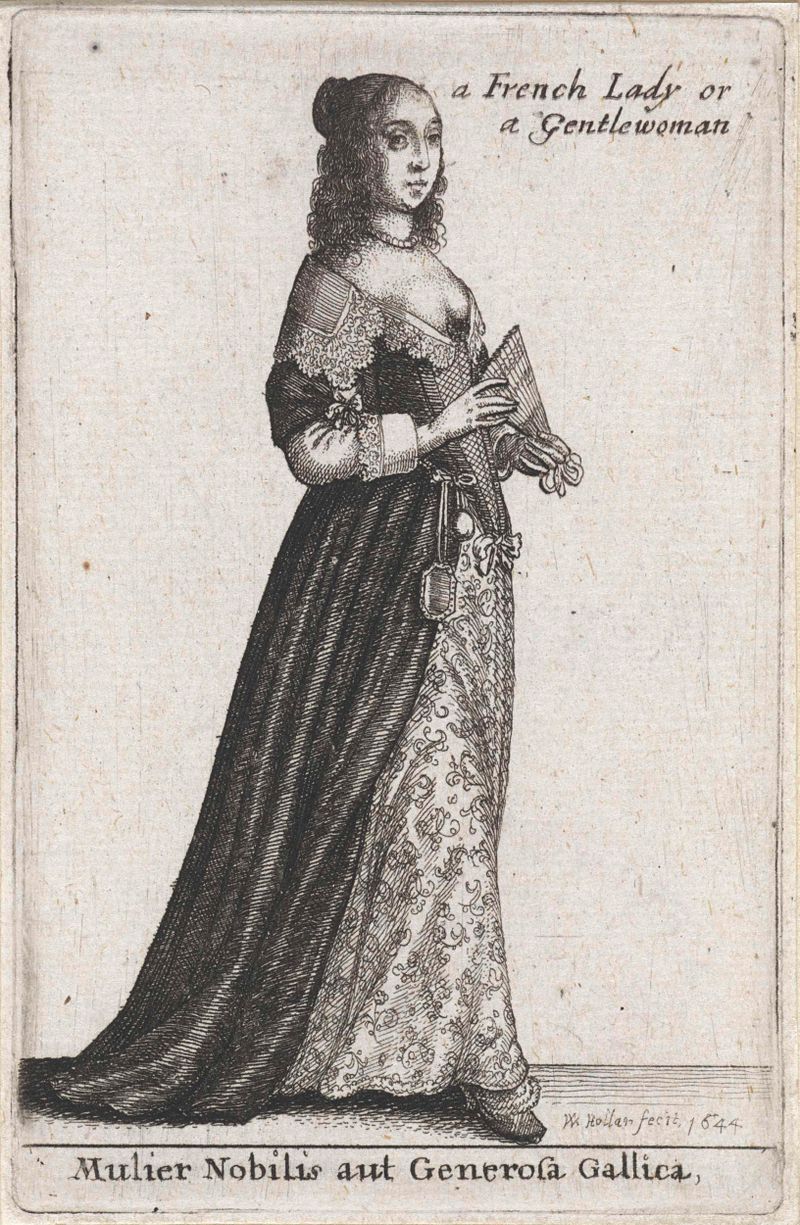
Mulier Nobilis aut Generosa Gallica / a French Lady or Gentlewoman
Wenceslaus Hollar
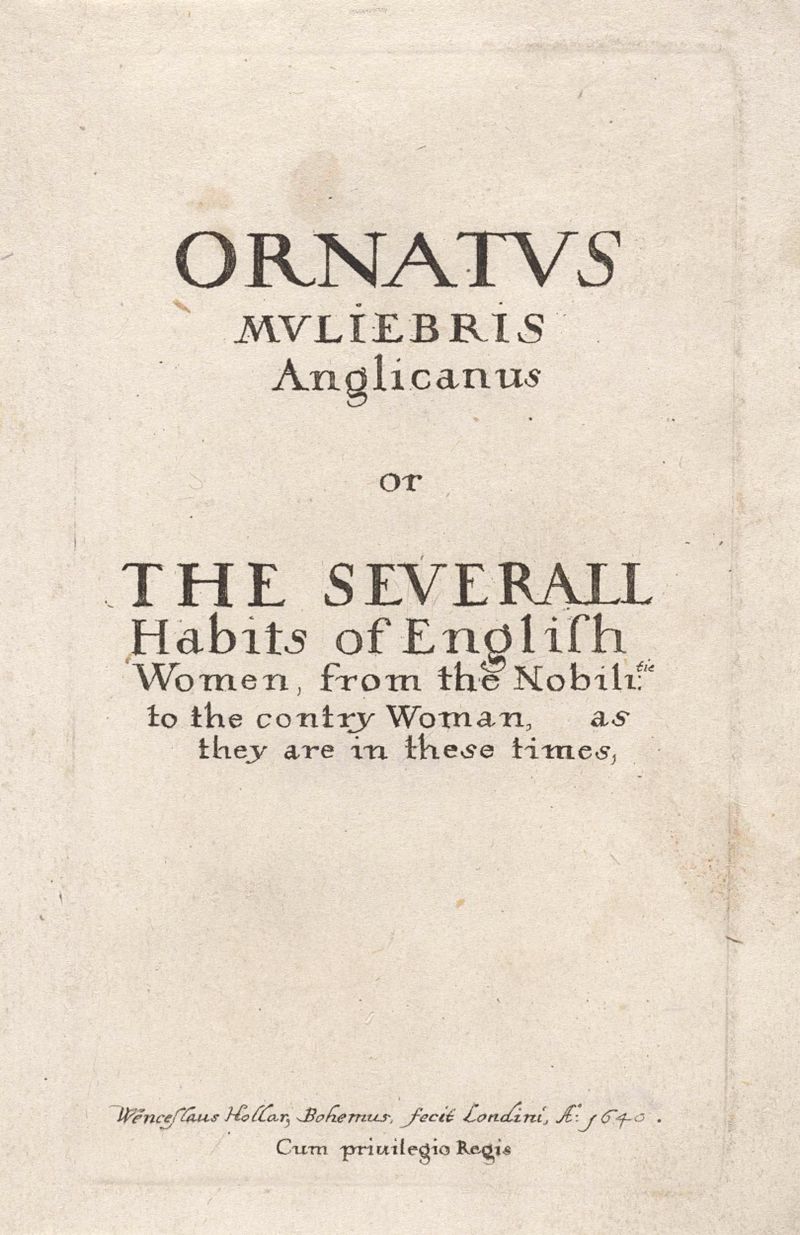
Titelprent voor: Ornatus Muliebris Anglicanus
Wenceslaus Hollar
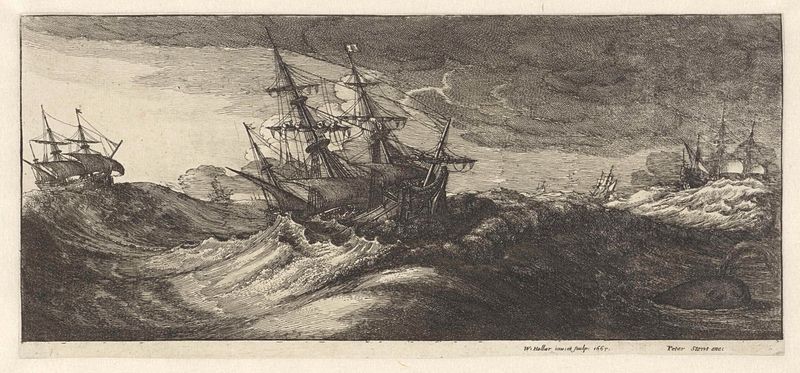
Oorlogsschepen en een walvis in een zeestorm
Wenceslaus Hollar
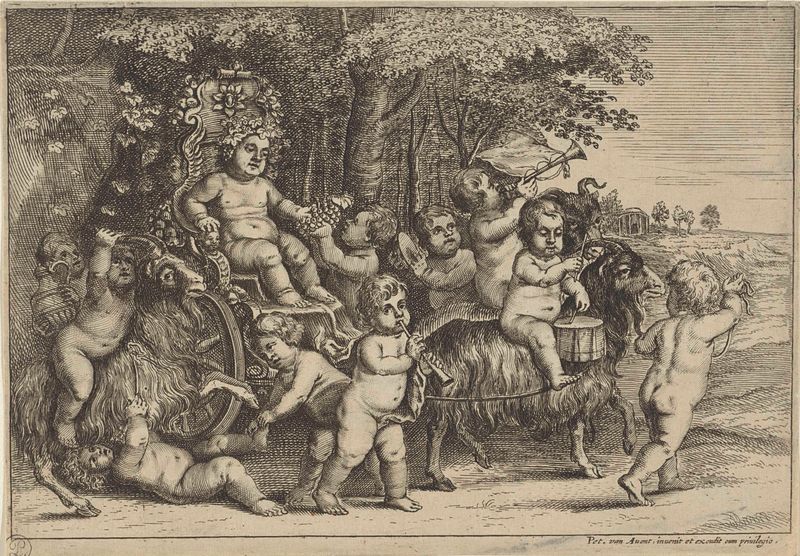
Optocht van bacchant en jongetjes op geiten
Wenceslaus Hollar
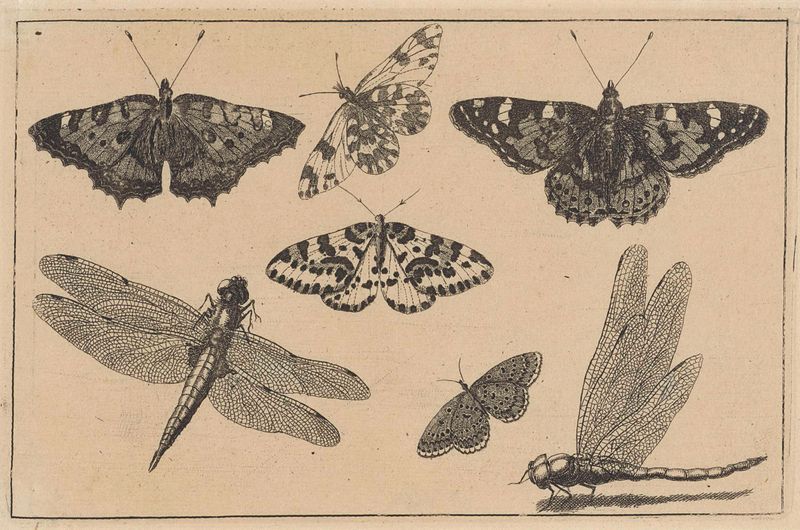
Twee libellen en vijf vlinders
Wenceslaus Hollar
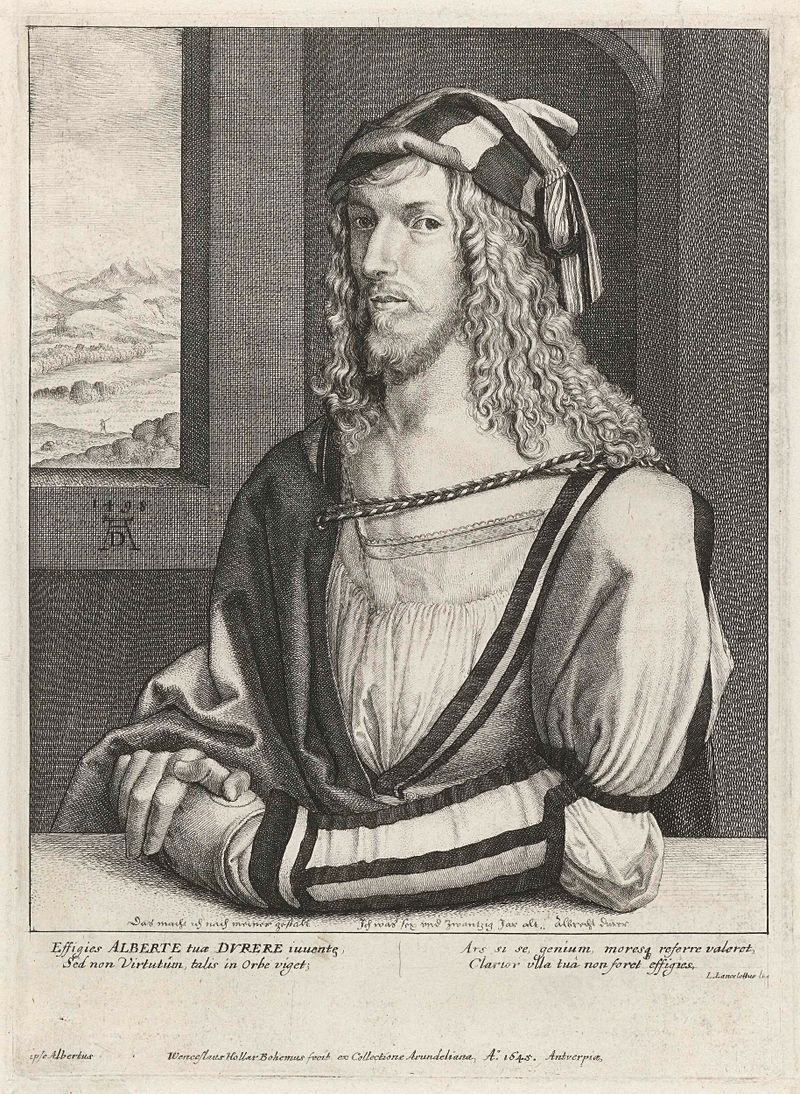
Portret van Albrecht Dürer
Wenceslaus Hollar
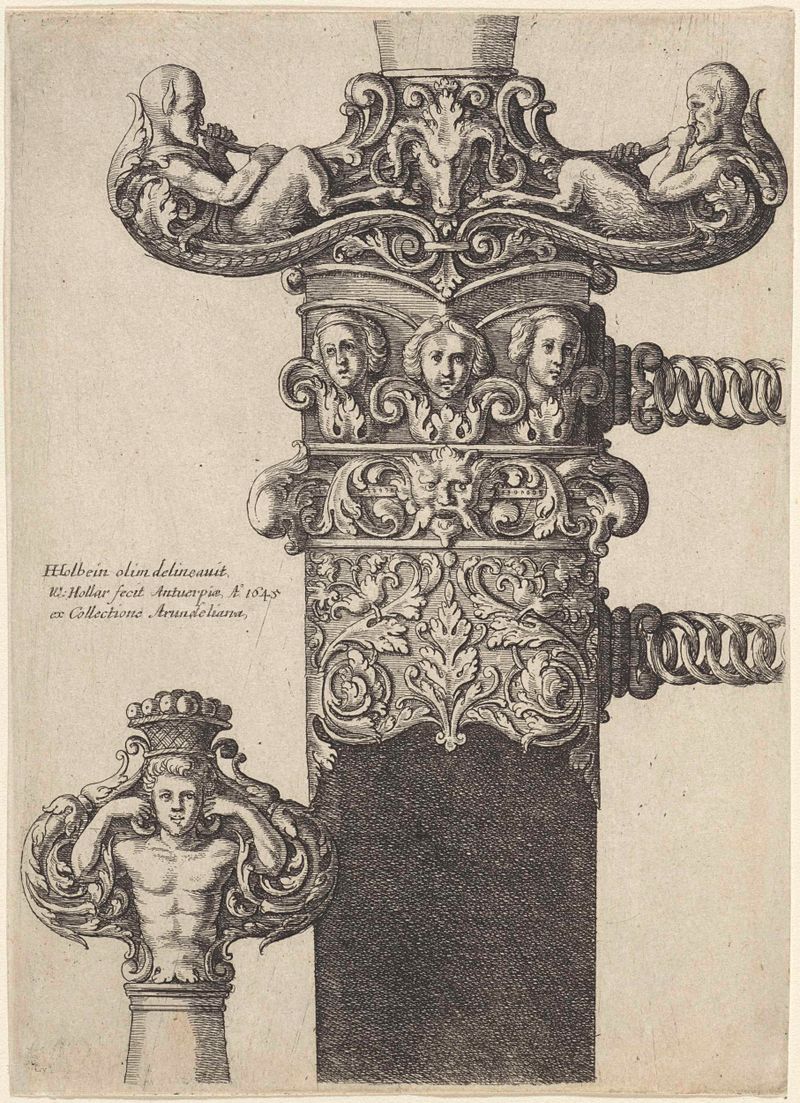
Ornamenteel ontwerp voor een dolk
Wenceslaus Hollar
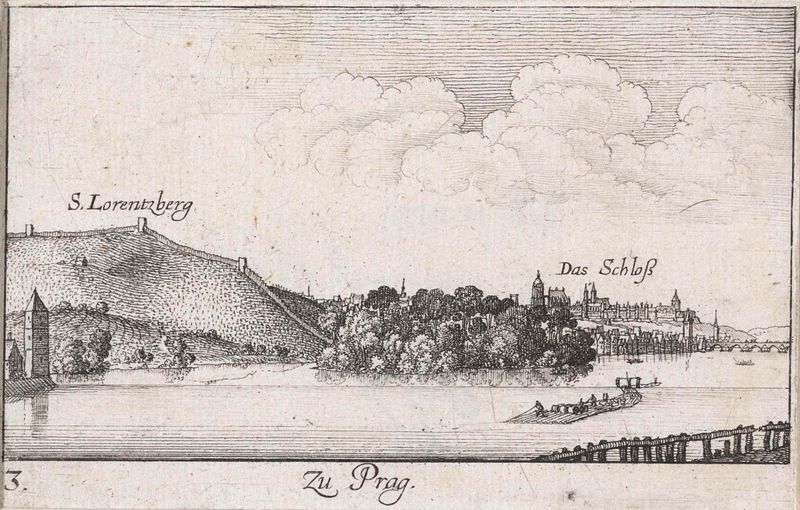
Gezicht op Praag vanaf de Moldau
Wenceslaus Hollar
More Portrait Art
Browse all →
Las meninas
Diego Velázquez

Self-portrait with a Bandaged Ear and Pipe
Unidentified artist

Girl with a Pearl Earring
Johannes Vermeer

The Sampling Officials of the Amsterdam Drapers’ Guild, Known as ‘The Syndics’
Rembrandt van Rijn

The Hundred Guilder Print: the man seen on the back in the lower left corner
Rembrandt van Rijn

Portrait of Dr Gachet
Vincent van Gogh