
Portret van Anna Francisca de Bruyns — History & Facts
Is this a mirror — or a memory? In Portret van Anna Francisca de Bruyns, Wenceslaus Hollar captures a fleeting moment of innocence that invites viewers to ponder the essence of youth and beauty. The delicate features of the subject seem to transcend time, drawing us into a contemplative space where past and present intertwine. Look to the left at the soft curves of her face, illuminated by a gentle light that caresses her skin. Notice the intricate lace collar framing her neck, echoing the harmony between decorum and vulnerability.
Hollar employs a muted palette, rich in warm tones, allowing the subject's serene expression to dominate the composition. The subtle play of shadows enhances the three-dimensionality of her form, enveloping her in an intimate embrace that feels both personal and inviting. In this delicate portrayal, contrasts abound. The softness of her expression juxtaposes the rigidity of her attire, suggesting an inner tension between societal expectations and youthful freedom.
The gentle gaze, slightly downward, seems to hold the weight of unspoken dreams and aspirations, while the ornate surroundings whisper of a well-established lineage. It’s as if she exists in a liminal space, suspended between the innocence of childhood and the responsibilities of adulthood. Wenceslaus Hollar painted this portrait in 1648 during a period marked by his move to England, where he embraced new artistic opportunities amidst the tumult of the Civil War. He was known for his skill in etching and portraiture, and this piece reflects both his technical prowess and the cultural context of the time, where the portrayal of women was closely tied to themes of virtue and familial pride.
More Artworks by Wenceslaus Hollar
Browse all →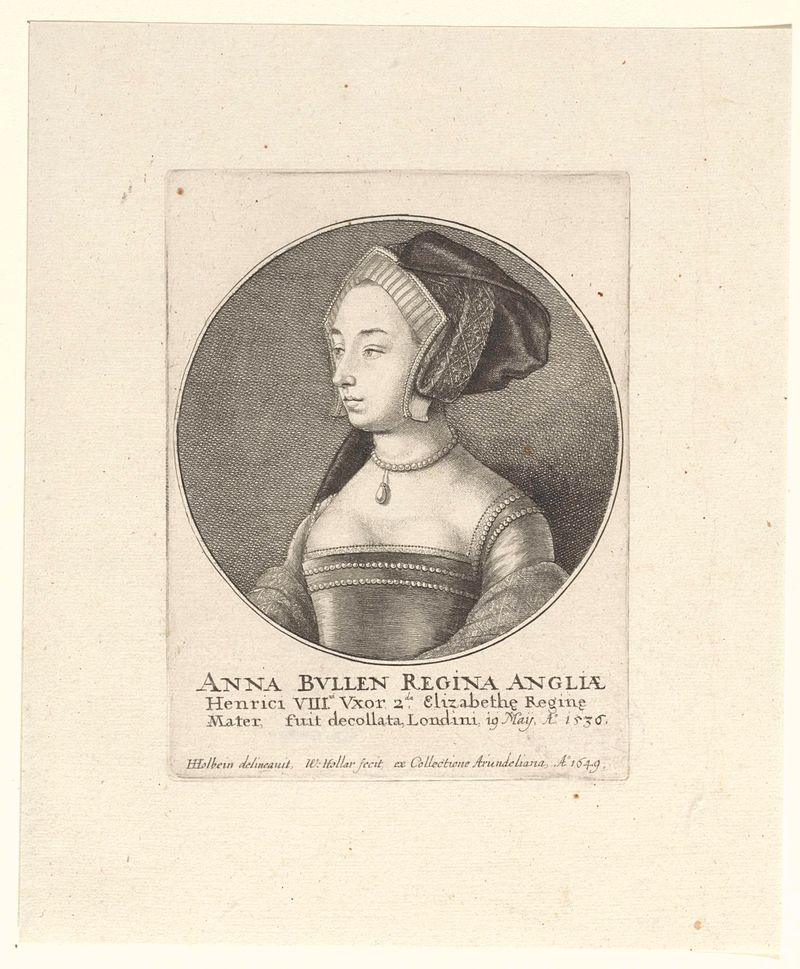
Portret van Anna Boleyn, koningin van Engeland
Wenceslaus Hollar
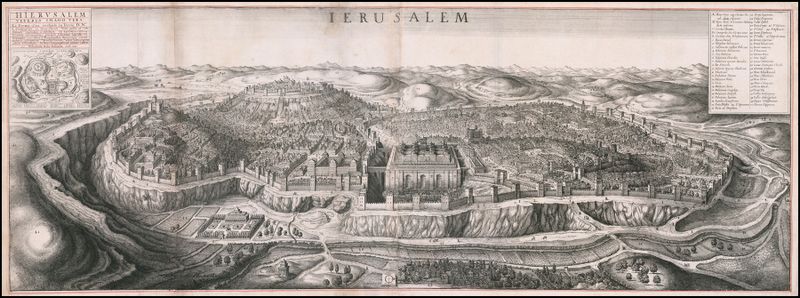
Bird’s eye view of Jerusalem
Wenceslaus Hollar
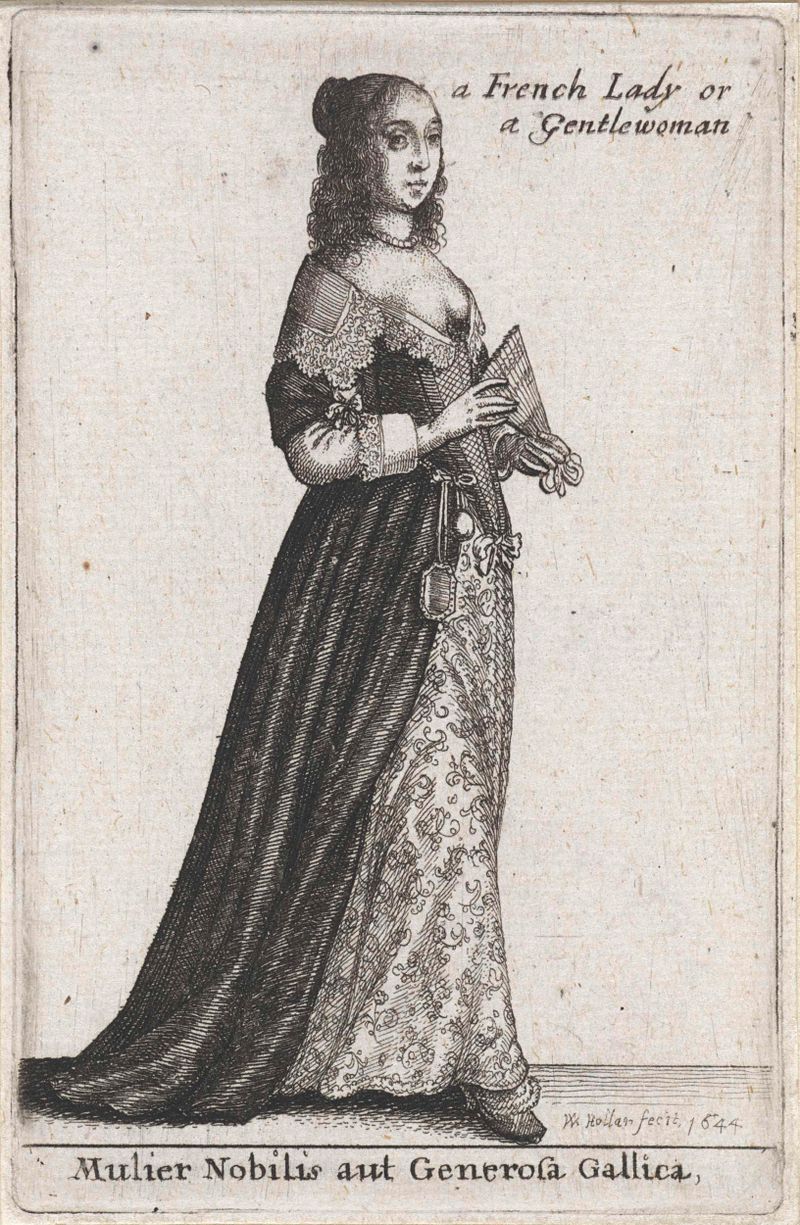
Mulier Nobilis aut Generosa Gallica / a French Lady or Gentlewoman
Wenceslaus Hollar
Titelprent voor: Ornatus Muliebris Anglicanus
Wenceslaus Hollar
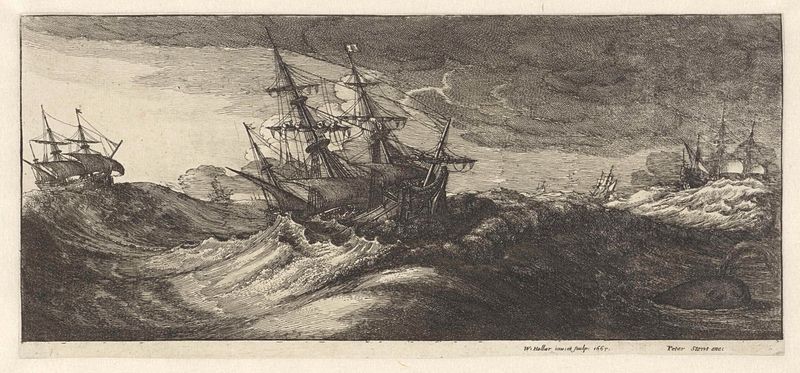
Oorlogsschepen en een walvis in een zeestorm
Wenceslaus Hollar
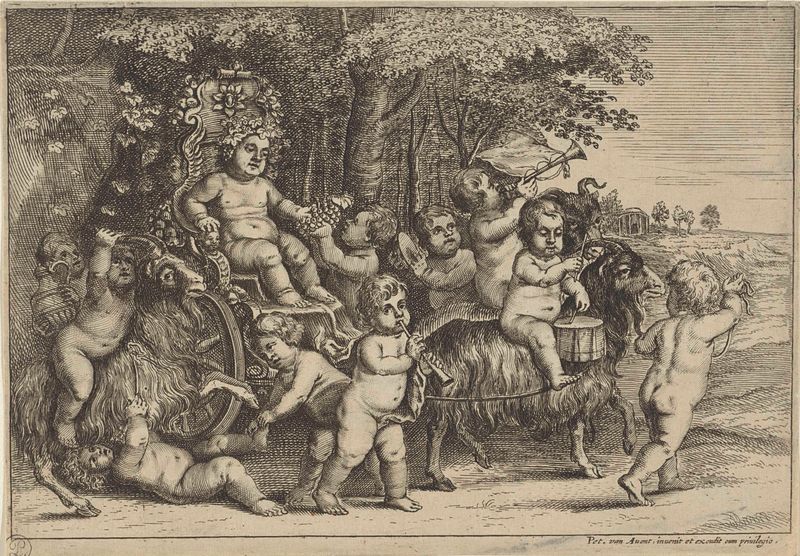
Optocht van bacchant en jongetjes op geiten
Wenceslaus Hollar
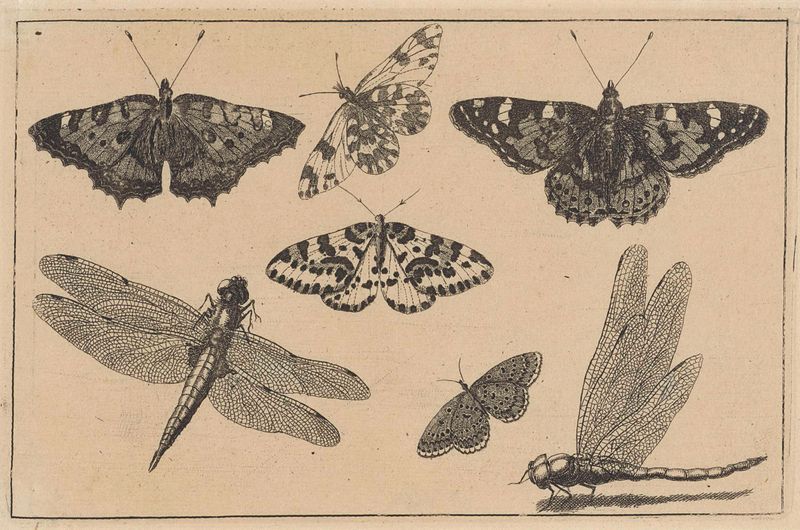
Twee libellen en vijf vlinders
Wenceslaus Hollar
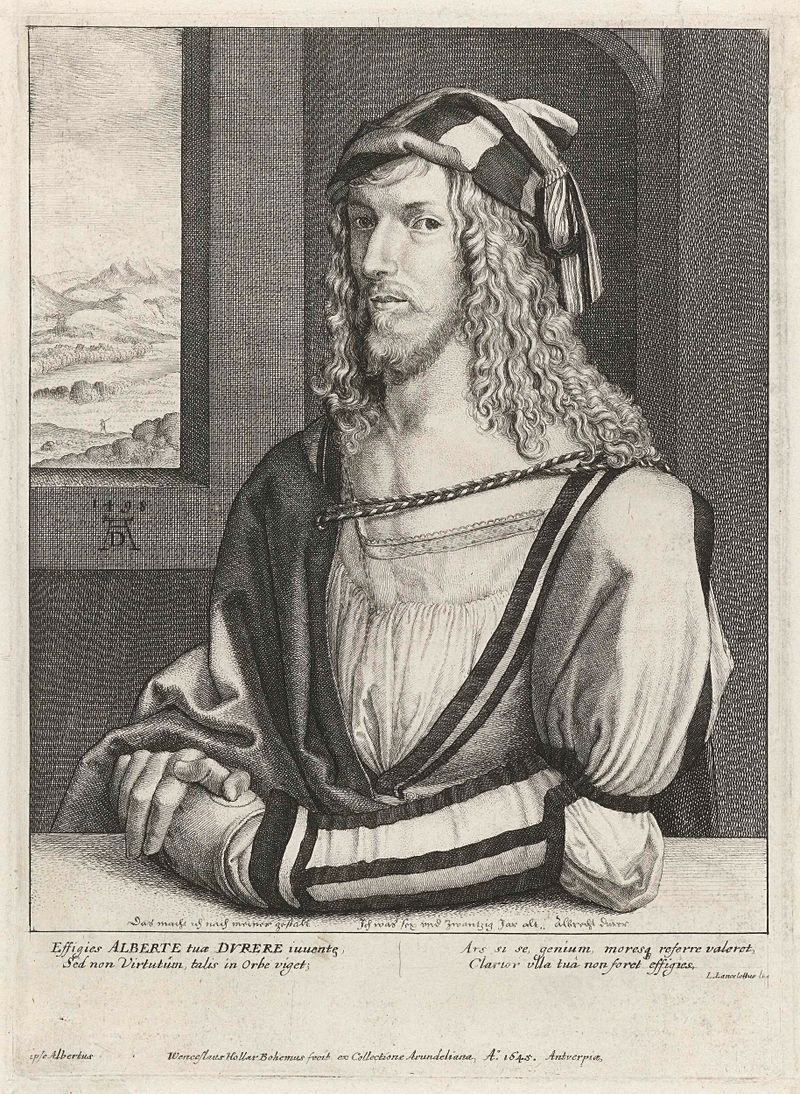
Portret van Albrecht Dürer
Wenceslaus Hollar
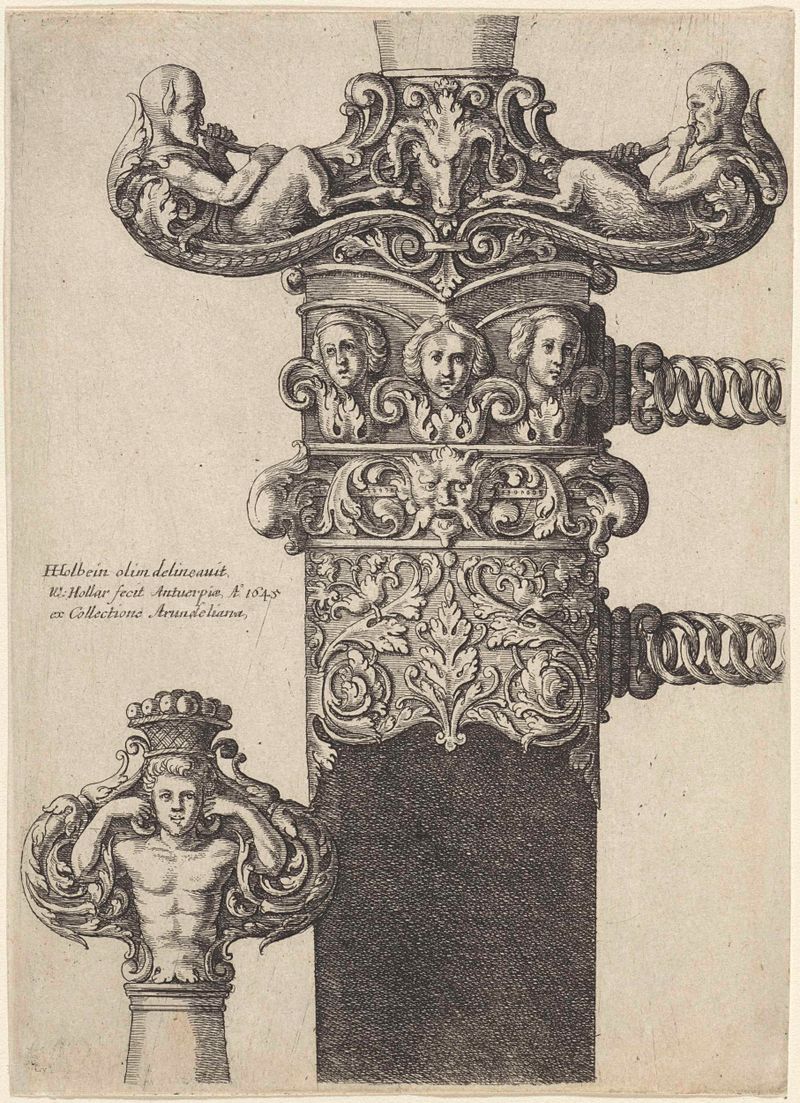
Ornamenteel ontwerp voor een dolk
Wenceslaus Hollar
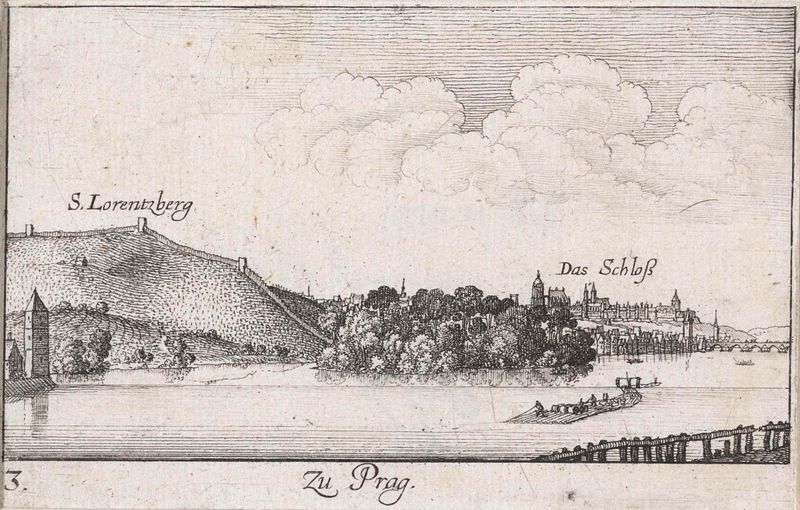
Gezicht op Praag vanaf de Moldau
Wenceslaus Hollar
More Portrait Art
Browse all →
Las meninas
Diego Velázquez

Self-portrait with a Bandaged Ear and Pipe
Unidentified artist

Girl with a Pearl Earring
Johannes Vermeer

The Sampling Officials of the Amsterdam Drapers’ Guild, Known as ‘The Syndics’
Rembrandt van Rijn

The Hundred Guilder Print: the man seen on the back in the lower left corner
Rembrandt van Rijn

Portrait of Dr Gachet
Vincent van Gogh