
Portret van Anthony van Dyck — History & Facts
Can paint confess what words never could? In Portret van Anthony van Dyck, the canvas whispers secrets of ambition and betrayal, encasing the essence of a man who has influenced the very fabric of portraiture. Look to the left at the elegant figure, draped in dark, sumptuous fabrics that seem to absorb the light, contrasting starkly against the soft, almost luminous background. The gentle play of shadows highlights the subject's thoughtful demeanor, while his gaze, directed slightly away, suggests an inner turmoil. The meticulous details, from the delicate lace cuffs to the textured brushstrokes of the hair, reveal a profound reverence for the sitter, yet there lingers an unspoken tension, hinting at deeper narratives beneath the surface. Notice how the interplay of light and shadow not only defines the contours of the face but also symbolizes the duality of admiration and resentment that often accompanies the act of creation.
The choice of colors, muted and rich, evokes a sense of nostalgia but also foreboding, as if the artist captures both the triumphs and the tragedies of a life lived in the public eye. Each stroke is a silent witness to the competing emotions of loyalty and rivalry that can exist within the art world. Wenceslaus Hollar created this portrait in 1644 while residing in England, having fled the Thirty Years' War in his native Bohemia. At this time, portraiture was becoming increasingly significant in both artistic and social spheres, as artists like Van Dyck were elevating the genre to new heights.
Hollar's own career was marked by the challenges of exile, yet he found in this work a way to honor a master while grappling with the complexities of their relationship, embodying the fragility of artistic camaraderie.
More Artworks by Wenceslaus Hollar
Browse all →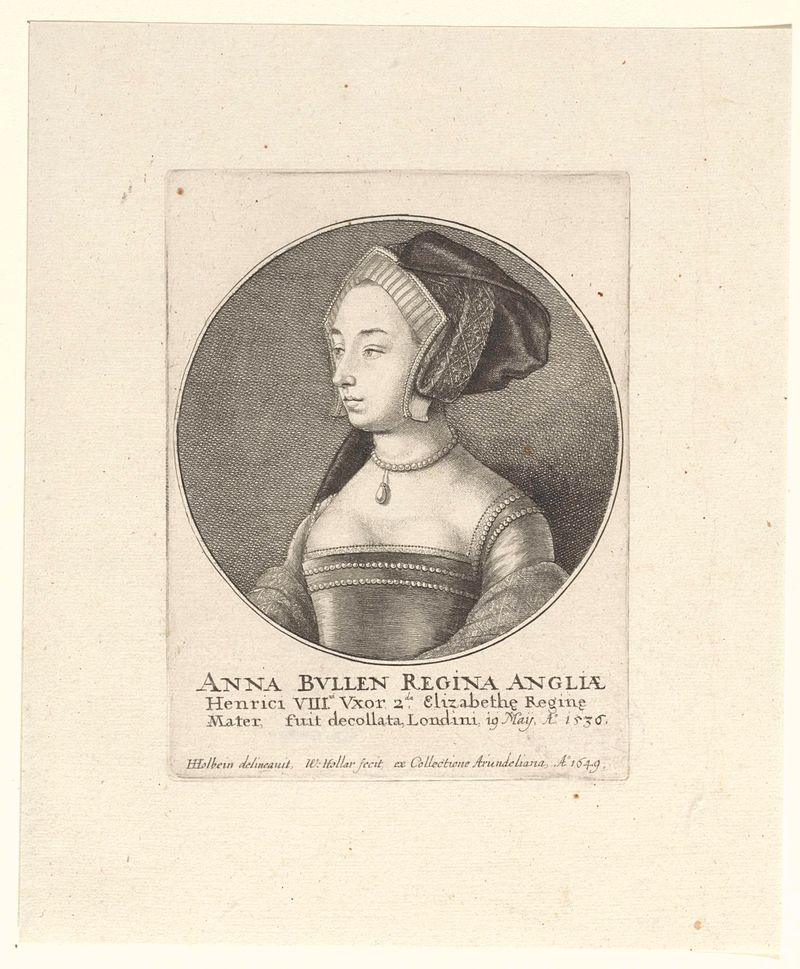
Portret van Anna Boleyn, koningin van Engeland
Wenceslaus Hollar
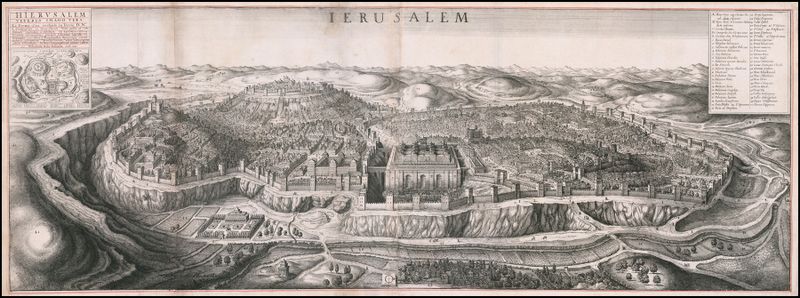
Bird’s eye view of Jerusalem
Wenceslaus Hollar
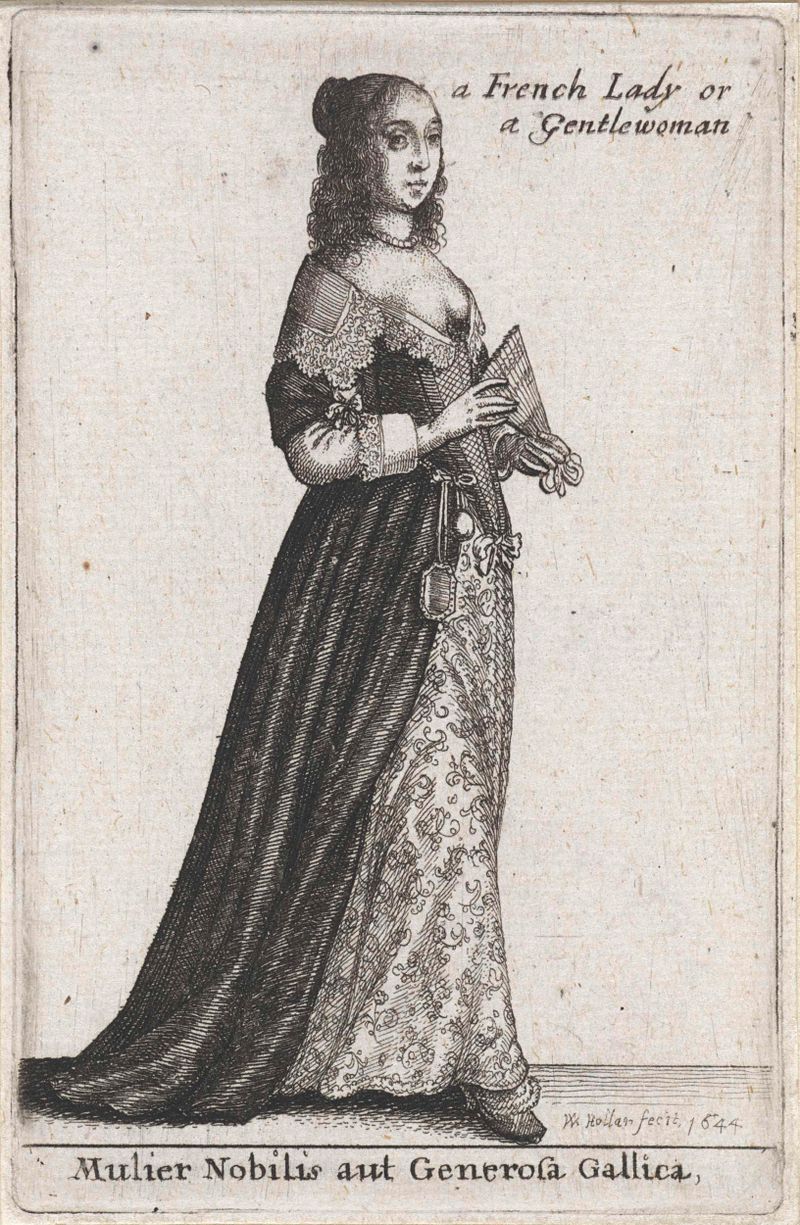
Mulier Nobilis aut Generosa Gallica / a French Lady or Gentlewoman
Wenceslaus Hollar
Titelprent voor: Ornatus Muliebris Anglicanus
Wenceslaus Hollar
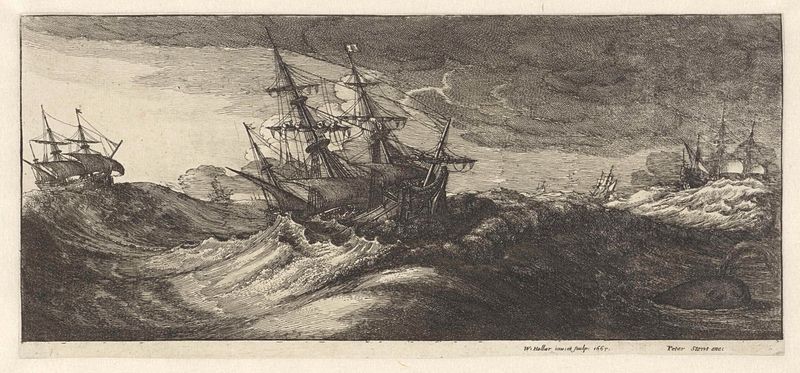
Oorlogsschepen en een walvis in een zeestorm
Wenceslaus Hollar
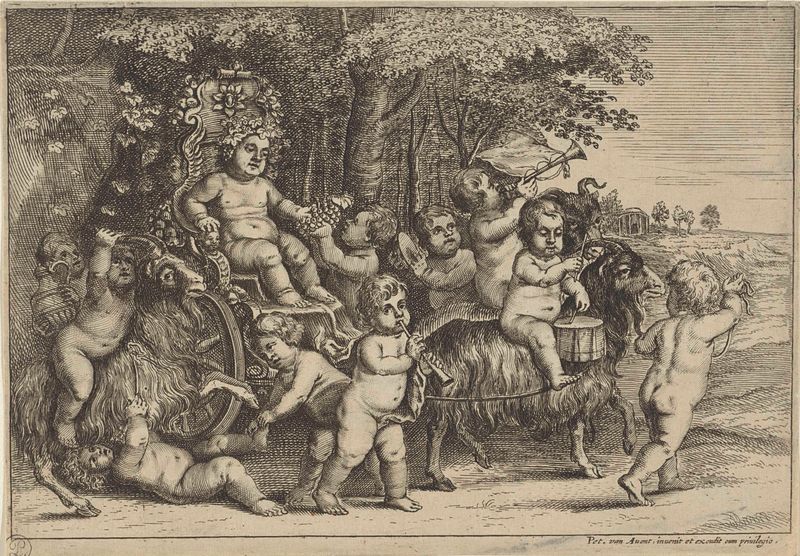
Optocht van bacchant en jongetjes op geiten
Wenceslaus Hollar
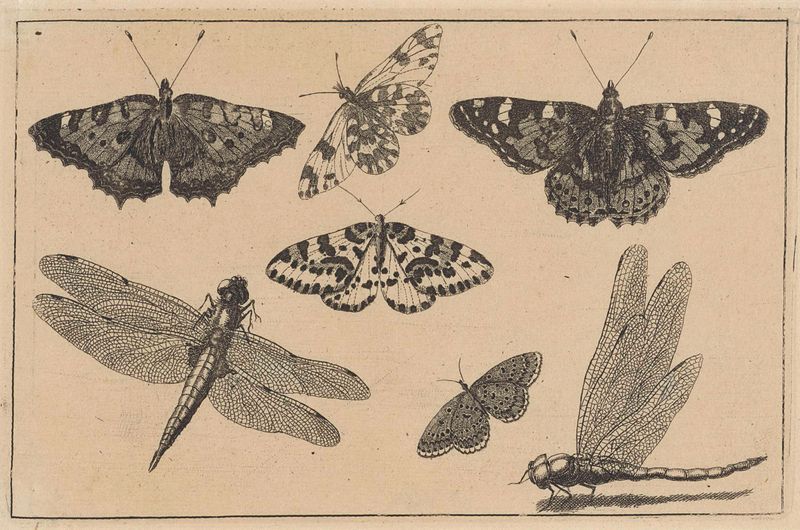
Twee libellen en vijf vlinders
Wenceslaus Hollar
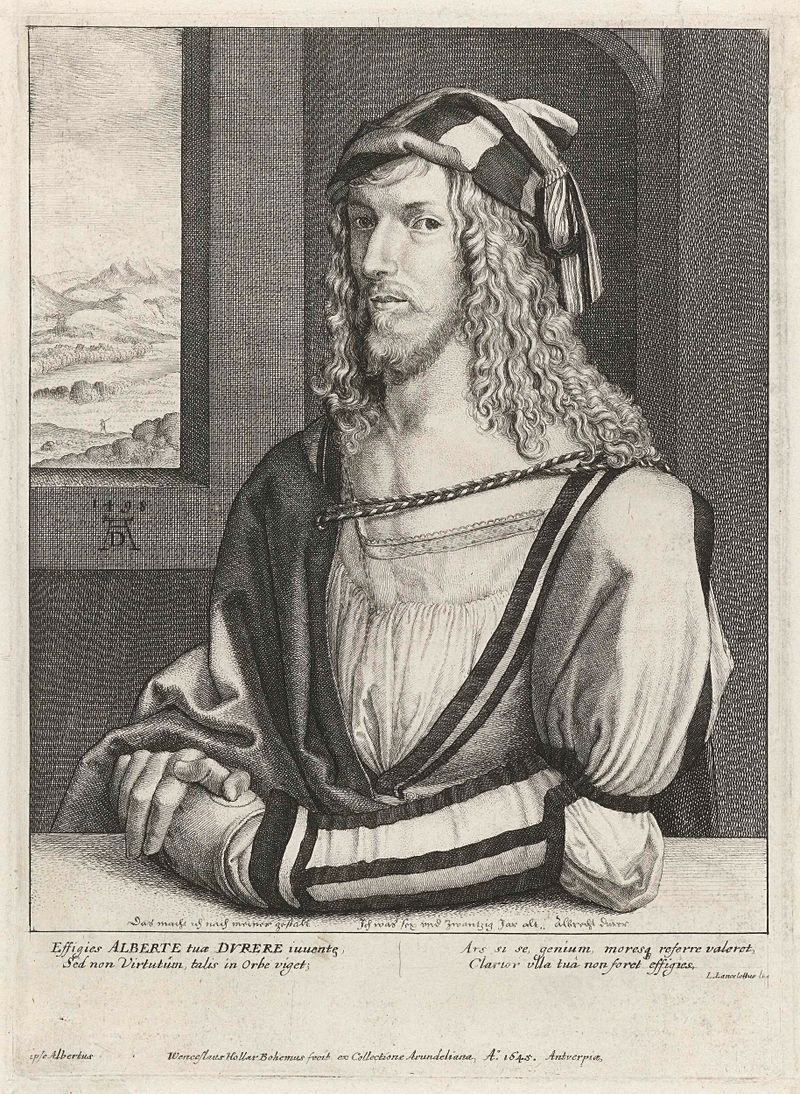
Portret van Albrecht Dürer
Wenceslaus Hollar
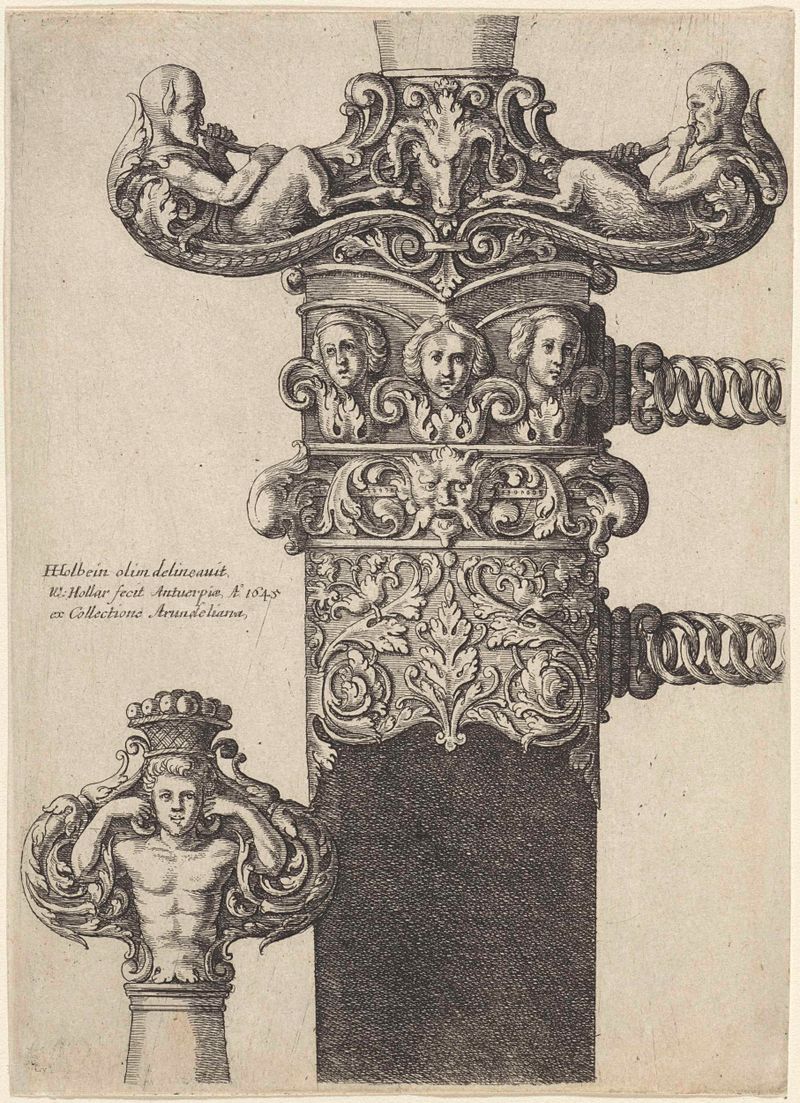
Ornamenteel ontwerp voor een dolk
Wenceslaus Hollar
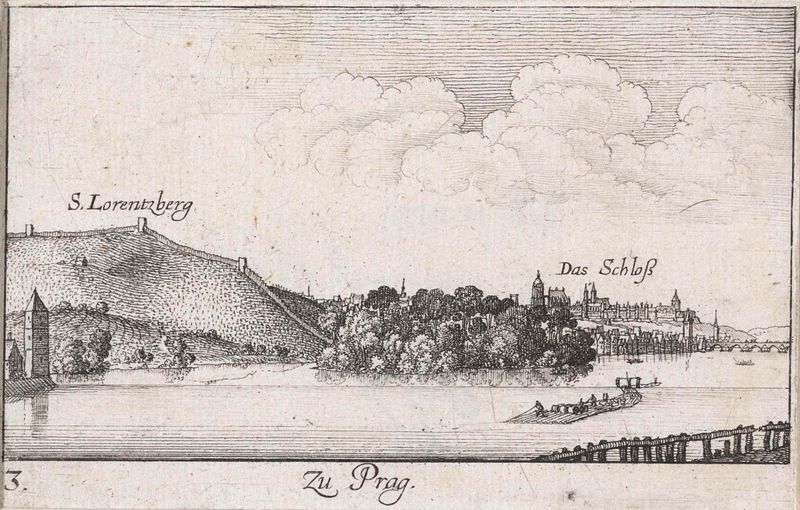
Gezicht op Praag vanaf de Moldau
Wenceslaus Hollar
More Portrait Art
Browse all →
Las meninas
Diego Velázquez

Self-portrait with a Bandaged Ear and Pipe
Unidentified artist

Girl with a Pearl Earring
Johannes Vermeer

The Sampling Officials of the Amsterdam Drapers’ Guild, Known as ‘The Syndics’
Rembrandt van Rijn

The Hundred Guilder Print: the man seen on the back in the lower left corner
Rembrandt van Rijn

Portrait of Dr Gachet
Vincent van Gogh