
Portret van Bindo Altoviti — History & Facts
Is this a mirror — or a memory? The reflective nature of identity and existence dances within the subtle contours of a face that seems both alive and ethereal, inviting you into a world where ecstasy and introspection coexist. Look to the left at the finely rendered features of the subject, Bindo Altoviti, whose gaze holds a gentle yet piercing quality. The meticulous detailing of his clothing contrasts with the soft, muted hues of the background, drawing your attention to the richness of his history. Notice how light caresses the edges of his face, sculpting a sense of volume and depth that brings forth an almost tangible presence.
The choice of a dark palette serves to heighten the emotional intensity of the portrait, where the interplay of shadow and light whispers secrets of longing and contemplation. Delving deeper, one can sense the tension between the known and the unknown, as Altoviti's expression embodies both serenity and an undercurrent of yearning. The way his eyes catch the light suggests an awareness of greater truths, perhaps of lost opportunities or dreams yet fulfilled. The choice of a contemplative pose captures the delicate balance between self-assurance and vulnerability, evoking a profound empathy that resonates with our own existential queries. Created between 1649 and 1651, during a time when Wenceslaus Hollar was establishing himself in the Dutch art scene, Portret van Bindo Altoviti reflects a moment of personal and artistic evolution.
Hollar was navigating the complexities of exile and ambition, having fled the Thirty Years' War. In this context, the portrait emerges not just as a depiction of an individual, but as a manifestation of the artist's journey through identity, loss, and the human experience, encapsulated in one striking image.
More Artworks by Wenceslaus Hollar
Browse all →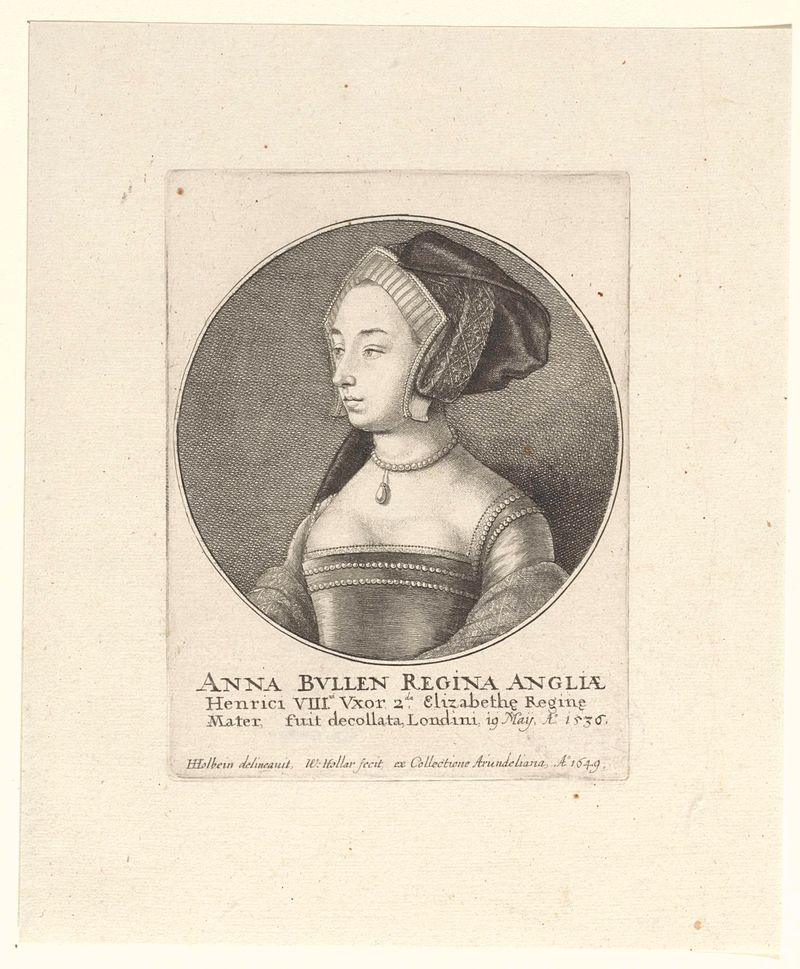
Portret van Anna Boleyn, koningin van Engeland
Wenceslaus Hollar
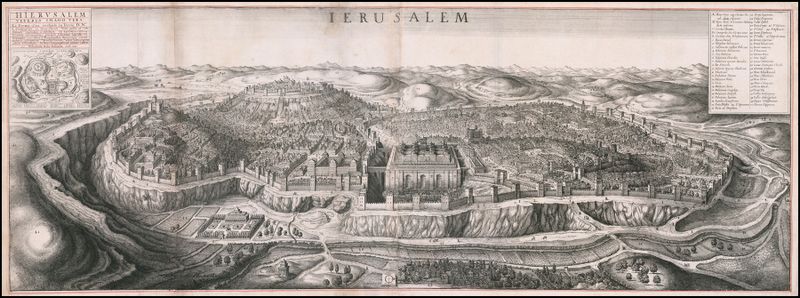
Bird’s eye view of Jerusalem
Wenceslaus Hollar
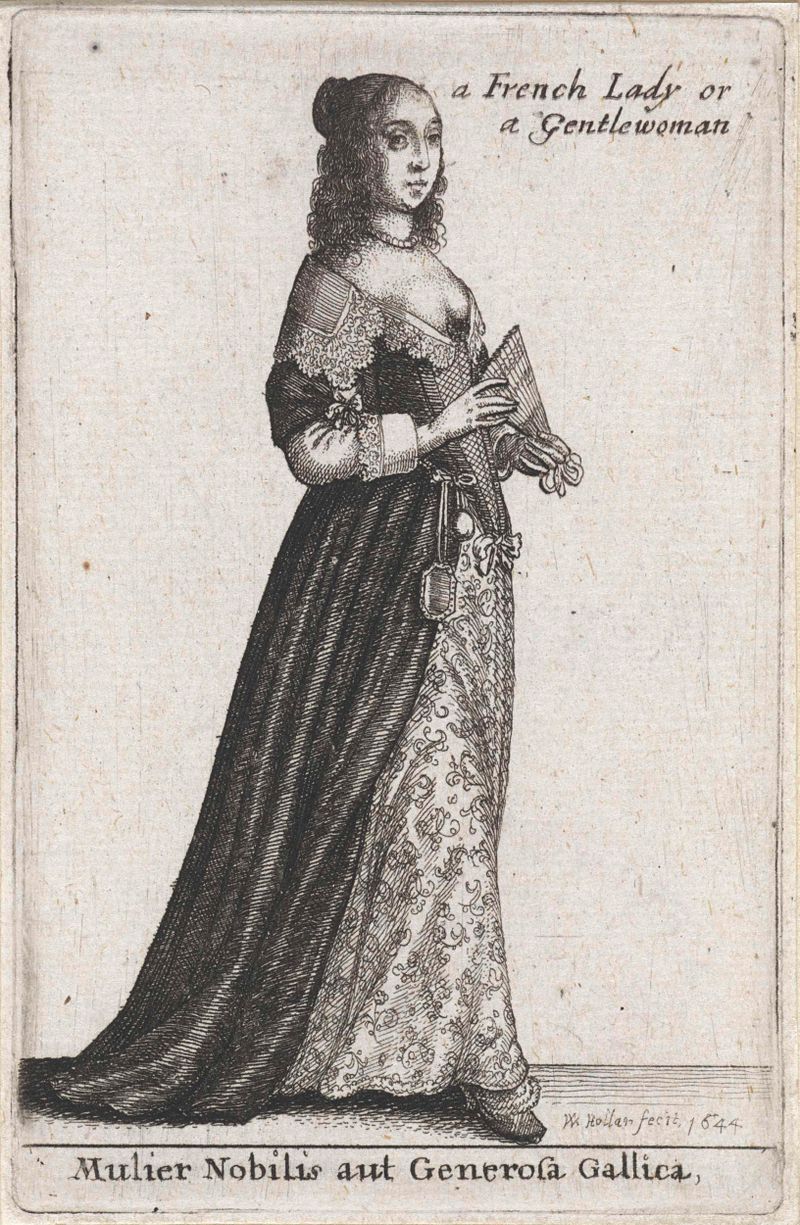
Mulier Nobilis aut Generosa Gallica / a French Lady or Gentlewoman
Wenceslaus Hollar
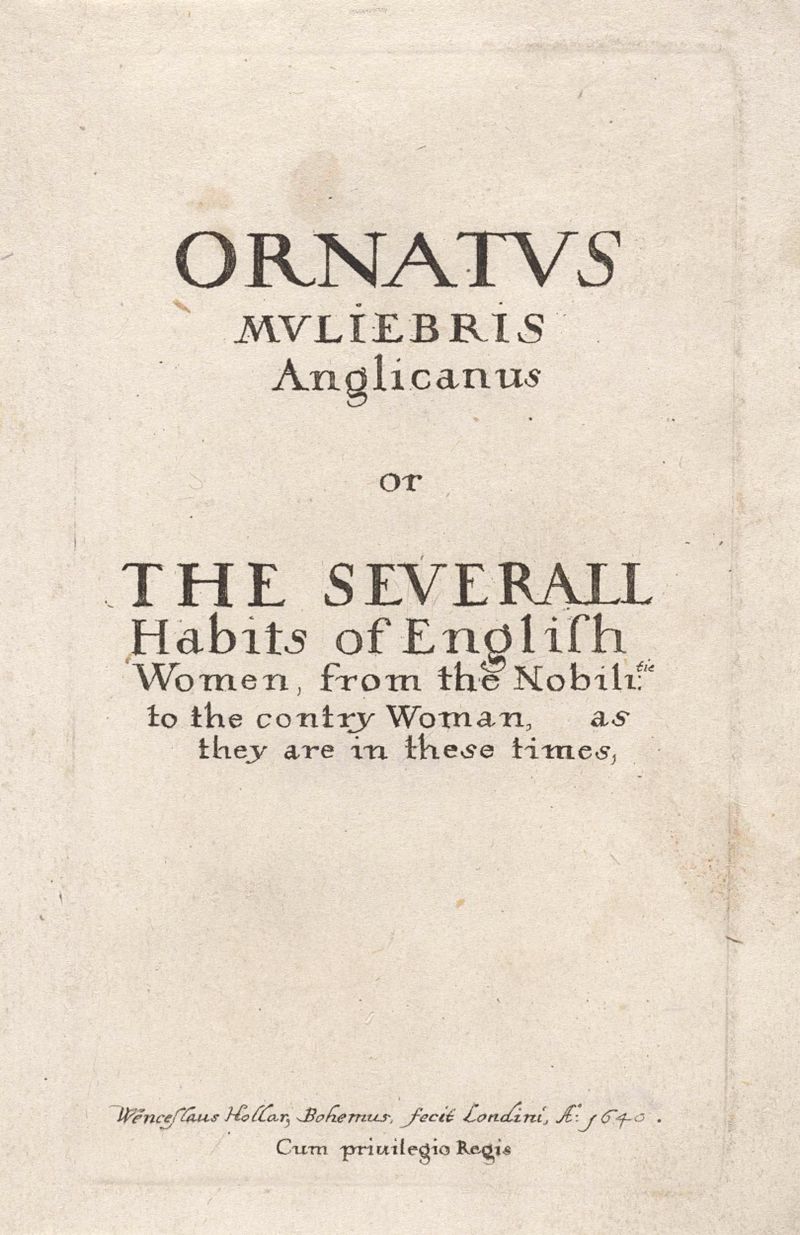
Titelprent voor: Ornatus Muliebris Anglicanus
Wenceslaus Hollar
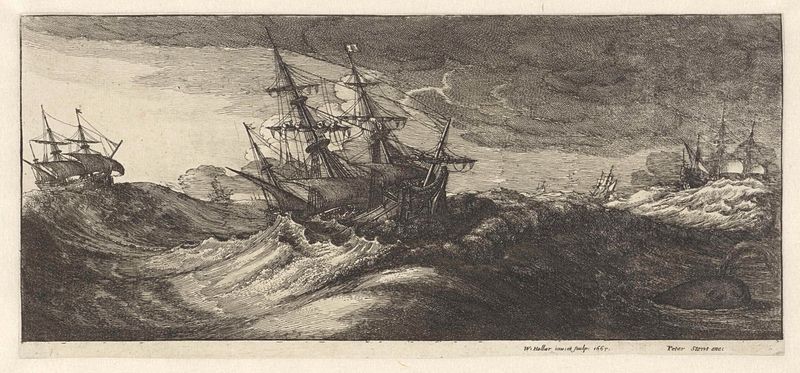
Oorlogsschepen en een walvis in een zeestorm
Wenceslaus Hollar
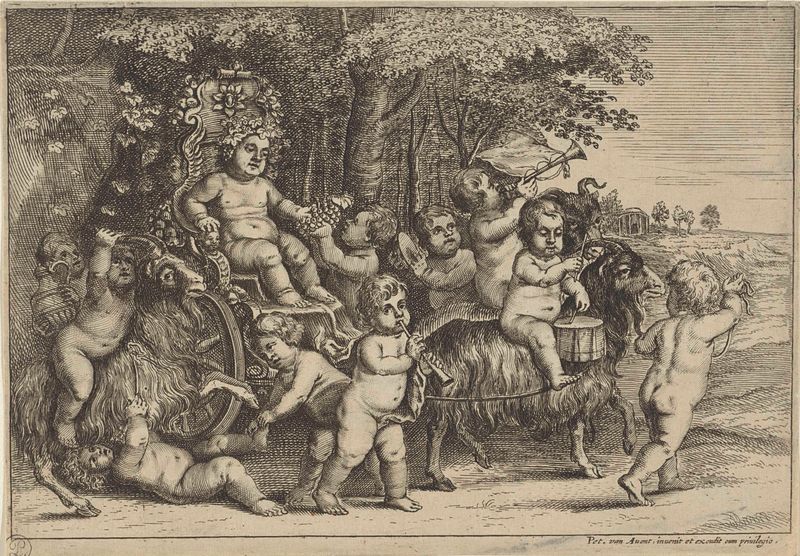
Optocht van bacchant en jongetjes op geiten
Wenceslaus Hollar
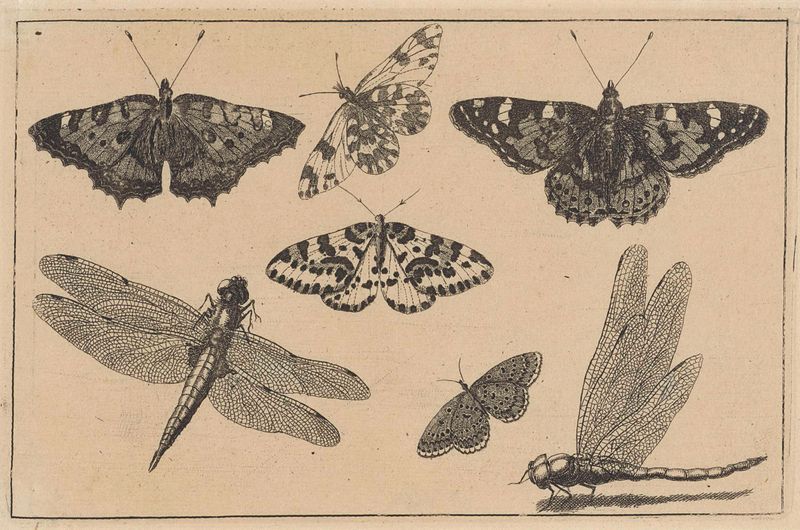
Twee libellen en vijf vlinders
Wenceslaus Hollar
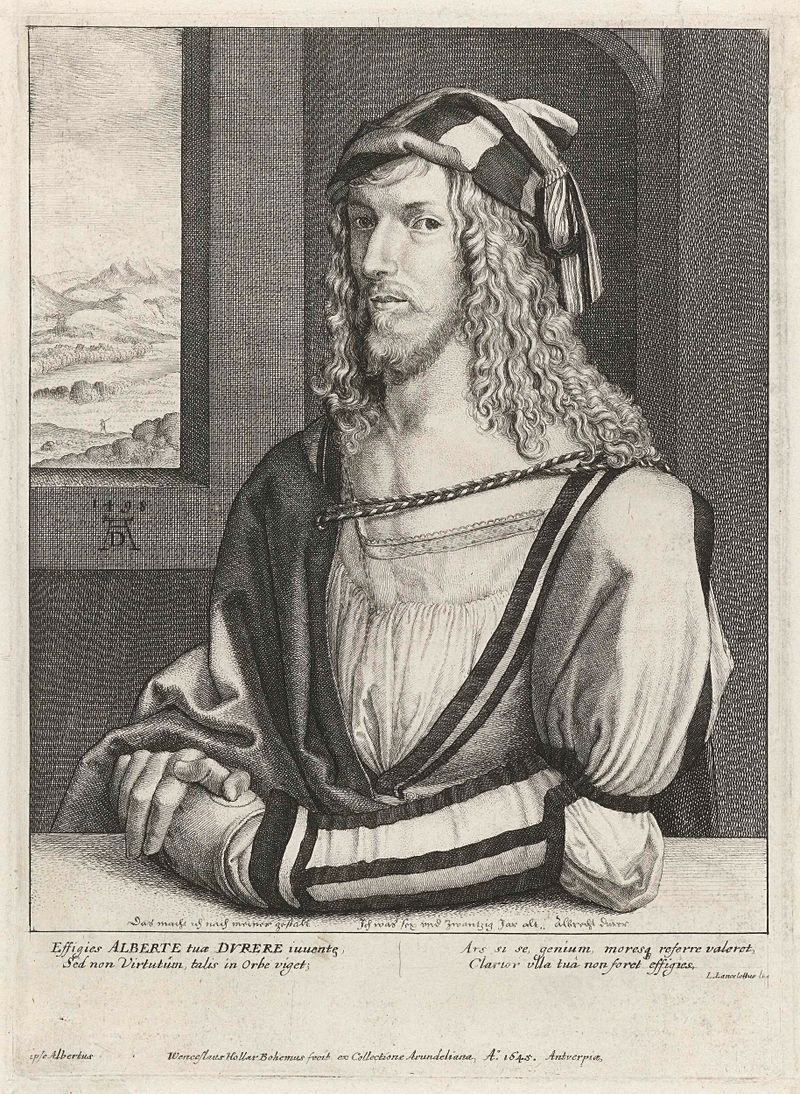
Portret van Albrecht Dürer
Wenceslaus Hollar
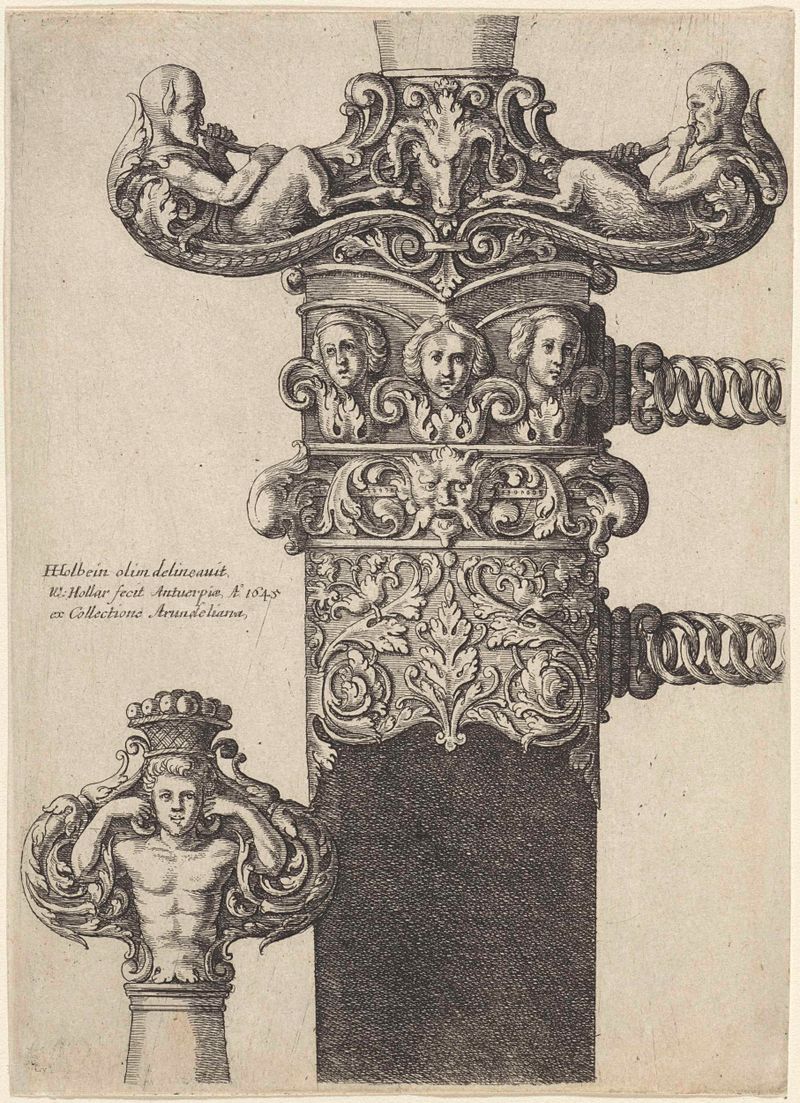
Ornamenteel ontwerp voor een dolk
Wenceslaus Hollar
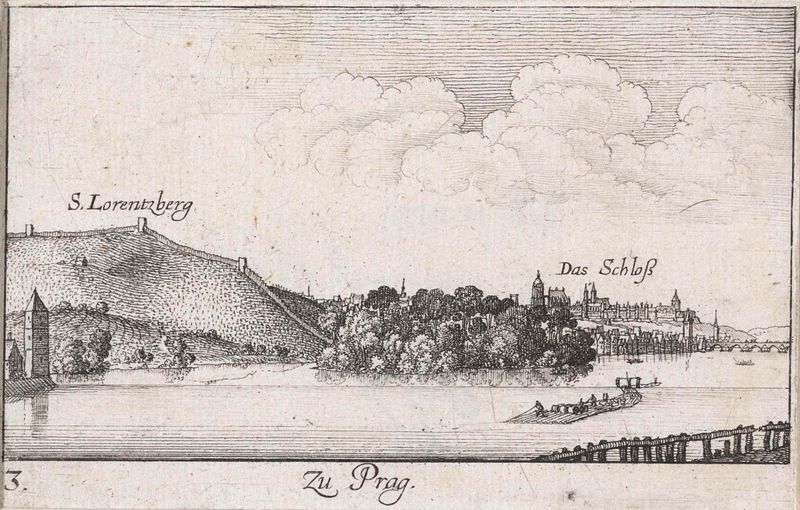
Gezicht op Praag vanaf de Moldau
Wenceslaus Hollar
More Portrait Art
Browse all →
Las meninas
Diego Velázquez

Self-portrait with a Bandaged Ear and Pipe
Unidentified artist

Girl with a Pearl Earring
Johannes Vermeer

The Sampling Officials of the Amsterdam Drapers’ Guild, Known as ‘The Syndics’
Rembrandt van Rijn

The Hundred Guilder Print: the man seen on the back in the lower left corner
Rembrandt van Rijn

Portrait of Dr Gachet
Vincent van Gogh