
Portret van Buonamico Buffalmacco — History & Facts
Who listens when art speaks of silence? In Wenceslaus Hollar's Portret van Buonamico Buffalmacco, the stillness carries profound weight, inviting us to contemplate the fragility of identity and existence. Focus first on the figure at the center, where Buffalmacco’s gaze meets the viewer with an expression steeped in thoughtfulness. The artist employs a muted palette, using earth tones that evoke a sense of warmth yet restraint. Notice how the delicate linework outlines the contours of his face, capturing the subtle play of light across his features, while the background remains subdued, allowing the subject to command attention without distraction. Delve deeper into the intricate details: the slight furrow in Buffalmacco's brow hints at the burdens he bears, while the gentle curve of his lips suggests a quiet resilience.
There’s a juxtaposition in the way Hollar captures the artist’s humility against the backdrop of societal fame and recognition. The fragility of Buffalmacco’s demeanor resonates, reflecting the vulnerability of all who create, revealing that greatness often exists alongside uncertainty. Hollar created this portrait between 1649 and 1651, during his stay in England, a period marked by personal trials and artistic exploration. The mid-17th century was a time when the art world was transitioning; the Baroque influence was waning, and new styles were emerging.
In this context, Hollar captures not just his subject but also the zeitgeist of an evolving era, where both artist and artwork were grappling with their place in history.
More Artworks by Wenceslaus Hollar
Browse all →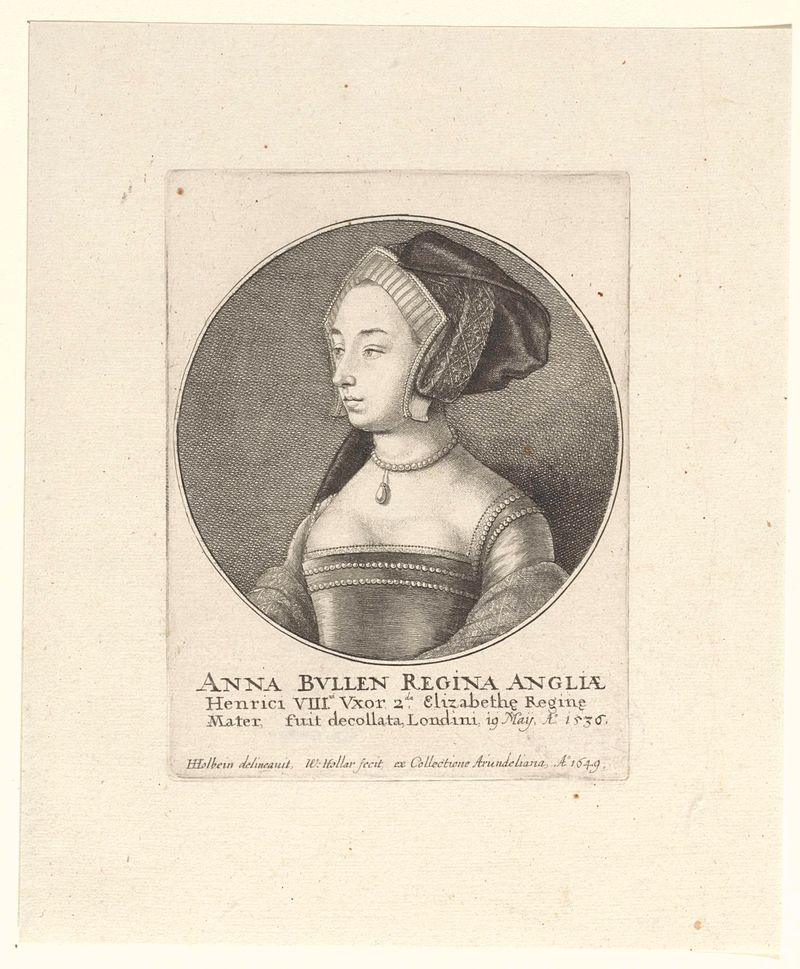
Portret van Anna Boleyn, koningin van Engeland
Wenceslaus Hollar
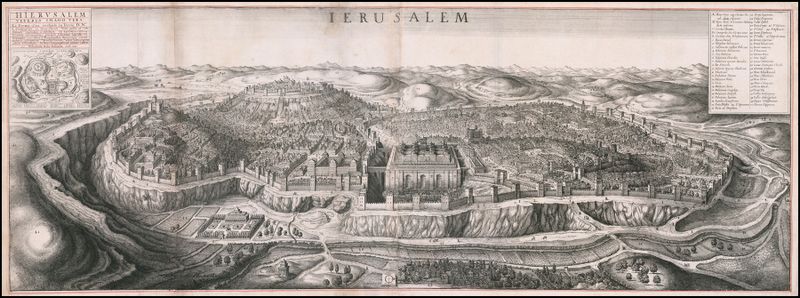
Bird’s eye view of Jerusalem
Wenceslaus Hollar
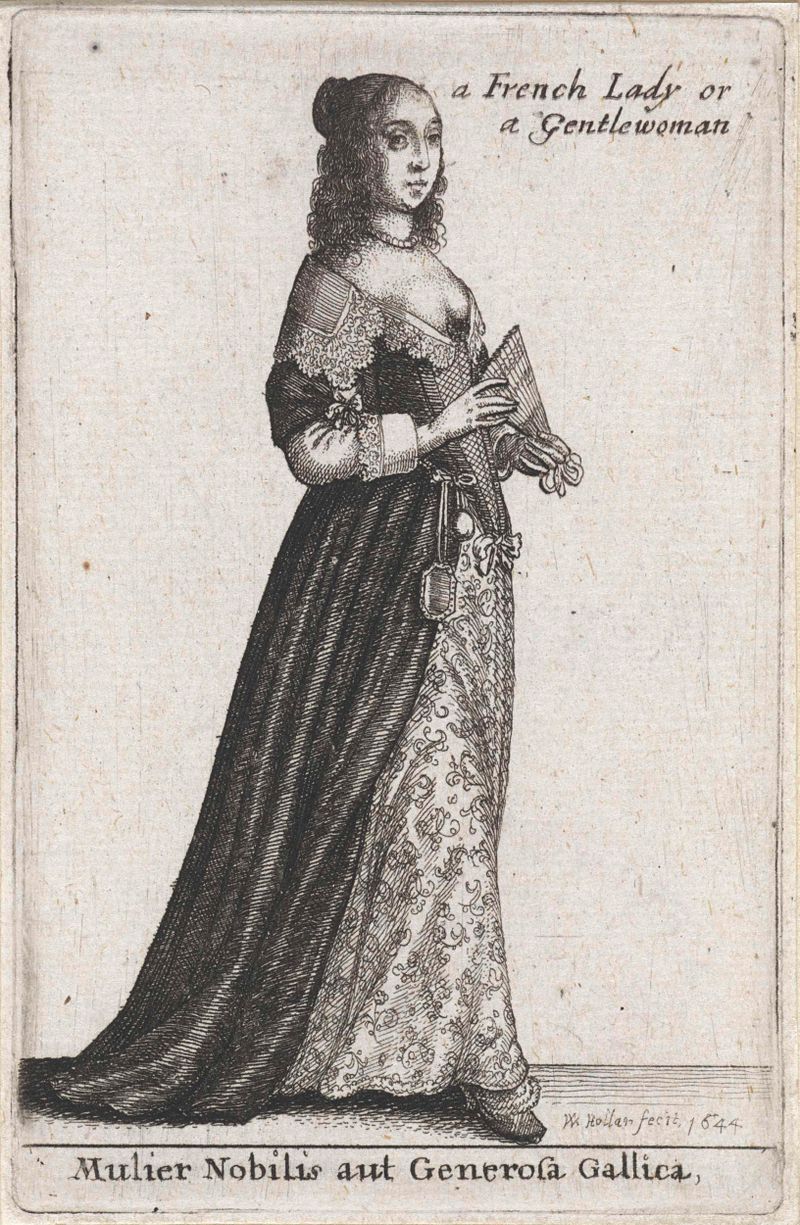
Mulier Nobilis aut Generosa Gallica / a French Lady or Gentlewoman
Wenceslaus Hollar
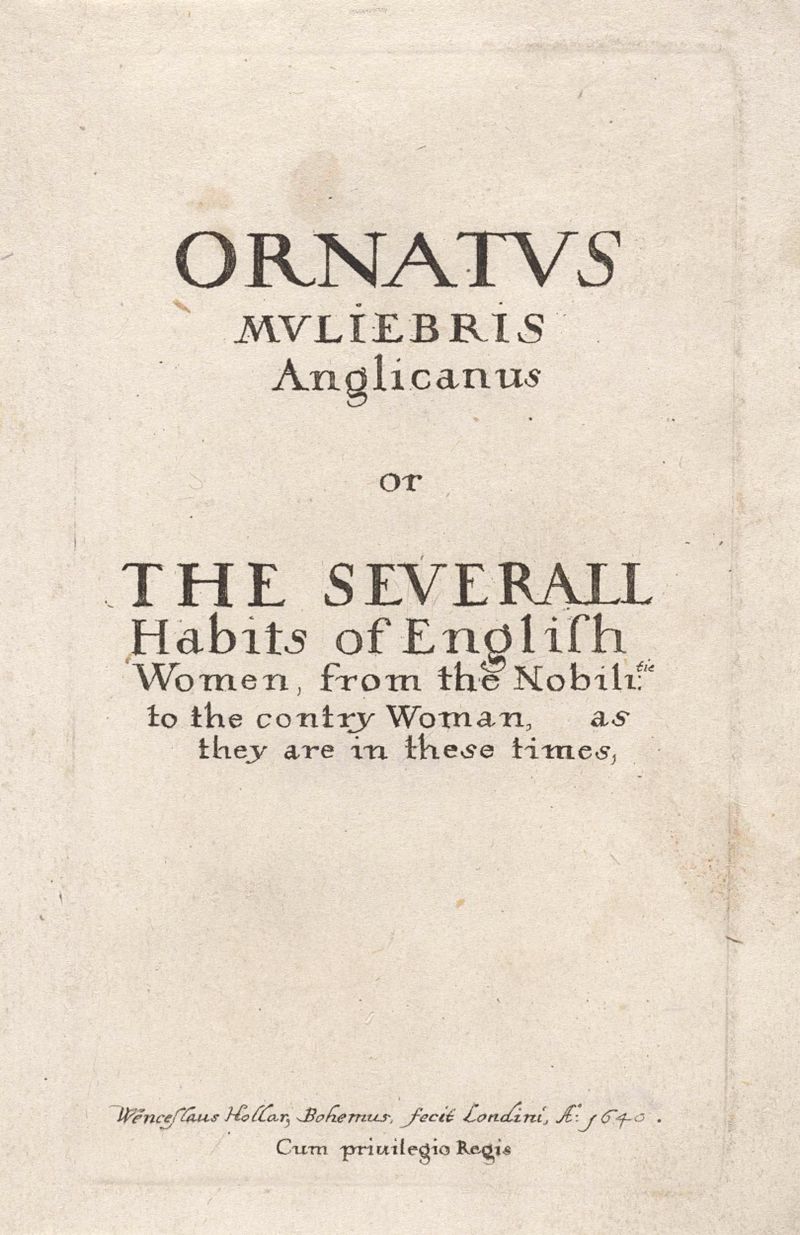
Titelprent voor: Ornatus Muliebris Anglicanus
Wenceslaus Hollar
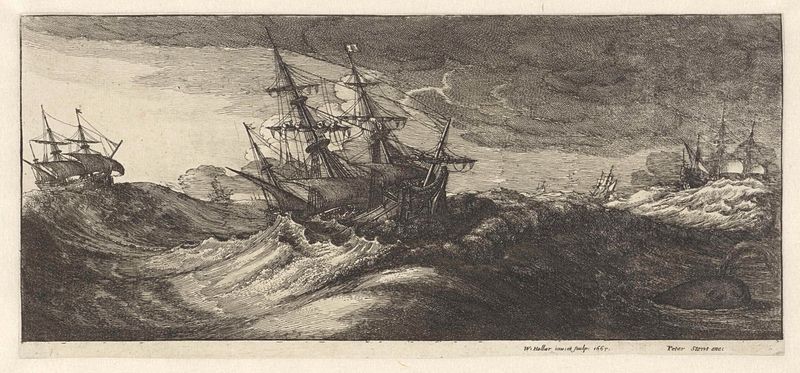
Oorlogsschepen en een walvis in een zeestorm
Wenceslaus Hollar
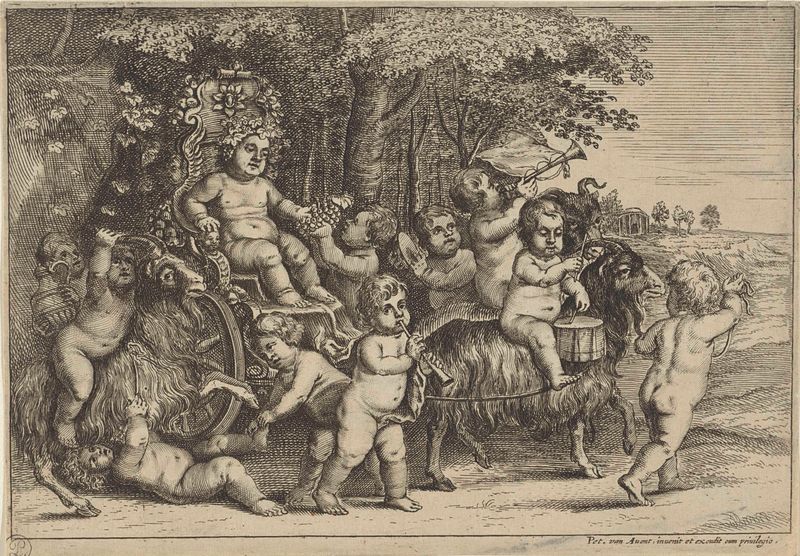
Optocht van bacchant en jongetjes op geiten
Wenceslaus Hollar
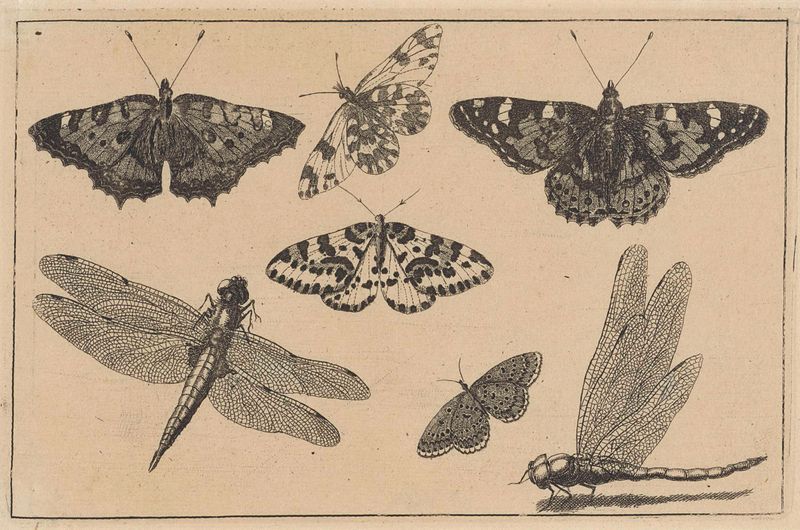
Twee libellen en vijf vlinders
Wenceslaus Hollar
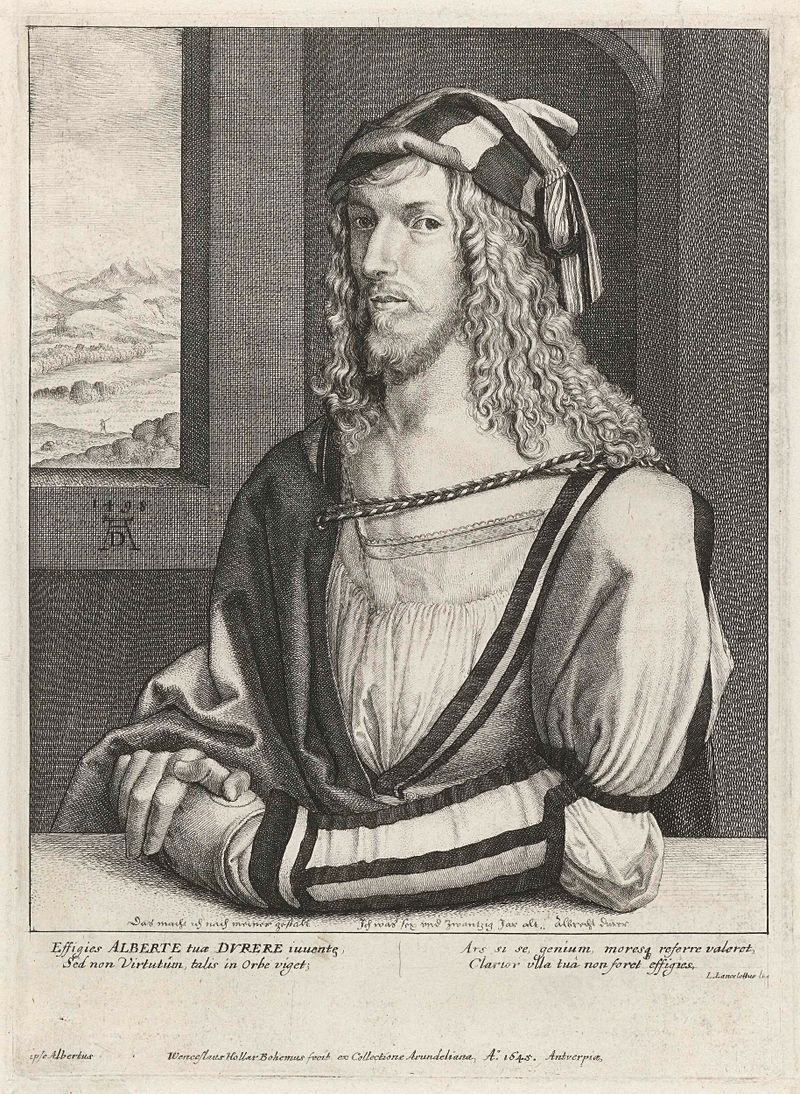
Portret van Albrecht Dürer
Wenceslaus Hollar
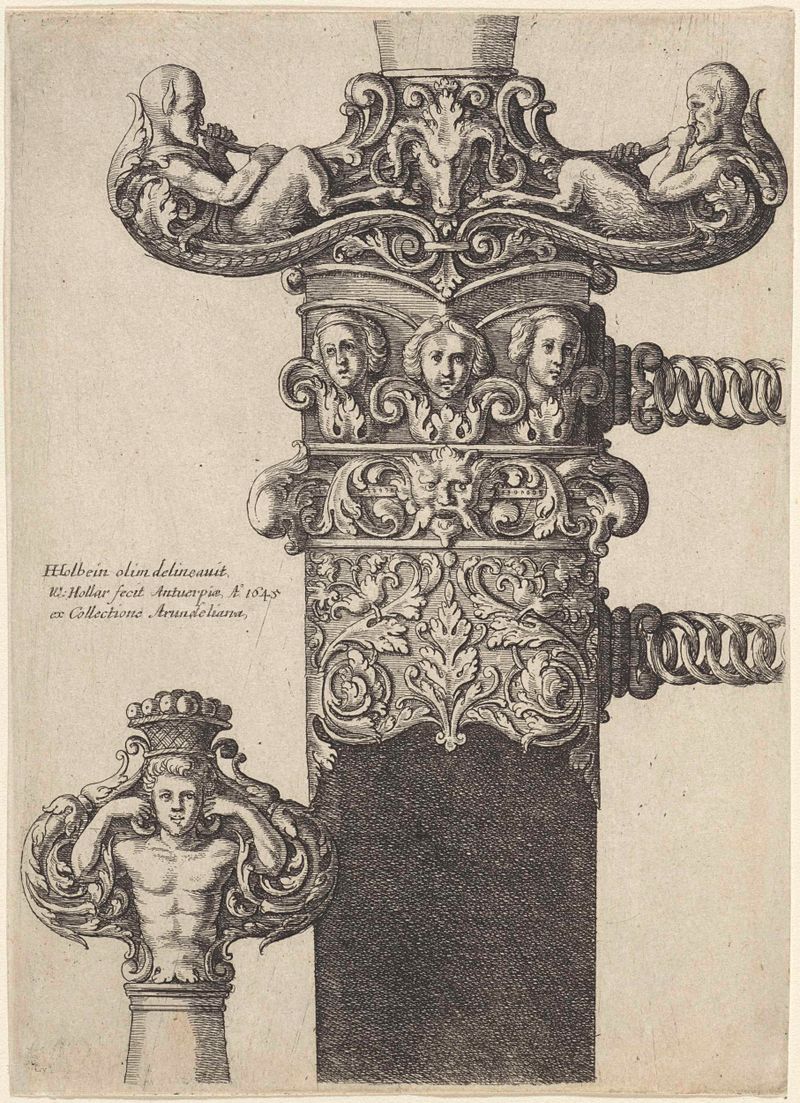
Ornamenteel ontwerp voor een dolk
Wenceslaus Hollar
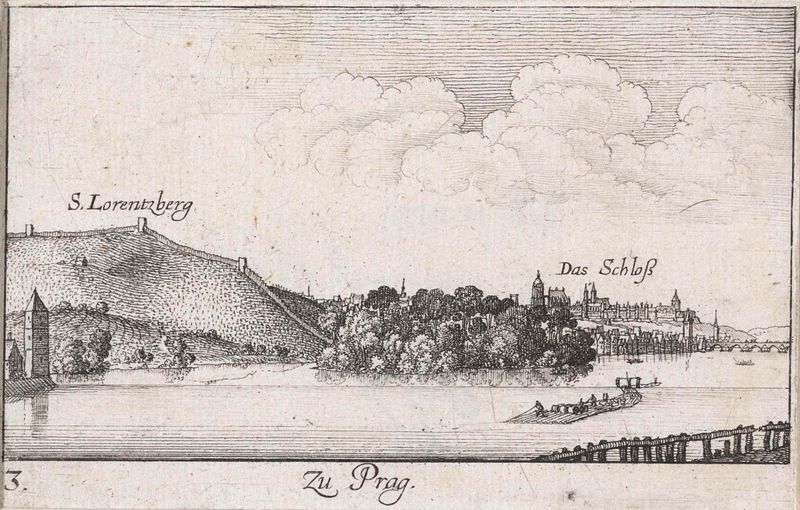
Gezicht op Praag vanaf de Moldau
Wenceslaus Hollar
More Portrait Art
Browse all →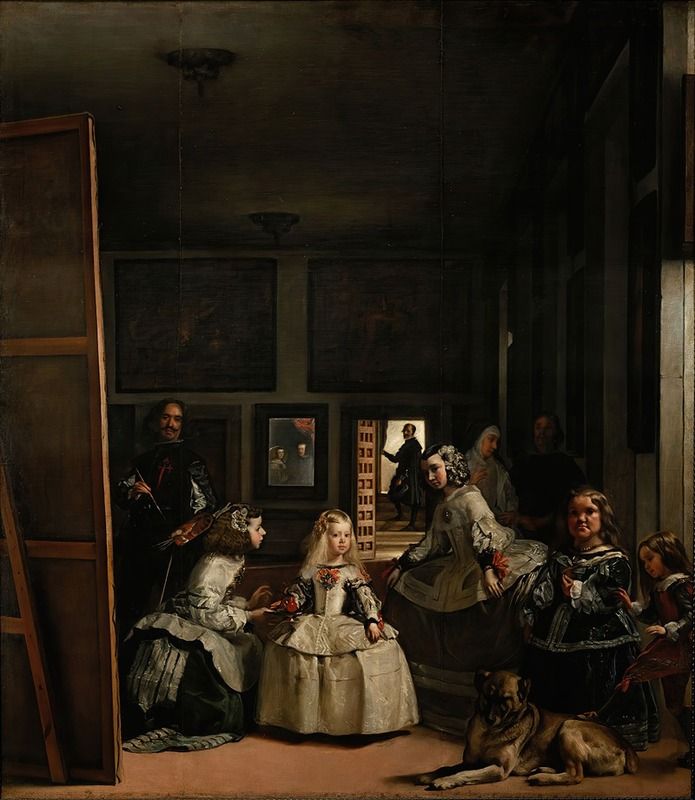
Las meninas
Diego Velázquez
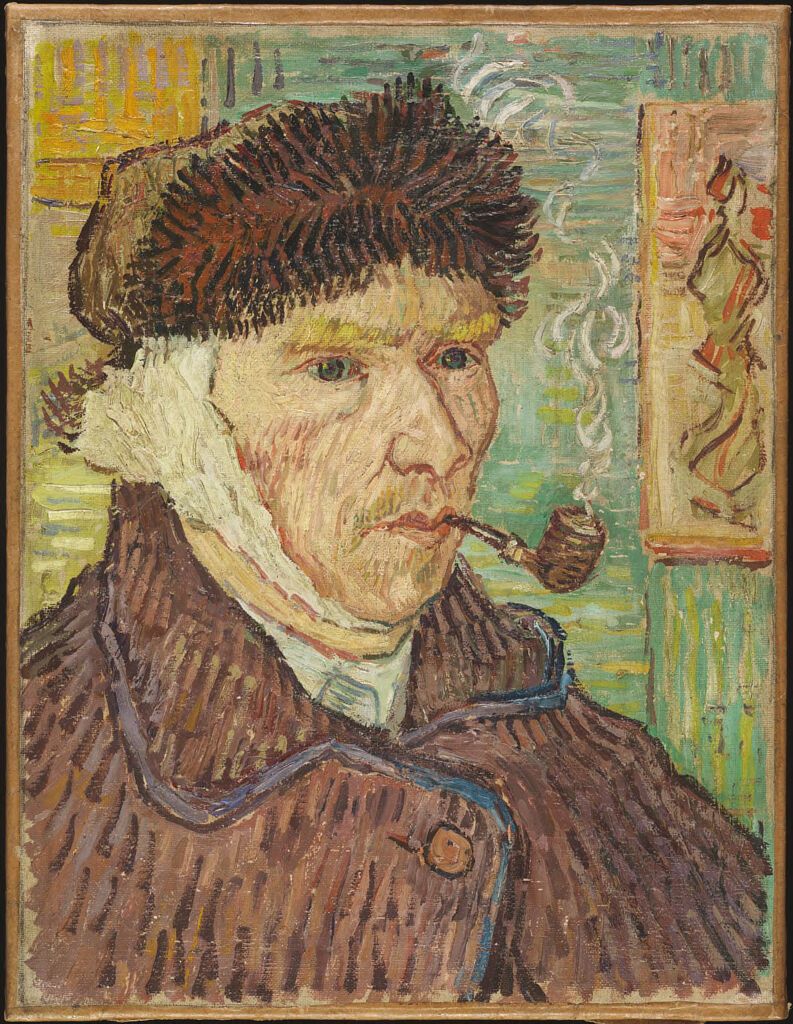
Self-portrait with a Bandaged Ear and Pipe
Unidentified artist
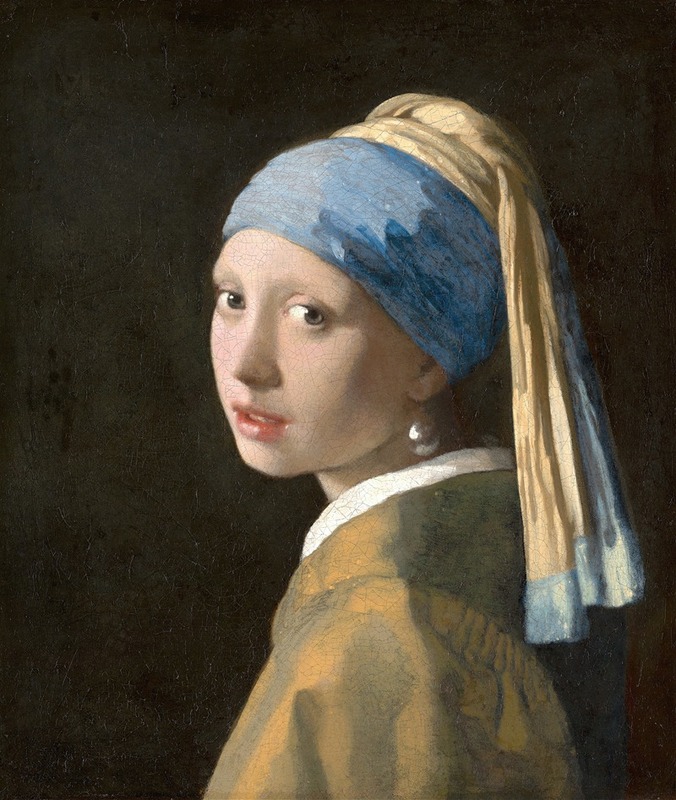
Girl with a Pearl Earring
Johannes Vermeer
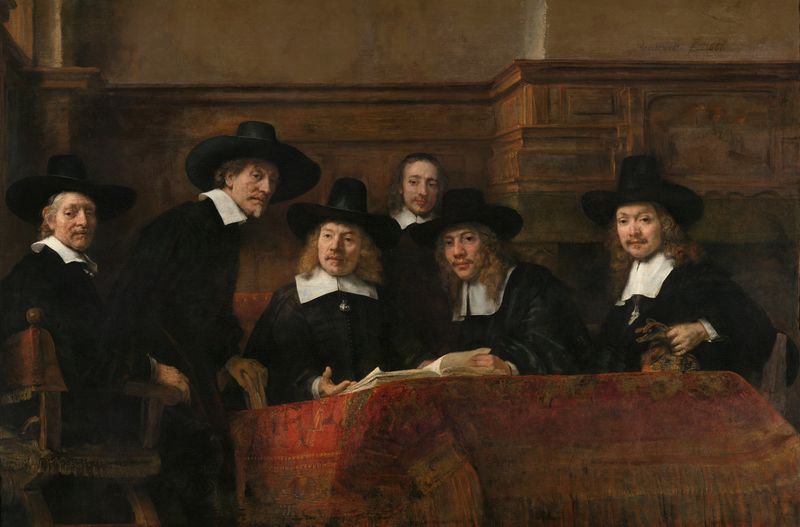
The Sampling Officials of the Amsterdam Drapers’ Guild, Known as ‘The Syndics’
Rembrandt van Rijn
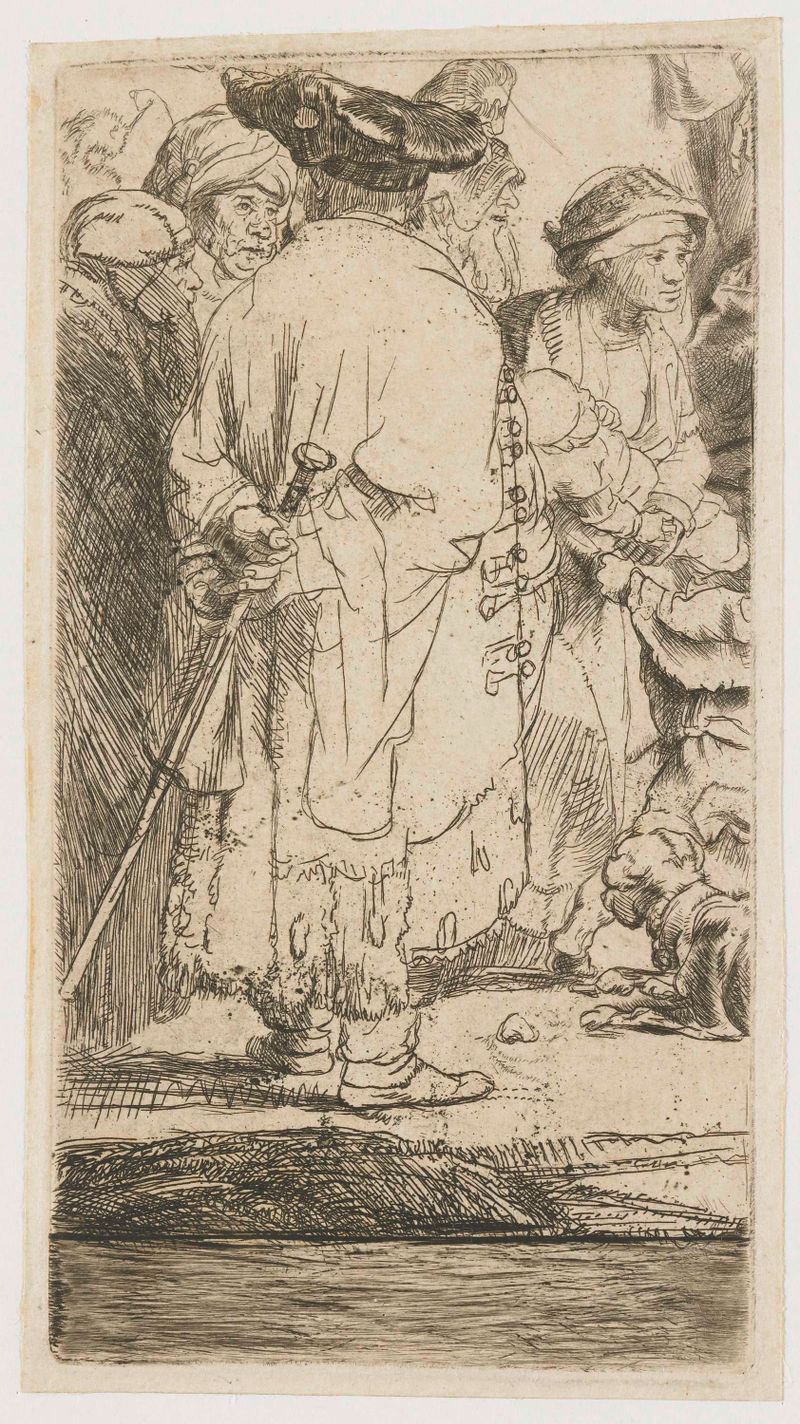
The Hundred Guilder Print: the man seen on the back in the lower left corner
Rembrandt van Rijn

Portrait of Dr Gachet
Vincent van Gogh