
Portret van Caspar van Kinschot — History & Facts
In a world where legacy is etched in both the tangible and intangible, the essence of a person often lies beneath the surface of their portrayal. The delicate interplay between detail and absence captures the whisper of existence. Focus on the gentle contours of the subject's face, where the subtle use of line reveals not just features but a lifetime of stories. The soft shadows enhance the noble stance of Caspar van Kinschot, drawing your eye to the intensity of his gaze, which seems to transcend time.
Notice how the muted color palette, primarily composed of earthy tones, fosters a serene atmosphere, allowing the viewer to delve deeper into the character's inner world. Beneath the surface, the portrait speaks to the contrast between individuality and anonymity. The meticulously etched details of the face signify personal history, yet the lack of vibrant colors hints at the quiet melancholy of fading memories. The careful attention to the textures of fabric and skin suggests not just craftsmanship but the timeless weight of legacy that each generation carries forward. Wenceslaus Hollar created this portrait in 1652 while living in London after fleeing the turmoil of the Thirty Years’ War in his native Bohemia.
At this time, he was establishing his reputation in printmaking and drawing, capturing likenesses that resonated with both patrons and the wider art community. His works during this period reflect an evolving landscape of portraiture, where the essence of the individual began to take precedence over mere likeness, marking a shift in artistic focus that would define future generations.
More Artworks by Wenceslaus Hollar
Browse all →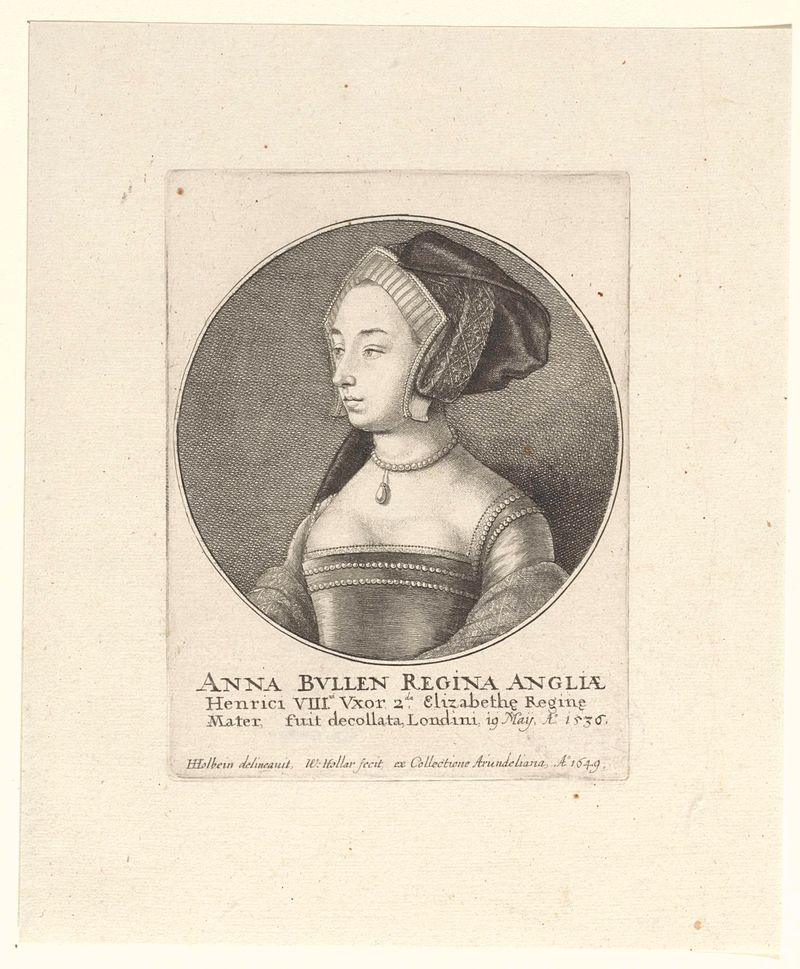
Portret van Anna Boleyn, koningin van Engeland
Wenceslaus Hollar
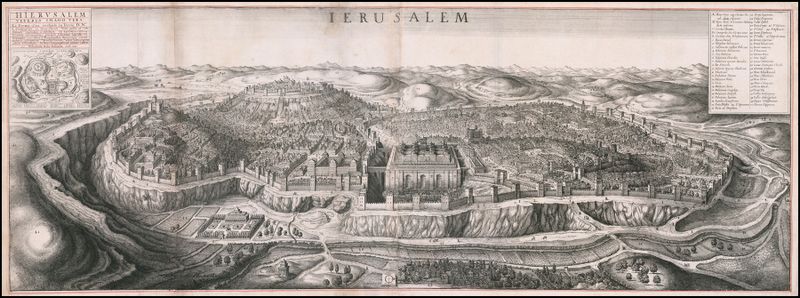
Bird’s eye view of Jerusalem
Wenceslaus Hollar
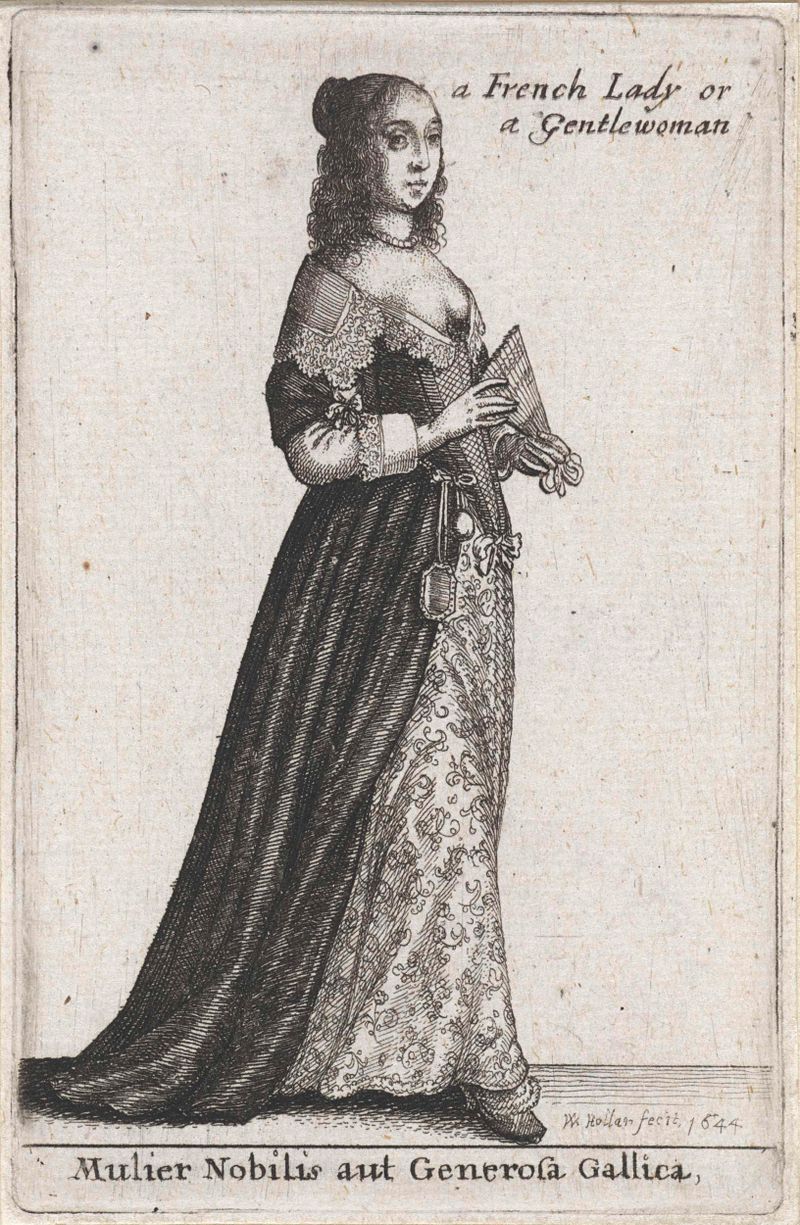
Mulier Nobilis aut Generosa Gallica / a French Lady or Gentlewoman
Wenceslaus Hollar
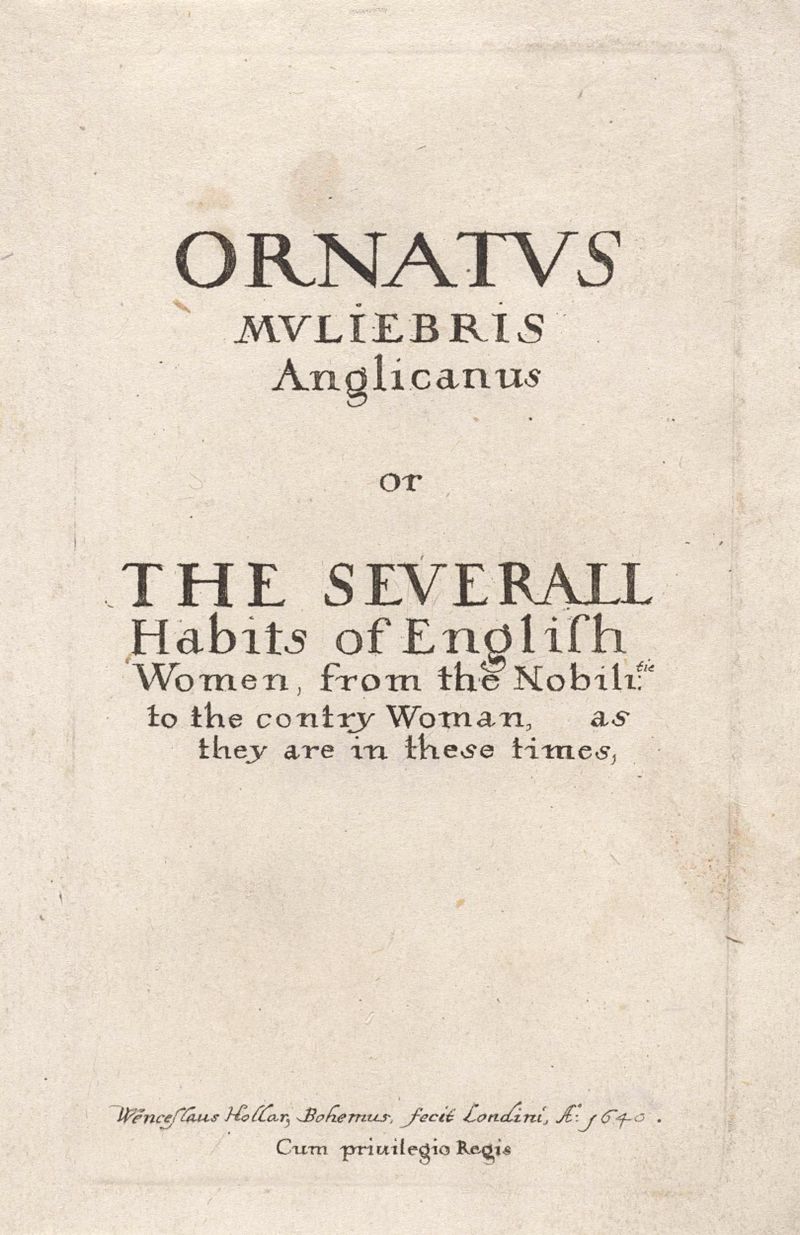
Titelprent voor: Ornatus Muliebris Anglicanus
Wenceslaus Hollar
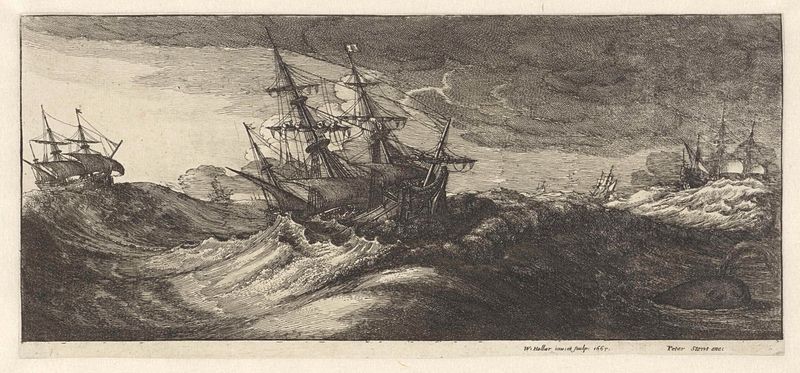
Oorlogsschepen en een walvis in een zeestorm
Wenceslaus Hollar
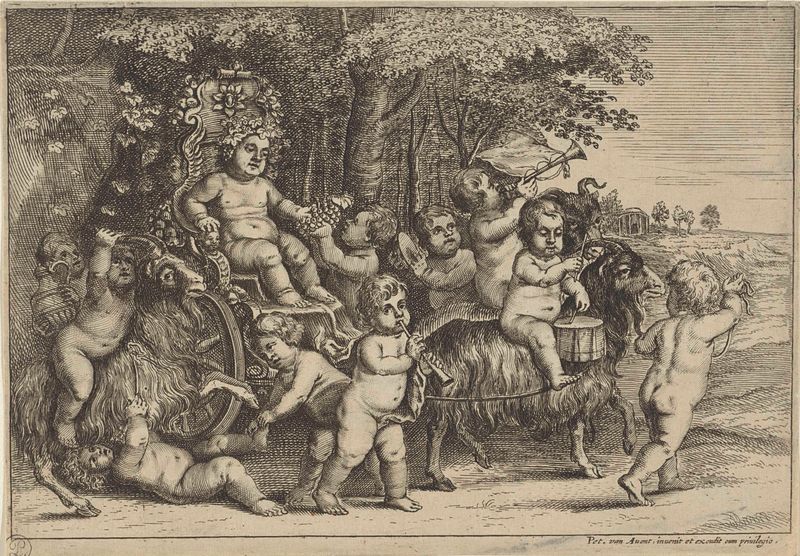
Optocht van bacchant en jongetjes op geiten
Wenceslaus Hollar
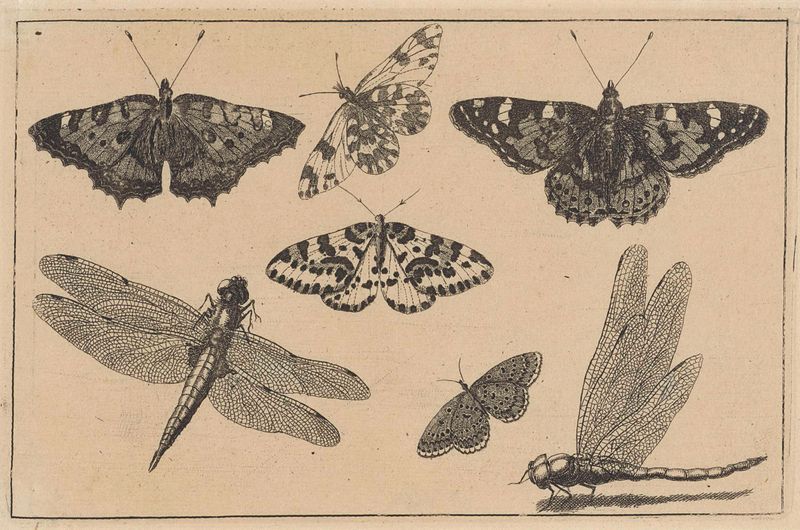
Twee libellen en vijf vlinders
Wenceslaus Hollar
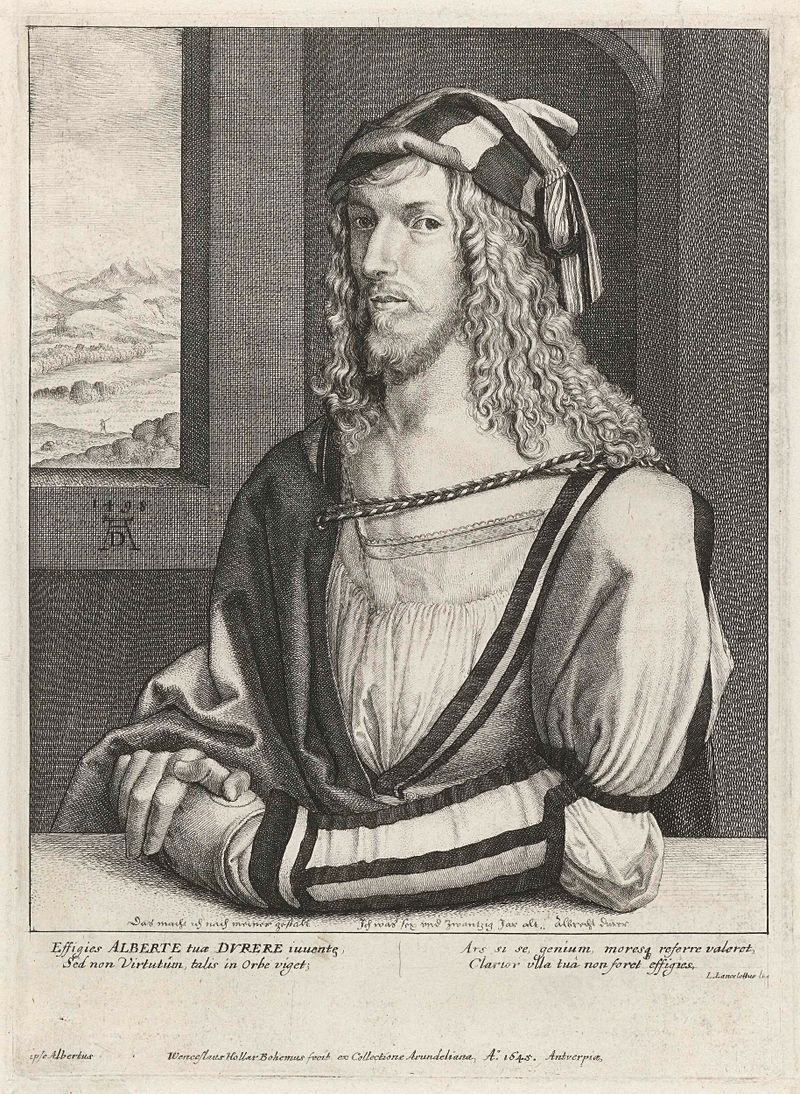
Portret van Albrecht Dürer
Wenceslaus Hollar
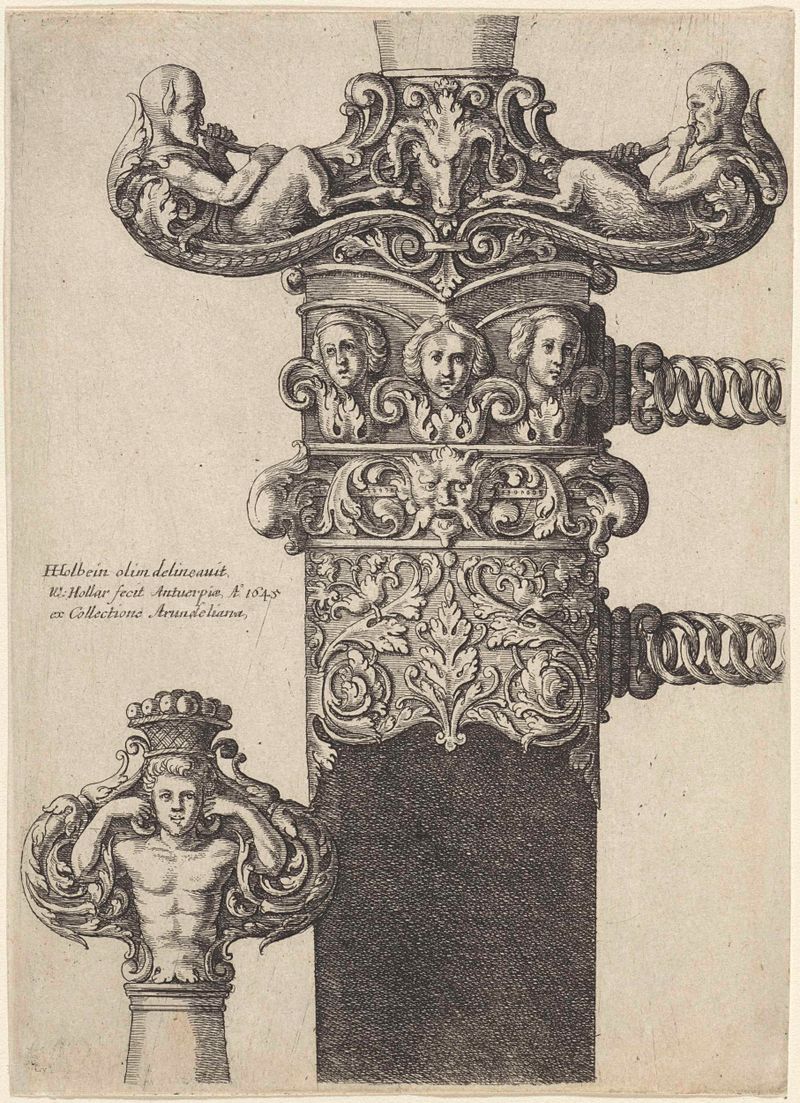
Ornamenteel ontwerp voor een dolk
Wenceslaus Hollar
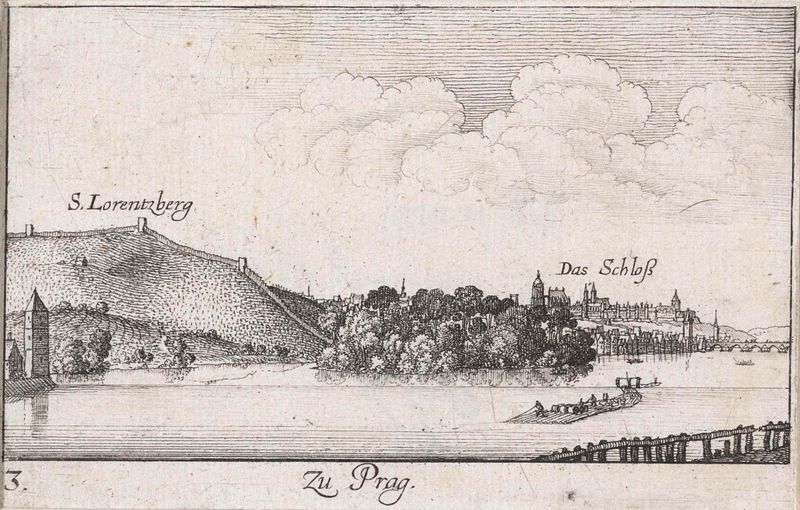
Gezicht op Praag vanaf de Moldau
Wenceslaus Hollar
More Portrait Art
Browse all →
Las meninas
Diego Velázquez

Self-portrait with a Bandaged Ear and Pipe
Unidentified artist

Girl with a Pearl Earring
Johannes Vermeer

The Sampling Officials of the Amsterdam Drapers’ Guild, Known as ‘The Syndics’
Rembrandt van Rijn

The Hundred Guilder Print: the man seen on the back in the lower left corner
Rembrandt van Rijn

Portrait of Dr Gachet
Vincent van Gogh