
Portret van Caspar van Kinschot — History & Facts
Can paint confess what words never could? In Portret van Caspar van Kinschot, the unspoken yearning of the human experience resonates through every delicate stroke, inviting the viewer to delve deep into the essence of the soul portrayed. Look to the center, where the figure of Caspar van Kinschot stands poised, a quiet strength emanating from his somber expression. Notice how the light, expertly rendered, caresses his features, highlighting the subtle contours of his face while casting a gentle shadow that suggests depth and introspection. The rich, muted palette contrasts with the richness of his attire, a deep brown against a soft backdrop, emphasizing both his status and the vulnerability hidden behind his composed exterior. The painting pulses with emotional tension; the slight tilt of Caspar's head and his penetrating gaze evoke a sense of longing, as if he is reflecting on lost opportunities or unfulfilled dreams.
His meticulous clothing, adorned with intricate detailing, speaks to an identity layered with expectations, yet it is the unresolved tension in his eyes that speaks most profoundly of a yearning spirit. These elements weave together to create a poignant dialogue between the subject and the observer, challenging us to confront our own desires and regrets. Wenceslaus Hollar created this portrait in 1650 while living in London, having fled from the tumultuous backdrop of the Thirty Years' War. This period was marked by a surge of interest in portraiture, reflecting the societal desire for individual identity amid displacement.
As an engraver and painter, Hollar sought to capture the nuances of human emotion, and in this work, he masterfully encapsulates the complexities of a man navigating the intricacies of his own existence.
More Artworks by Wenceslaus Hollar
Browse all →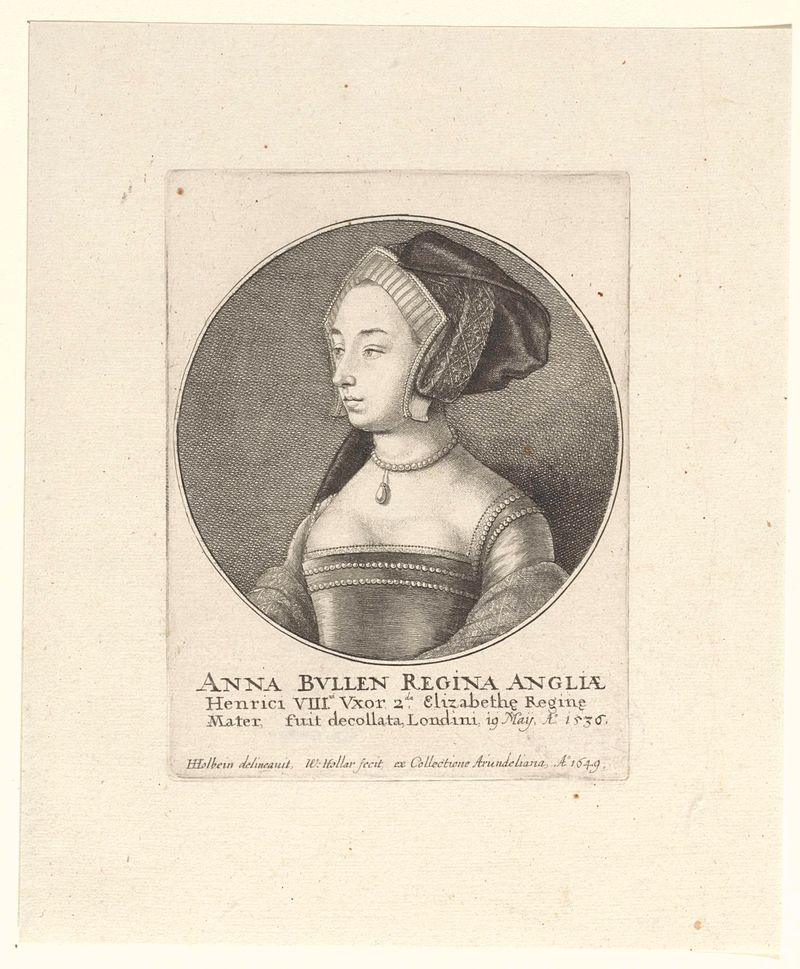
Portret van Anna Boleyn, koningin van Engeland
Wenceslaus Hollar
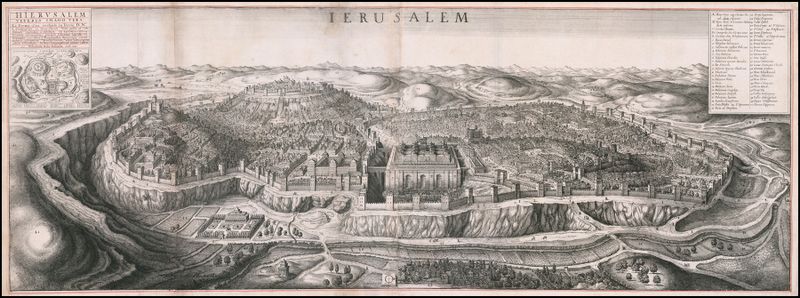
Bird’s eye view of Jerusalem
Wenceslaus Hollar
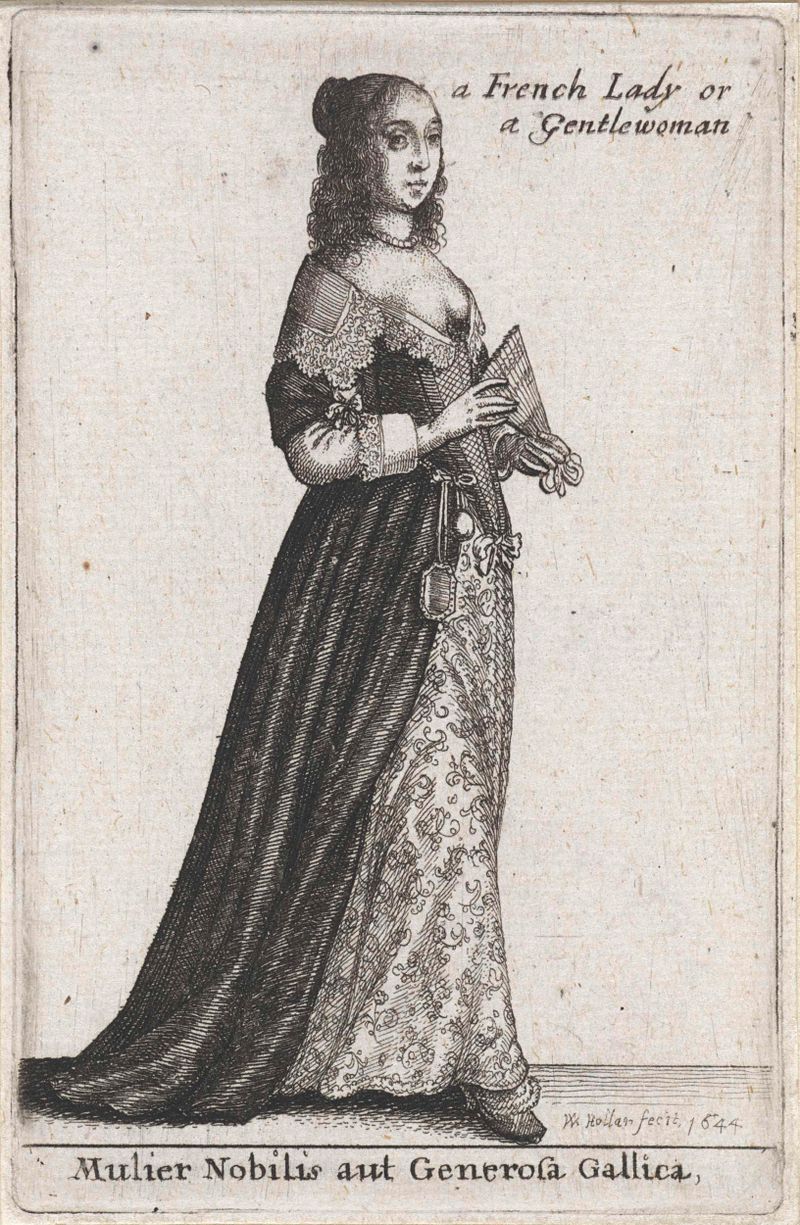
Mulier Nobilis aut Generosa Gallica / a French Lady or Gentlewoman
Wenceslaus Hollar
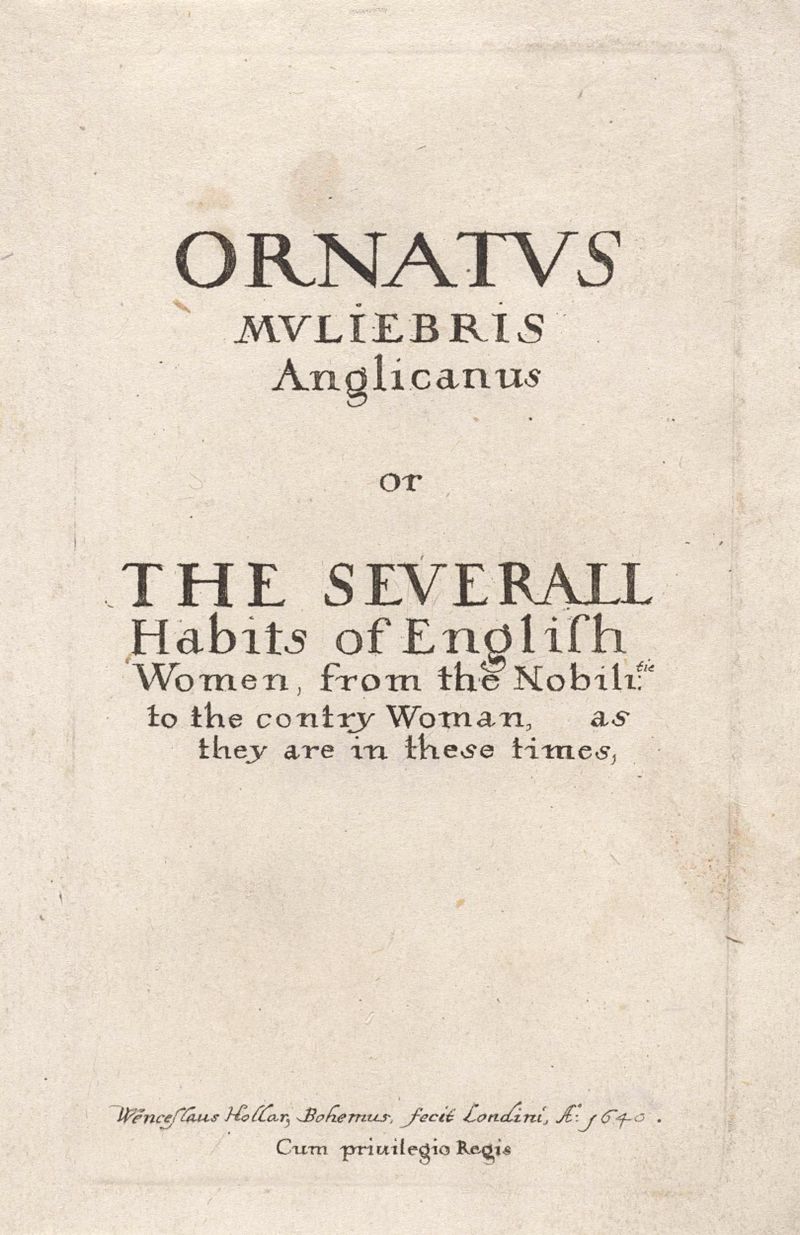
Titelprent voor: Ornatus Muliebris Anglicanus
Wenceslaus Hollar
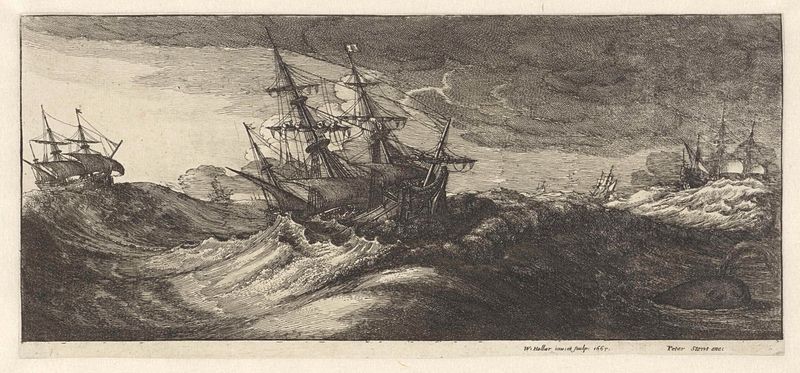
Oorlogsschepen en een walvis in een zeestorm
Wenceslaus Hollar
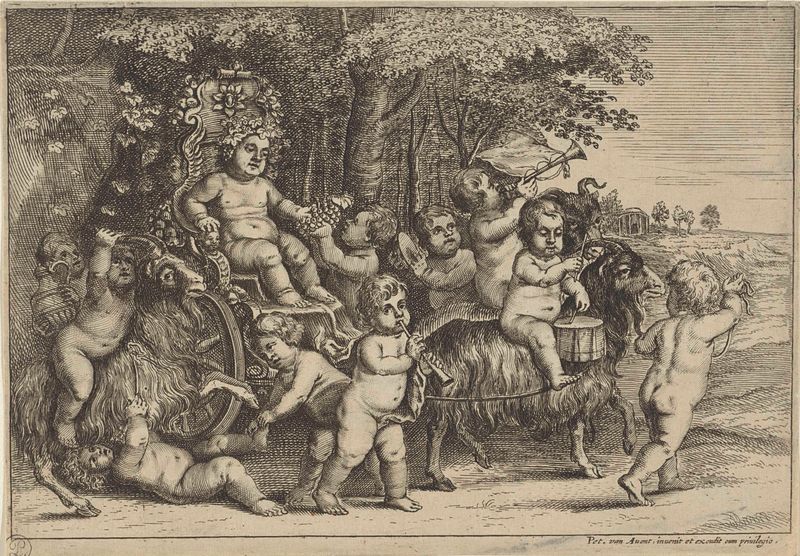
Optocht van bacchant en jongetjes op geiten
Wenceslaus Hollar
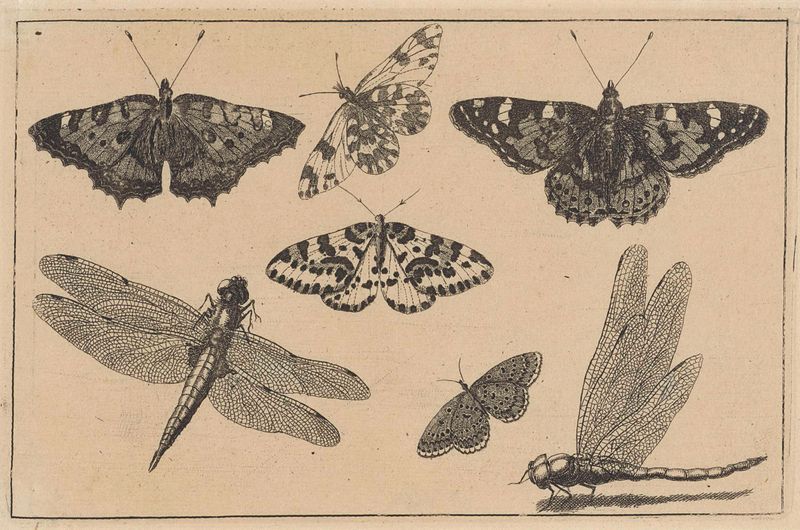
Twee libellen en vijf vlinders
Wenceslaus Hollar
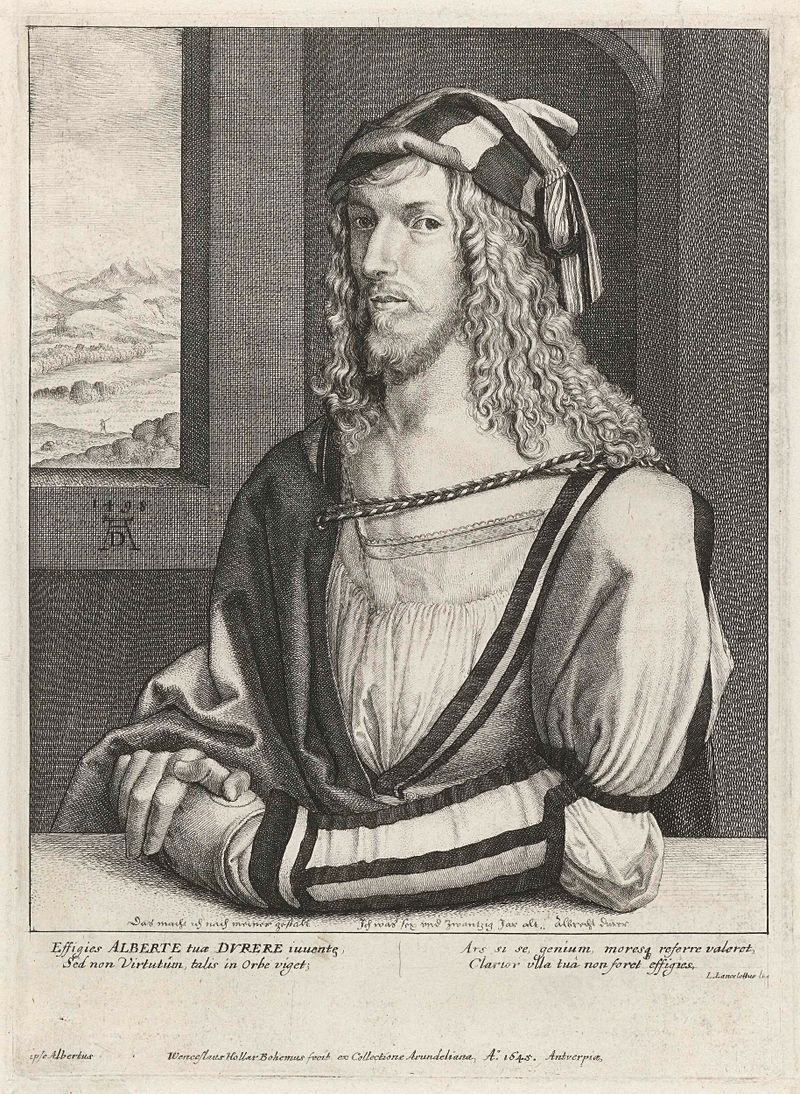
Portret van Albrecht Dürer
Wenceslaus Hollar
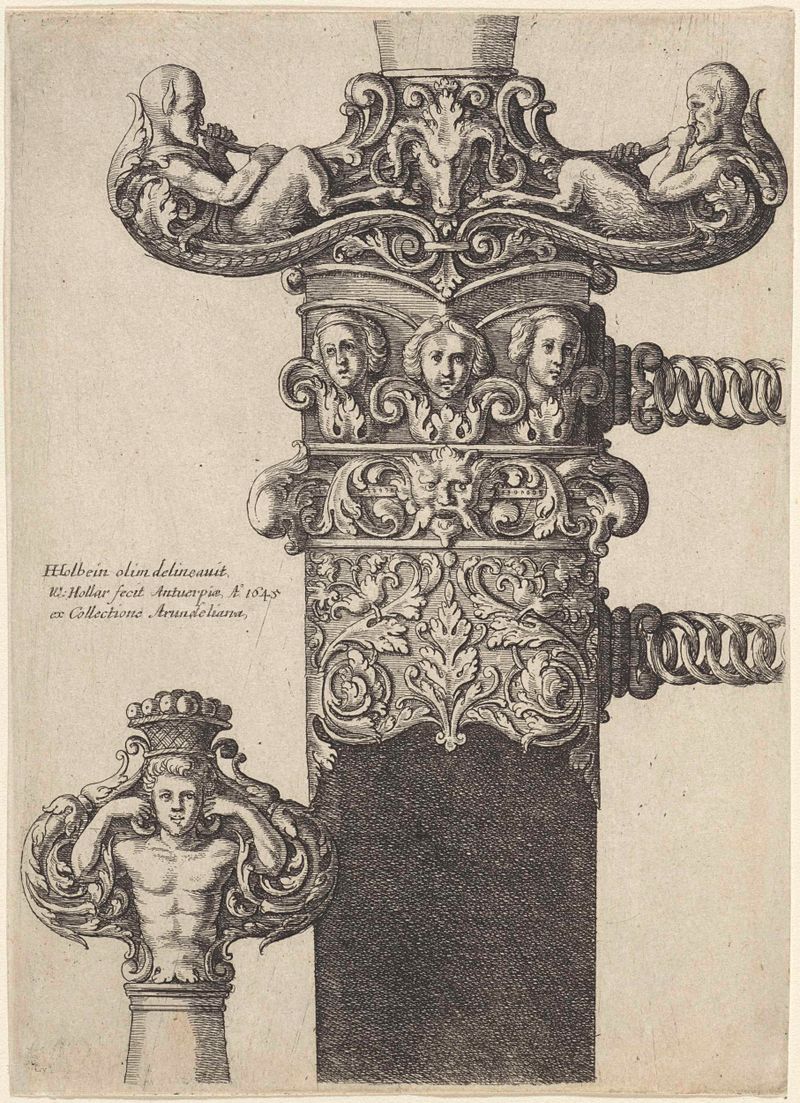
Ornamenteel ontwerp voor een dolk
Wenceslaus Hollar
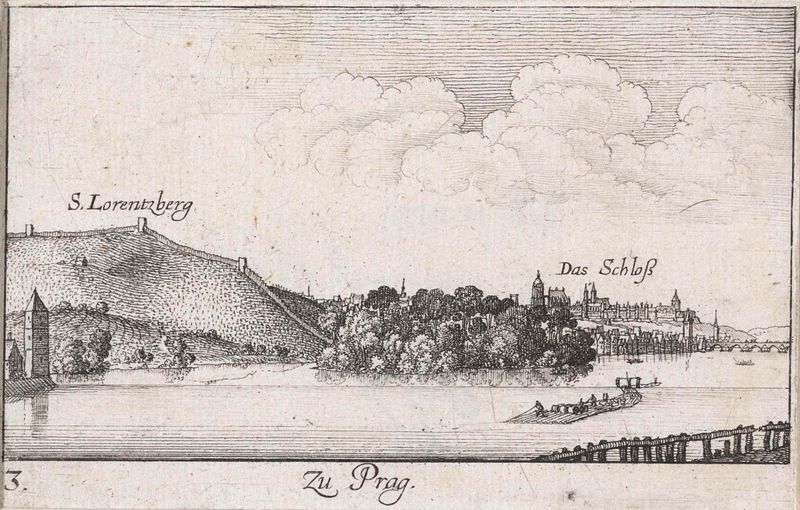
Gezicht op Praag vanaf de Moldau
Wenceslaus Hollar
More Portrait Art
Browse all →
Las meninas
Diego Velázquez

Self-portrait with a Bandaged Ear and Pipe
Unidentified artist

Girl with a Pearl Earring
Johannes Vermeer

The Sampling Officials of the Amsterdam Drapers’ Guild, Known as ‘The Syndics’
Rembrandt van Rijn

The Hundred Guilder Print: the man seen on the back in the lower left corner
Rembrandt van Rijn

Portrait of Dr Gachet
Vincent van Gogh