
Portret van Daniel Barbaro — History & Facts
Could beauty survive in a century of chaos? In Portret van Daniel Barbaro, Hollar captures the essence of resilience and transformation amidst the turbulence of his time. The painting stands as a testament to the enduring nature of the human spirit, urging us to consider how artistry can emerge from turmoil. Look to the left where Daniel Barbaro’s gaze meets the viewer, a thoughtful expression set against muted earth tones. Notice the delicacy with which Hollar has rendered his features—the fine lines that define his face and the rich texture of his attire.
The intricate details of the lace collar and the depth of color in his velvet robe invite closer inspection, revealing the artist's masterful technique and the elegance inherent in his subject. The careful play of light enhances the contours of Barbaro’s face, illuminating the subtle intensity of his expression. As you explore the background, the chiaroscuro effect creates a contrast between the subject and the shadowed space behind him, symbolizing the struggle between enlightenment and obscurity. This interplay suggests a narrative of rebirth—a reminder that even in the darkest of eras, beauty and intellect can emerge, offering hope and inspiration.
The warm hues surrounding Barbaro echo the notion of a renaissance, not just in art, but in human thought during a period fraught with conflict. Wenceslaus Hollar painted this portrait between 1649 and 1651 during his time in Antwerp, after having fled the Thirty Years' War in Prague. This period was marked by a tumultuous backdrop of political strife and artistic renewal. As Europe sought to recover from chaos, Hollar’s work exemplified a turning point in the visual arts, where the refined portrayal of intellectual figures like Barbaro became a beacon of cultural resurgence.
More Artworks by Wenceslaus Hollar
Browse all →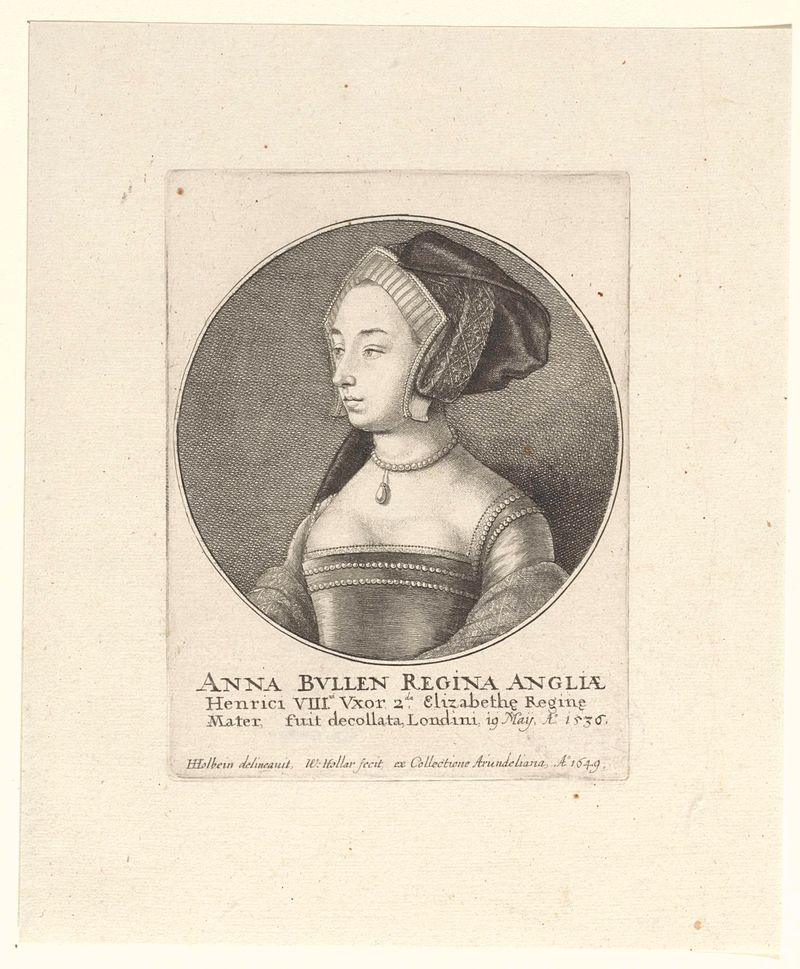
Portret van Anna Boleyn, koningin van Engeland
Wenceslaus Hollar
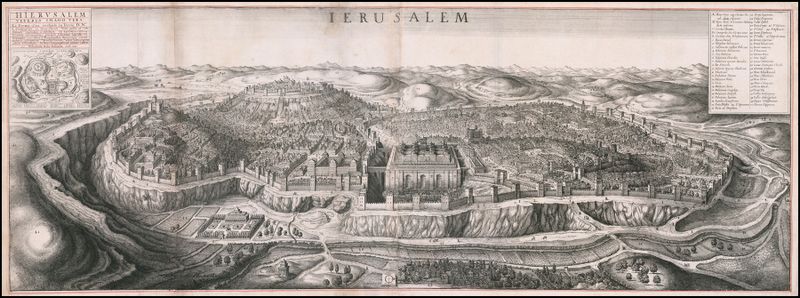
Bird’s eye view of Jerusalem
Wenceslaus Hollar
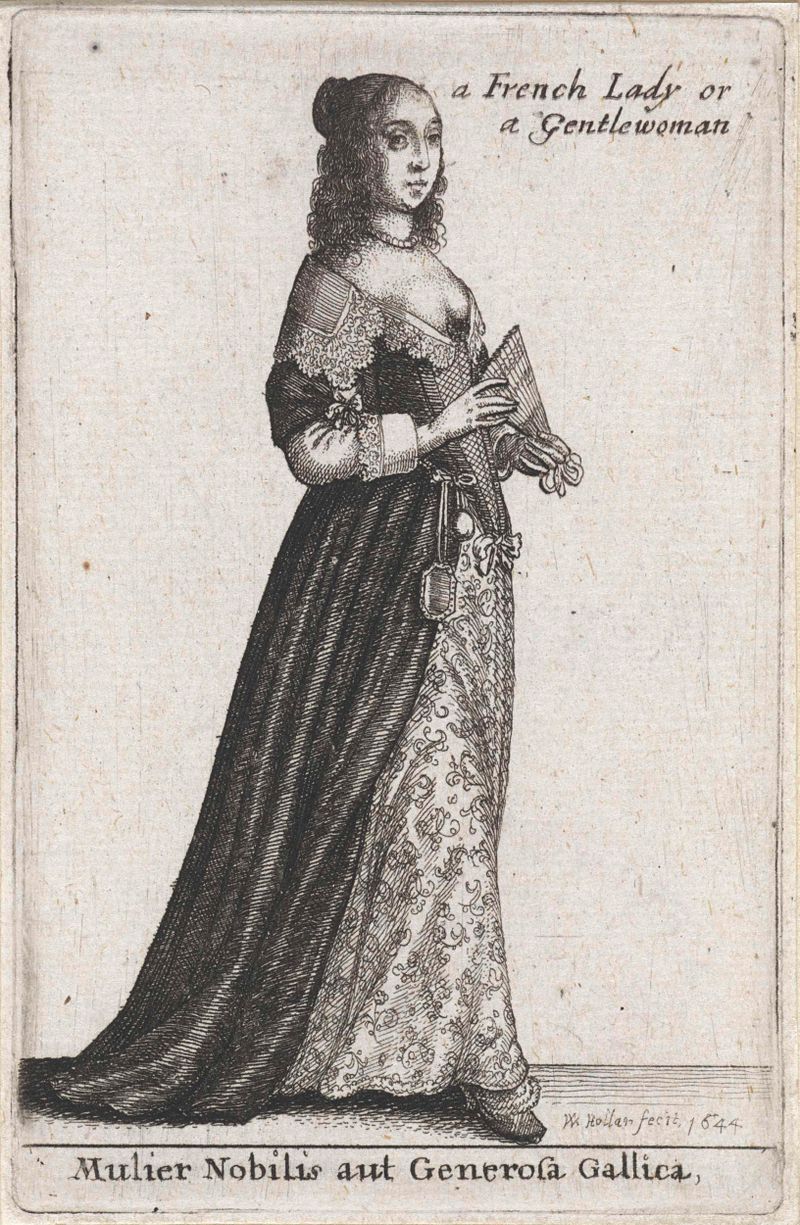
Mulier Nobilis aut Generosa Gallica / a French Lady or Gentlewoman
Wenceslaus Hollar
Titelprent voor: Ornatus Muliebris Anglicanus
Wenceslaus Hollar
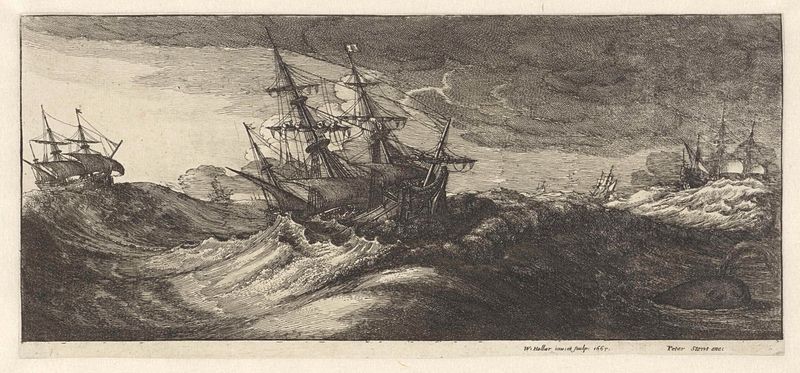
Oorlogsschepen en een walvis in een zeestorm
Wenceslaus Hollar
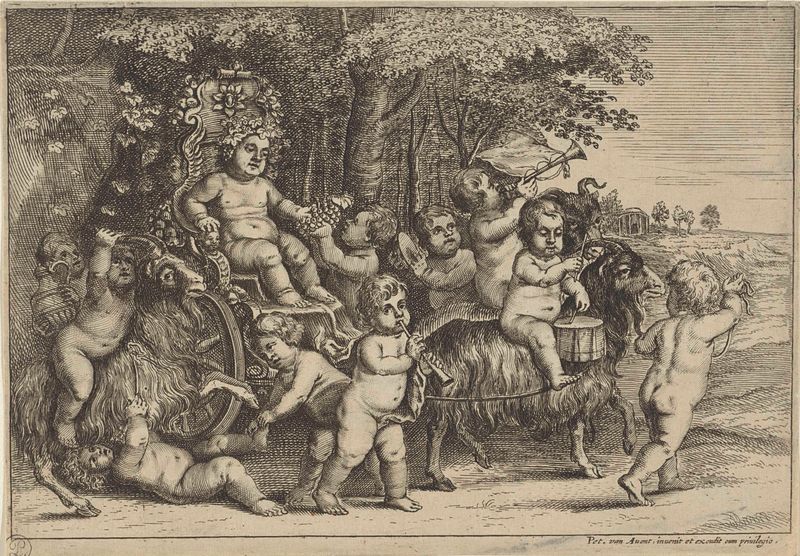
Optocht van bacchant en jongetjes op geiten
Wenceslaus Hollar
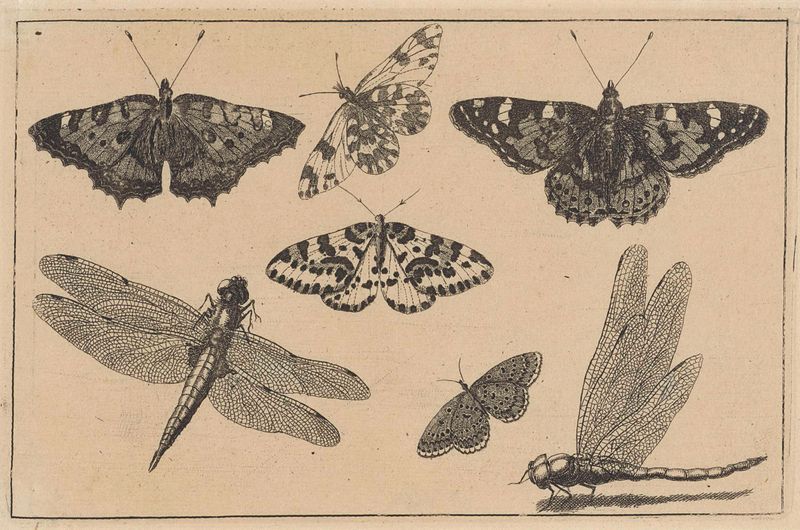
Twee libellen en vijf vlinders
Wenceslaus Hollar
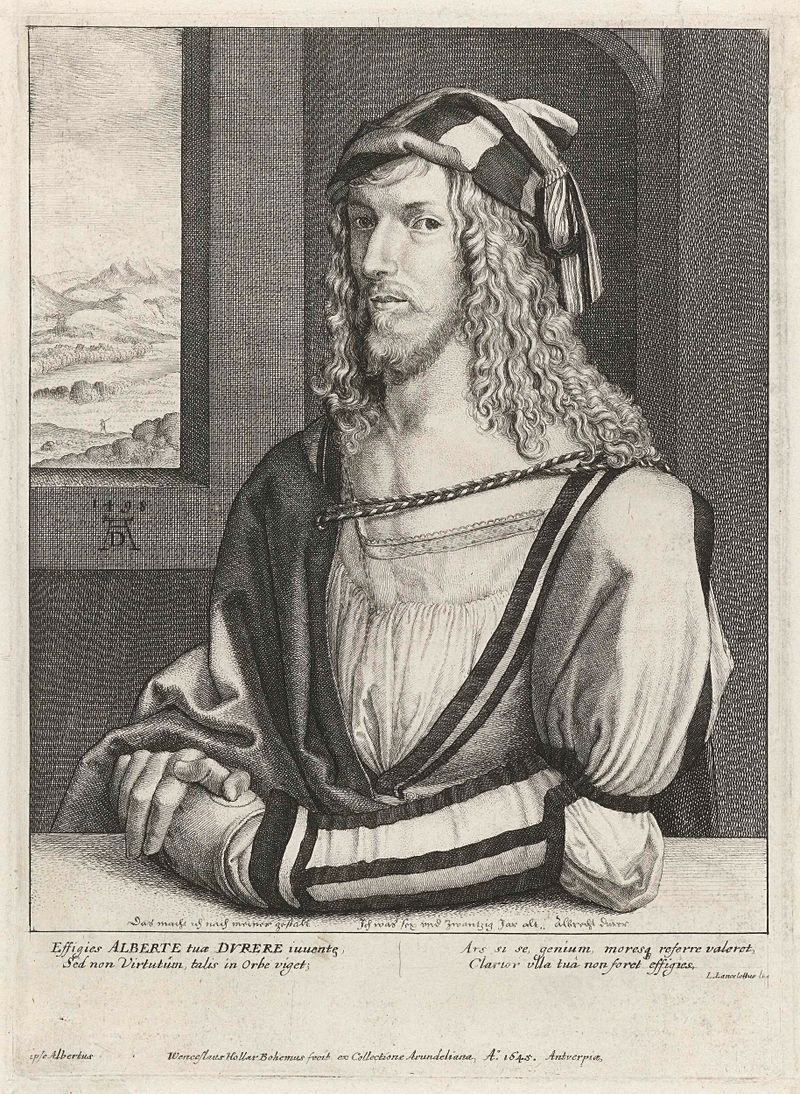
Portret van Albrecht Dürer
Wenceslaus Hollar
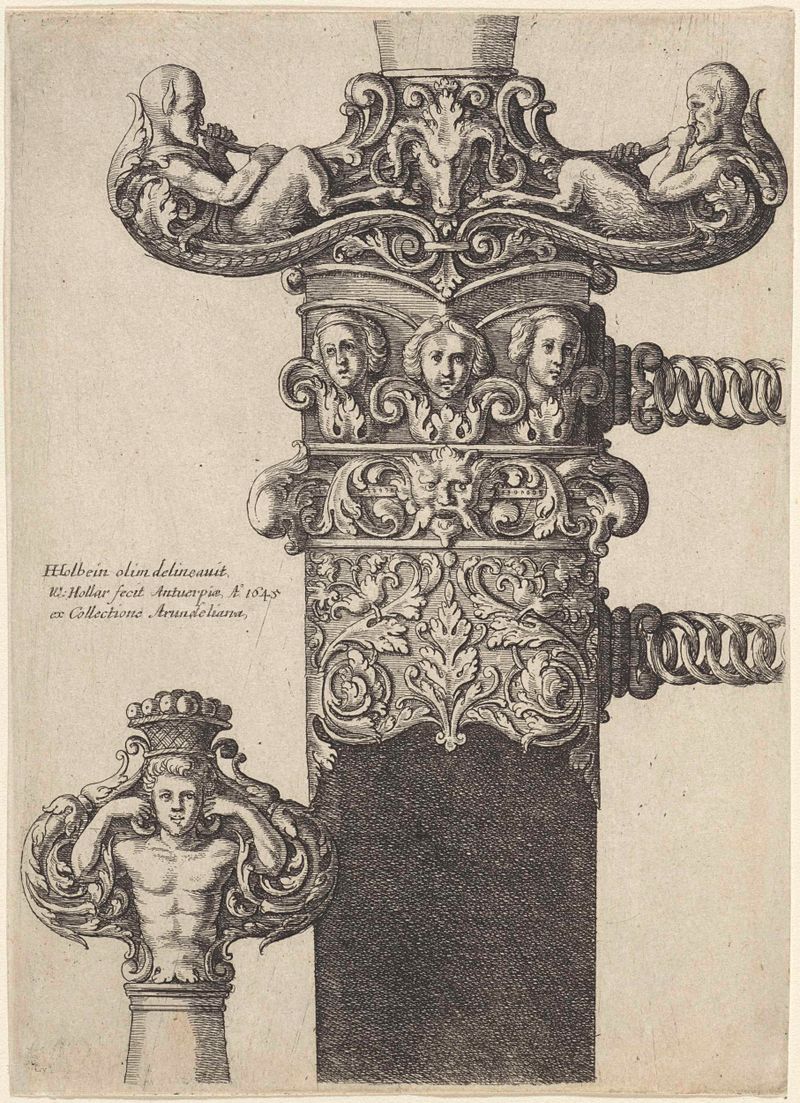
Ornamenteel ontwerp voor een dolk
Wenceslaus Hollar
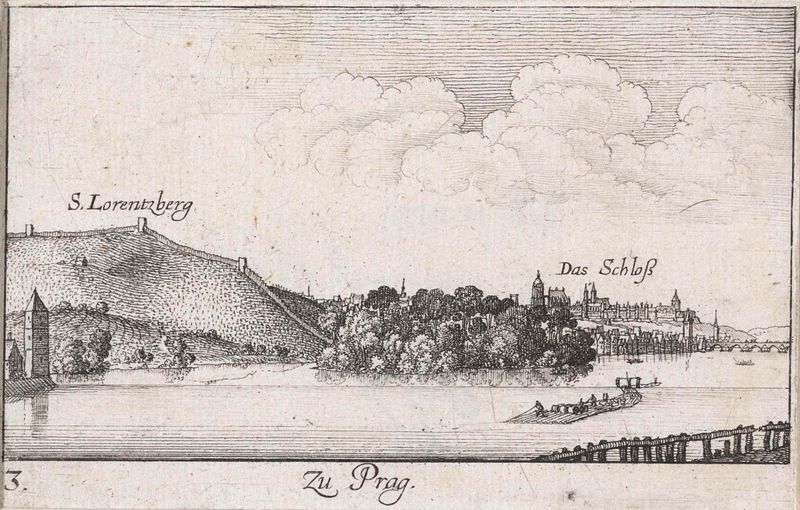
Gezicht op Praag vanaf de Moldau
Wenceslaus Hollar
More Portrait Art
Browse all →
Las meninas
Diego Velázquez

Self-portrait with a Bandaged Ear and Pipe
Unidentified artist

Girl with a Pearl Earring
Johannes Vermeer

The Sampling Officials of the Amsterdam Drapers’ Guild, Known as ‘The Syndics’
Rembrandt van Rijn

The Hundred Guilder Print: the man seen on the back in the lower left corner
Rembrandt van Rijn

Portrait of Dr Gachet
Vincent van Gogh