
Portret van een glimlachende man — History & Facts
In the midst of upheaval and revolution, a simple smile holds the weight of countless tales untold. Within the frame of this portrait, the viewer is invited to consider the layers of history, emotion, and identity captured in a fleeting expression. Look closely at the soft, almost ethereal light that bathes the man’s face, highlighting the gentle contours of his features. His eyes, bright and engaging, draw you in, while the fine details of his clothing and the subtle textures of his skin reveal Hollar's masterful technique.
Every line and shadow speaks to the meticulous craftsmanship, inviting admiration for the precision of the etching process. The warm palette creates an inviting atmosphere, contrasting the cold realities of the world outside the canvas. Yet, beneath the surface of this seemingly serene smile lies a profound tension. The portrait, created during a time of societal upheaval in 17th-century Europe, reflects not only personal identity but also the broader human experience under the shadow of revolution.
The man’s smile may signify resilience in the face of turmoil, a silent acknowledgment of the struggles that silently haunt even the most joyful moments. Each detail becomes a vessel for unspoken narratives, urging the viewer to contemplate the interplay of joy and sorrow. In 1636, Wenceslaus Hollar was living in England, having fled his native Bohemia due to the Thirty Years' War. This period was marked by immense political and religious strife across Europe, influencing both the artist’s work and his perspective.
As he navigated a landscape fraught with conflict, Portret van een glimlachende man emerged as a poignant reflection of the complexities of human emotion amid instability, solidifying Hollar's legacy as a master of capturing the human spirit.
More Artworks by Wenceslaus Hollar
Browse all →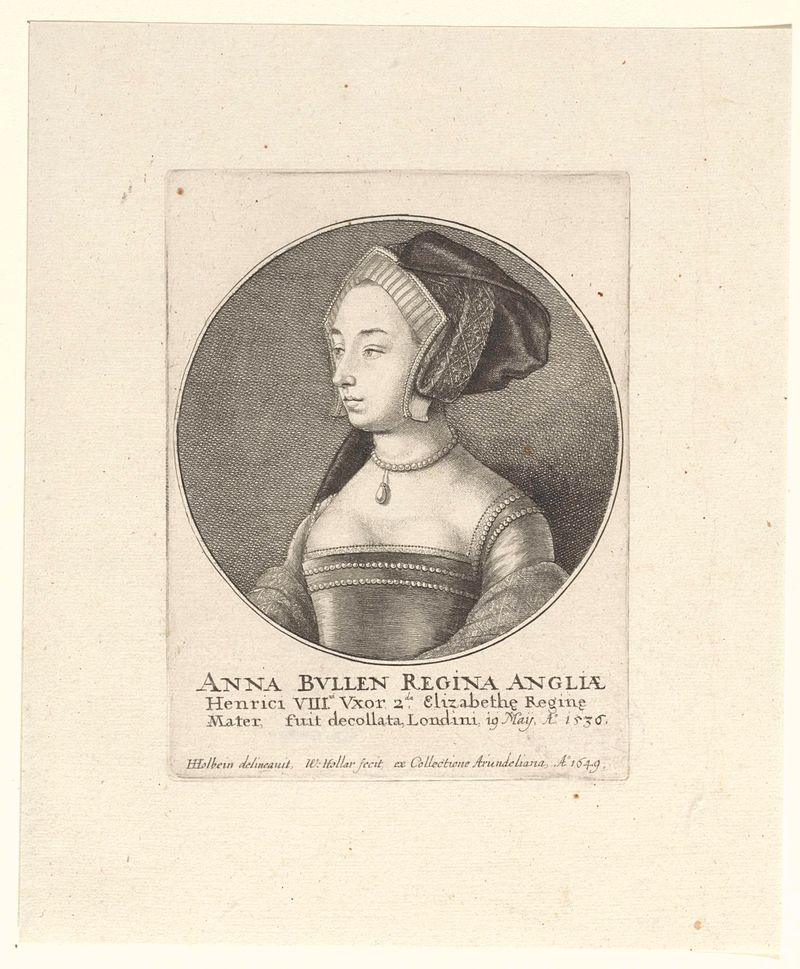
Portret van Anna Boleyn, koningin van Engeland
Wenceslaus Hollar
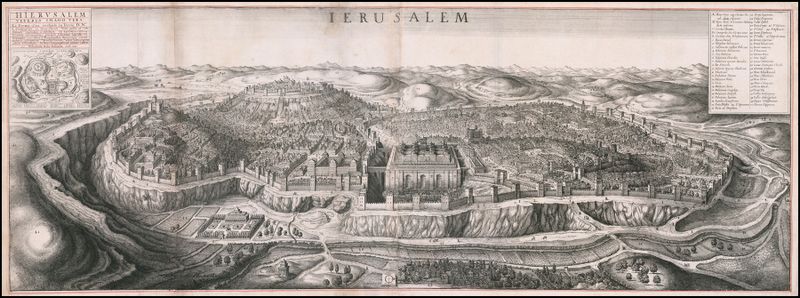
Bird’s eye view of Jerusalem
Wenceslaus Hollar
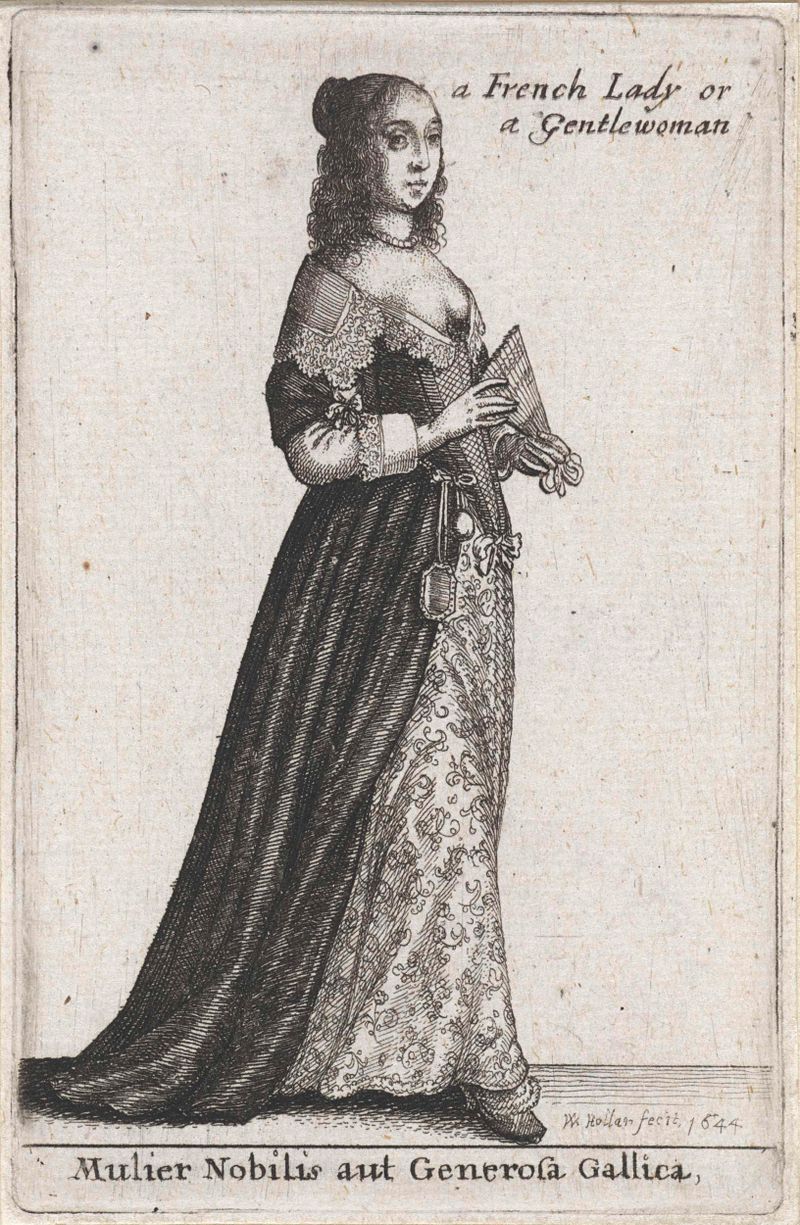
Mulier Nobilis aut Generosa Gallica / a French Lady or Gentlewoman
Wenceslaus Hollar
Titelprent voor: Ornatus Muliebris Anglicanus
Wenceslaus Hollar
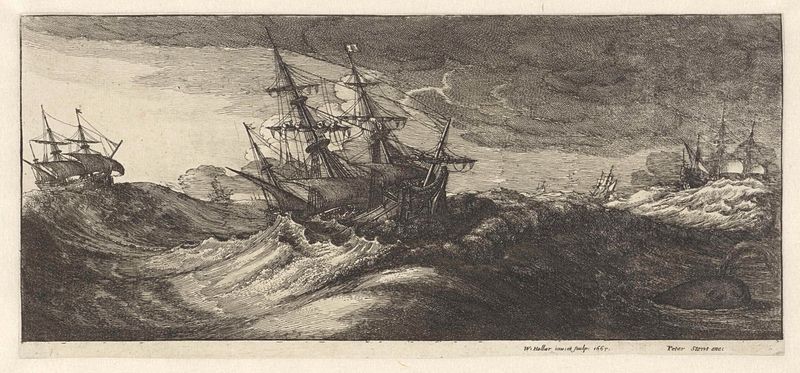
Oorlogsschepen en een walvis in een zeestorm
Wenceslaus Hollar
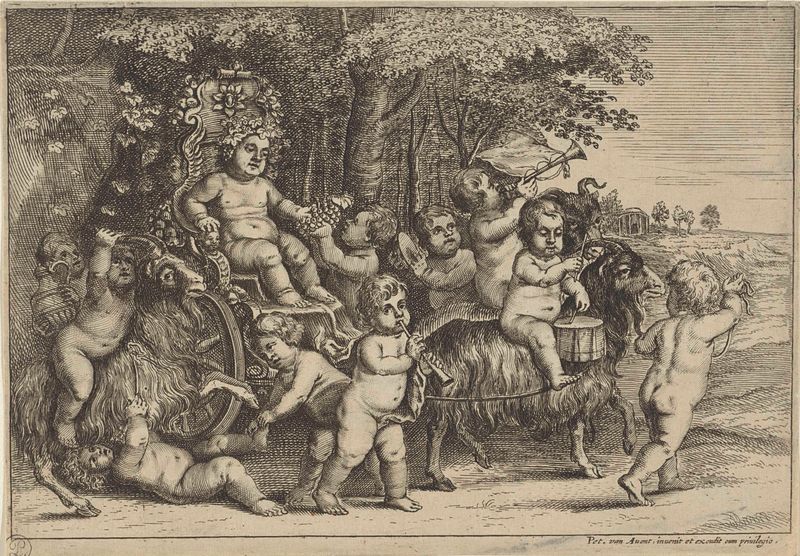
Optocht van bacchant en jongetjes op geiten
Wenceslaus Hollar
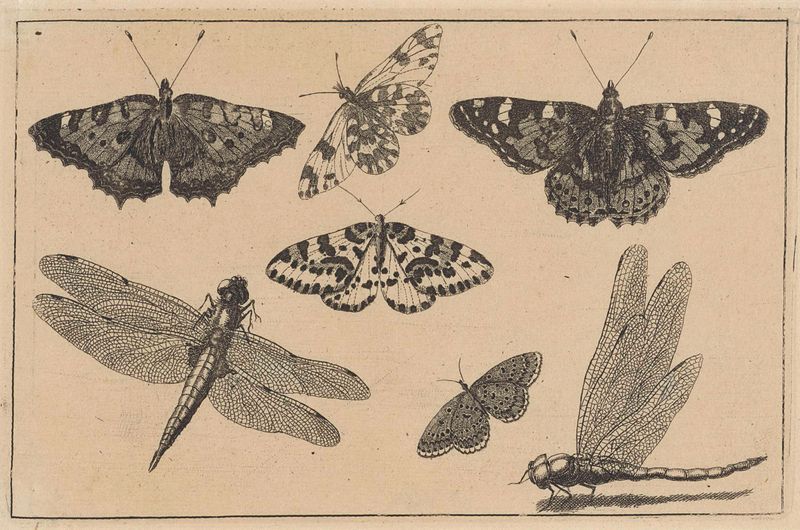
Twee libellen en vijf vlinders
Wenceslaus Hollar
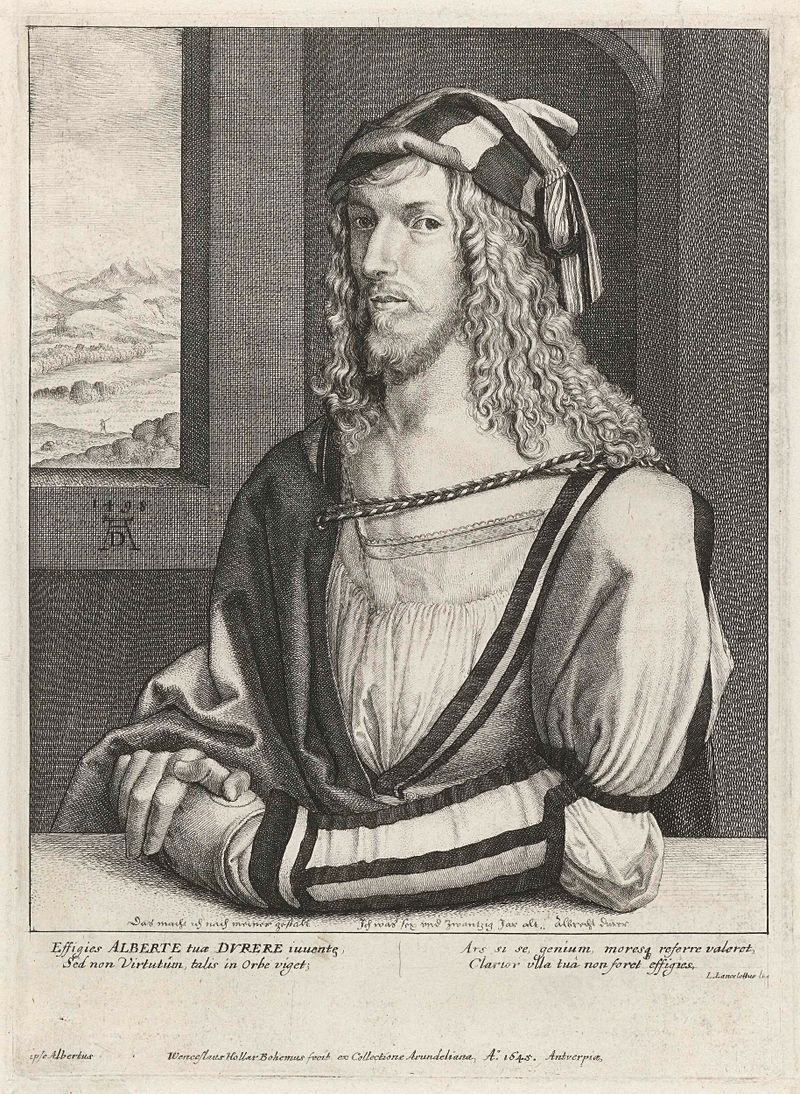
Portret van Albrecht Dürer
Wenceslaus Hollar
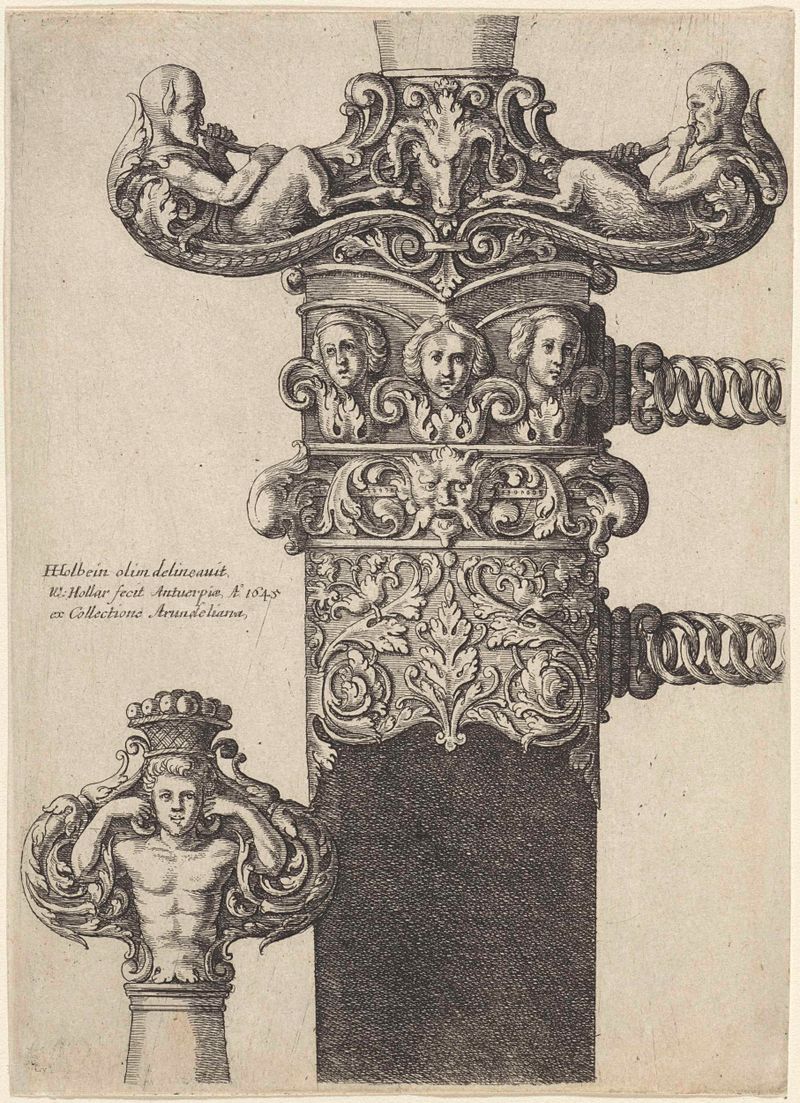
Ornamenteel ontwerp voor een dolk
Wenceslaus Hollar
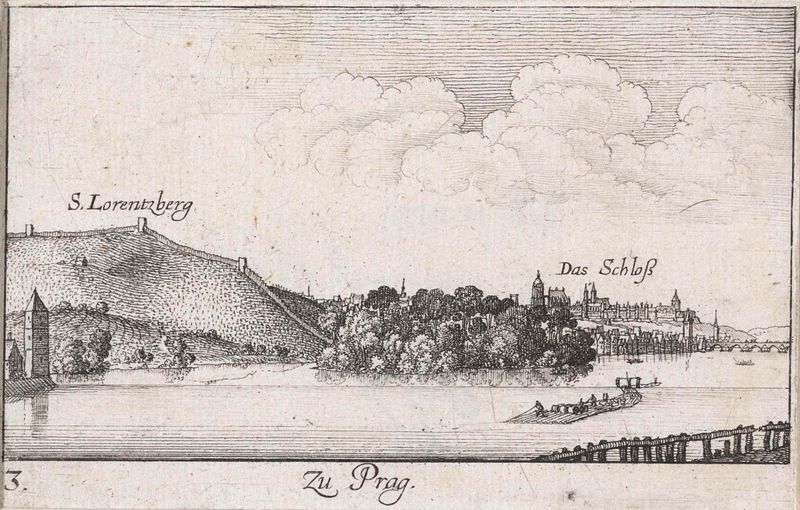
Gezicht op Praag vanaf de Moldau
Wenceslaus Hollar
More Portrait Art
Browse all →
Las meninas
Diego Velázquez

Self-portrait with a Bandaged Ear and Pipe
Unidentified artist

Girl with a Pearl Earring
Johannes Vermeer

The Sampling Officials of the Amsterdam Drapers’ Guild, Known as ‘The Syndics’
Rembrandt van Rijn

The Hundred Guilder Print: the man seen on the back in the lower left corner
Rembrandt van Rijn

Portrait of Dr Gachet
Vincent van Gogh