
Portret van een jonge man met baret — History & Facts
In the silence of artistry, we capture fleeting moments, forever sealed on canvas. Look closely at the young man's face, where the soft contours and delicate shading invite you in. The baret rests lightly atop his head, hinting at a life woven with culture and intellect. Notice how the light plays across his cheek, illuminating one half while casting a gentle shadow on the other, a subtle dance of brightness and darkness that suggests both vitality and introspection.
The muted color palette speaks volumes, where earthy tones evoke warmth yet hint at deeper complexities within this poised figure. As you absorb the details, note the fine lines around his eyes, suggesting wisdom beyond his years—perhaps a hint of melancholy or contemplation about the future. His gaze, both direct and introspective, draws you into a dialogue with the viewer, inviting questions about his thoughts and dreams. The baret, often associated with the arts, serves not only as a symbol of status but also as an emblem of the creative spirit, standing in contrast to the stark realities of time that bend and shape our lives. In 1646, Wenceslaus Hollar painted this portrait in London, where he was navigating the challenges of exile due to the Thirty Years' War.
This period marked a time of artistic transition and personal struggle for him, as he sought to find his place within the evolving landscape of art. His works often reflected the tension between beauty and the passage of time, encapsulating moments that resonate with the viewer long after they fade away.
More Artworks by Wenceslaus Hollar
Browse all →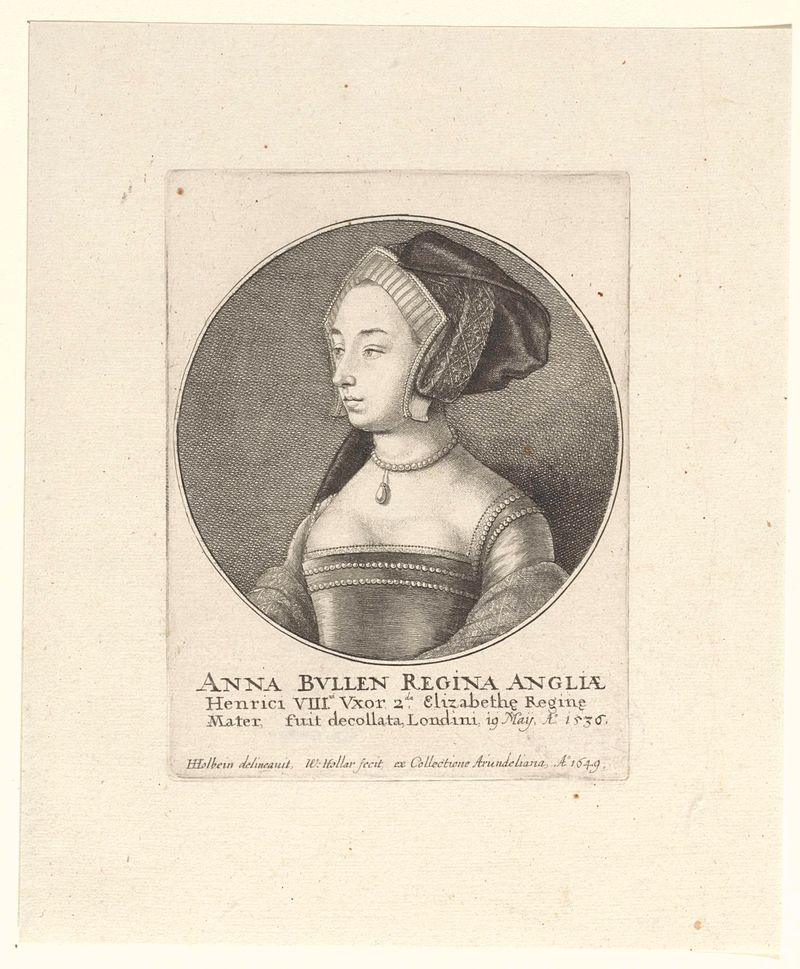
Portret van Anna Boleyn, koningin van Engeland
Wenceslaus Hollar
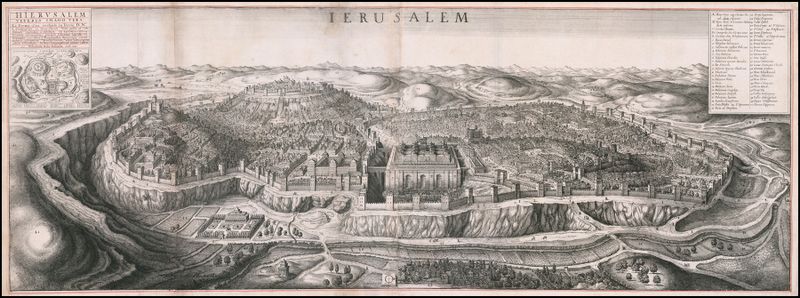
Bird’s eye view of Jerusalem
Wenceslaus Hollar
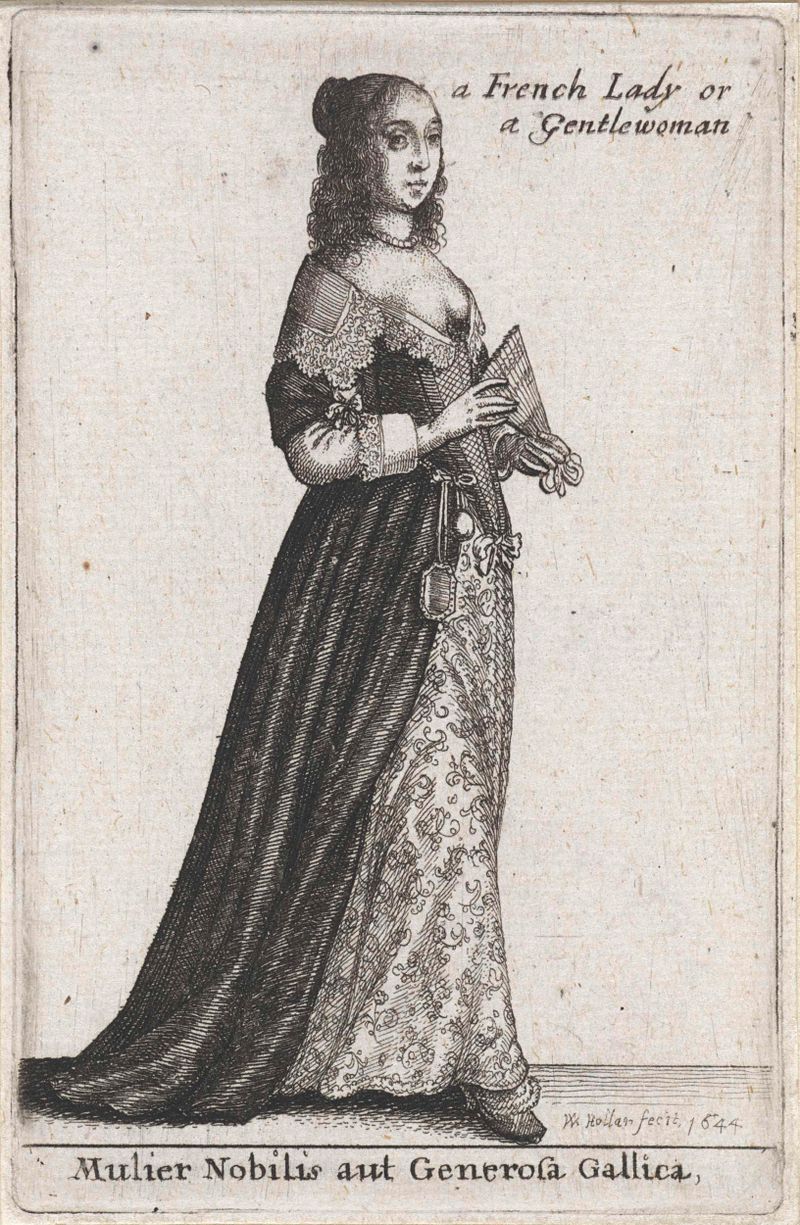
Mulier Nobilis aut Generosa Gallica / a French Lady or Gentlewoman
Wenceslaus Hollar
Titelprent voor: Ornatus Muliebris Anglicanus
Wenceslaus Hollar
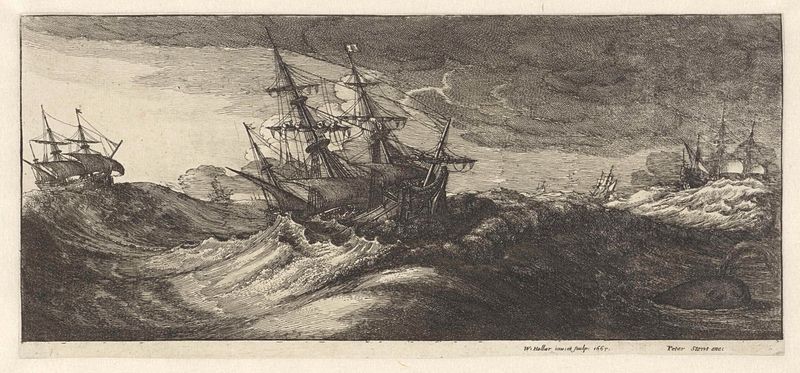
Oorlogsschepen en een walvis in een zeestorm
Wenceslaus Hollar
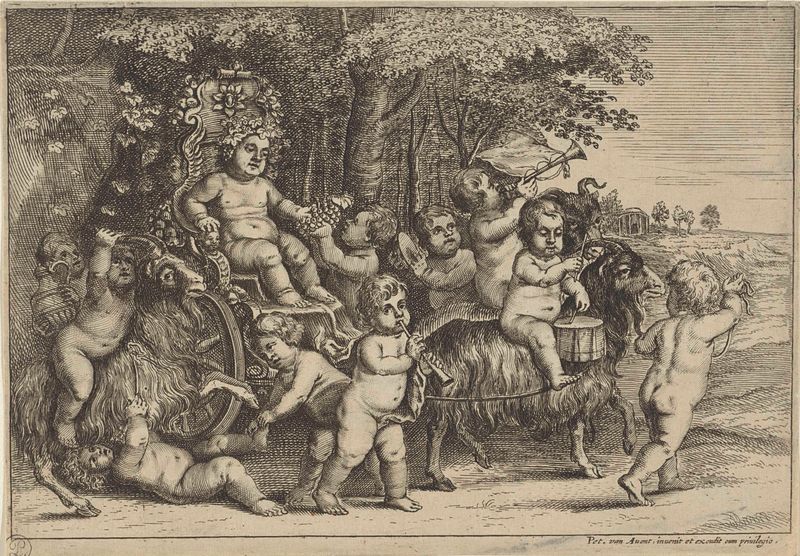
Optocht van bacchant en jongetjes op geiten
Wenceslaus Hollar
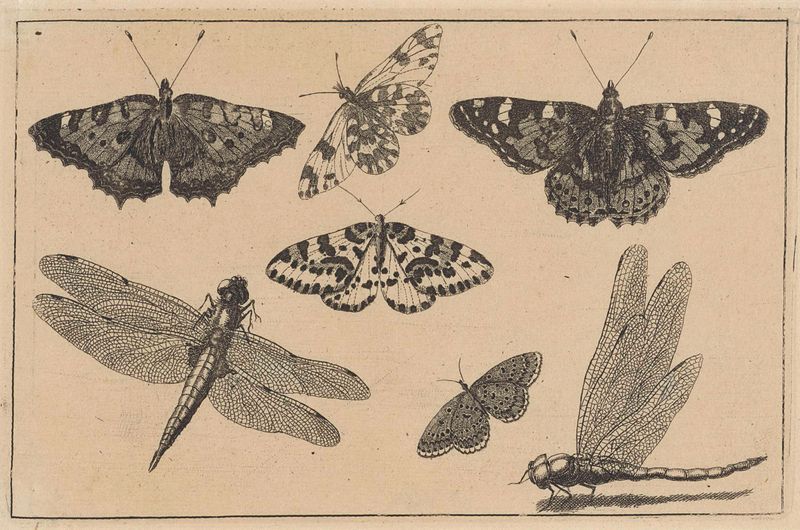
Twee libellen en vijf vlinders
Wenceslaus Hollar
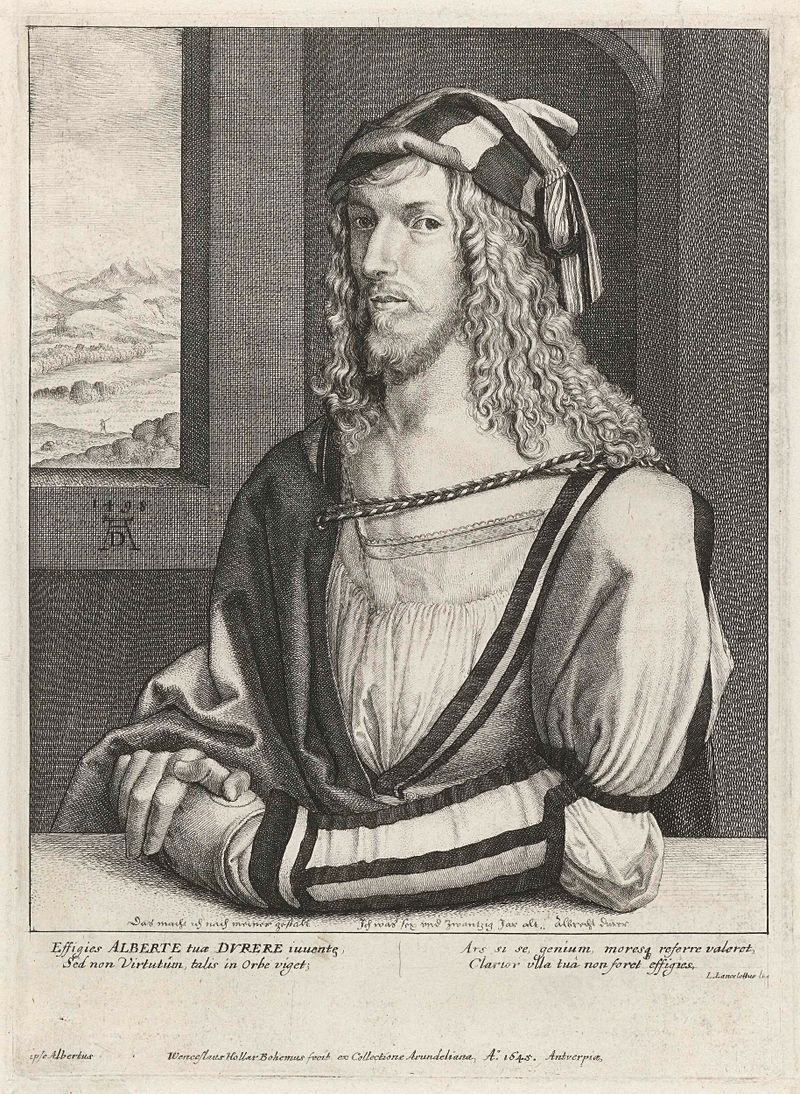
Portret van Albrecht Dürer
Wenceslaus Hollar
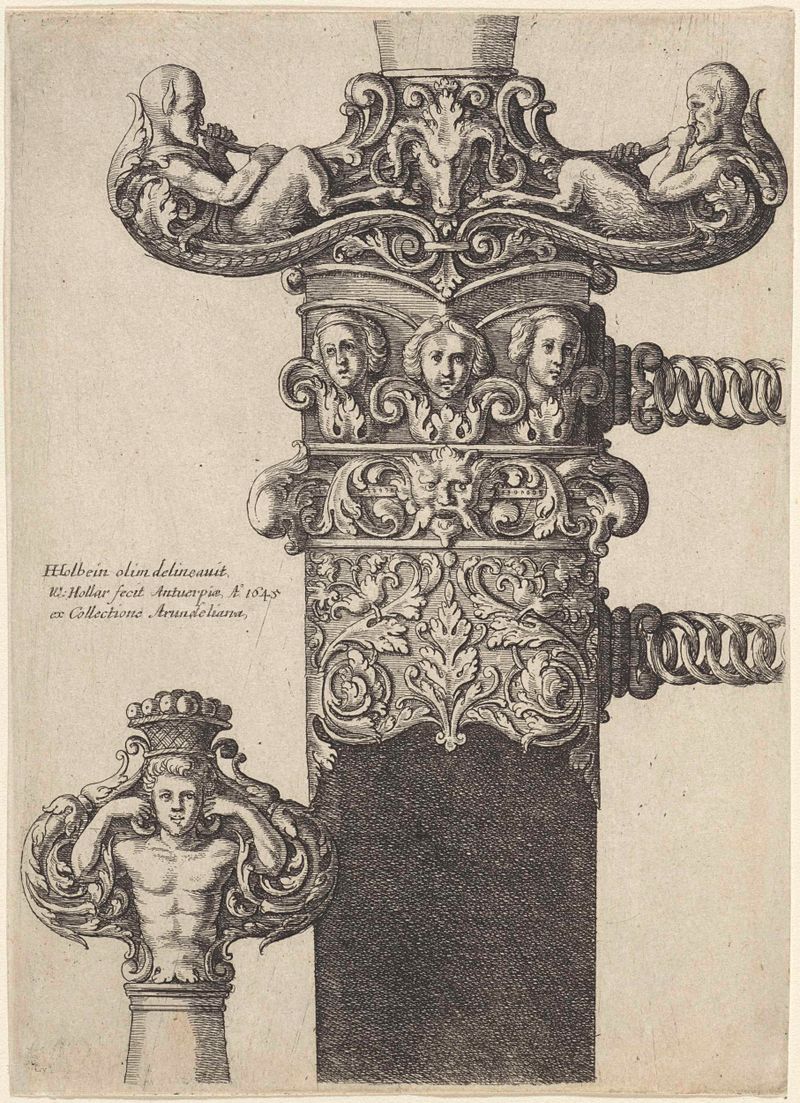
Ornamenteel ontwerp voor een dolk
Wenceslaus Hollar
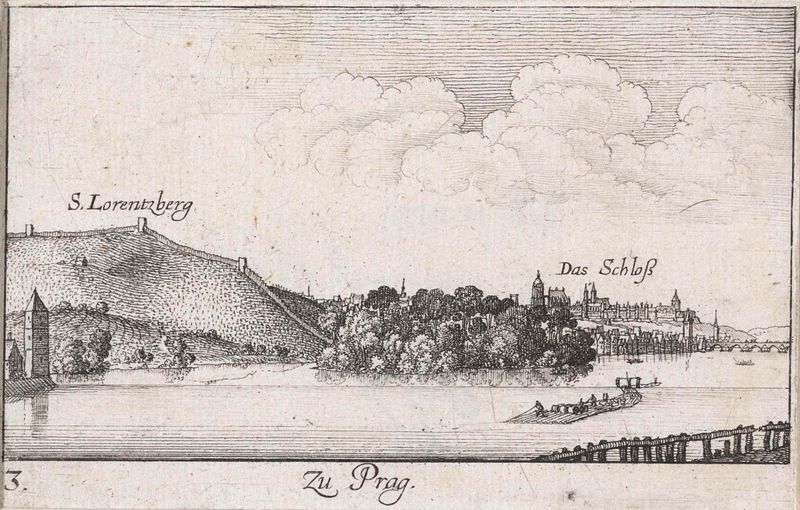
Gezicht op Praag vanaf de Moldau
Wenceslaus Hollar
More Portrait Art
Browse all →
Las meninas
Diego Velázquez

Self-portrait with a Bandaged Ear and Pipe
Unidentified artist

Girl with a Pearl Earring
Johannes Vermeer

The Sampling Officials of the Amsterdam Drapers’ Guild, Known as ‘The Syndics’
Rembrandt van Rijn

The Hundred Guilder Print: the man seen on the back in the lower left corner
Rembrandt van Rijn

Portrait of Dr Gachet
Vincent van Gogh