
Portret van een jonge vrouw met hoofddoek — History & Facts
What secret hides in the quiet of the canvas? Behind the soft folds of fabric and the gentle gaze lies an illusion crafted not just in paint, but in the depths of human emotion. Focus on the woman's serene expression, her eyes flickering with a knowing calm that draws you in. Look to the delicate play of light on the intricate texture of her headscarf, where subtle highlights and shadows create the illusion of volume. Notice how the muted color palette enhances the softness of her features, imparting a sense of intimacy that feels almost fragile. Beneath the surface, the painting speaks of identity and concealment.
The headscarf, while a symbol of modesty, also invites questions about the woman's heritage and the stories hidden beneath its layers. The juxtaposition of her poised demeanor and the underlying tension of untold narratives evokes a sense of longing, prompting viewers to ponder what remains unsaid. This duality of presence and absence transforms her likeness into an enigmatic figure that invites contemplation. In 1645, Wenceslaus Hollar created this intimate portrait during a time of great artistic exploration in Europe.
Residing in London and having fled his homeland due to the Thirty Years’ War, Hollar engaged with both the Baroque style and the burgeoning interest in realism. Amidst the turbulent socio-political climate, he captured not just the likeness of a woman but the essence of the human experience, carving a niche in the world of art that feels timeless.
More Artworks by Wenceslaus Hollar
Browse all →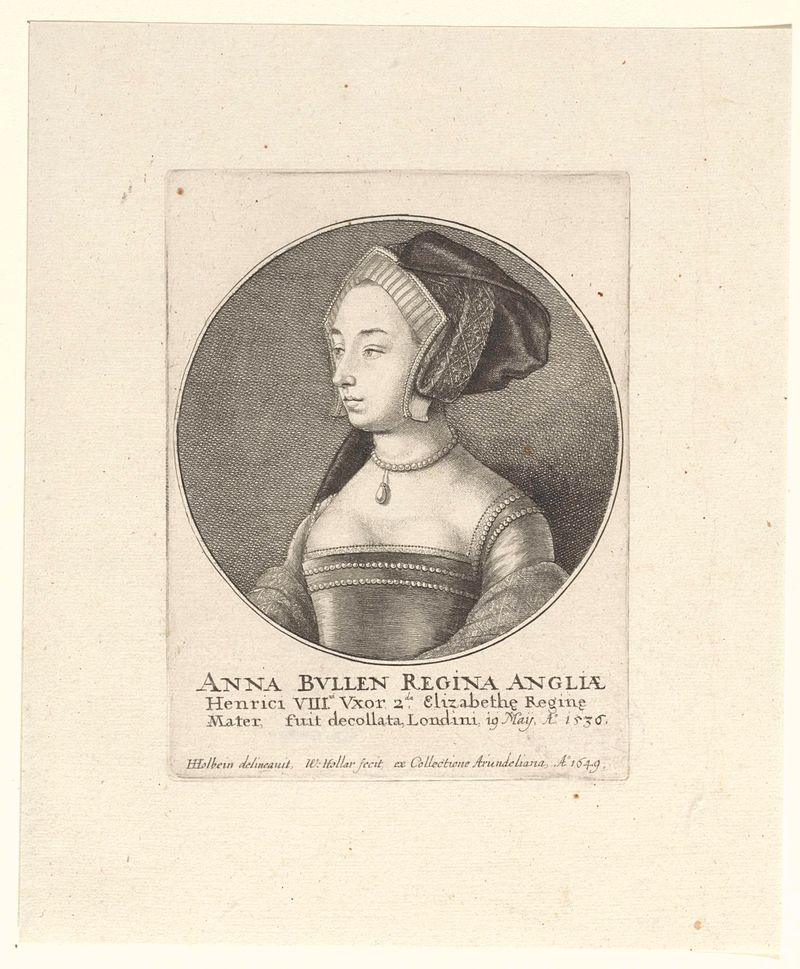
Portret van Anna Boleyn, koningin van Engeland
Wenceslaus Hollar
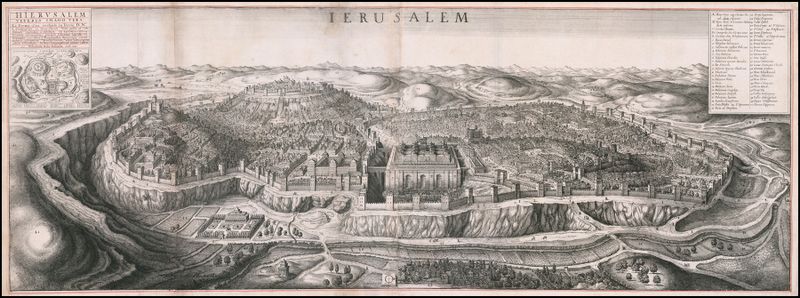
Bird’s eye view of Jerusalem
Wenceslaus Hollar
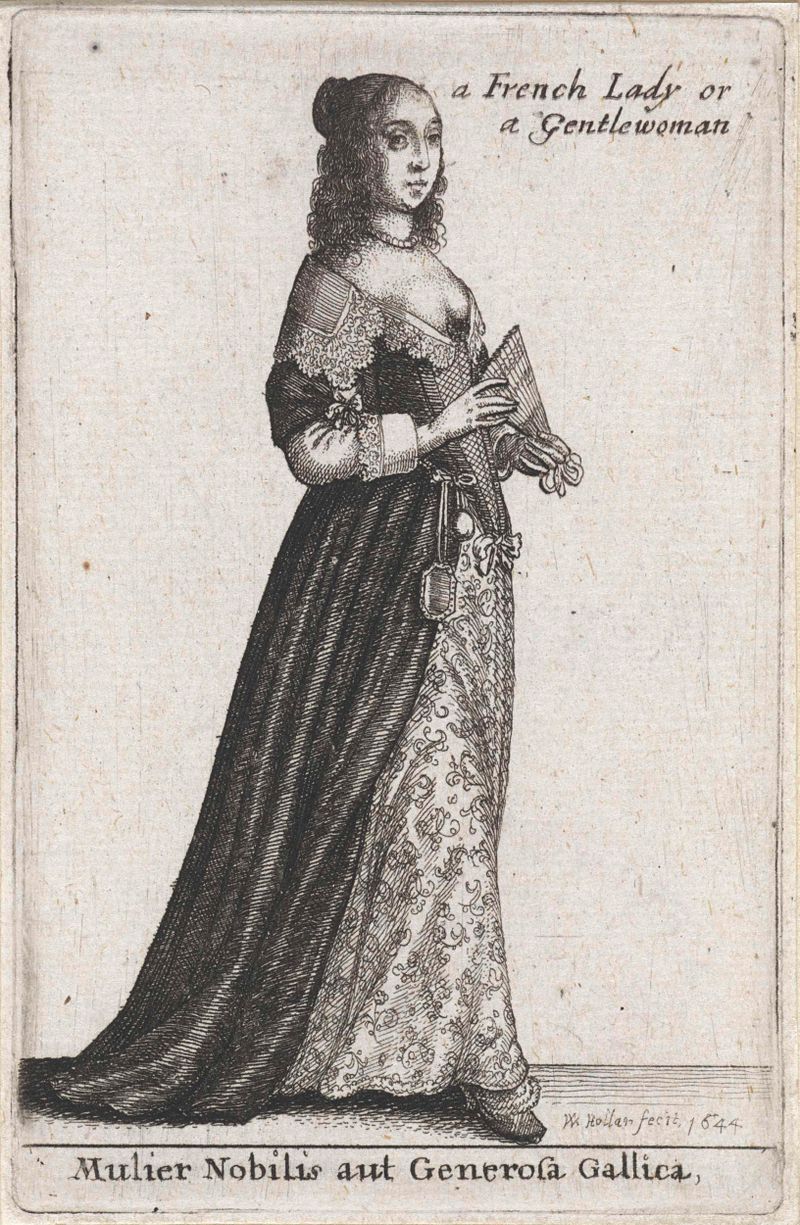
Mulier Nobilis aut Generosa Gallica / a French Lady or Gentlewoman
Wenceslaus Hollar
Titelprent voor: Ornatus Muliebris Anglicanus
Wenceslaus Hollar
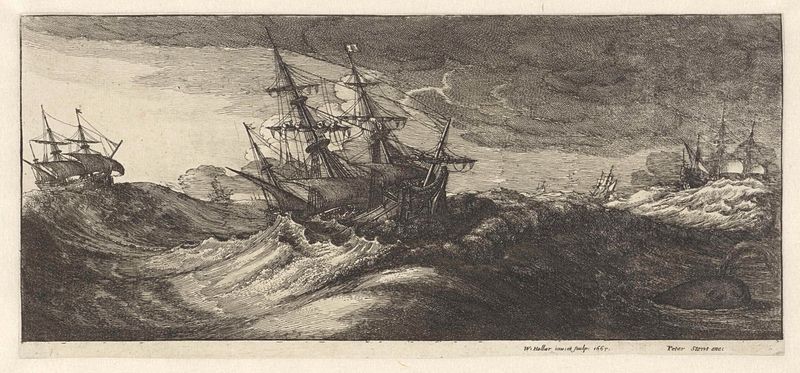
Oorlogsschepen en een walvis in een zeestorm
Wenceslaus Hollar
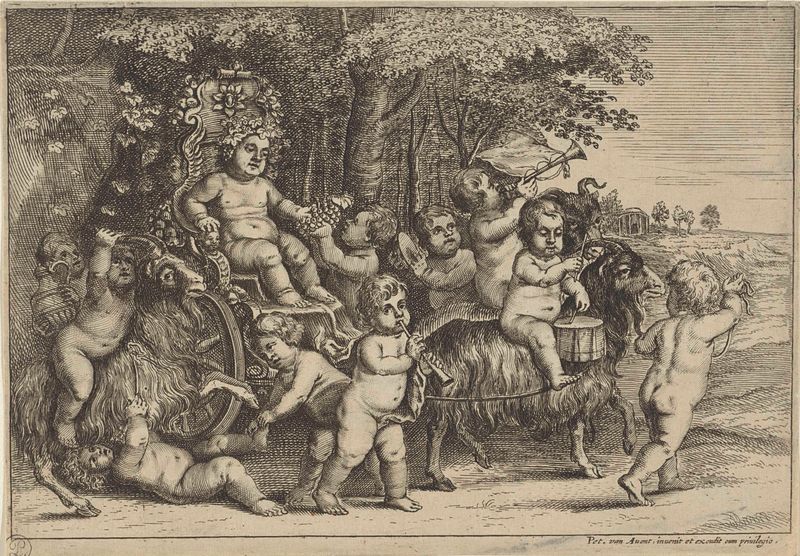
Optocht van bacchant en jongetjes op geiten
Wenceslaus Hollar
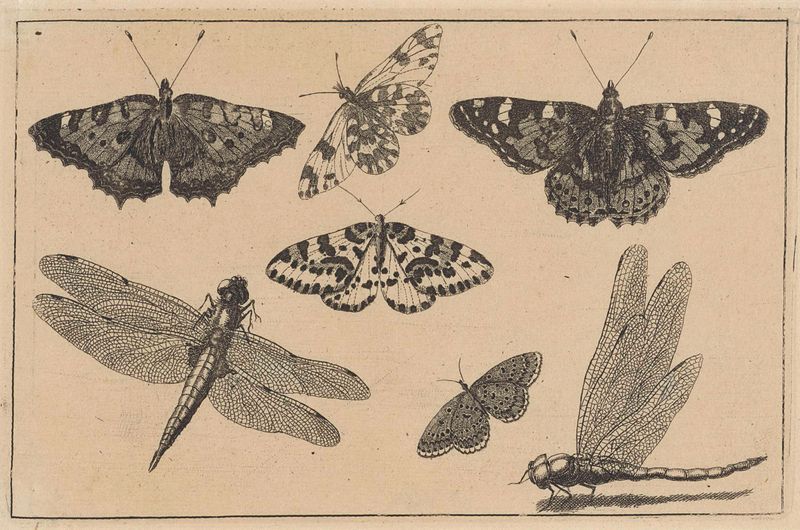
Twee libellen en vijf vlinders
Wenceslaus Hollar
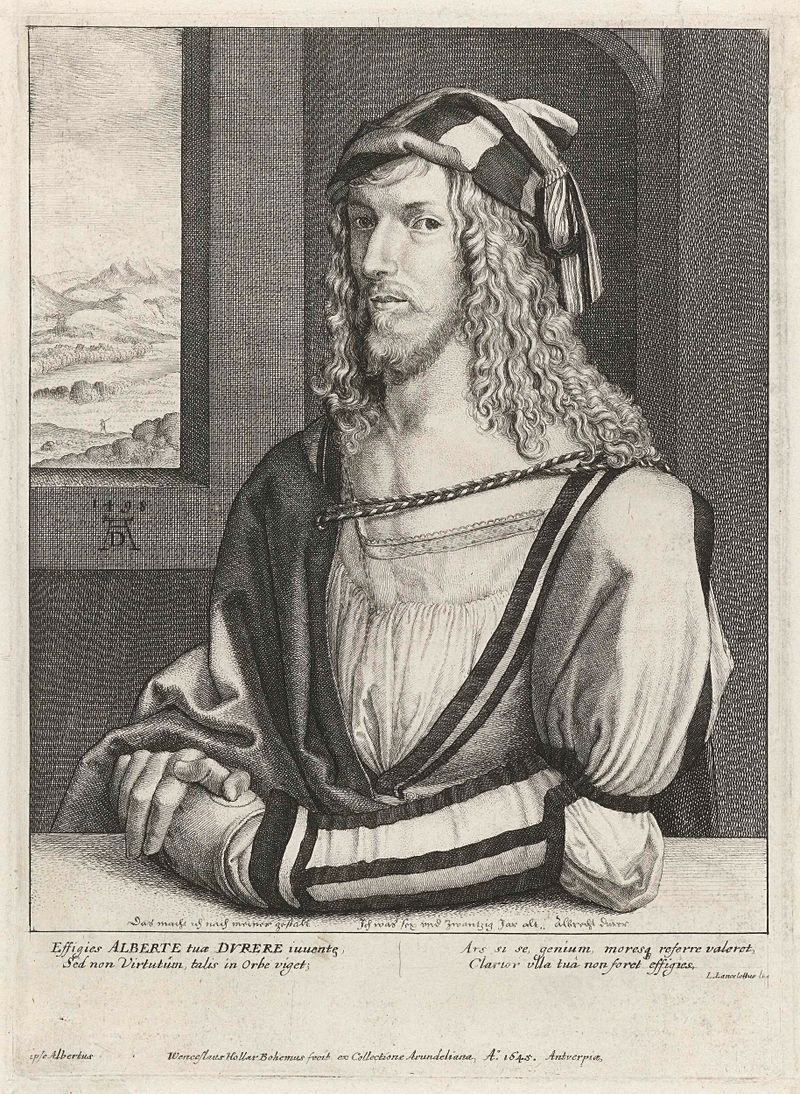
Portret van Albrecht Dürer
Wenceslaus Hollar
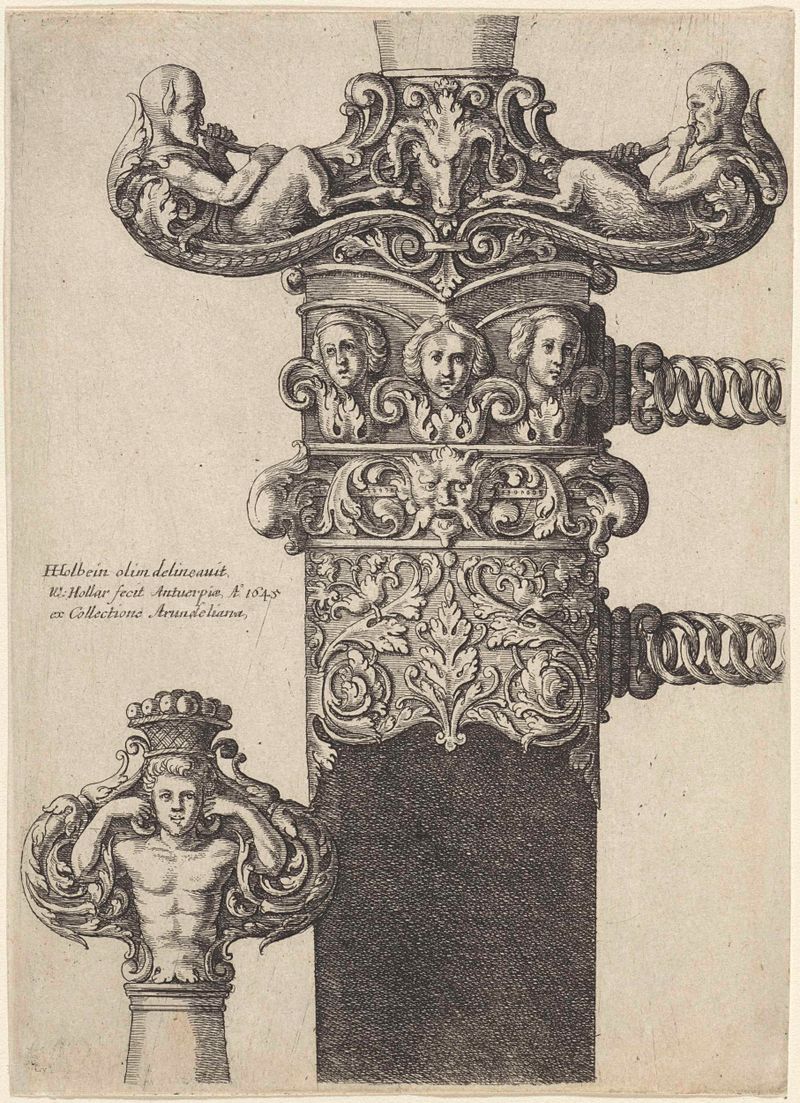
Ornamenteel ontwerp voor een dolk
Wenceslaus Hollar
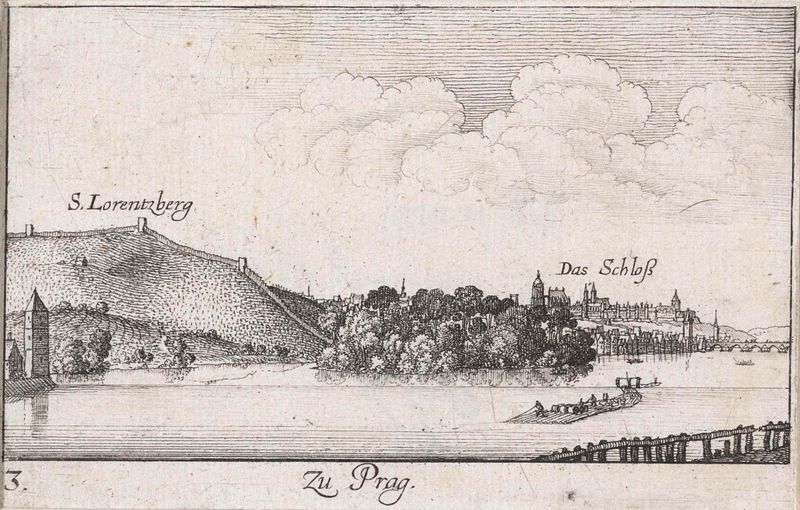
Gezicht op Praag vanaf de Moldau
Wenceslaus Hollar
More Portrait Art
Browse all →
Las meninas
Diego Velázquez

Self-portrait with a Bandaged Ear and Pipe
Unidentified artist

Girl with a Pearl Earring
Johannes Vermeer

The Sampling Officials of the Amsterdam Drapers’ Guild, Known as ‘The Syndics’
Rembrandt van Rijn

The Hundred Guilder Print: the man seen on the back in the lower left corner
Rembrandt van Rijn

Portrait of Dr Gachet
Vincent van Gogh