
Portret van een man met baard en bonnet — History & Facts
In a world of upheaval, portraits transcend mere likeness, becoming vessels of identity and resilience against the tide of change. Look to the left at the subject's penetrating gaze, framed in shadows that deepen the mystery of his character. The soft interplay of light and dark highlights the textured fabric of his bonnet and the intricate details of his beard, creating a sense of intimacy. The subdued color palette, rich browns and muted greens, evokes the somber mood of the mid-17th century, while Hollar's meticulous line work animates the man, imbuing him with a quiet strength. Consider the juxtaposition of stillness and revolution.
The man's contemplative expression speaks to his awareness of the shifting tides around him, while his very presence acts as a silent witness to the social upheavals of the time. The bonnet, often associated with the lower classes, hints at a layered narrative of identity, status, and the collective spirit of a society on the brink of transformation. Wenceslaus Hollar created this portrait in 1646 while living in London, having fled his native Prague after the devastation of the Thirty Years' War. The artistic scene was one of exploration and tumult, as Hollar contributed to the burgeoning English artistic identity, navigating the complexities of his experiences during a time fraught with political and social revolution.
More Artworks by Wenceslaus Hollar
Browse all →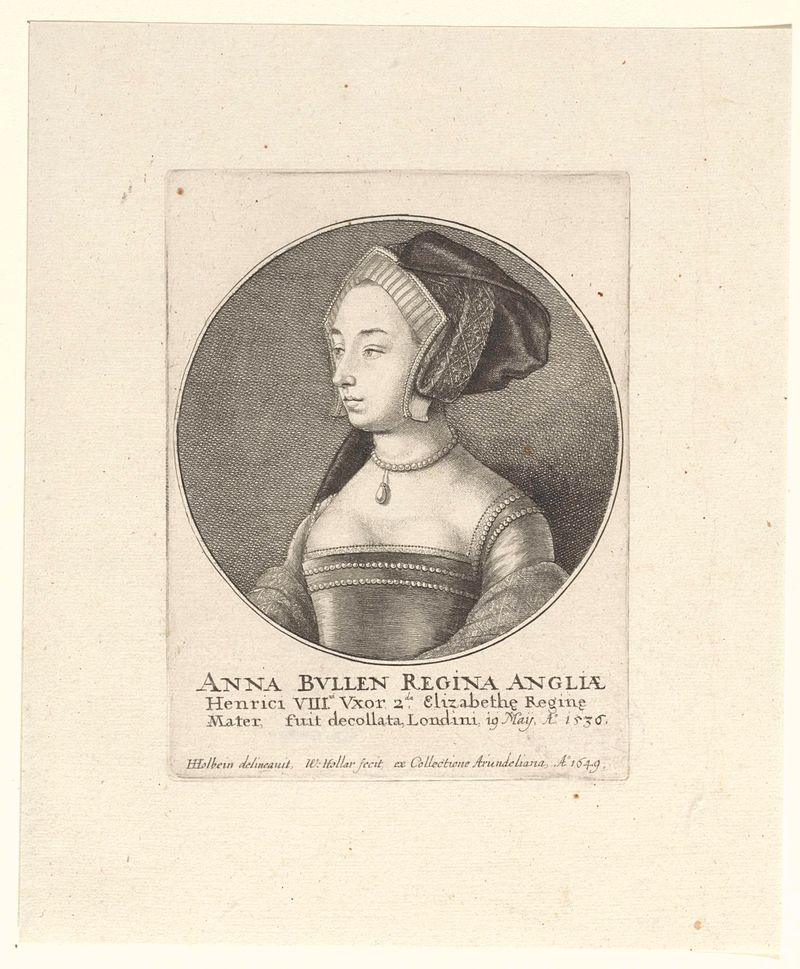
Portret van Anna Boleyn, koningin van Engeland
Wenceslaus Hollar
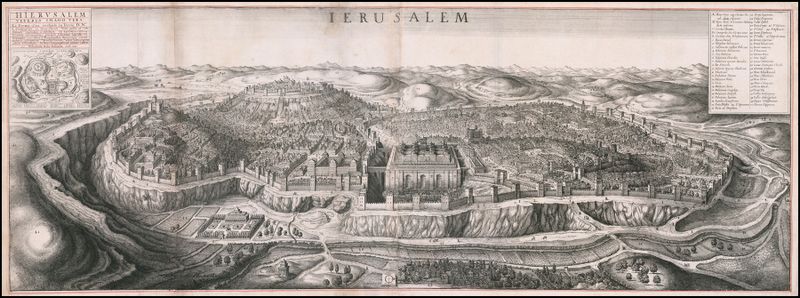
Bird’s eye view of Jerusalem
Wenceslaus Hollar
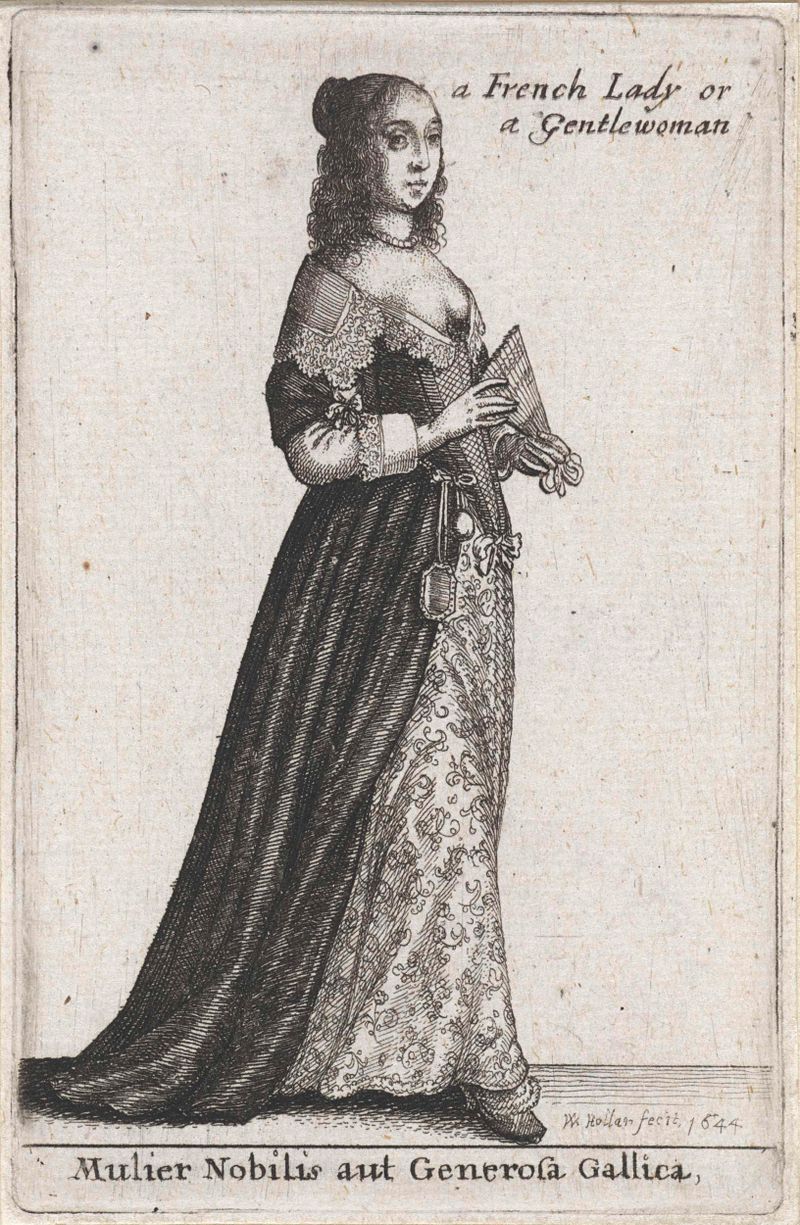
Mulier Nobilis aut Generosa Gallica / a French Lady or Gentlewoman
Wenceslaus Hollar
Titelprent voor: Ornatus Muliebris Anglicanus
Wenceslaus Hollar
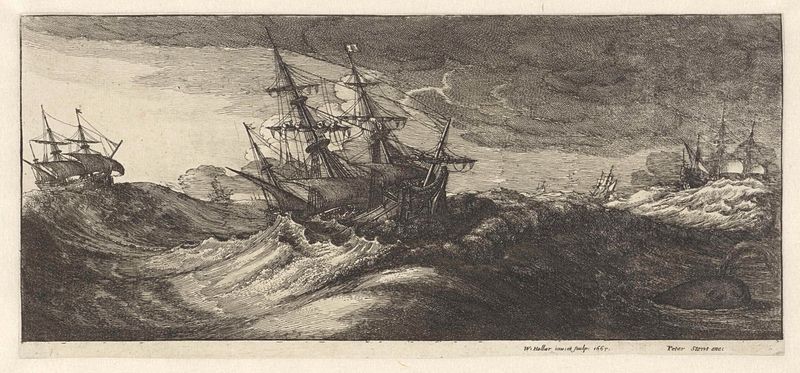
Oorlogsschepen en een walvis in een zeestorm
Wenceslaus Hollar
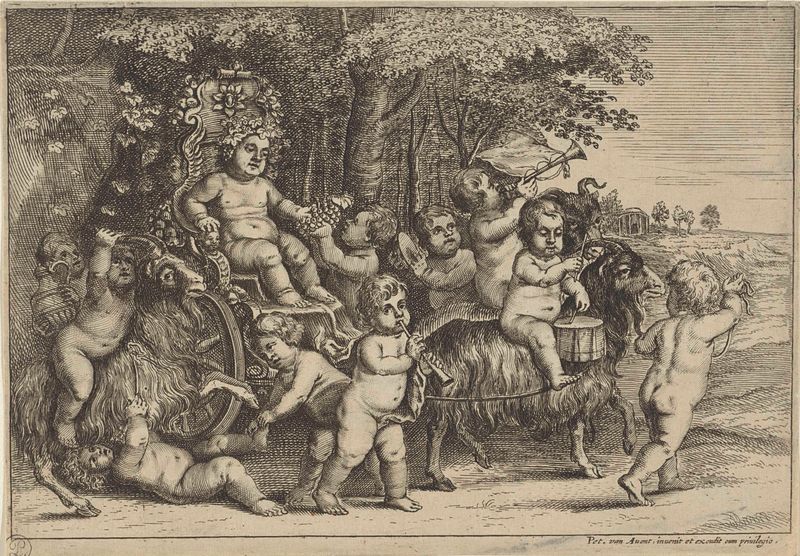
Optocht van bacchant en jongetjes op geiten
Wenceslaus Hollar
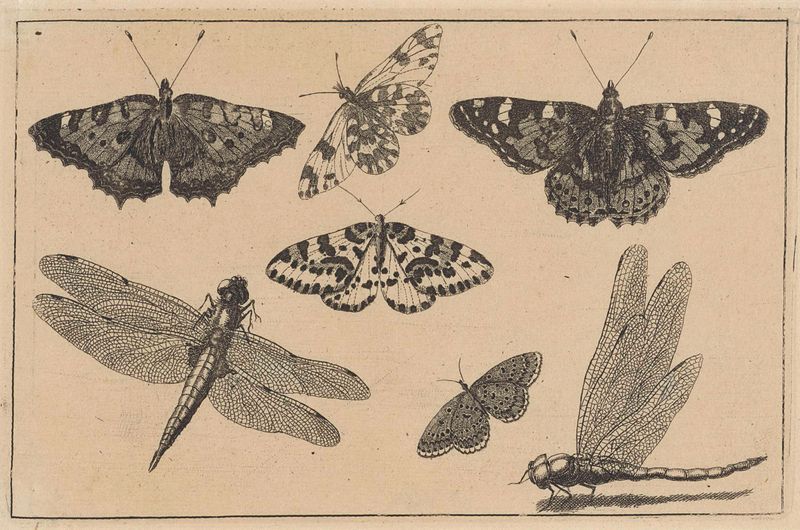
Twee libellen en vijf vlinders
Wenceslaus Hollar
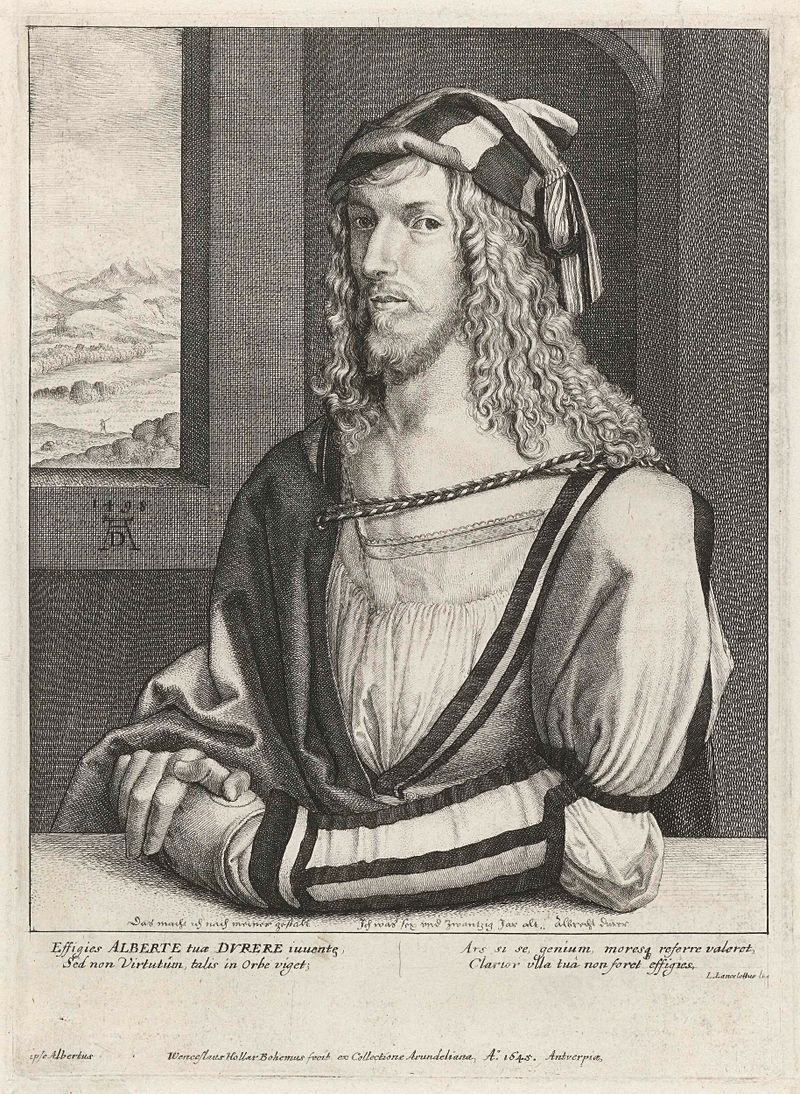
Portret van Albrecht Dürer
Wenceslaus Hollar
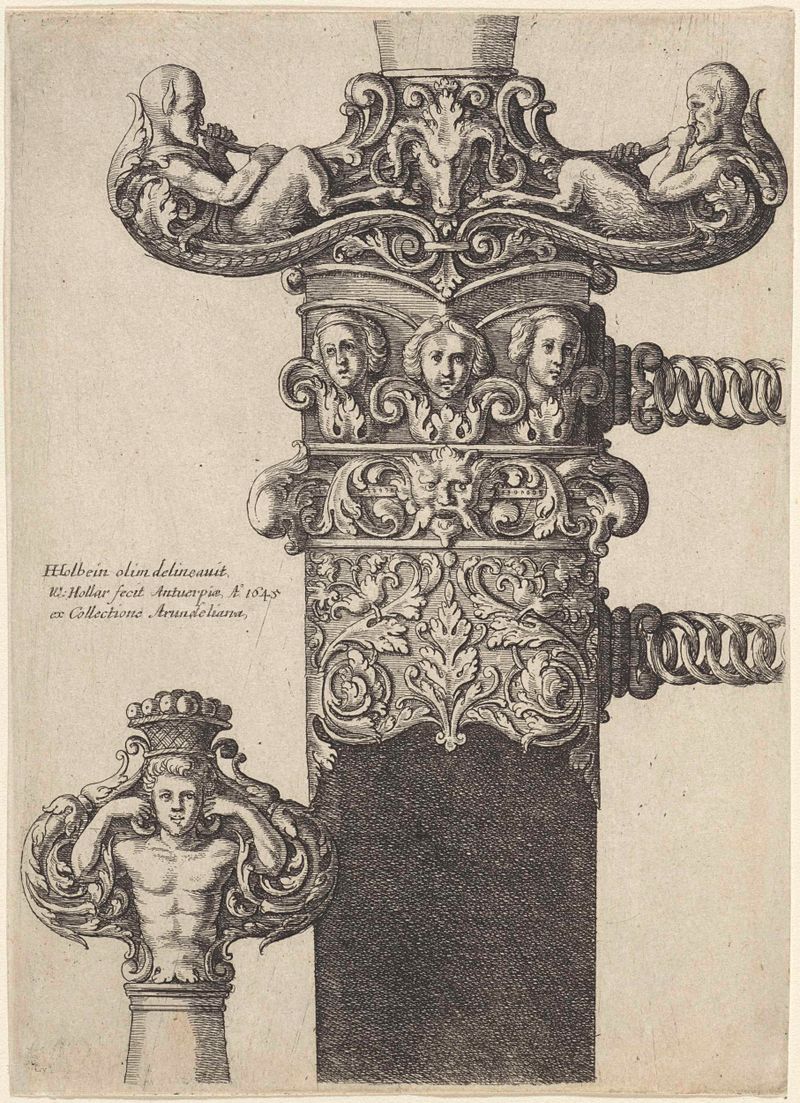
Ornamenteel ontwerp voor een dolk
Wenceslaus Hollar
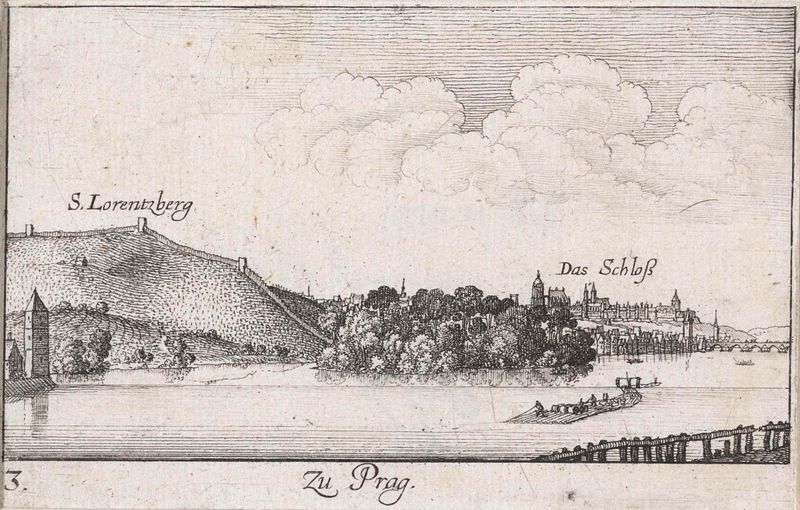
Gezicht op Praag vanaf de Moldau
Wenceslaus Hollar
More Portrait Art
Browse all →
Las meninas
Diego Velázquez

Self-portrait with a Bandaged Ear and Pipe
Unidentified artist

Girl with a Pearl Earring
Johannes Vermeer

The Sampling Officials of the Amsterdam Drapers’ Guild, Known as ‘The Syndics’
Rembrandt van Rijn

The Hundred Guilder Print: the man seen on the back in the lower left corner
Rembrandt van Rijn

Portrait of Dr Gachet
Vincent van Gogh