
Portret van een man met baret — History & Facts
Can paint confess what words never could? In Wenceslaus Hollar's Portret van een man met baret, we find ourselves peering into the chaos of identity, captured in a moment where silence speaks louder than the brushstrokes. Look closely at the figure's eyes, which seem to hold a tumult of thoughts and untold stories. The careful rendering of the baret, perched slightly askew, contrasts with the meticulous detailing of the man's face, drawing us in. Notice how the chiaroscuro technique imbues the portrait with depth, as light dances delicately across his features, revealing a character both introspective and enigmatic.
The muted color palette harmonizes the composition, allowing the viewer to focus on the subject’s compelling presence. The tension between tranquility and unrest emerges in the subtle wrinkles that map his life’s hardships, whispering of a past cloaked in chaos. Each brushstroke seems to vibrate with the weight of unvoiced emotions, suggesting a narrative that intertwines pride and vulnerability. The baret, a defining accessory, hints at social status and personal history, adding layers to the man’s identity and the era's complexities. Wenceslaus Hollar created this poignant piece between 1640 and 1670, during a time marked by political upheaval and cultural transformation in Europe.
Living in Amsterdam after fleeing the Thirty Years' War, he engaged with the burgeoning art scene, reflecting the shifting tides of society in his work. This portrait encapsulates the intersection of personal turmoil and the broader chaos of the world, making the viewer ponder the intricate layers that define a single human experience.
More Artworks by Wenceslaus Hollar
Browse all →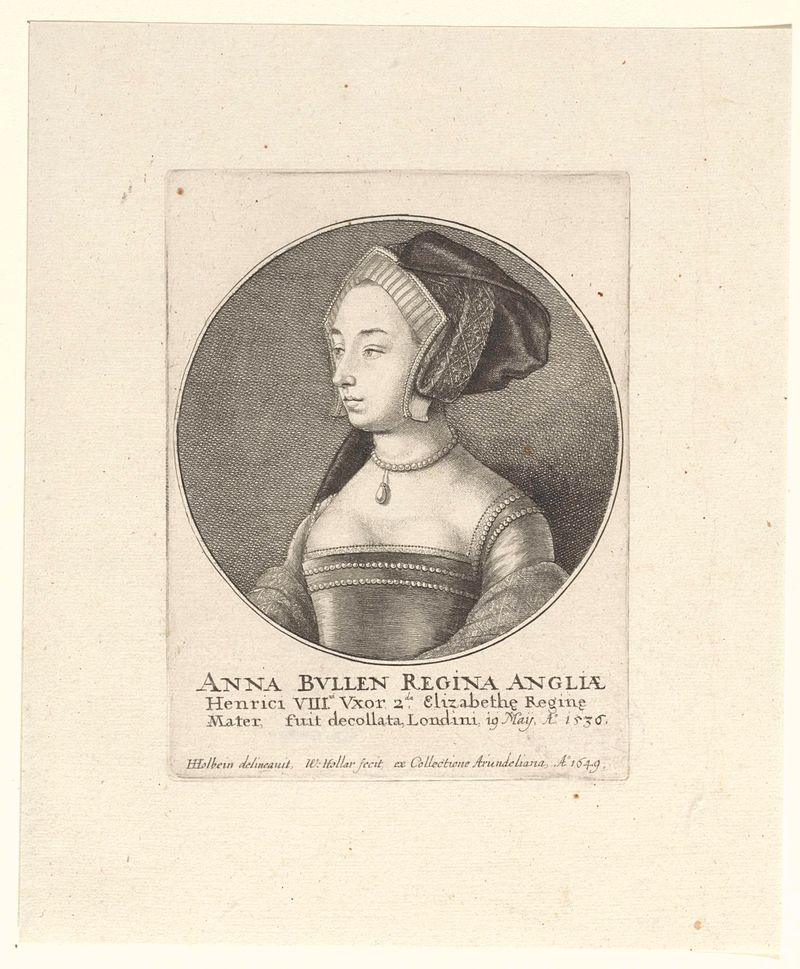
Portret van Anna Boleyn, koningin van Engeland
Wenceslaus Hollar
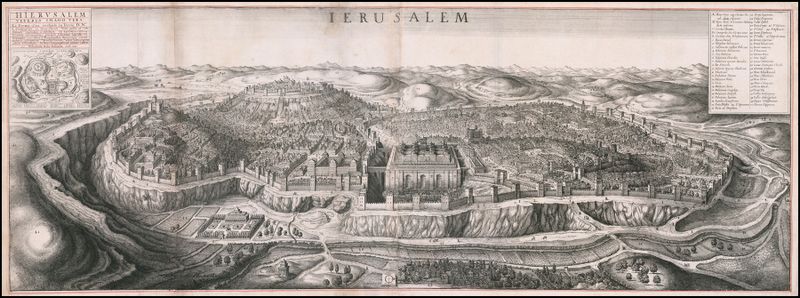
Bird’s eye view of Jerusalem
Wenceslaus Hollar
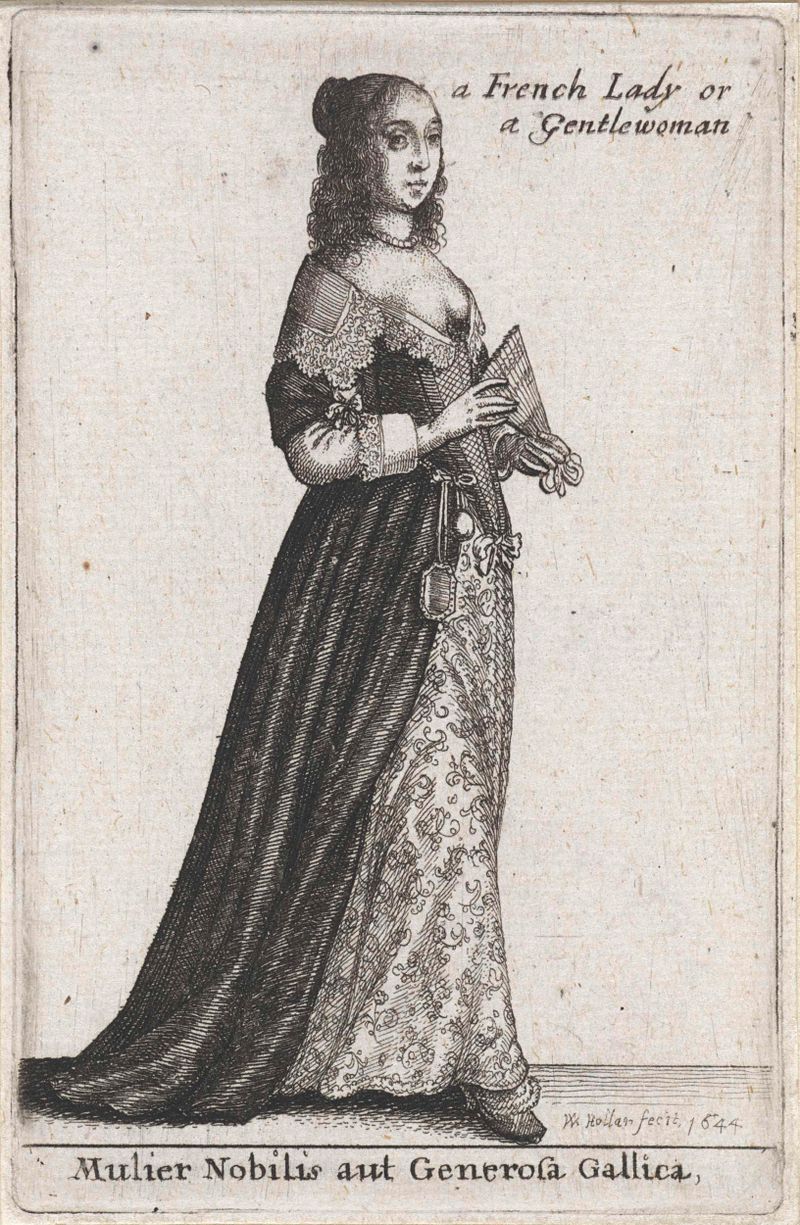
Mulier Nobilis aut Generosa Gallica / a French Lady or Gentlewoman
Wenceslaus Hollar
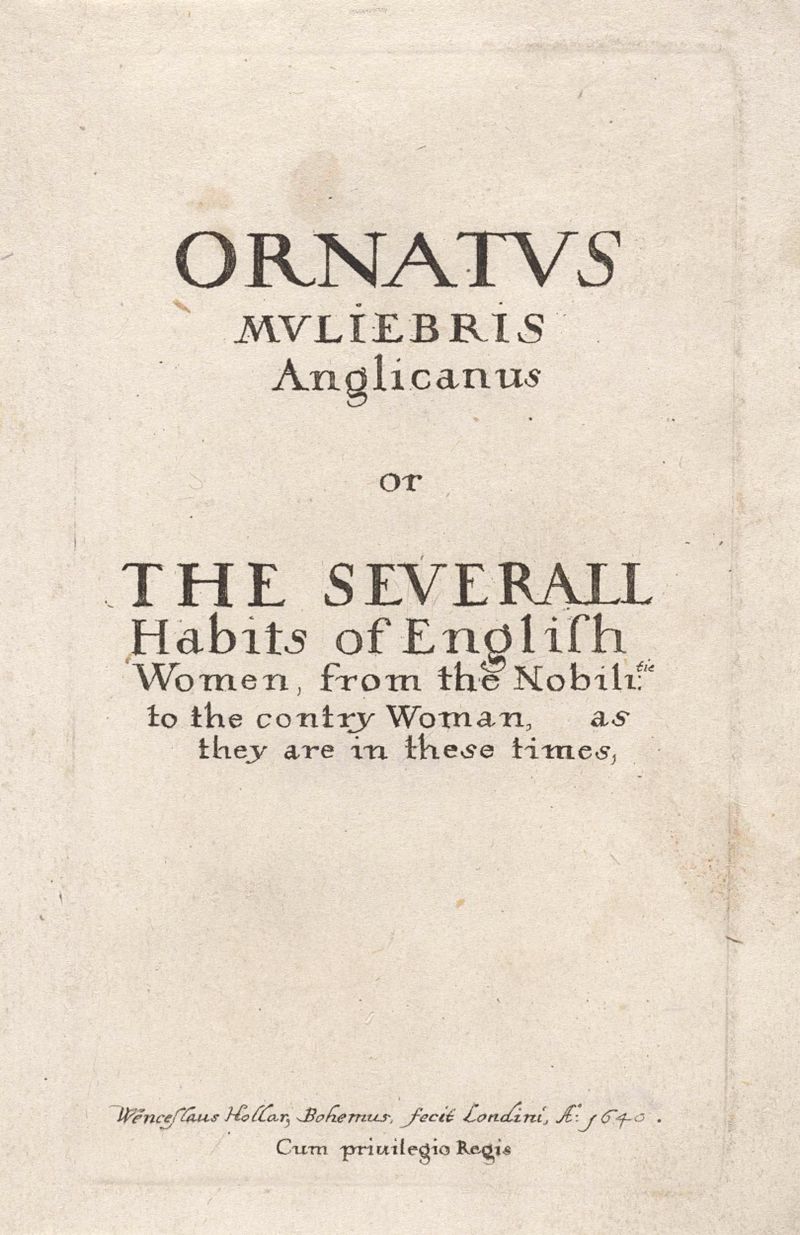
Titelprent voor: Ornatus Muliebris Anglicanus
Wenceslaus Hollar
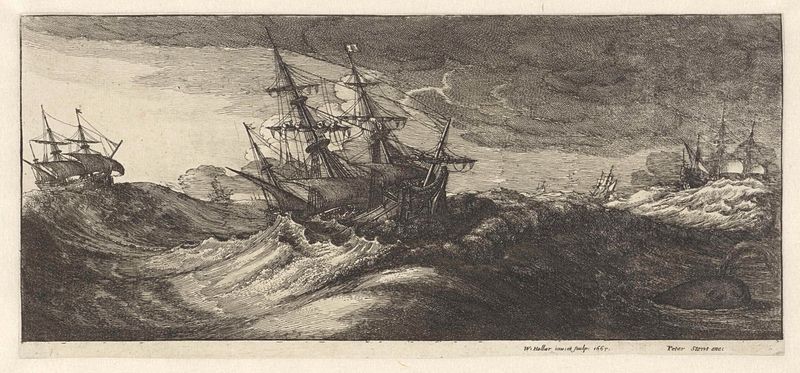
Oorlogsschepen en een walvis in een zeestorm
Wenceslaus Hollar
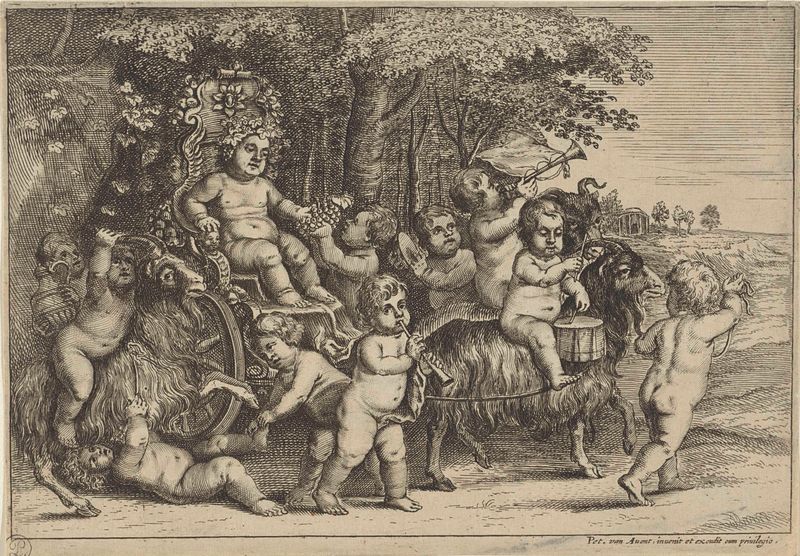
Optocht van bacchant en jongetjes op geiten
Wenceslaus Hollar
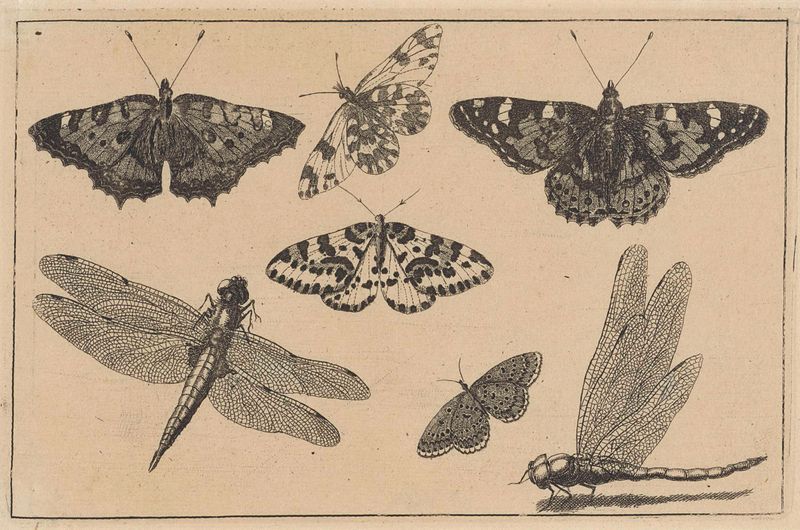
Twee libellen en vijf vlinders
Wenceslaus Hollar
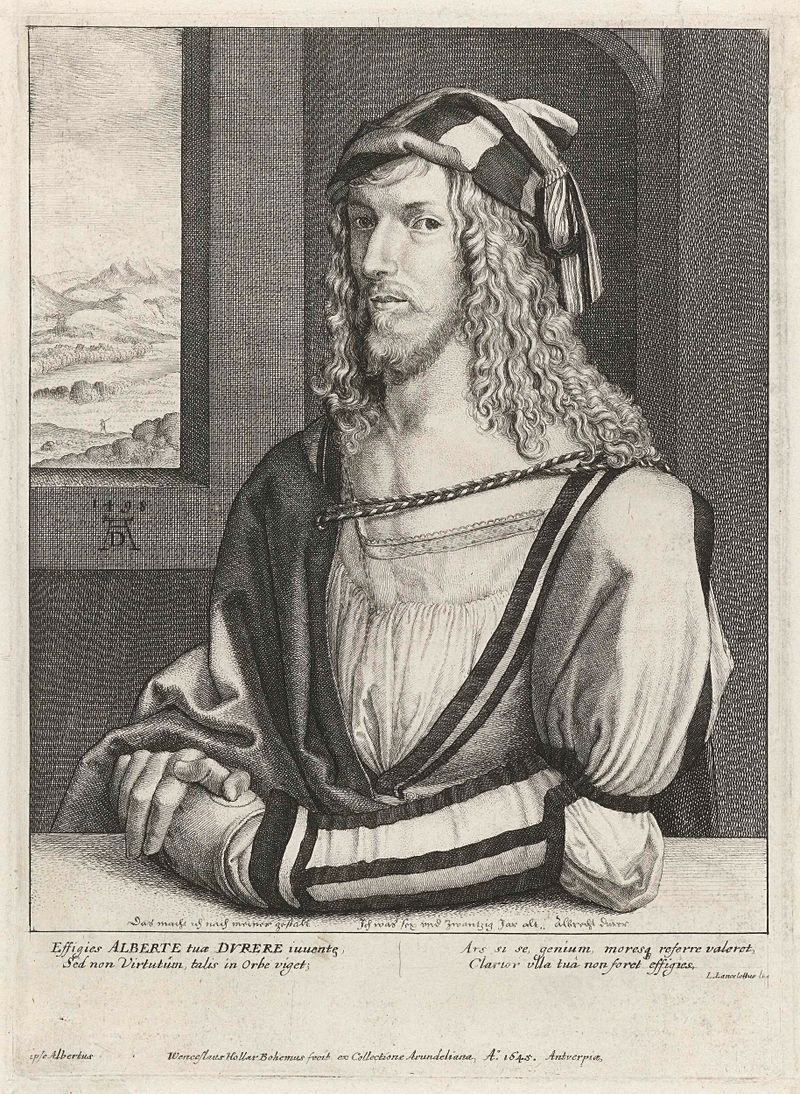
Portret van Albrecht Dürer
Wenceslaus Hollar
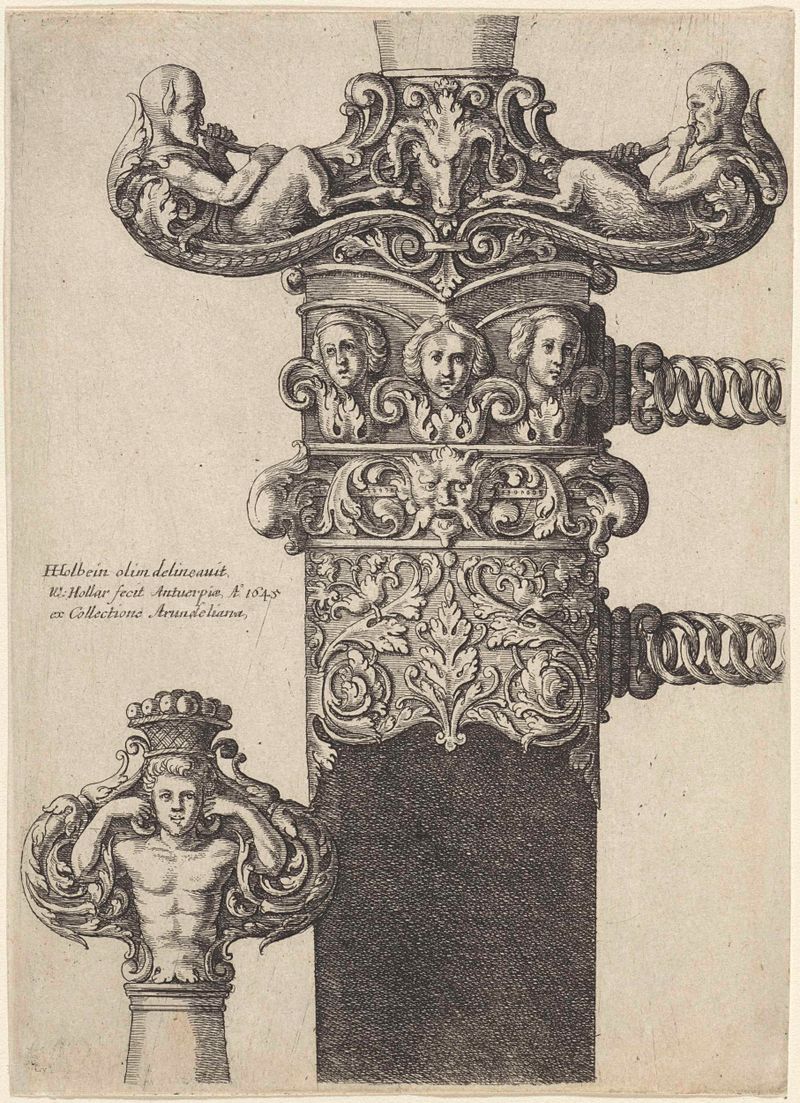
Ornamenteel ontwerp voor een dolk
Wenceslaus Hollar
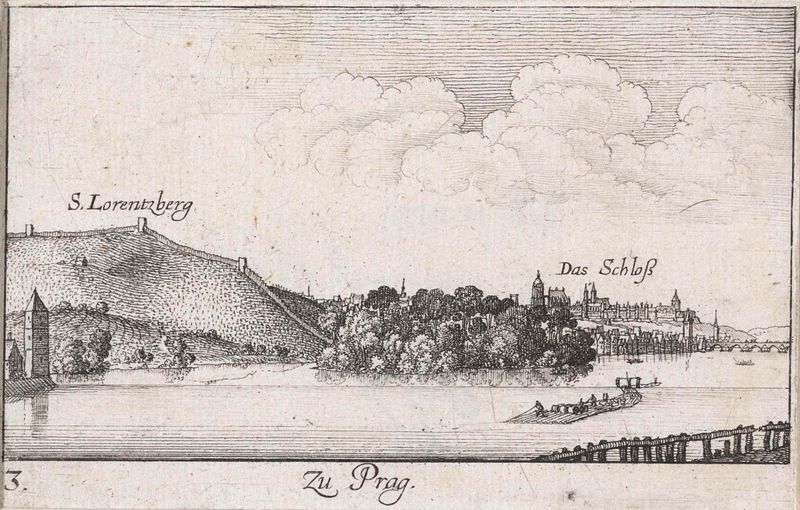
Gezicht op Praag vanaf de Moldau
Wenceslaus Hollar
More Portrait Art
Browse all →
Las meninas
Diego Velázquez

Self-portrait with a Bandaged Ear and Pipe
Unidentified artist

Girl with a Pearl Earring
Johannes Vermeer

The Sampling Officials of the Amsterdam Drapers’ Guild, Known as ‘The Syndics’
Rembrandt van Rijn

The Hundred Guilder Print: the man seen on the back in the lower left corner
Rembrandt van Rijn

Portrait of Dr Gachet
Vincent van Gogh