
Portret van een Turkse man met snor en tulband — History & Facts
Could a single brushstroke hold eternity? In Portret van een Turkse man met snor en tulband, Wenceslaus Hollar captures the weight of existence, intertwining identity and fear in every detail. Look closely at the Turkish man's face; the depth of his expression draws you in first. Notice the way the light gently caresses his cheek, accentuating the curve of his mustache and casting shadows that evoke a sense of contemplation. Hollar's precise line work and subtle use of color create a striking contrast—between the soft fabric of the tulband and the strength of the man's gaze.
The intricate patterns of his attire add layers of complexity to the portrait, inviting a closer inspection that reveals the artist's skilled craftsmanship. Delve deeper into the nuances—the slight furrow in the man's brow and the intensity in his eyes suggest a tumultuous inner world. The tulband, traditionally representing status and cultural identity, becomes a poignant symbol of the intersection between pride and vulnerability. Each fold of fabric envelops not just his head, but hints at the weight of expectations and fears that accompany such an identity in a changing world. Wenceslaus Hollar painted this work in 1645 while residing in Antwerp, a city rich with artistic exchanges.
At this time, Europe was witnessing a burgeoning interest in diverse cultures, yet it was also an era marked by tension and conflict. The artist's experience as a refugee during the Thirty Years' War profoundly influenced his perspective, allowing him to convey not just the physical likeness of his subject, but also the emotional landscape that lay beneath the surface.
More Artworks by Wenceslaus Hollar
Browse all →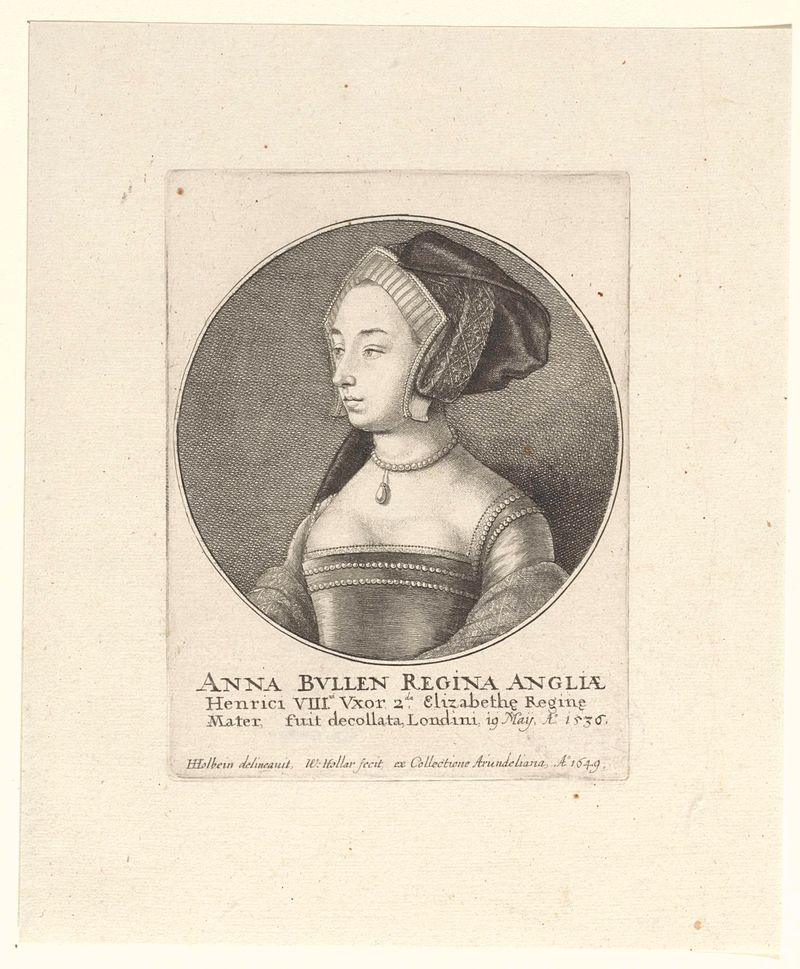
Portret van Anna Boleyn, koningin van Engeland
Wenceslaus Hollar
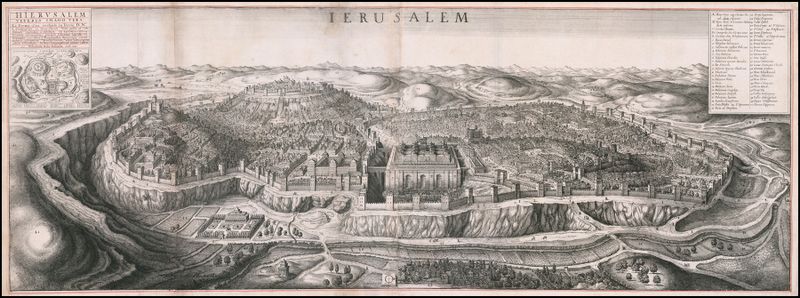
Bird’s eye view of Jerusalem
Wenceslaus Hollar
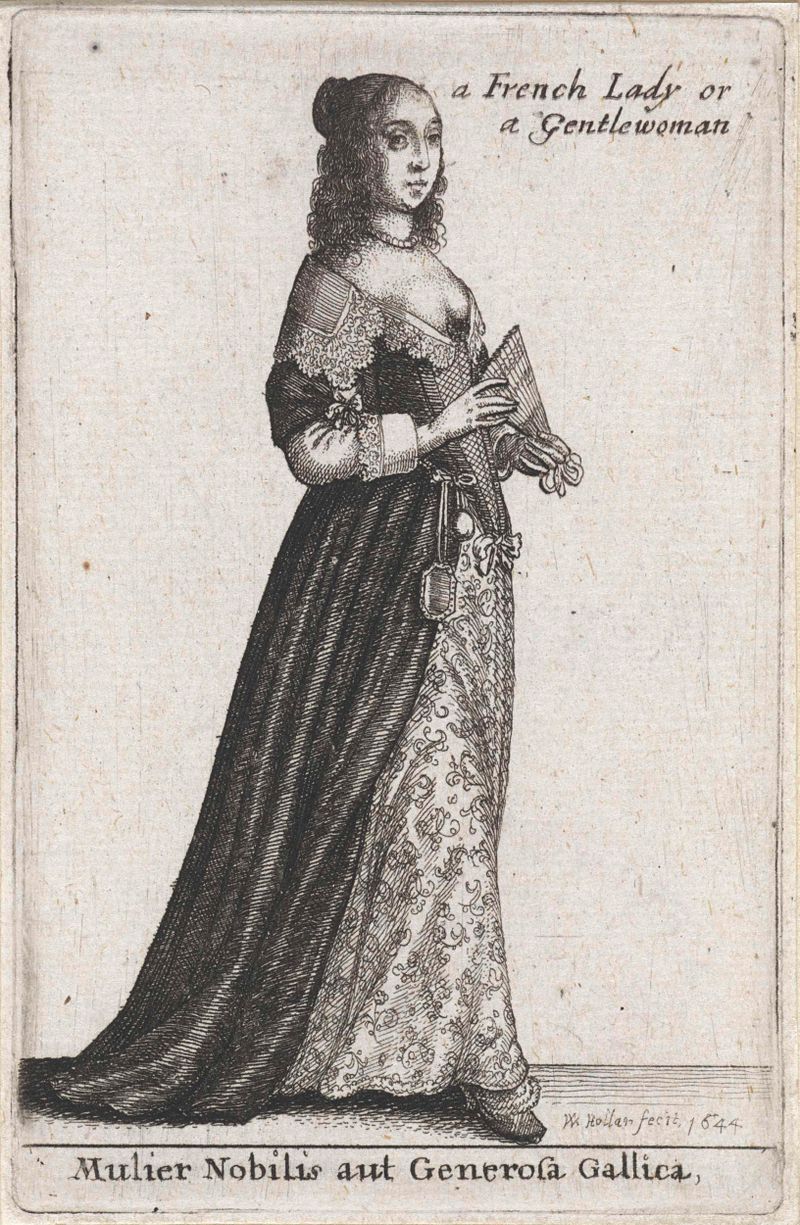
Mulier Nobilis aut Generosa Gallica / a French Lady or Gentlewoman
Wenceslaus Hollar
Titelprent voor: Ornatus Muliebris Anglicanus
Wenceslaus Hollar
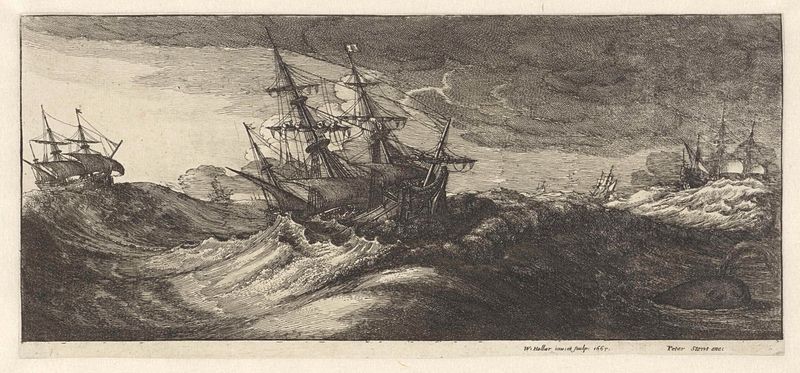
Oorlogsschepen en een walvis in een zeestorm
Wenceslaus Hollar
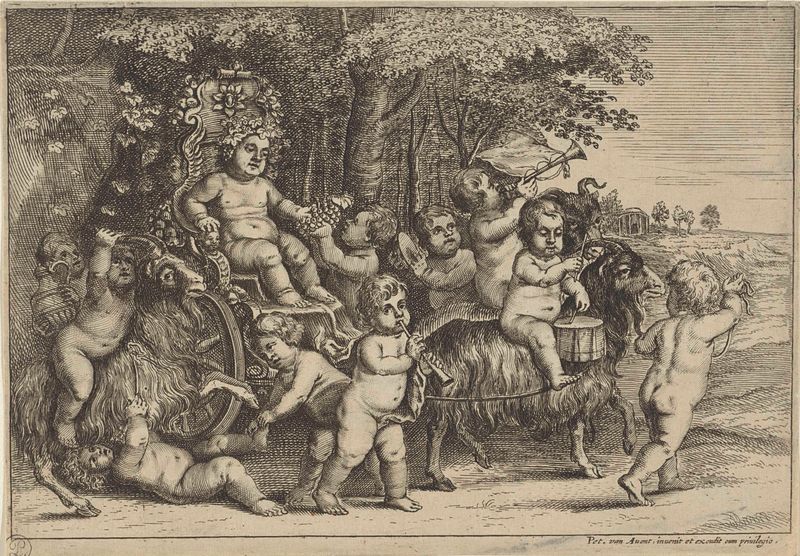
Optocht van bacchant en jongetjes op geiten
Wenceslaus Hollar
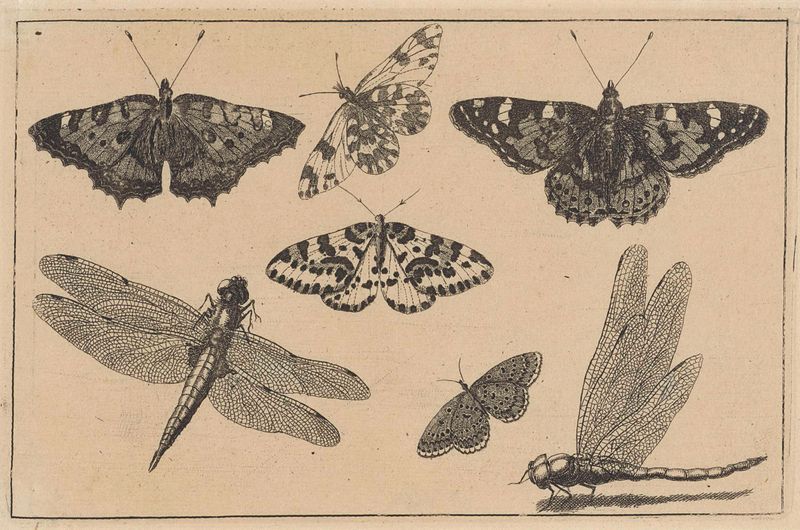
Twee libellen en vijf vlinders
Wenceslaus Hollar
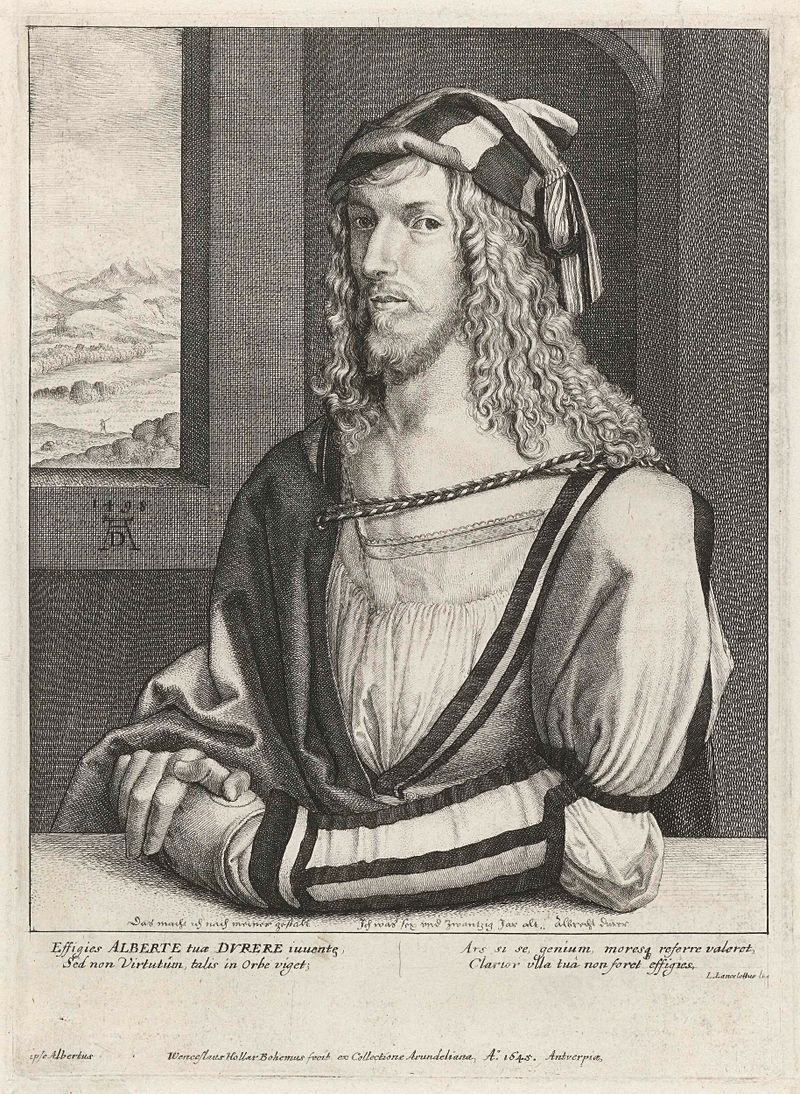
Portret van Albrecht Dürer
Wenceslaus Hollar
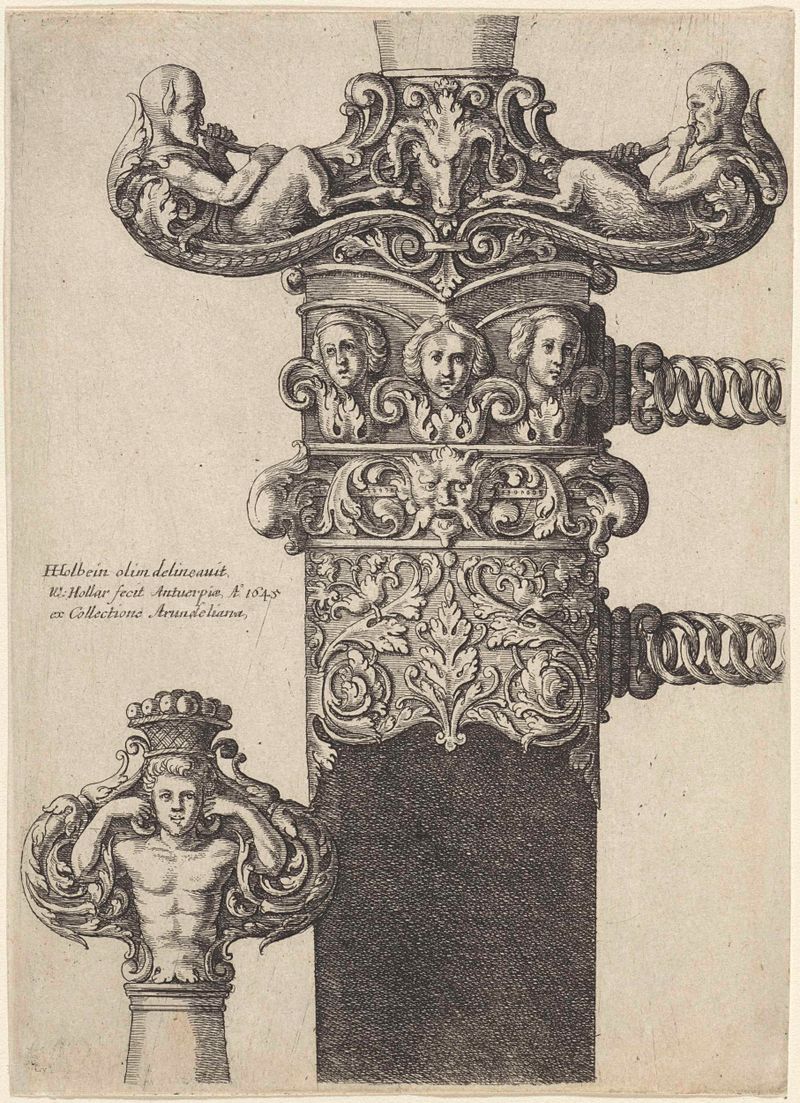
Ornamenteel ontwerp voor een dolk
Wenceslaus Hollar
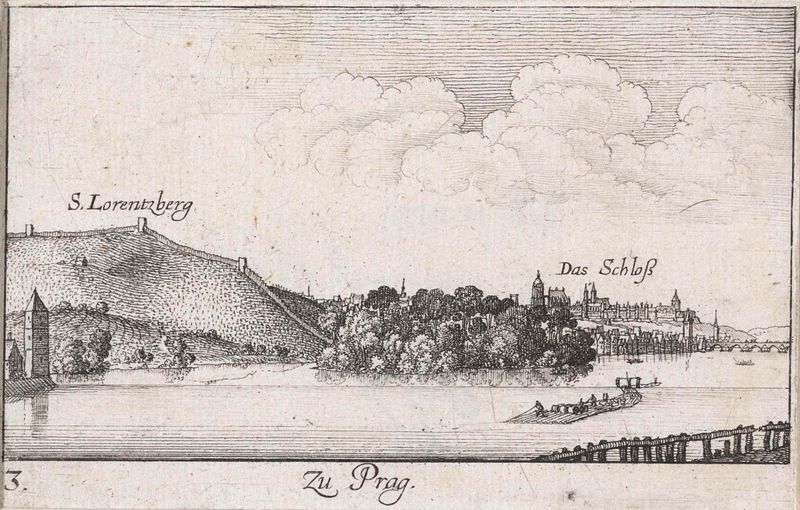
Gezicht op Praag vanaf de Moldau
Wenceslaus Hollar
More Portrait Art
Browse all →
Las meninas
Diego Velázquez

Self-portrait with a Bandaged Ear and Pipe
Unidentified artist

Girl with a Pearl Earring
Johannes Vermeer

The Sampling Officials of the Amsterdam Drapers’ Guild, Known as ‘The Syndics’
Rembrandt van Rijn

The Hundred Guilder Print: the man seen on the back in the lower left corner
Rembrandt van Rijn

Portrait of Dr Gachet
Vincent van Gogh