
Portret van een vrouw met houpette — History & Facts
Who listens when art speaks of silence? In Portret van een vrouw met houpette, the whisper of stillness envelops the viewer, inviting a profound moment of introspection. Look closely at the delicate features of the woman, her gaze poised yet distant, drawing you in like a secret shared only with those who take the time to examine. Notice how the soft hues of her attire, a muted palette of earthy tones, contrast against the bold backdrop, emphasizing her presence as both striking and serene. The intricate detailing of the houpette, a small, feathered cap, captures light beautifully, showcasing Hollar’s meticulous etching technique, where every line vibrates with life and purpose. Within this composition, a delicate tension unfolds between the elegance and quietness of the subject.
Her slightly parted lips suggest an unvoiced thought longing for expression, while the soft shadows that drape across her face evoke feelings of nostalgia and longing. The gentle curves of her form convey a sense of gracefulness juxtaposed with the emotional weight of silence — an awakening to hidden stories left unspoken. Hollar created this artwork in the early 17th century, a period during which he was navigating the complexities of exile and innovation in his artistic practice. Living in England after fleeing from his native Bohemia, the artist was deeply influenced by the evolving styles of his time, merging them with his own unique voice.
This portrait not only reflects his technical prowess but also highlights a moment in history where art began to explore the depths of human experience and emotion.
More Artworks by Wenceslaus Hollar
Browse all →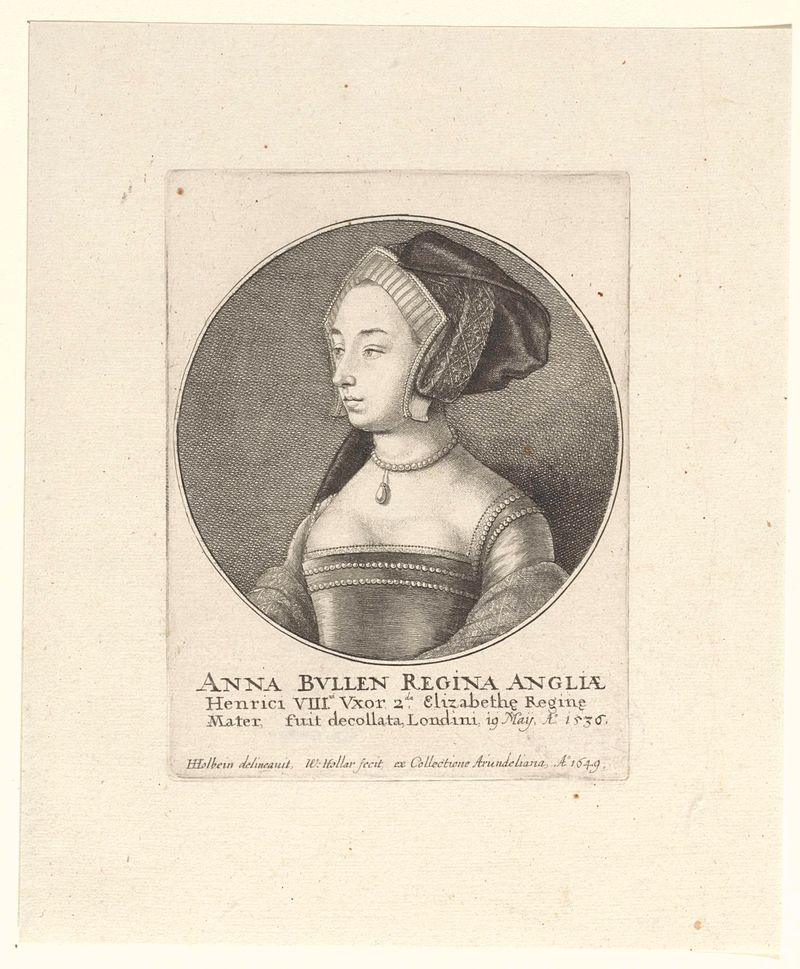
Portret van Anna Boleyn, koningin van Engeland
Wenceslaus Hollar
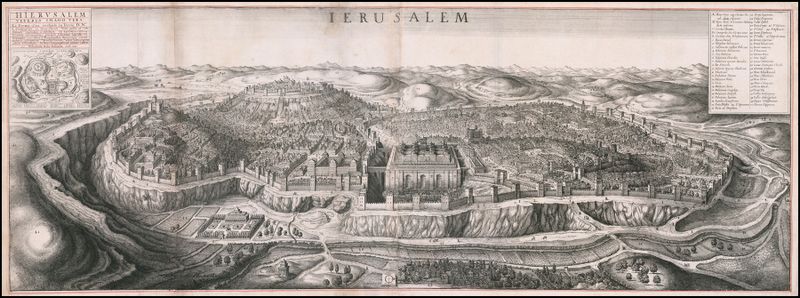
Bird’s eye view of Jerusalem
Wenceslaus Hollar
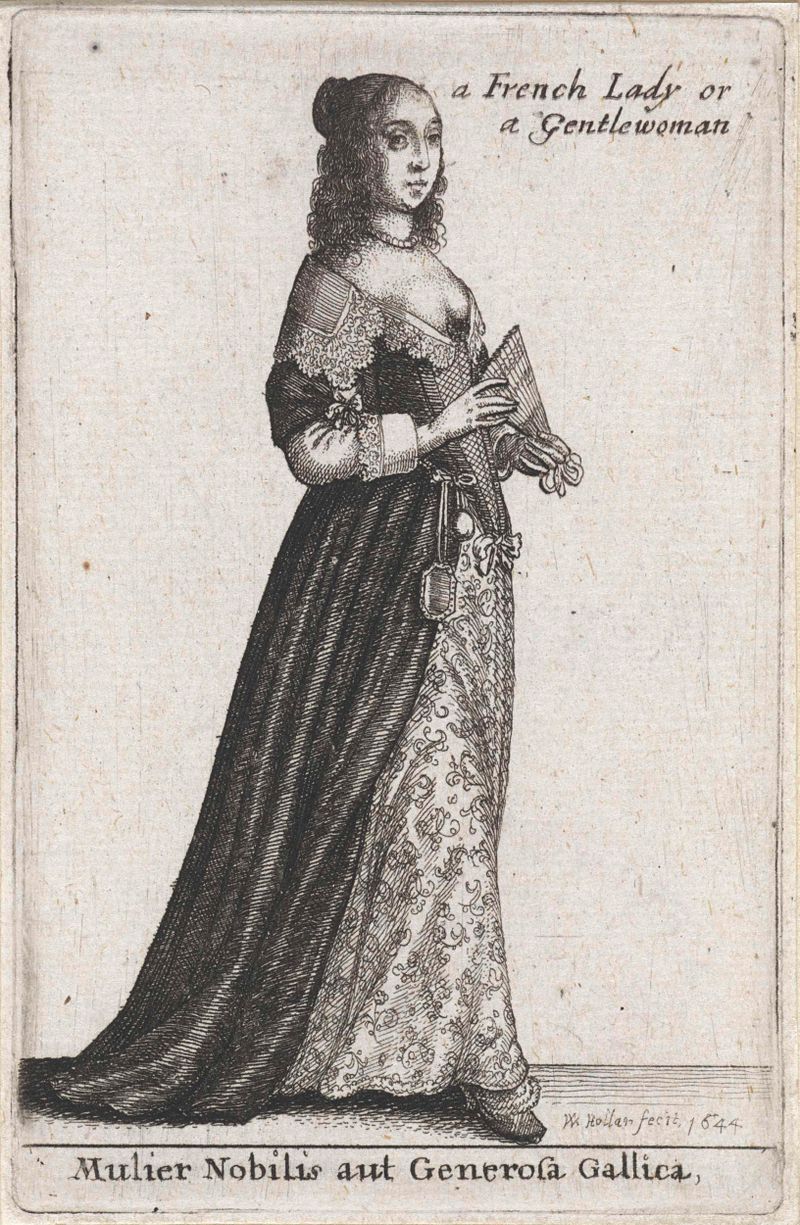
Mulier Nobilis aut Generosa Gallica / a French Lady or Gentlewoman
Wenceslaus Hollar
Titelprent voor: Ornatus Muliebris Anglicanus
Wenceslaus Hollar
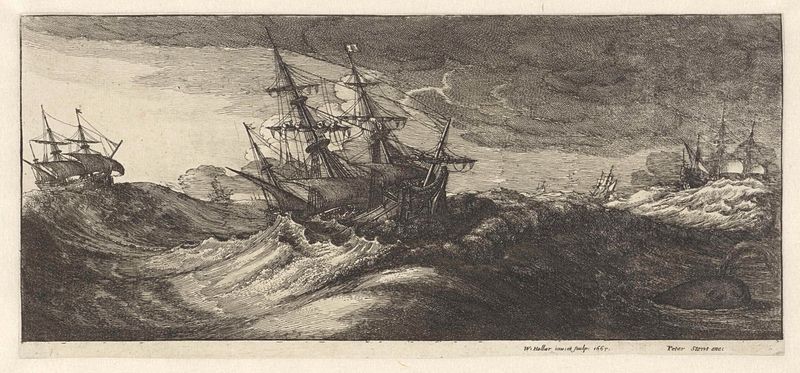
Oorlogsschepen en een walvis in een zeestorm
Wenceslaus Hollar
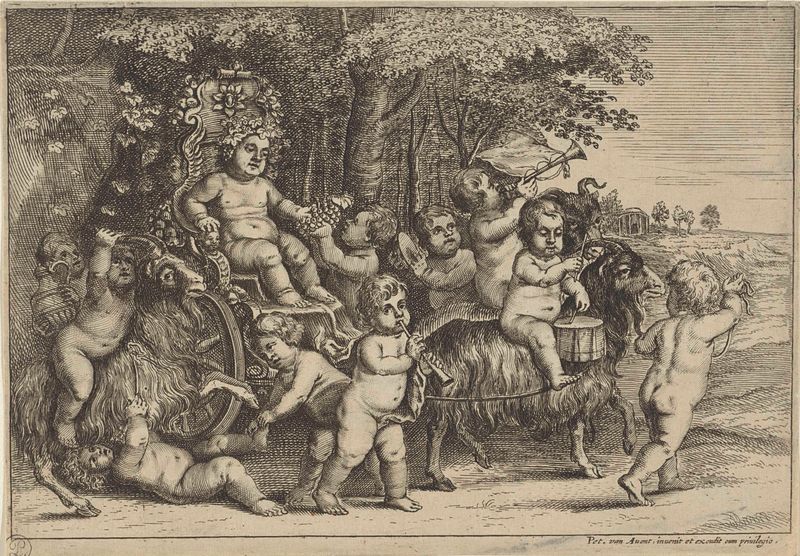
Optocht van bacchant en jongetjes op geiten
Wenceslaus Hollar
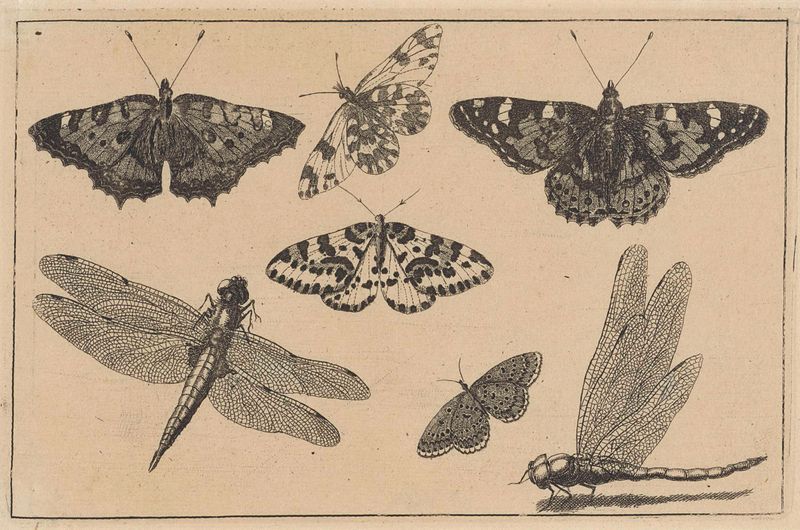
Twee libellen en vijf vlinders
Wenceslaus Hollar
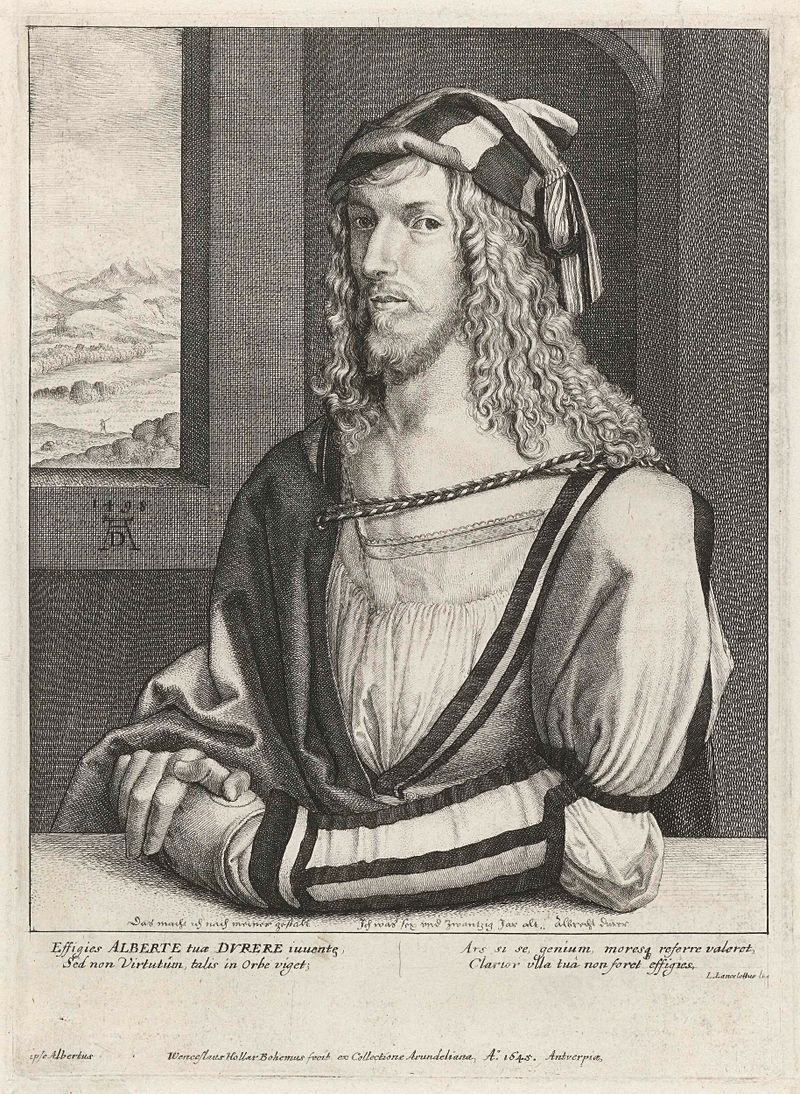
Portret van Albrecht Dürer
Wenceslaus Hollar
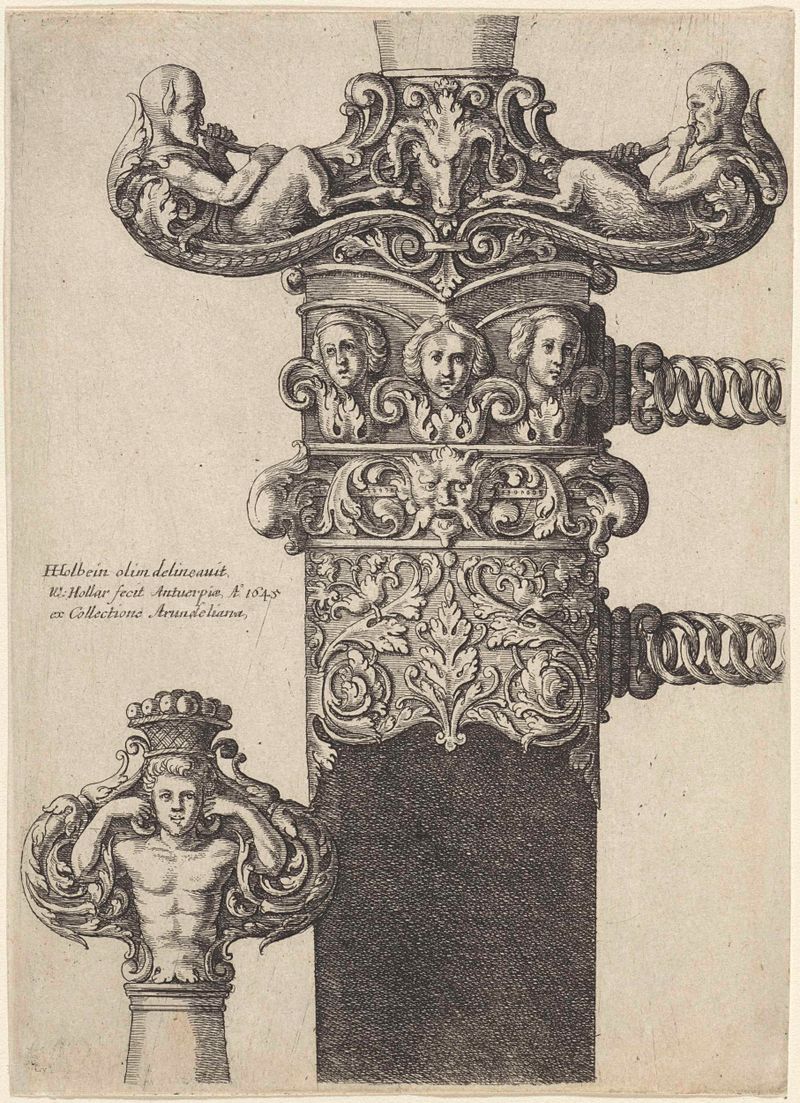
Ornamenteel ontwerp voor een dolk
Wenceslaus Hollar
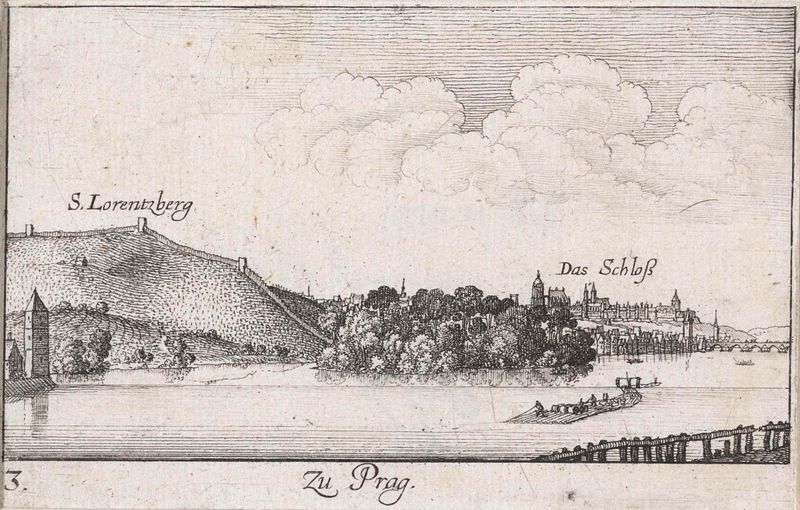
Gezicht op Praag vanaf de Moldau
Wenceslaus Hollar
More Portrait Art
Browse all →
Las meninas
Diego Velázquez

Self-portrait with a Bandaged Ear and Pipe
Unidentified artist

Girl with a Pearl Earring
Johannes Vermeer

The Sampling Officials of the Amsterdam Drapers’ Guild, Known as ‘The Syndics’
Rembrandt van Rijn

The Hundred Guilder Print: the man seen on the back in the lower left corner
Rembrandt van Rijn

Portrait of Dr Gachet
Vincent van Gogh