
Portret van een zwarte jongen — History & Facts
In the haunting stillness of a young boy’s gaze, we find an intricate balance between innocence and the weight of history. The painting invites us to ponder the complexities of identity through the lens of youth, evoking questions that linger long after the initial viewing. Look to the left where the boy's dark, expressive eyes draw you in, contrasting sharply with the soft, warm tones of his skin. His hair, finely detailed, creates a delicate texture that speaks to the artist’s masterful technique.
Notice how the light subtly caresses his face, illuminating his features while casting gentle shadows that add depth to his expression. The soft background blurs into shades of muted colors, allowing the figure to stand out with remarkable clarity, almost as if he is both present and timeless. The balance of power and vulnerability resonates throughout the work. The boy’s direct gaze confronts the viewer, challenging us to engage with his story, yet there’s a palpable tension in his posture, a suggestion that he is caught between worlds—childhood innocence and the realities imposed upon him.
The simplicity of his attire, paired with the depth of his expression, juxtaposes the complexities of societal expectations and personal identity, igniting a dialogue about race and representation. Wenceslaus Hollar created Portret van een zwarte jongen in 1645, during a time when art was increasingly exploring themes of human experience and identity. Living in the midst of a turbulent Europe, where issues of race and class were beginning to confront the established order, Hollar’s work stands as a significant reflection of the era. His detailed, expressive style was influenced by the Baroque movement and marked a pivotal moment in the evolution of portraiture, bridging the gap between realism and emotional depth.
More Artworks by Wenceslaus Hollar
Browse all →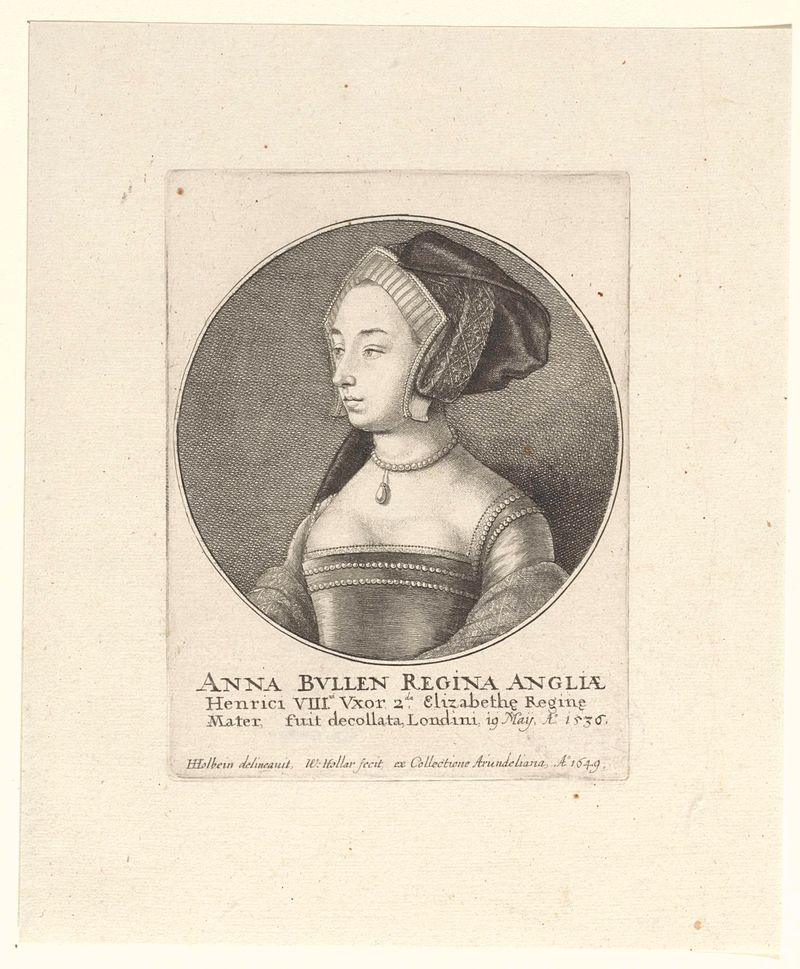
Portret van Anna Boleyn, koningin van Engeland
Wenceslaus Hollar
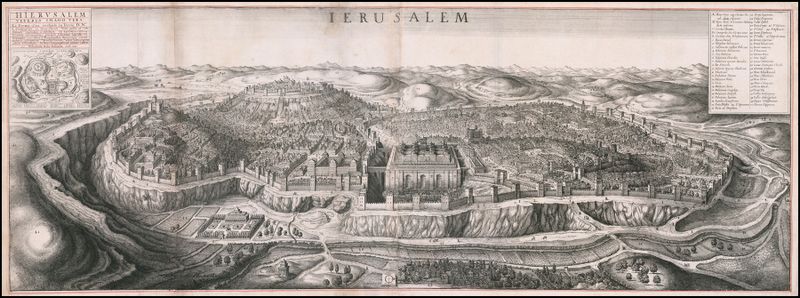
Bird’s eye view of Jerusalem
Wenceslaus Hollar
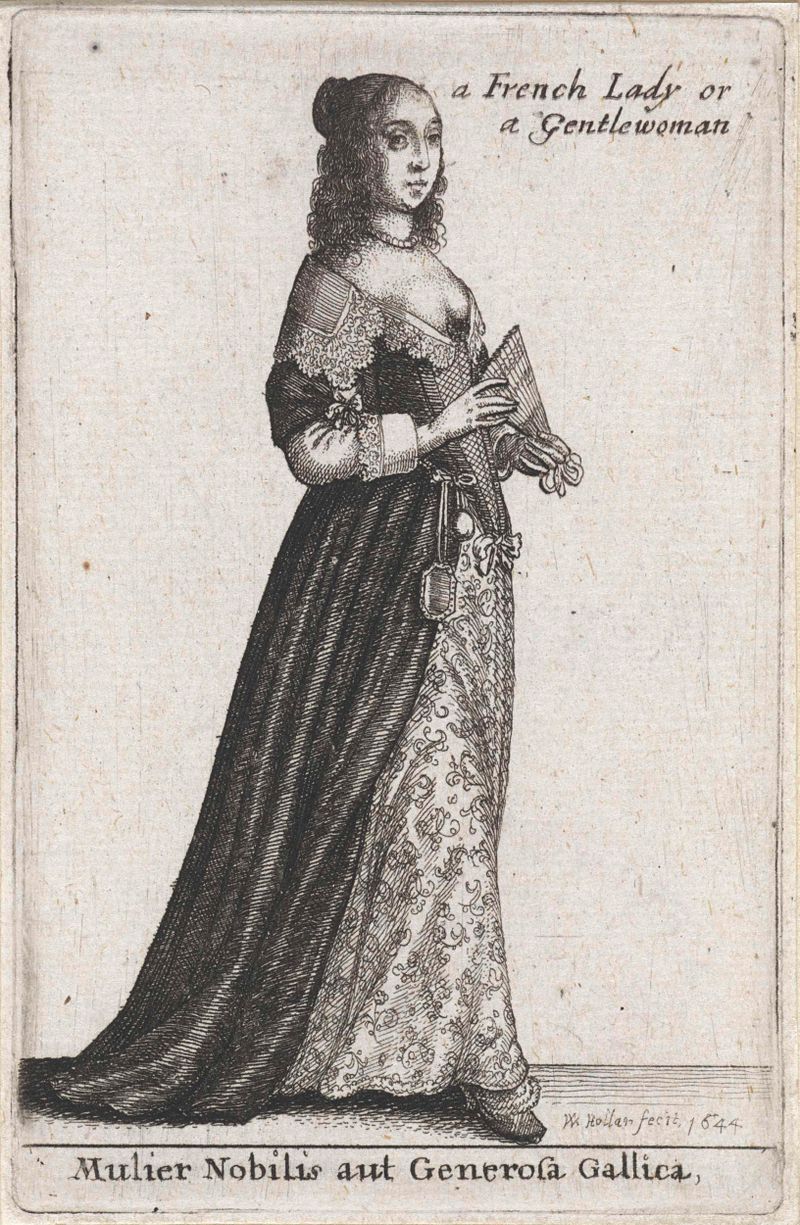
Mulier Nobilis aut Generosa Gallica / a French Lady or Gentlewoman
Wenceslaus Hollar
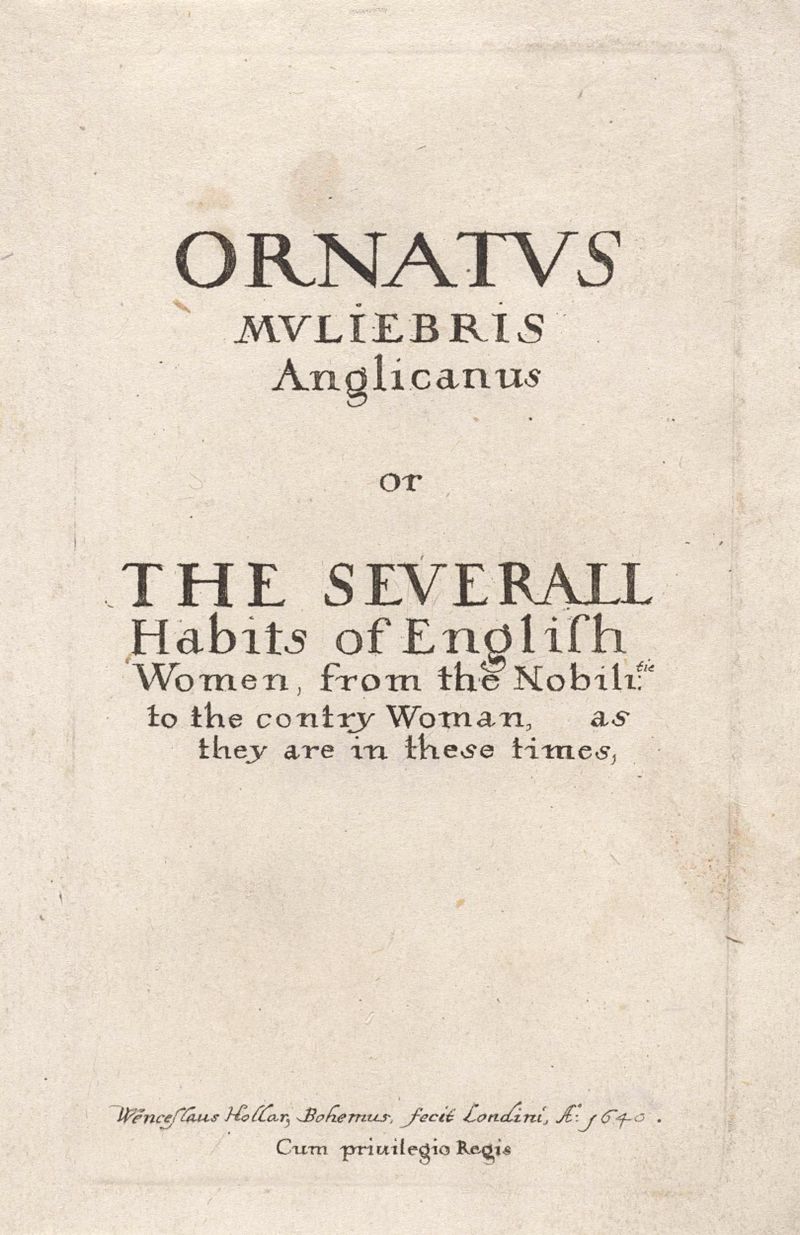
Titelprent voor: Ornatus Muliebris Anglicanus
Wenceslaus Hollar
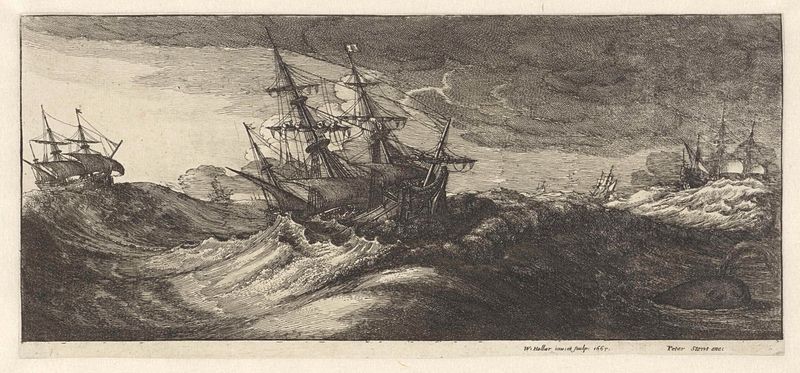
Oorlogsschepen en een walvis in een zeestorm
Wenceslaus Hollar
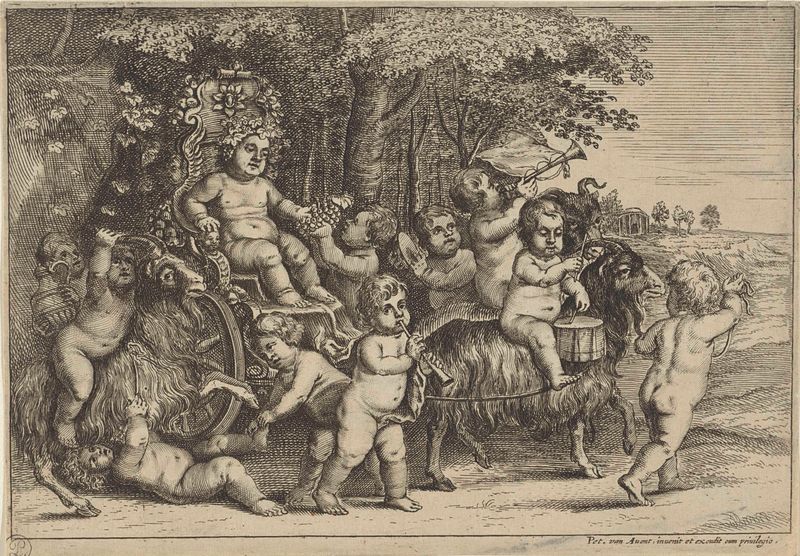
Optocht van bacchant en jongetjes op geiten
Wenceslaus Hollar
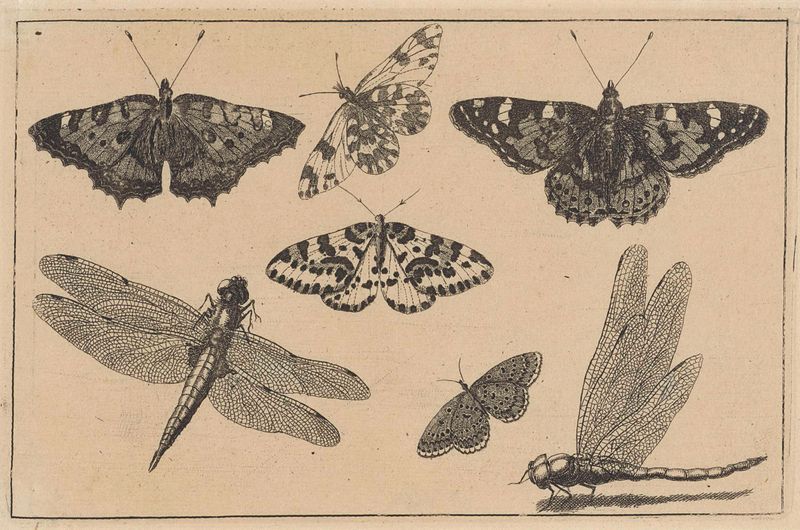
Twee libellen en vijf vlinders
Wenceslaus Hollar
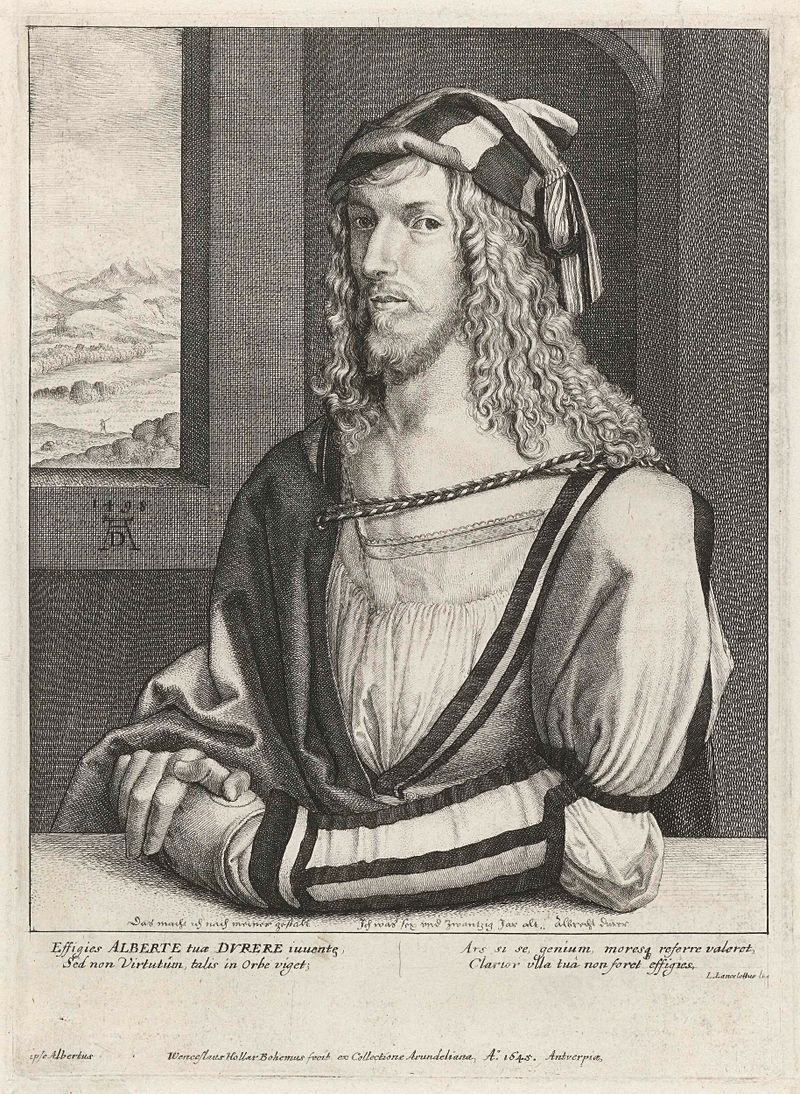
Portret van Albrecht Dürer
Wenceslaus Hollar
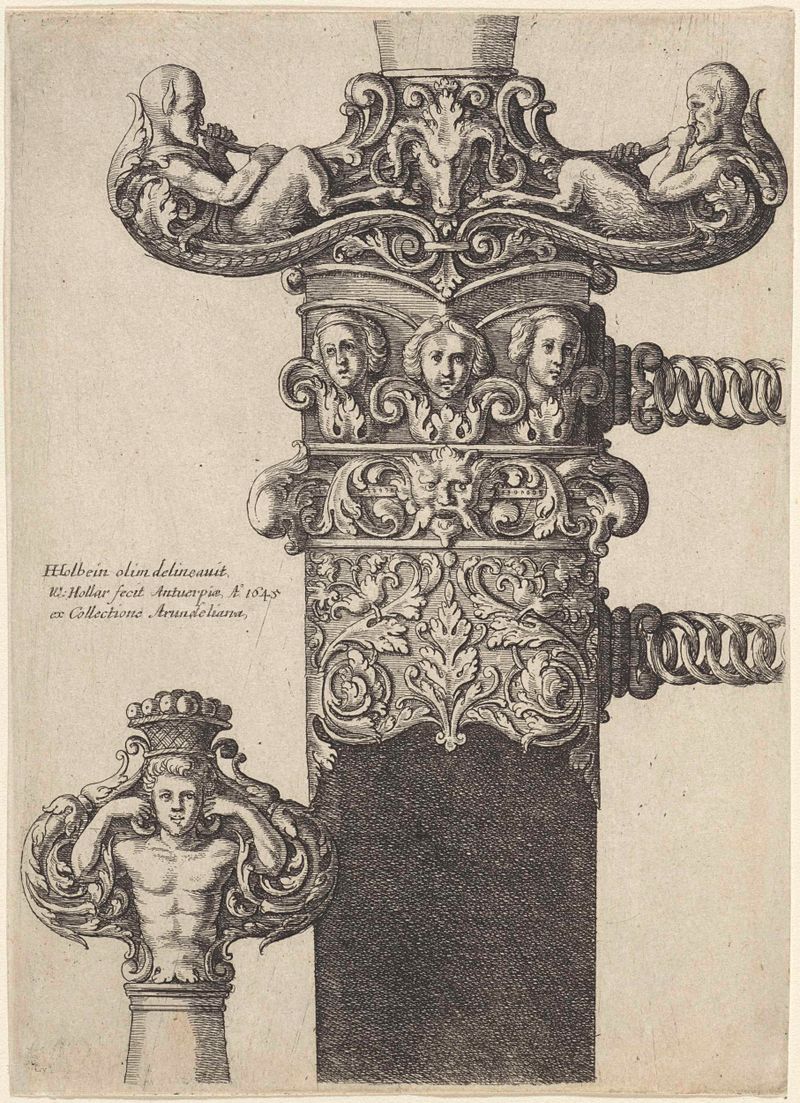
Ornamenteel ontwerp voor een dolk
Wenceslaus Hollar
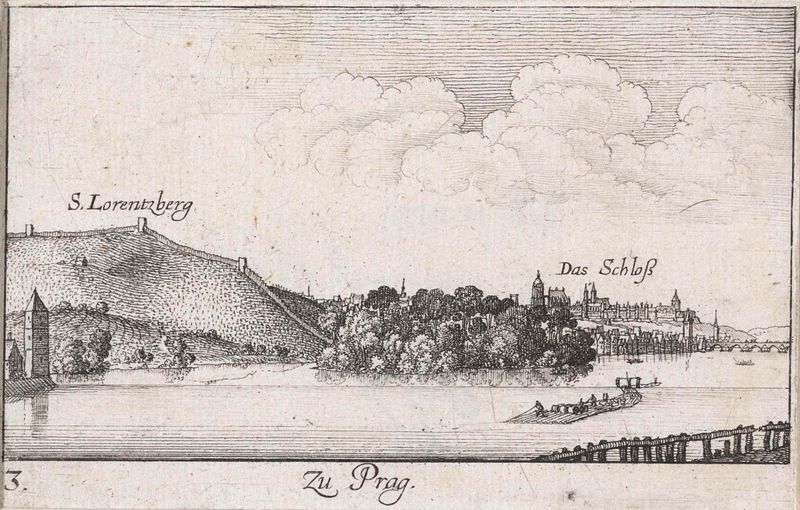
Gezicht op Praag vanaf de Moldau
Wenceslaus Hollar
More Portrait Art
Browse all →
Las meninas
Diego Velázquez

Self-portrait with a Bandaged Ear and Pipe
Unidentified artist

Girl with a Pearl Earring
Johannes Vermeer

The Sampling Officials of the Amsterdam Drapers’ Guild, Known as ‘The Syndics’
Rembrandt van Rijn

The Hundred Guilder Print: the man seen on the back in the lower left corner
Rembrandt van Rijn

Portrait of Dr Gachet
Vincent van Gogh