
Portret van Elias Allen — History & Facts
In Portret van Elias Allen, a stillness envelops the viewer, inviting a contemplation that flows beyond the painted surface. Each gaze at the subject seems to resonate with the weight of unspoken truths, as if the captured moment holds a mirror to our own reflections and revelations. Look to the left at Elias Allen’s piercing eyes; they draw you in with an intensity that suggests a rich inner life. The careful use of shading creates a lifelike quality, illuminating the contours of his face and the delicate texture of his clothing.
Hollar’s exquisite line work and subtle color palette serve to emphasize not only the subject’s physical features but also his emotional depth, encapsulating a moment that feels both historical and timeless. Beneath the surface, the painting reveals contrasts between the hallowed space of the sitter’s dignified posture and the personal vulnerability that lies within. Note the slight furrowing of his brow, hinting at the complexity of his character—strength intertwined with uncertainty. The interplay of light and shadow echoes the duality of public persona and private self, suggesting that even in stillness, there is a story yearning to be told. Wenceslaus Hollar painted this portrait in 1666 during a period marked by political turmoil and artistic evolution in Europe.
Having relocated to England after years in the Low Countries, he was immersed in a burgeoning art scene that embraced realism and portraiture. This work reflects not only his technical mastery but also his keen observation of human nature during an era of change and introspection.
More Artworks by Wenceslaus Hollar
Browse all →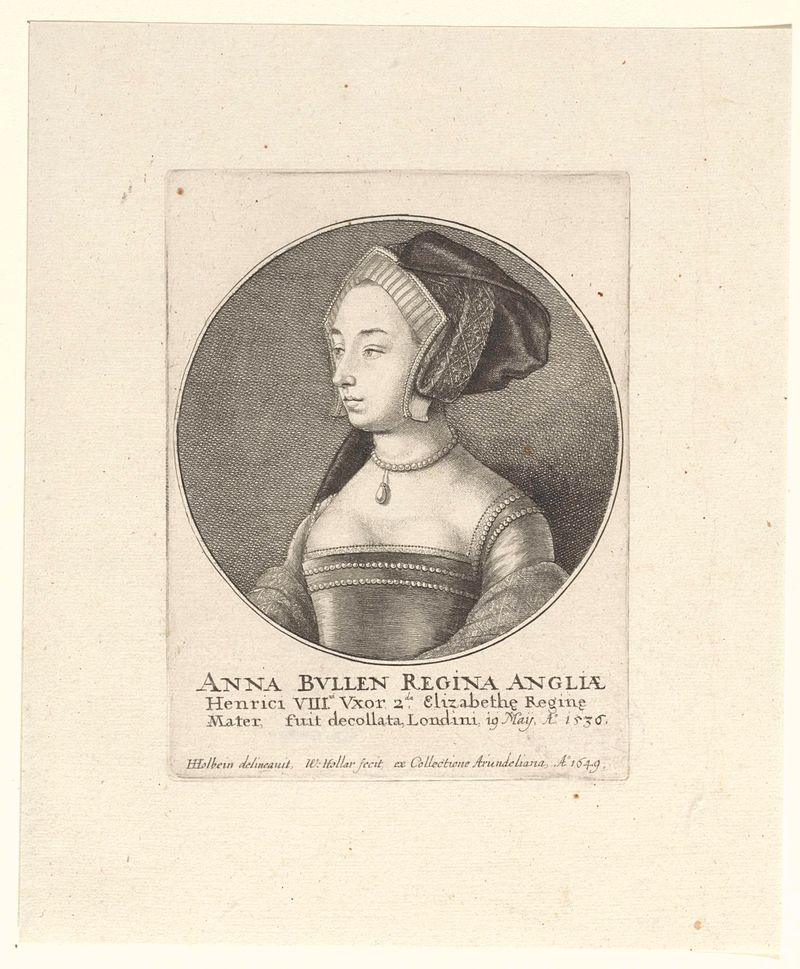
Portret van Anna Boleyn, koningin van Engeland
Wenceslaus Hollar
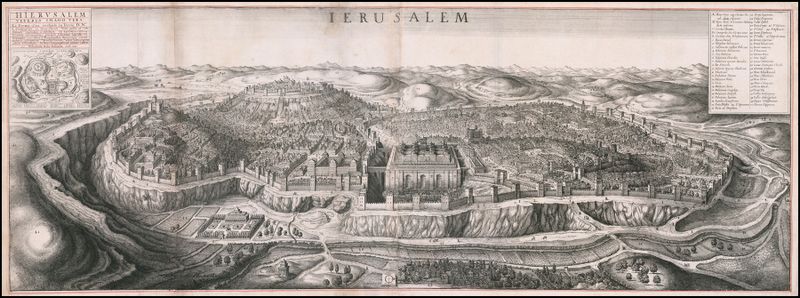
Bird’s eye view of Jerusalem
Wenceslaus Hollar
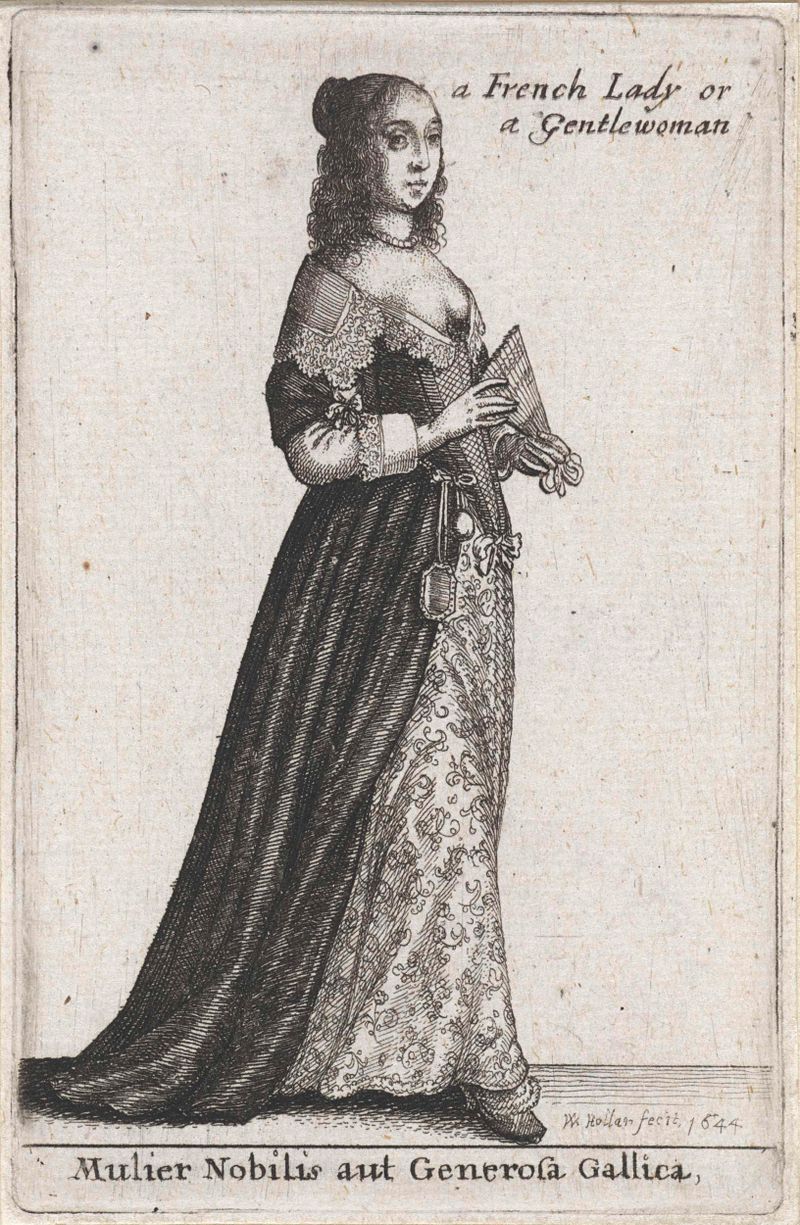
Mulier Nobilis aut Generosa Gallica / a French Lady or Gentlewoman
Wenceslaus Hollar
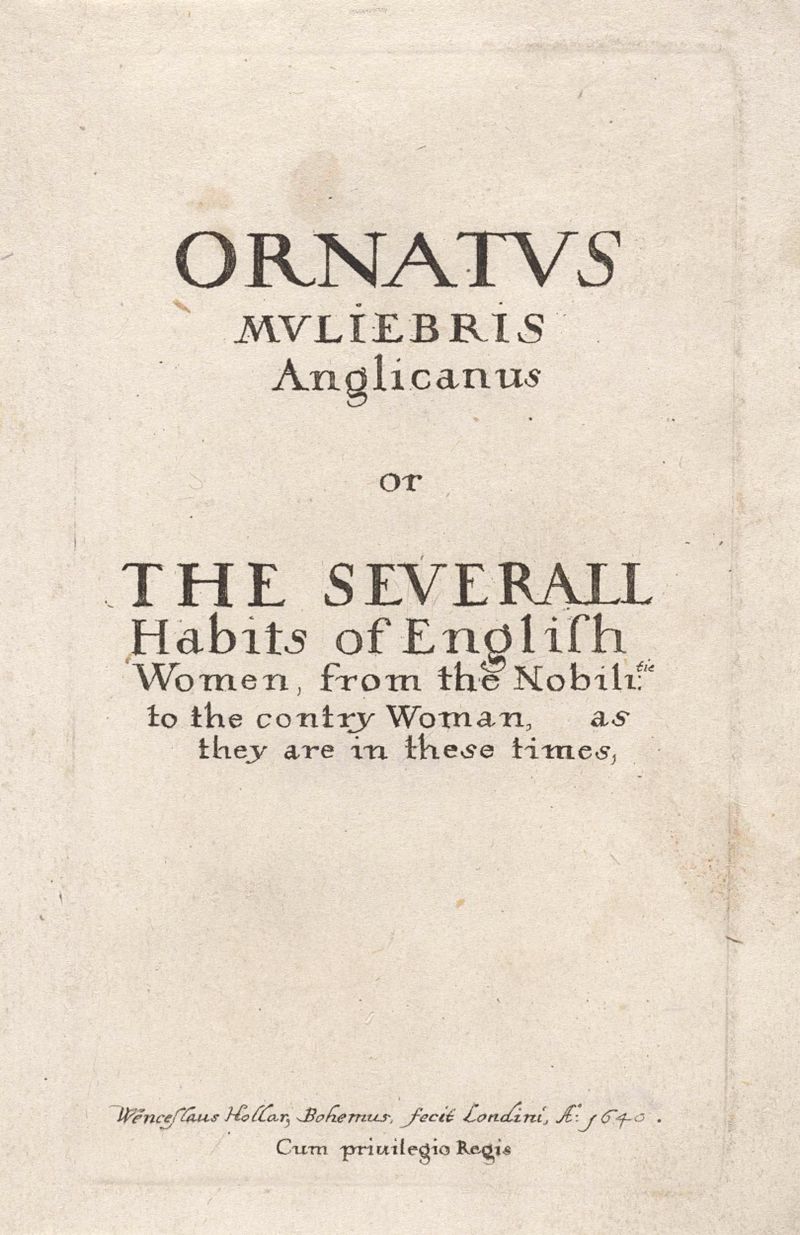
Titelprent voor: Ornatus Muliebris Anglicanus
Wenceslaus Hollar
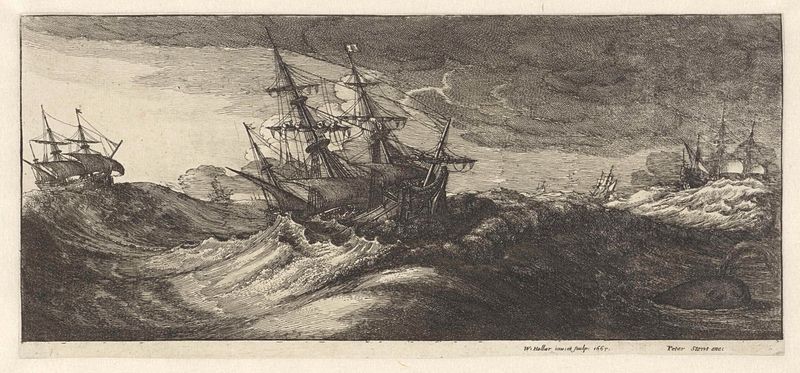
Oorlogsschepen en een walvis in een zeestorm
Wenceslaus Hollar
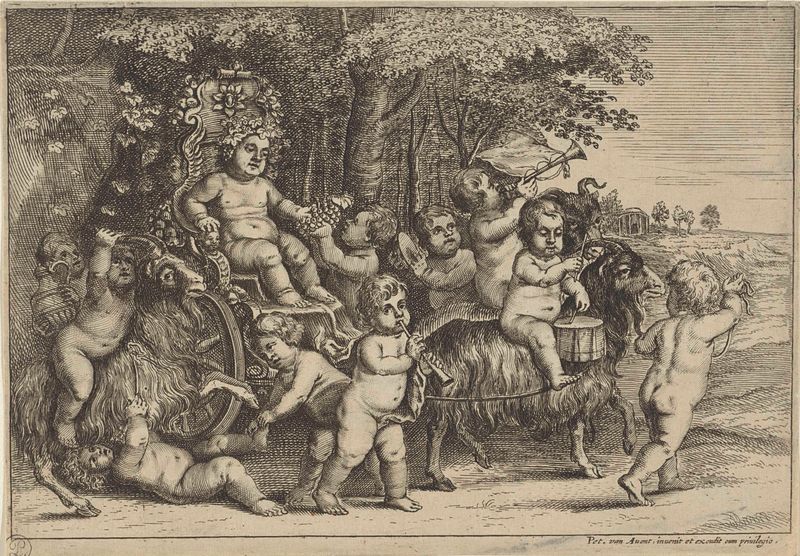
Optocht van bacchant en jongetjes op geiten
Wenceslaus Hollar
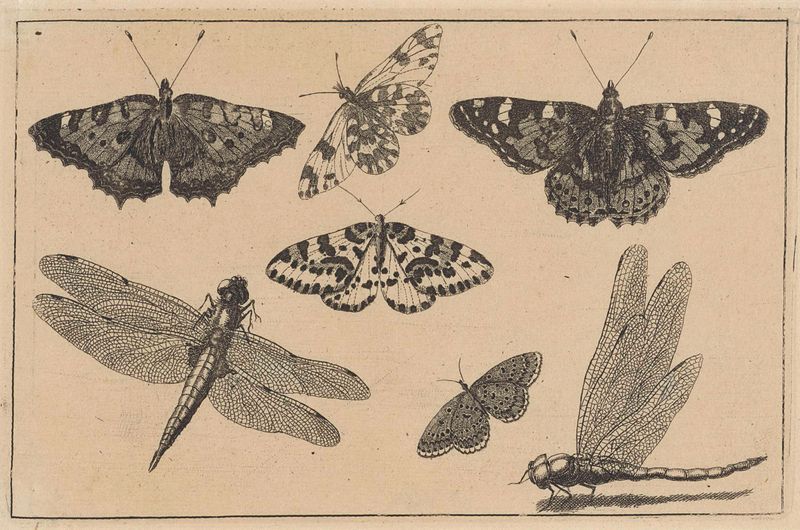
Twee libellen en vijf vlinders
Wenceslaus Hollar
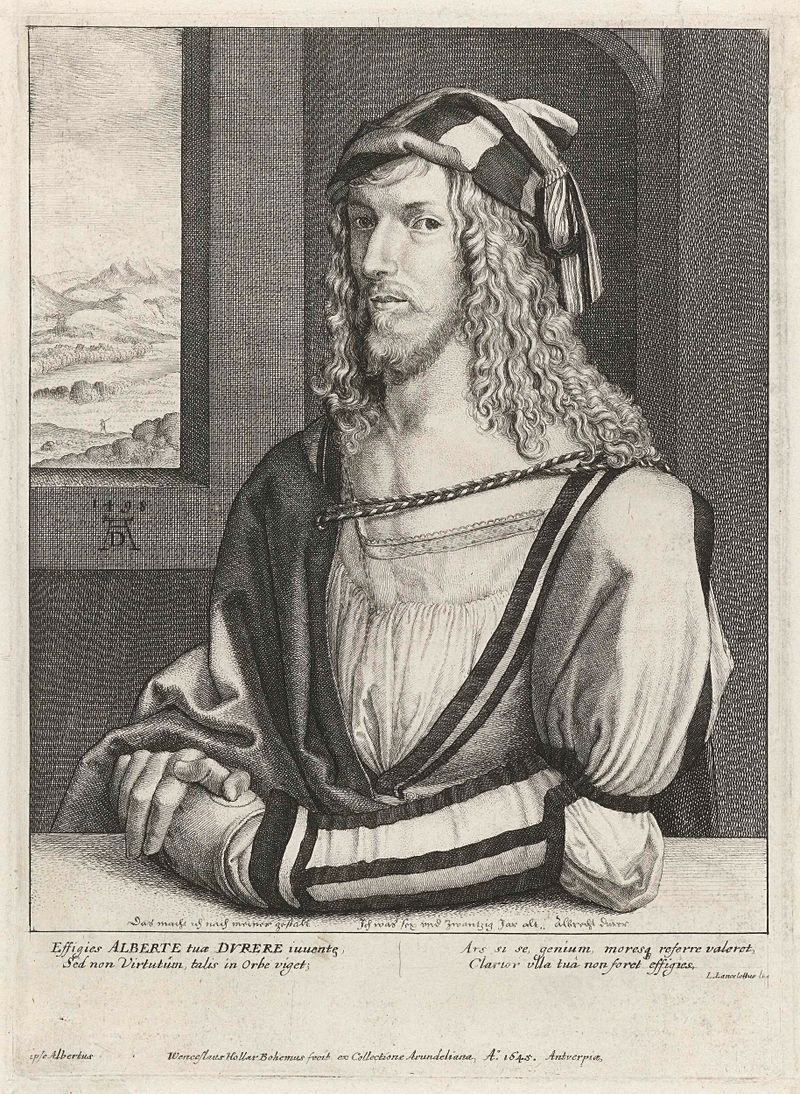
Portret van Albrecht Dürer
Wenceslaus Hollar
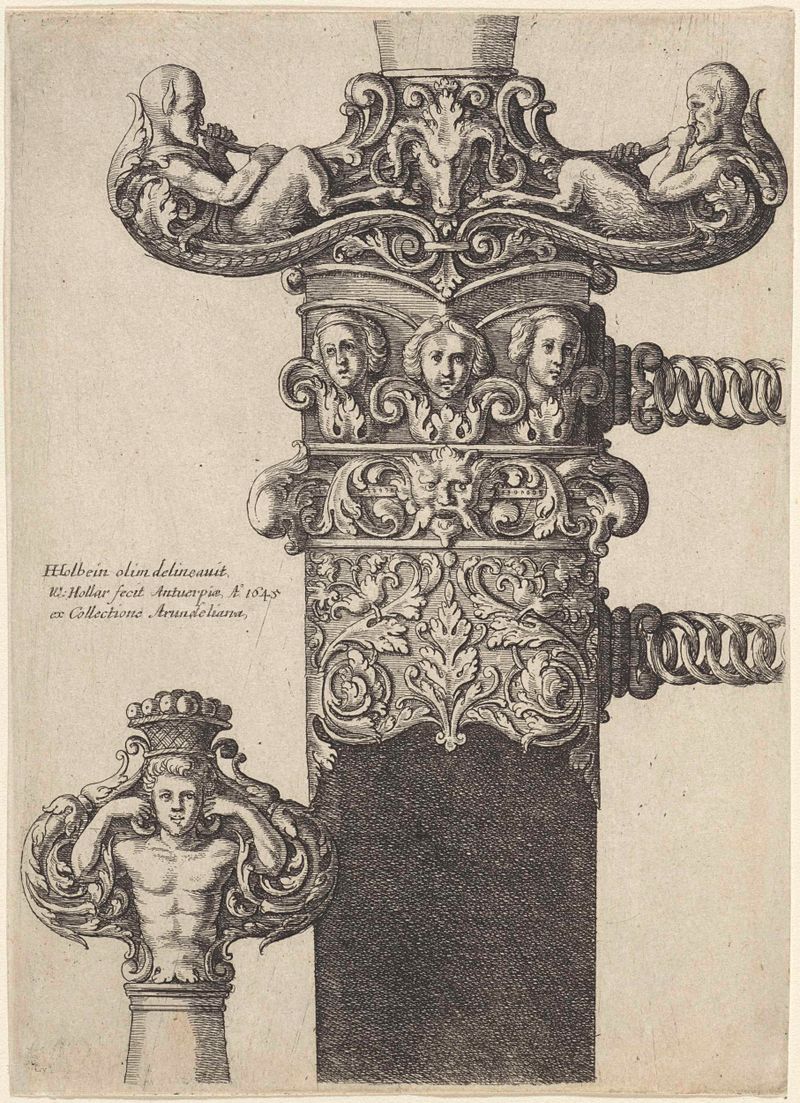
Ornamenteel ontwerp voor een dolk
Wenceslaus Hollar
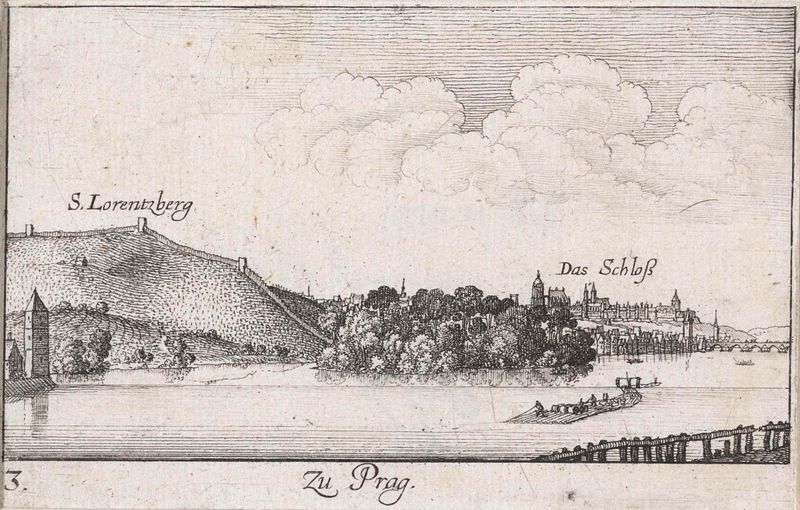
Gezicht op Praag vanaf de Moldau
Wenceslaus Hollar
More Portrait Art
Browse all →
Las meninas
Diego Velázquez

Self-portrait with a Bandaged Ear and Pipe
Unidentified artist

Girl with a Pearl Earring
Johannes Vermeer

The Sampling Officials of the Amsterdam Drapers’ Guild, Known as ‘The Syndics’
Rembrandt van Rijn

The Hundred Guilder Print: the man seen on the back in the lower left corner
Rembrandt van Rijn

Portrait of Dr Gachet
Vincent van Gogh