
Portret van Franciscus Junius de Jongere — History & Facts
What secret hides in the quiet of the canvas? Each brushstroke whispers of life, suggesting renewal, as if the very essence of the sitter pulsates beneath the surface. Focus first on the enigmatic gaze of the subject, Franciscus Junius de Jongere. His eyes, seemingly alive, pull you into a world of contemplation. Notice the delicate interplay of light and shadow across his face, highlighting the contours of his features with a soft glow.
The rich, muted colors of the background envelop him, creating an intimate atmosphere that contrasts with the crisp detail of his attire. Every element, from the lace of his collar to the subtle texture of the fabric, reveals the artist's meticulous attention to realism, inviting the viewer to explore deeper. As you delve further, the tension between stillness and vitality becomes apparent. The poised expression hints at a myriad of untold stories, each breath of silence pregnant with possibility.
The choice of dark tones juxtaposed with the luminosity of his face suggests a journey through despair and hope, evoking an emotional complexity that resonates with personal rebirth. Additionally, the careful treatment of light can be seen as a metaphor for enlightenment, hinting at the inner life of the sitter, a true reflection of the intellectual spirit of the time. Wenceslaus Hollar painted this portrait in 1641, during a period marked by the Baroque’s focus on individuality and human emotion. Living in Amsterdam after fleeing the Thirty Years' War, Hollar was immersed in a vibrant artistic community, shaping his approach to portraiture.
The painting stands as a testament to his skill, celebrating the profound connection between artist and subject amid the philosophical currents of his era.
More Artworks by Wenceslaus Hollar
Browse all →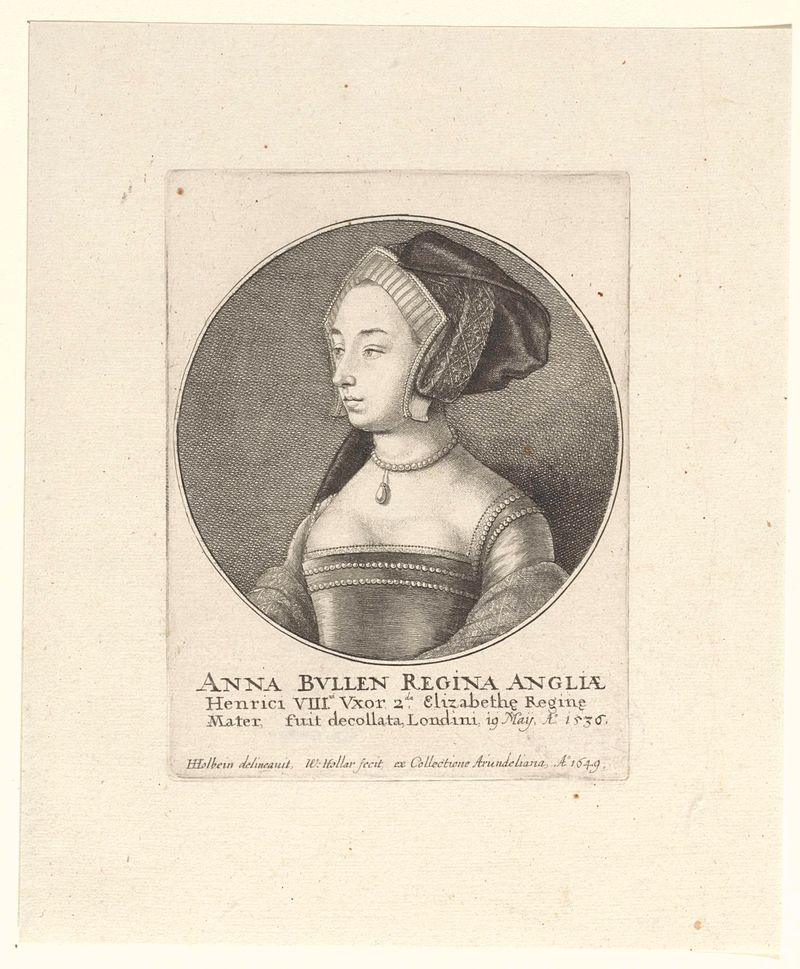
Portret van Anna Boleyn, koningin van Engeland
Wenceslaus Hollar
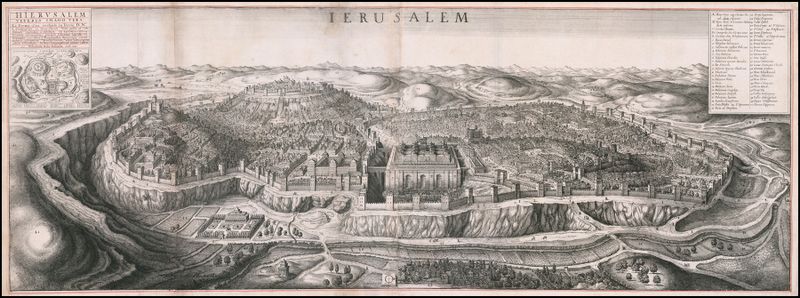
Bird’s eye view of Jerusalem
Wenceslaus Hollar
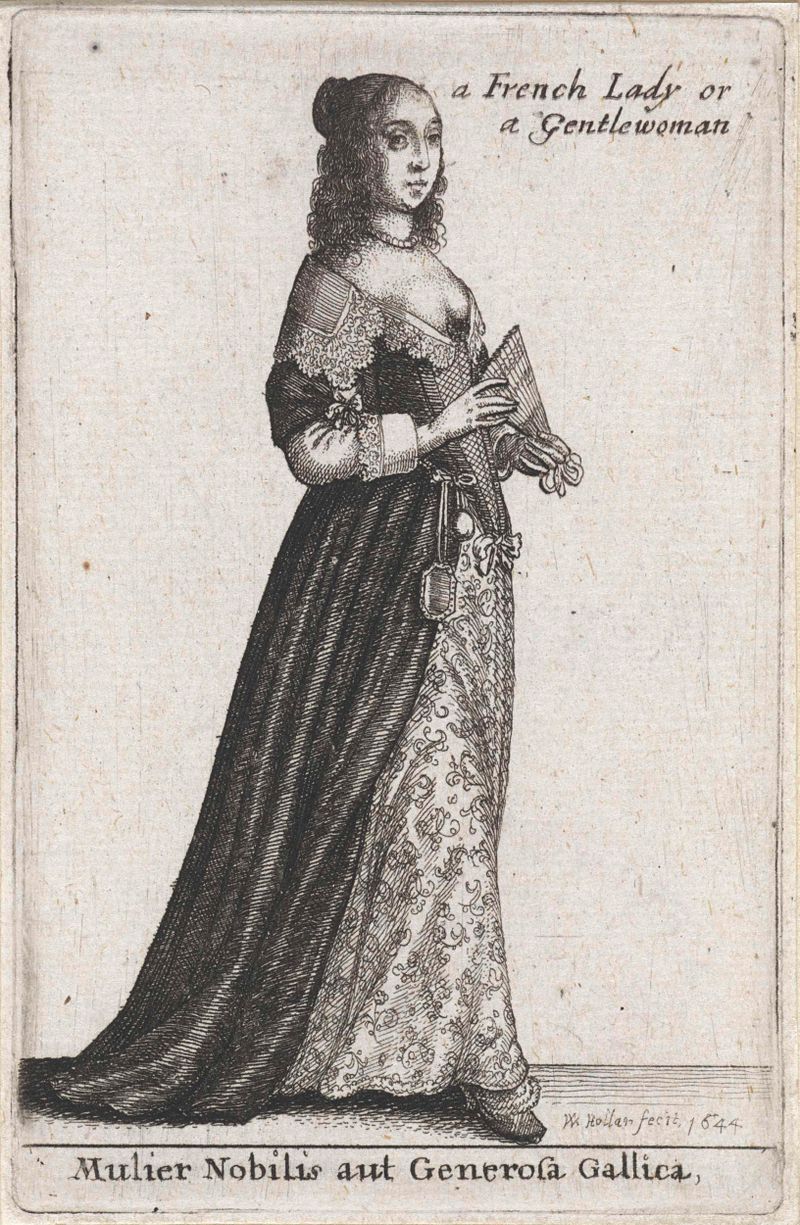
Mulier Nobilis aut Generosa Gallica / a French Lady or Gentlewoman
Wenceslaus Hollar
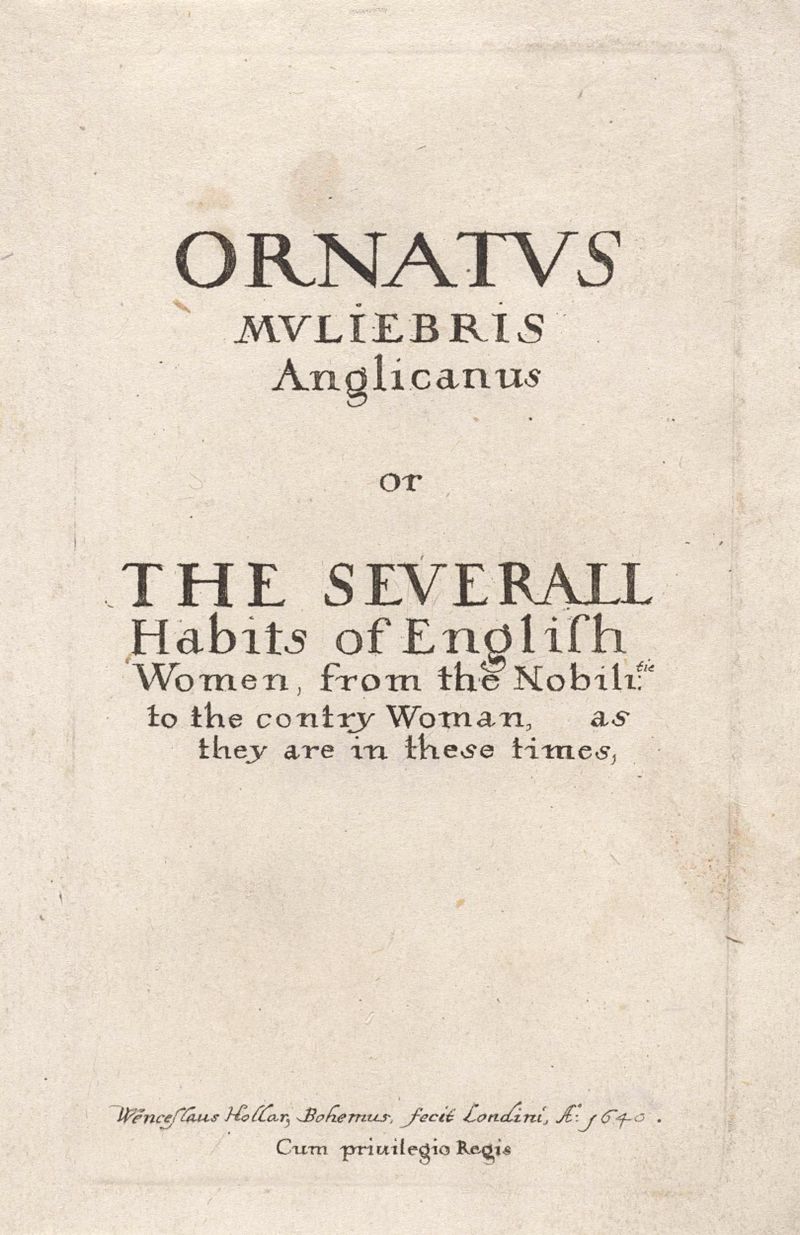
Titelprent voor: Ornatus Muliebris Anglicanus
Wenceslaus Hollar
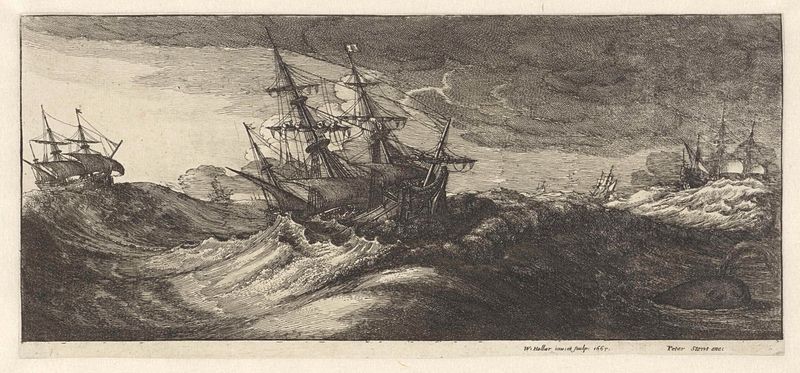
Oorlogsschepen en een walvis in een zeestorm
Wenceslaus Hollar
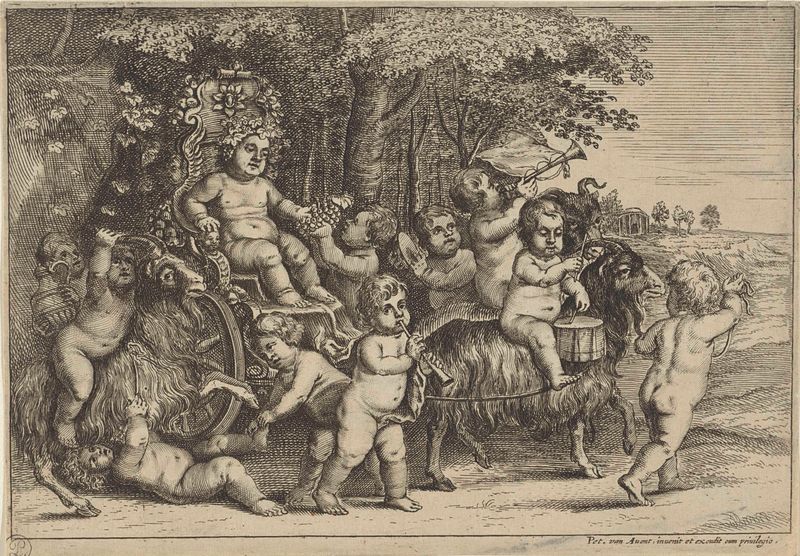
Optocht van bacchant en jongetjes op geiten
Wenceslaus Hollar
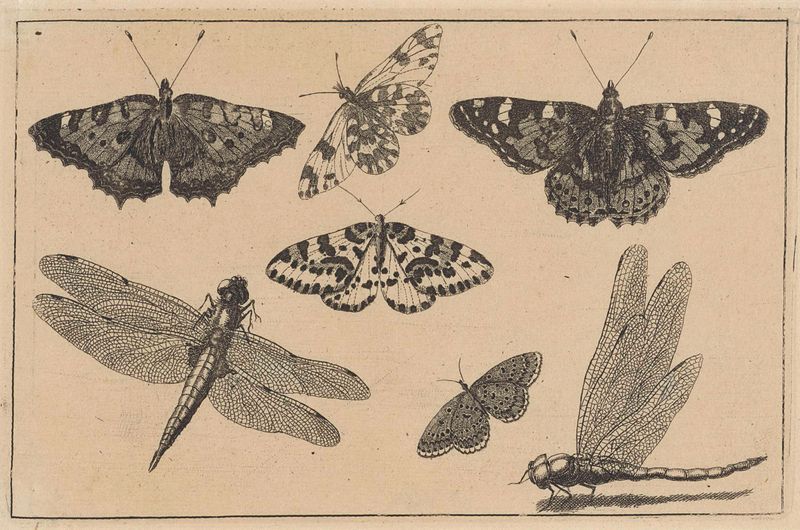
Twee libellen en vijf vlinders
Wenceslaus Hollar
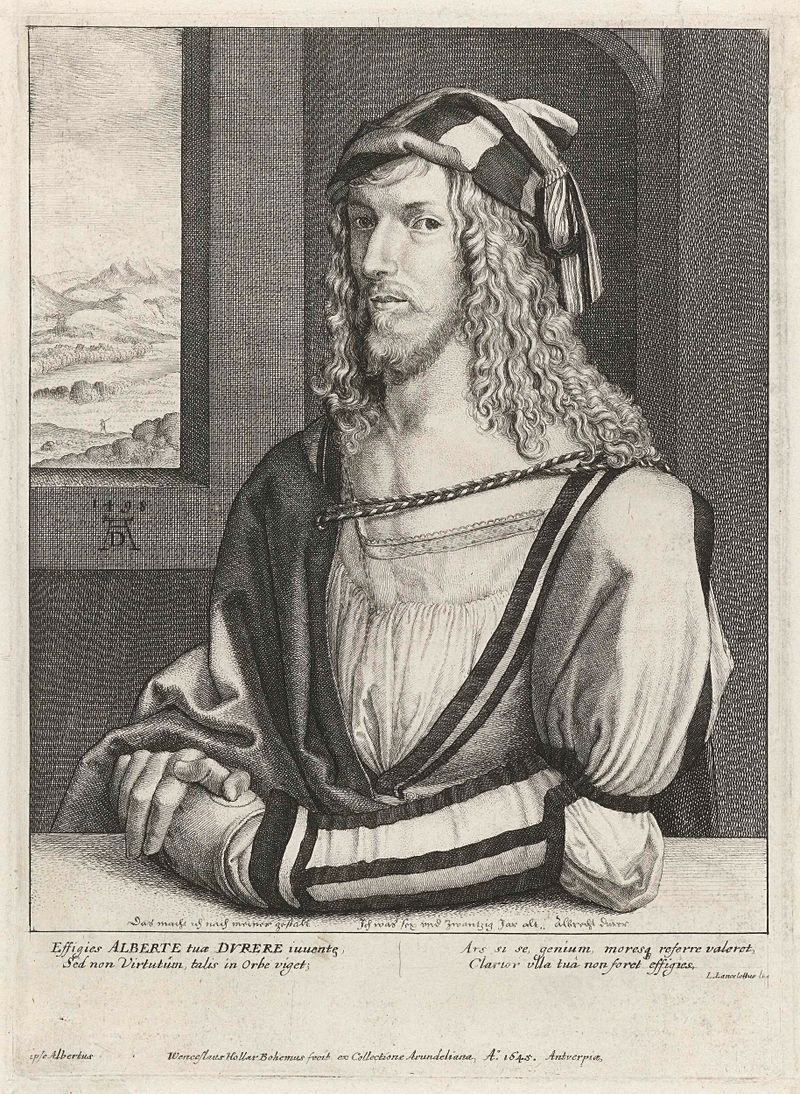
Portret van Albrecht Dürer
Wenceslaus Hollar
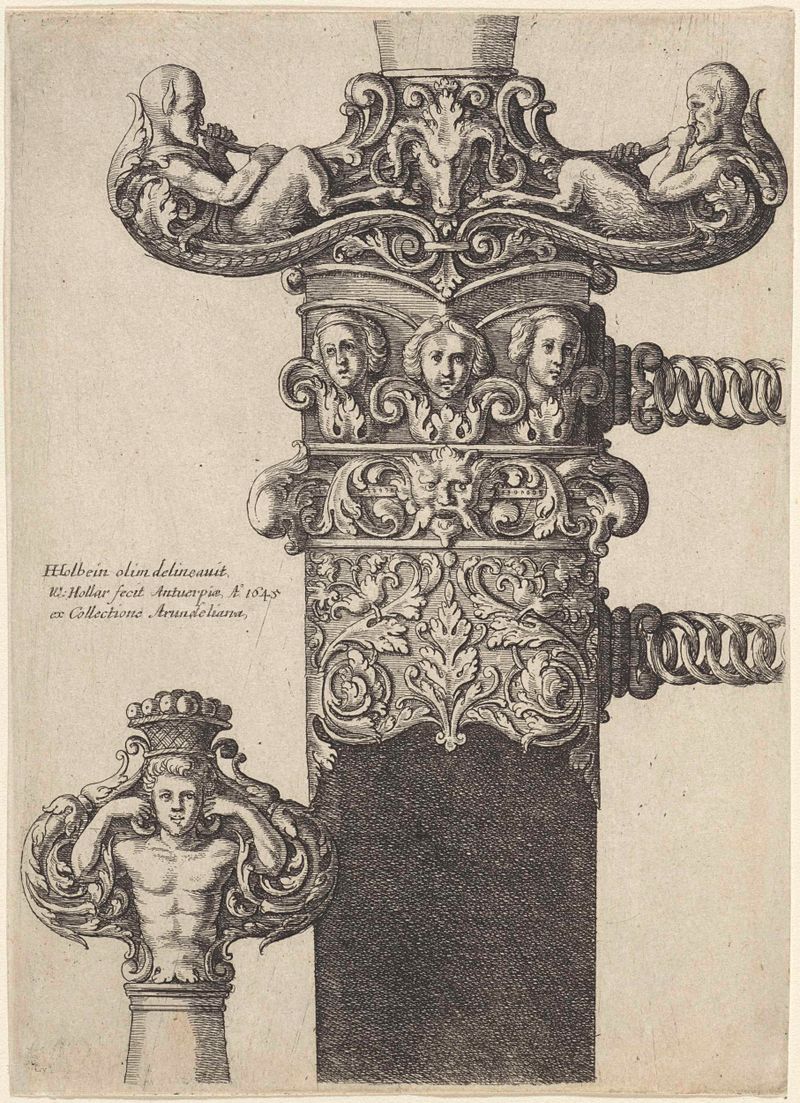
Ornamenteel ontwerp voor een dolk
Wenceslaus Hollar
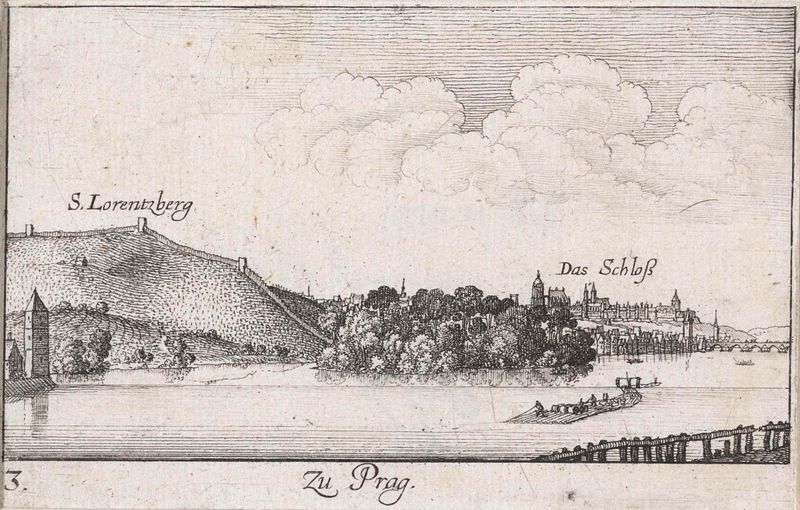
Gezicht op Praag vanaf de Moldau
Wenceslaus Hollar
More Portrait Art
Browse all →
Las meninas
Diego Velázquez

Self-portrait with a Bandaged Ear and Pipe
Unidentified artist

Girl with a Pearl Earring
Johannes Vermeer

The Sampling Officials of the Amsterdam Drapers’ Guild, Known as ‘The Syndics’
Rembrandt van Rijn

The Hundred Guilder Print: the man seen on the back in the lower left corner
Rembrandt van Rijn

Portrait of Dr Gachet
Vincent van Gogh