
Portret van Frans van den Wijngaerde — History & Facts
When did color learn to lie? This question lingers in the viewer's mind as they gaze upon the intricate layers of Portret van Frans van den Wijngaerde. It challenges our perception of truth in the portrayal of identity, suggesting that beneath the brushstrokes lies a complex narrative waiting to be unveiled. Look closely at the figure in the painting, with a gaze that seems to reach beyond the canvas. Notice how the soft earth tones blend seamlessly into the rich textures of the clothing, hinting at the wealth and status of the subject.
The light subtly accentuates the contours of his face, drawing your attention to the piercing eyes that hold a hidden story. The background remains muted, emphasizing the figure, yet it speaks volumes about the societal context of the time. Delving deeper, one can perceive the contrast between the subject's serene expression and the underlying tension of his legacy. The delicate detailing in the fabric suggests labor and artistry, while the somber hues evoke a sense of mortality and the passage of time.
This duality reflects the artist’s exploration of identity and memory, asking whether any portrait can truly capture the essence of a life lived. Wenceslaus Hollar created this piece in 1651, at a time when he was living in London after fleeing the Thirty Years' War in his native Bohemia. The art world was shifting towards more individualistic expressions, and Hollar's work reflects this evolution. In his pursuit to document prominent figures, he sought to blend realism with the ideals of the era, leaving behind a legacy that questions the very nature of representation itself.
More Artworks by Wenceslaus Hollar
Browse all →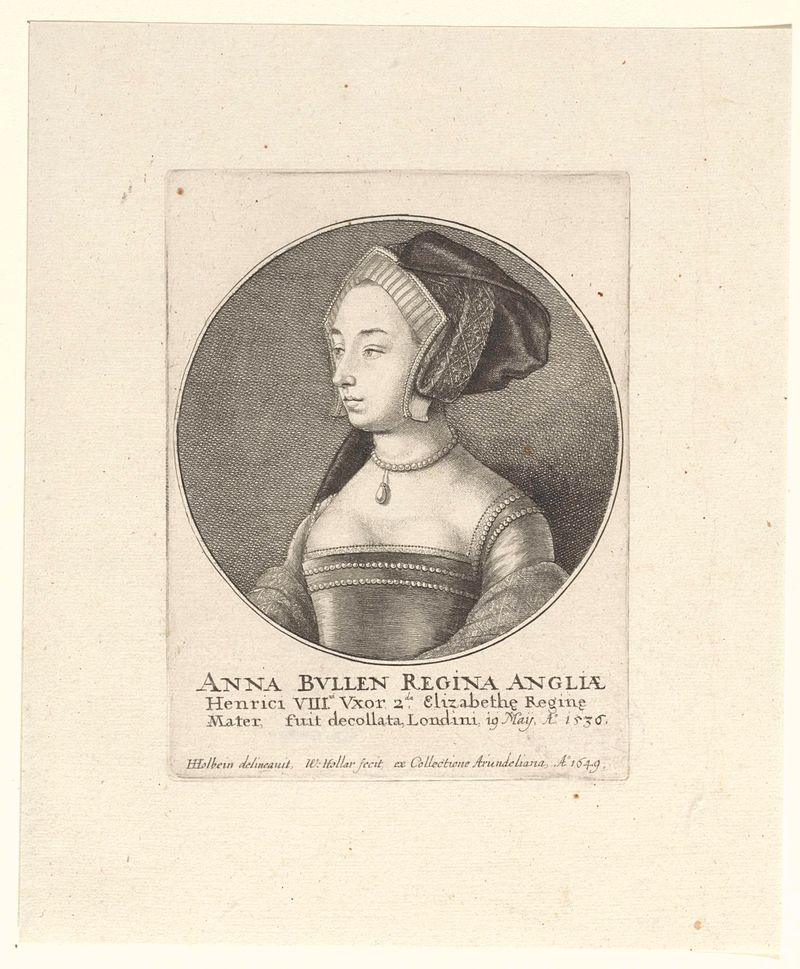
Portret van Anna Boleyn, koningin van Engeland
Wenceslaus Hollar
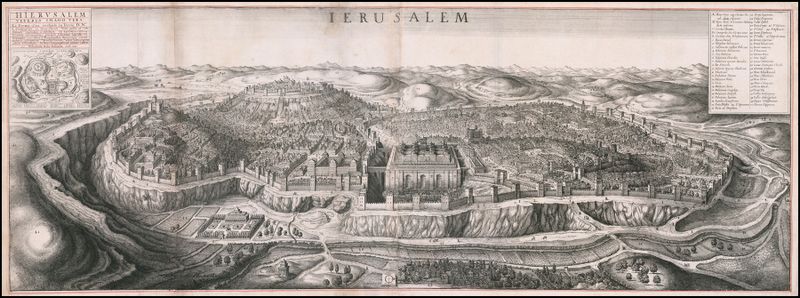
Bird’s eye view of Jerusalem
Wenceslaus Hollar
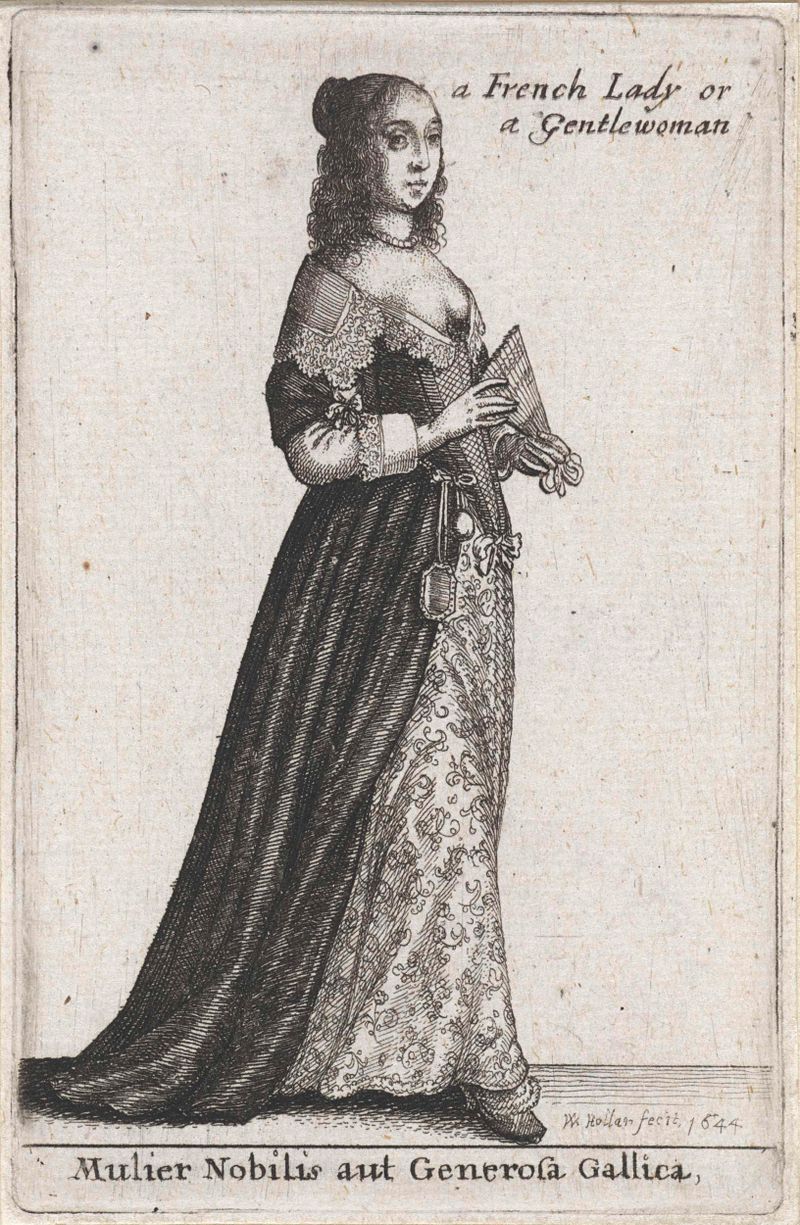
Mulier Nobilis aut Generosa Gallica / a French Lady or Gentlewoman
Wenceslaus Hollar
Titelprent voor: Ornatus Muliebris Anglicanus
Wenceslaus Hollar
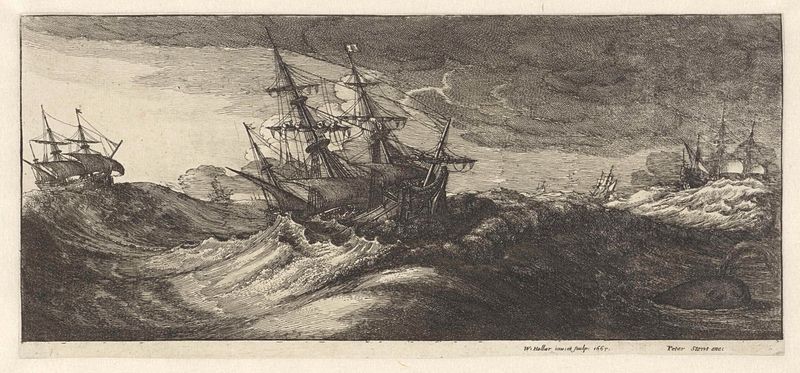
Oorlogsschepen en een walvis in een zeestorm
Wenceslaus Hollar
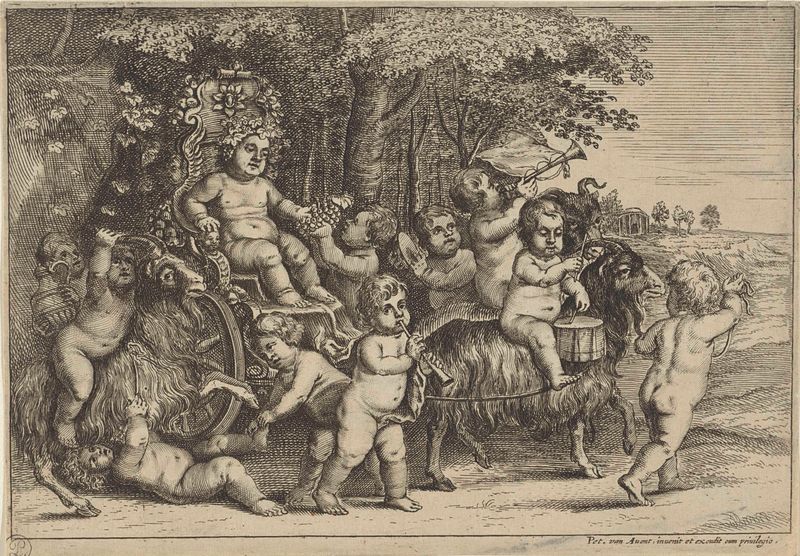
Optocht van bacchant en jongetjes op geiten
Wenceslaus Hollar
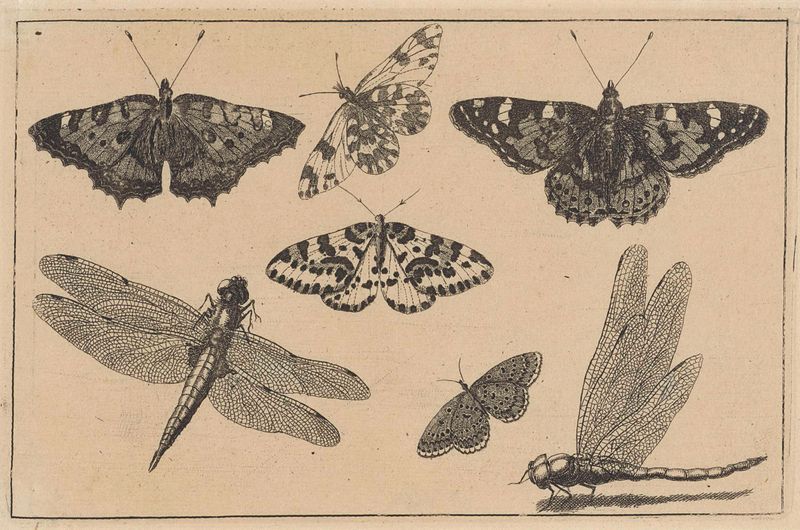
Twee libellen en vijf vlinders
Wenceslaus Hollar
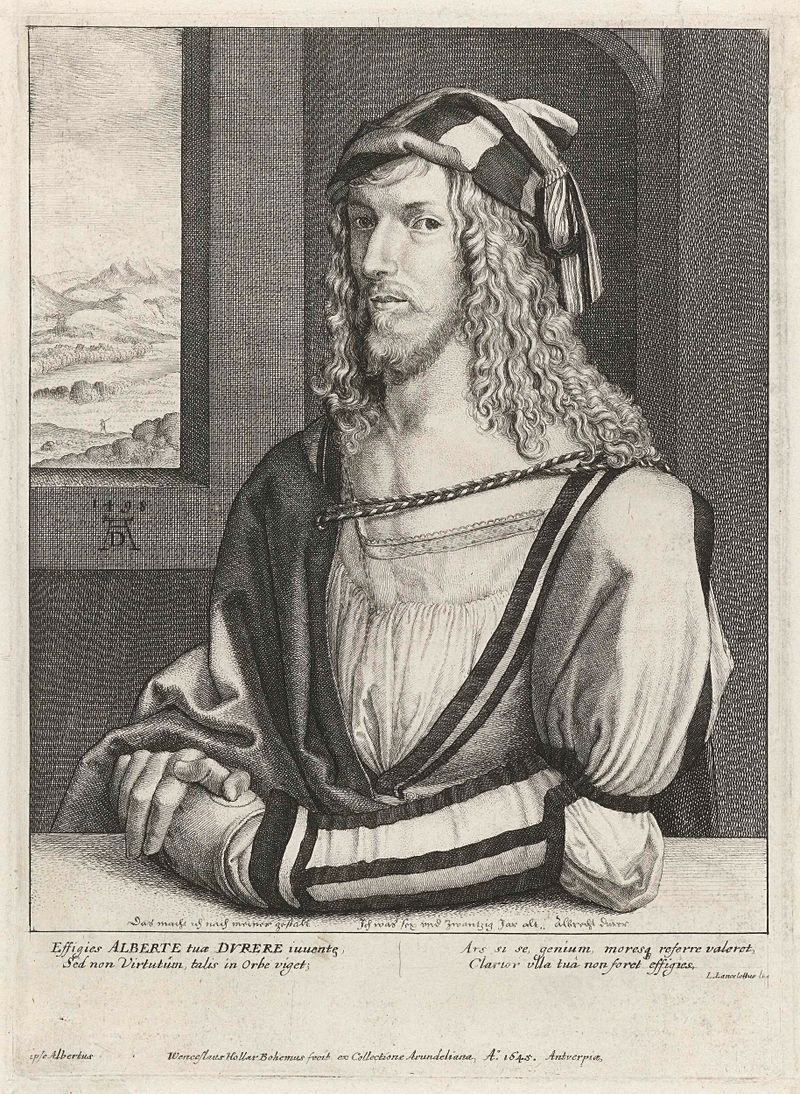
Portret van Albrecht Dürer
Wenceslaus Hollar
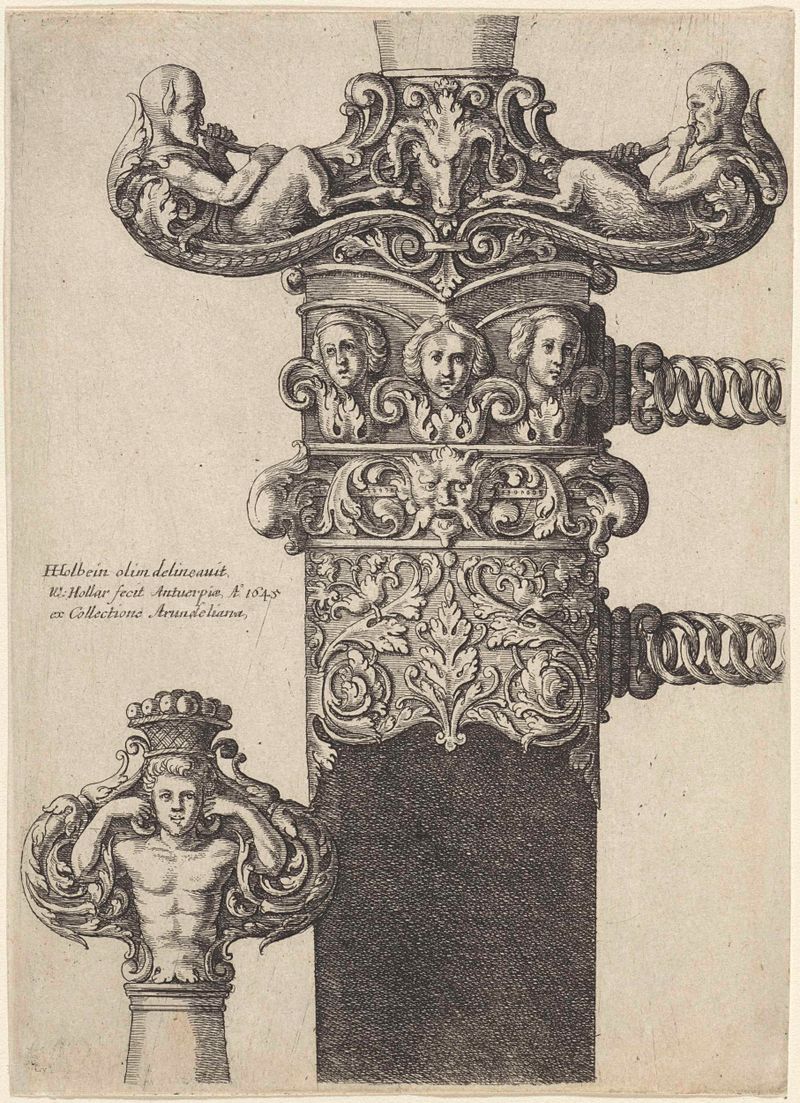
Ornamenteel ontwerp voor een dolk
Wenceslaus Hollar
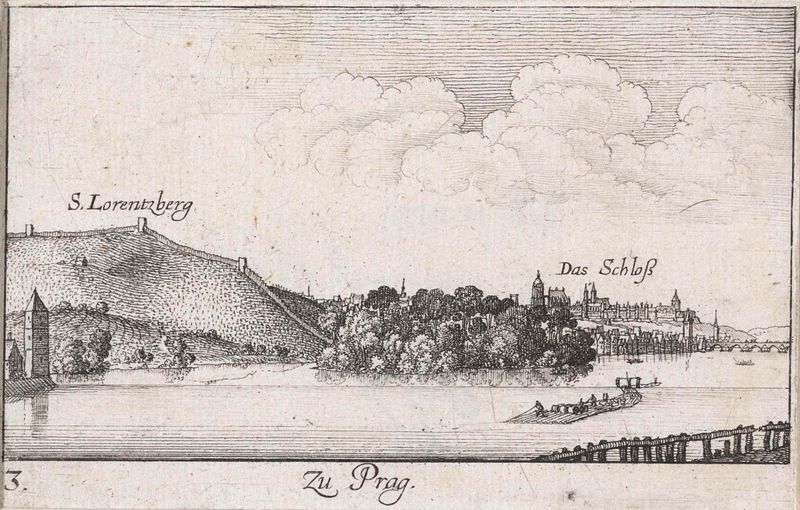
Gezicht op Praag vanaf de Moldau
Wenceslaus Hollar
More Portrait Art
Browse all →
Las meninas
Diego Velázquez

Self-portrait with a Bandaged Ear and Pipe
Unidentified artist

Girl with a Pearl Earring
Johannes Vermeer

The Sampling Officials of the Amsterdam Drapers’ Guild, Known as ‘The Syndics’
Rembrandt van Rijn

The Hundred Guilder Print: the man seen on the back in the lower left corner
Rembrandt van Rijn

Portrait of Dr Gachet
Vincent van Gogh