
Portret van Giorgione — History & Facts
What transpires when the human soul captures the essence of fear? In Wenceslaus Hollar's Portret van Giorgione, we encounter a striking embodiment of vulnerability and strength entwined. Look to the center of the canvas, where the figure stands resolutely, yet a hint of apprehension lingers in the shadows cast across his face. The artist employs a muted palette, with deep browns and melancholy grays, to evoke a sense of introspection. Notice how the light dances delicately on the contours of the subject’s features, illuminating the furrowed brow and slightly parted lips, suggesting unspoken thoughts and emotions.
The background, a tranquil wash of earth tones, both supports and isolates him, guiding your gaze and emphasizing the inner conflict portrayed. Delve deeper into the tensions within the brushstrokes. The interplay of light and shadow not only highlights the figure’s physical presence but also mirrors the tumultuous inner landscape of fear, reflecting the anxieties of the time. Hollar’s meticulous detailing in the fabric of the attire speaks to both opulence and fragility, suggesting a man well-versed in the duality of life.
The unresolved expression reveals a man confronting his own demons, creating a poignant connection between the viewer and the subject. Wenceslaus Hollar painted this piece in the years between 1649 and 1651, likely during his time in London. This period was marked by personal upheaval and political unrest across Europe. As an artist navigating the shifting tides of the Baroque, Hollar sought to capture not just likenesses but the emotional truths of his subjects, revealing the depths of fear and resilience that defined the human experience of his time.
More Artworks by Wenceslaus Hollar
Browse all →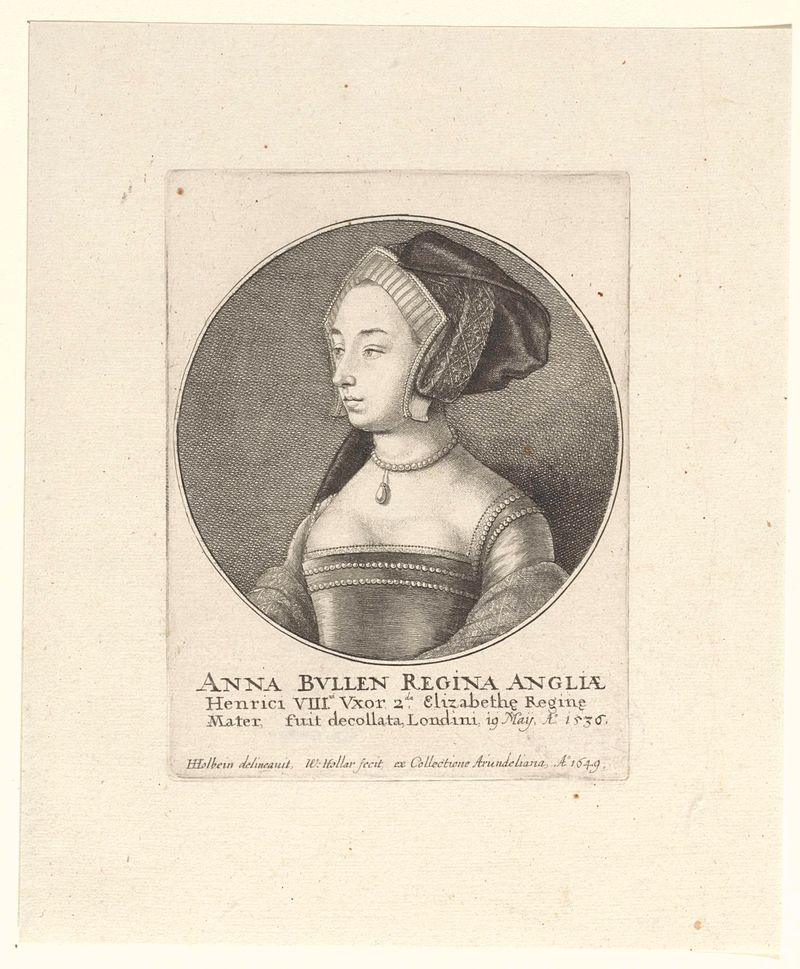
Portret van Anna Boleyn, koningin van Engeland
Wenceslaus Hollar
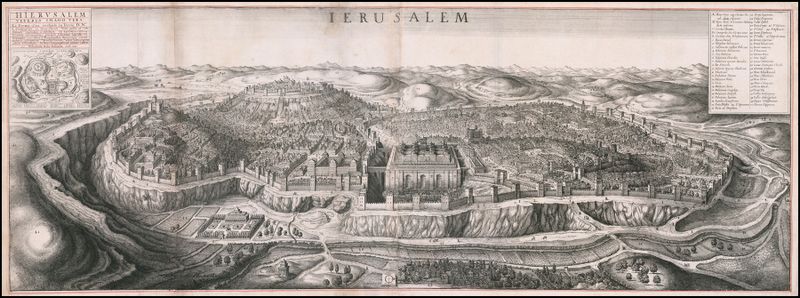
Bird’s eye view of Jerusalem
Wenceslaus Hollar
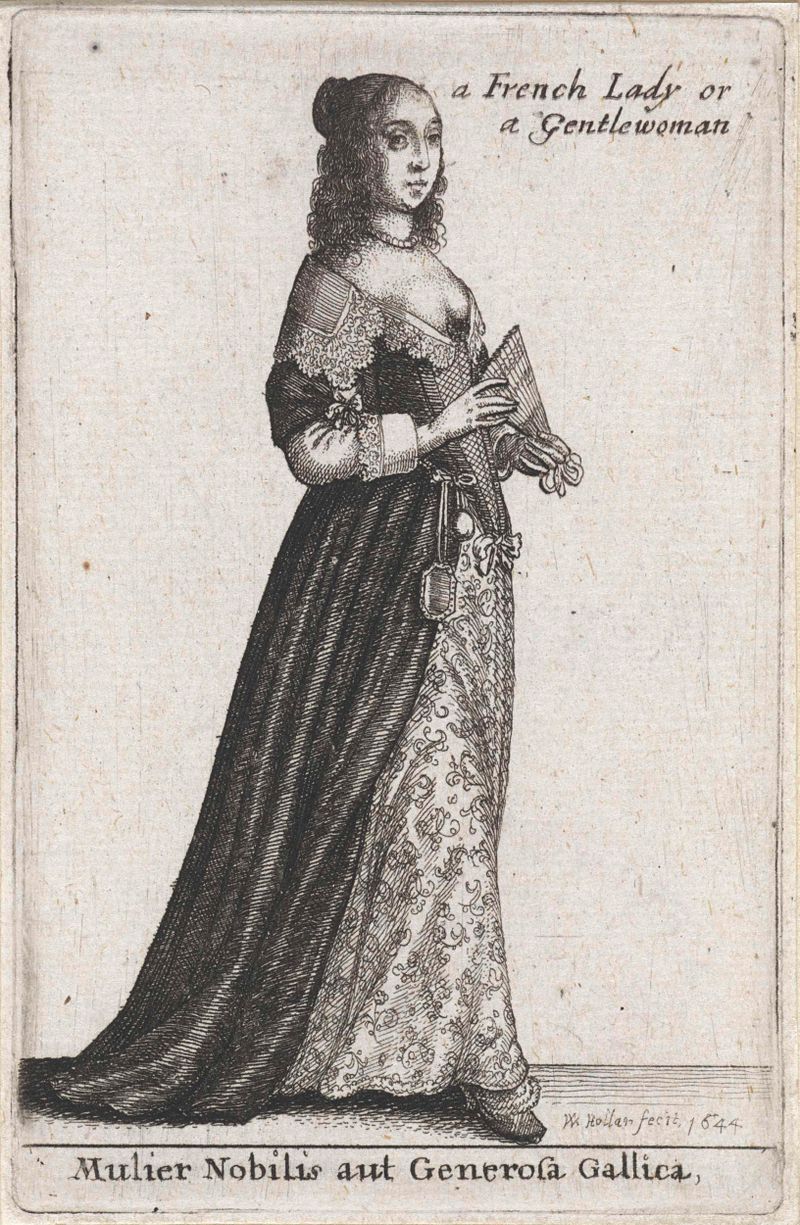
Mulier Nobilis aut Generosa Gallica / a French Lady or Gentlewoman
Wenceslaus Hollar
Titelprent voor: Ornatus Muliebris Anglicanus
Wenceslaus Hollar
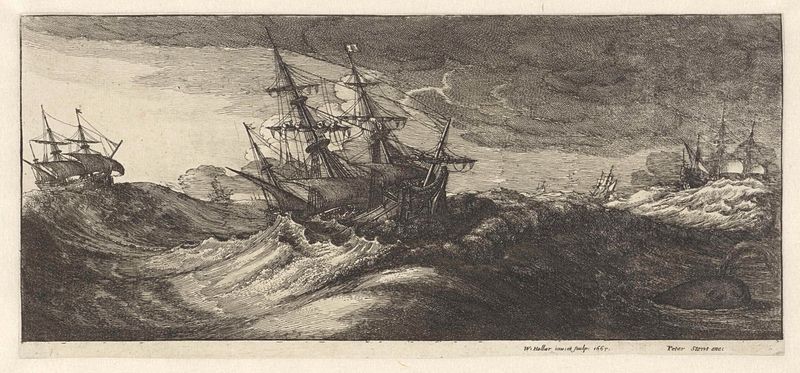
Oorlogsschepen en een walvis in een zeestorm
Wenceslaus Hollar
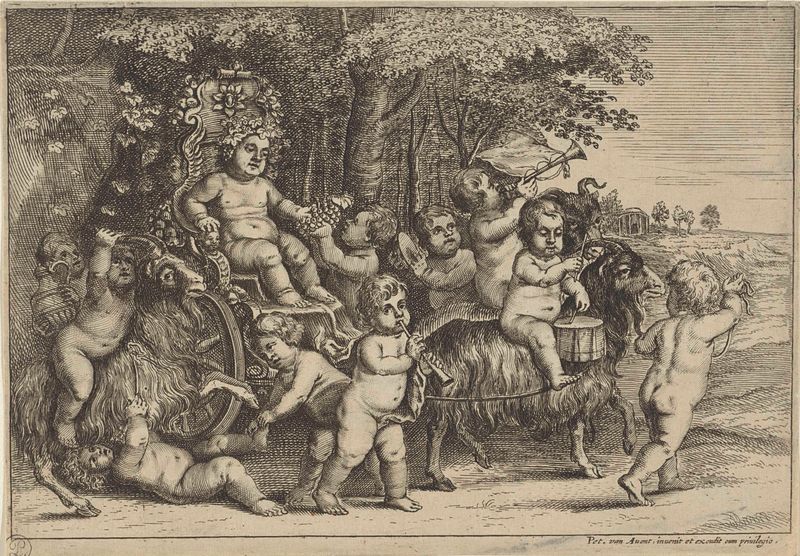
Optocht van bacchant en jongetjes op geiten
Wenceslaus Hollar
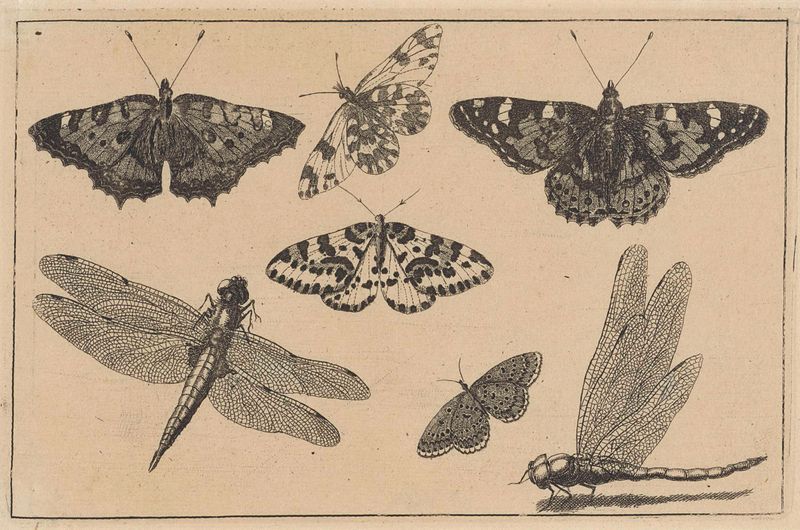
Twee libellen en vijf vlinders
Wenceslaus Hollar
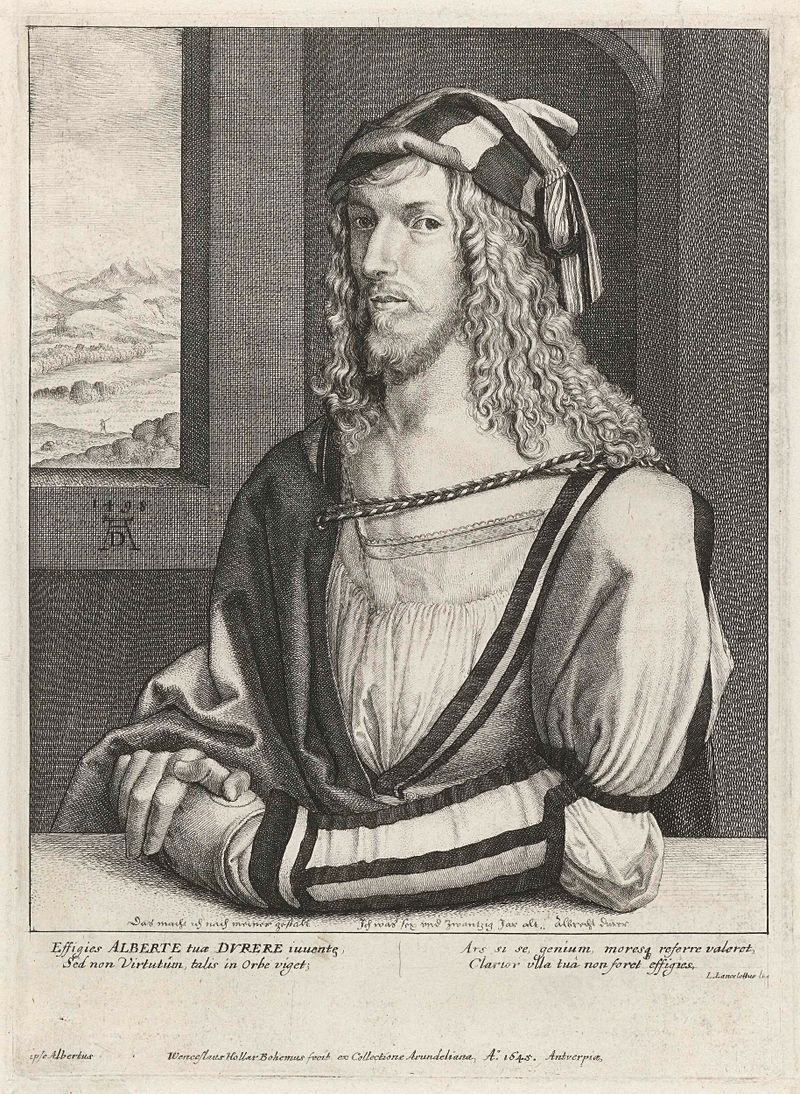
Portret van Albrecht Dürer
Wenceslaus Hollar
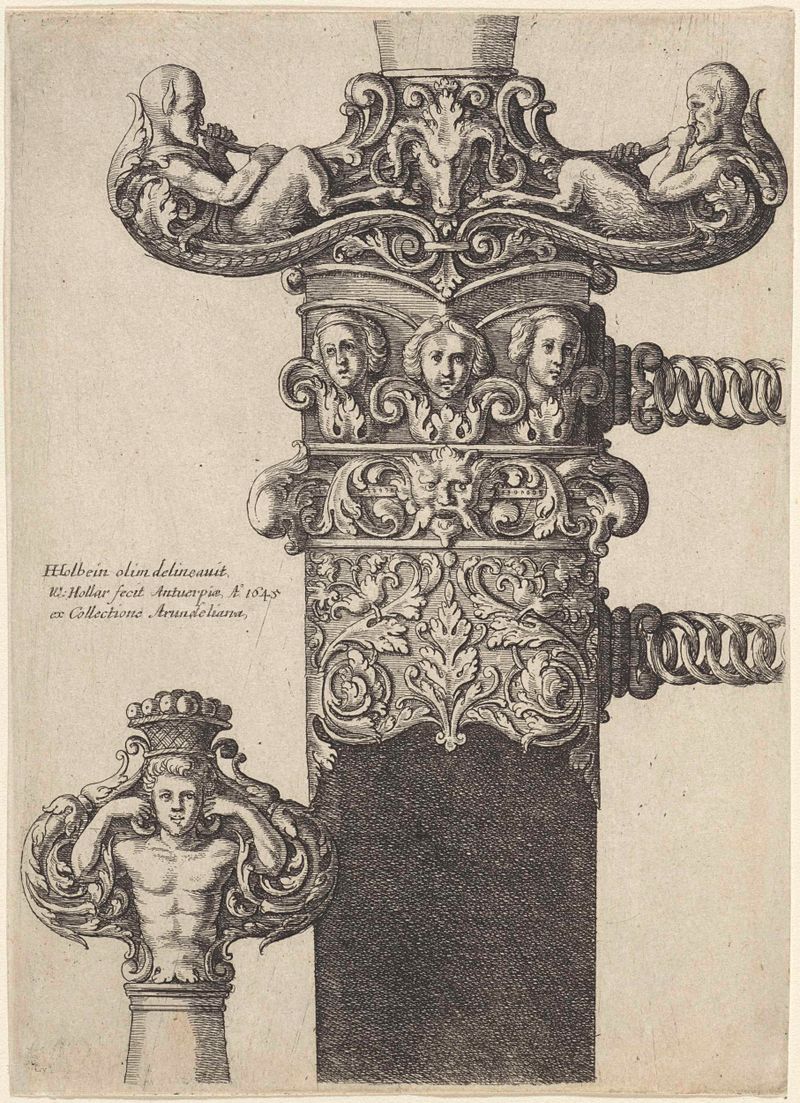
Ornamenteel ontwerp voor een dolk
Wenceslaus Hollar
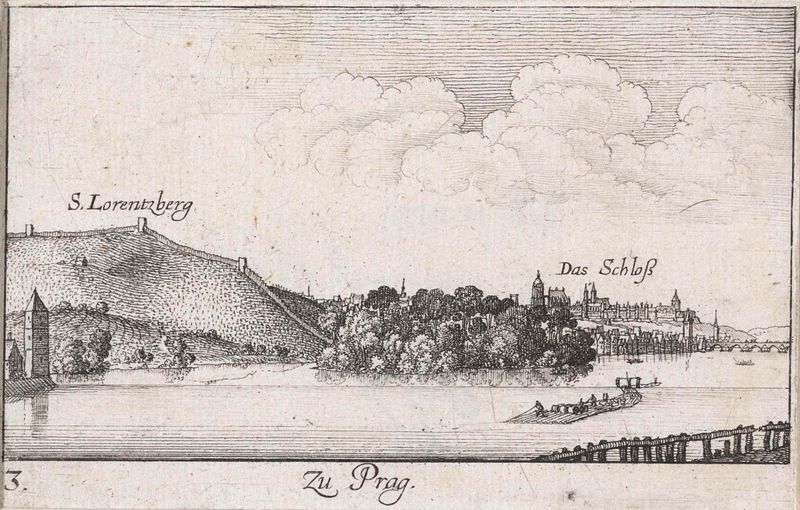
Gezicht op Praag vanaf de Moldau
Wenceslaus Hollar
More Portrait Art
Browse all →
Las meninas
Diego Velázquez

Self-portrait with a Bandaged Ear and Pipe
Unidentified artist

Girl with a Pearl Earring
Johannes Vermeer

The Sampling Officials of the Amsterdam Drapers’ Guild, Known as ‘The Syndics’
Rembrandt van Rijn

The Hundred Guilder Print: the man seen on the back in the lower left corner
Rembrandt van Rijn

Portrait of Dr Gachet
Vincent van Gogh