
Portret van Hans Holbein de Jonge — History & Facts
Could beauty survive in a century of chaos? The question lingers as one gazes upon the striking visage captured in this portrait, a testament to resilience amidst turmoil. Look to the right at the finely sculpted features of Hans Holbein the Younger, rendered with an exquisite delicacy that highlights the artist's mastery. The soft interplay of light and shadow accentuates the contours of his face, while the muted palette evokes a sense of somber elegance. Notice how the fabric of his attire drapes effortlessly, contrasting the somber expression with an air of dignity, suggesting a complexity beneath the surface that invites contemplation. Delve deeper into the emotional fabric woven into this portrait.
The tension between the subject's calm demeanor and the chaotic backdrop of 1647 reflects a world ravaged by conflict and uncertainty. Each brushstroke captures not just the likeness but the essence of a man who faced the tumult of his time. The choice of colors, subdued yet rich, speaks to the fragility of beauty within a landscape marred by violence and upheaval. Wenceslaus Hollar created this portrait during a tumultuous period marked by civil strife in England and ongoing wars across Europe.
Working in London after having fled his native Bohemia, Hollar was deeply influenced by the shifting political landscape and the artistic trends of his contemporaries. This portrait stands as a poignant reflection of his times, encapsulating both the enduring spirit of beauty and the shadows cast by chaos.
More Artworks by Wenceslaus Hollar
Browse all →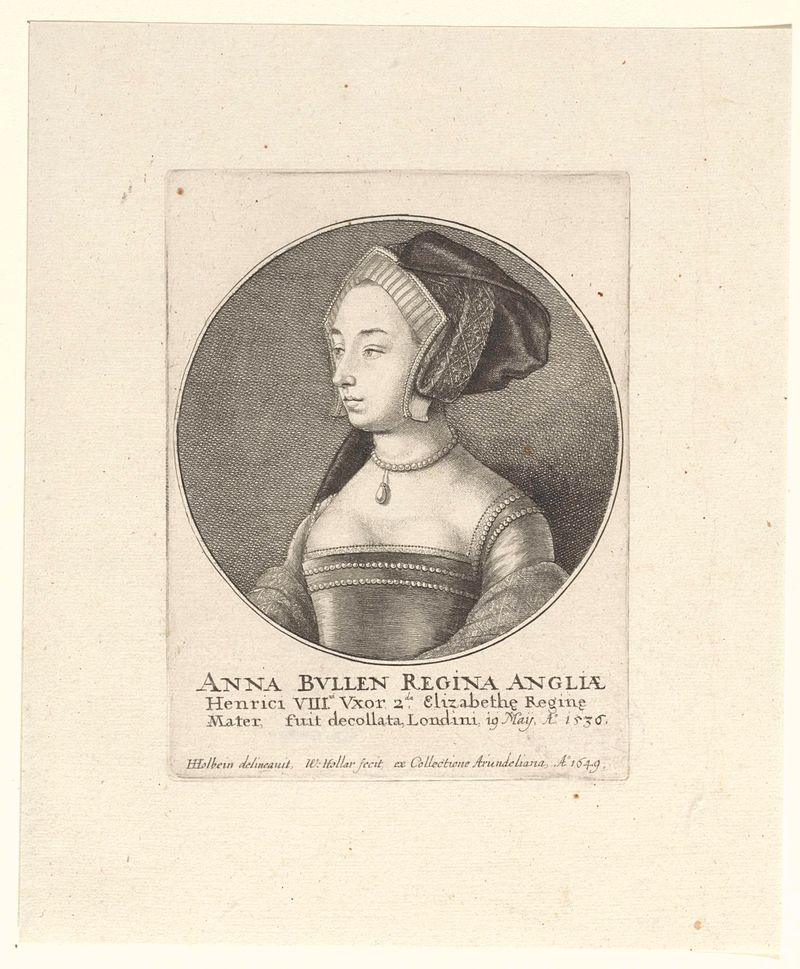
Portret van Anna Boleyn, koningin van Engeland
Wenceslaus Hollar
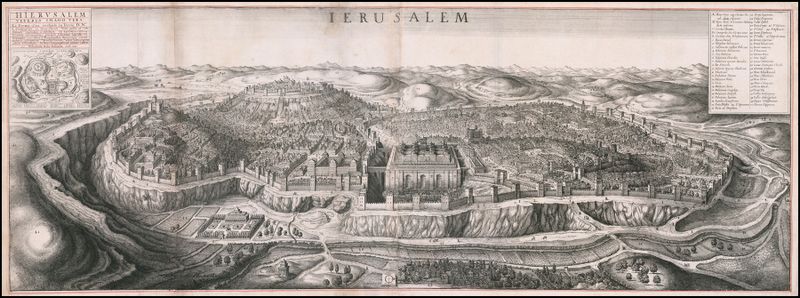
Bird’s eye view of Jerusalem
Wenceslaus Hollar
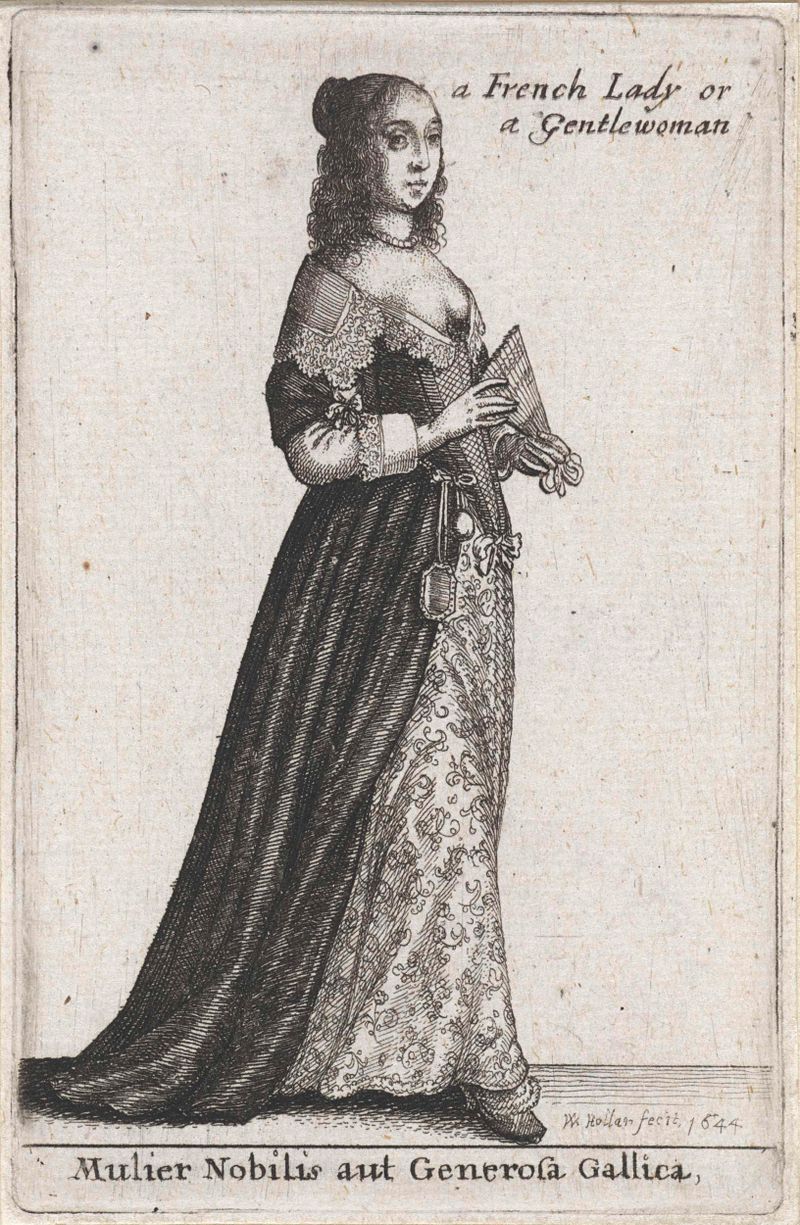
Mulier Nobilis aut Generosa Gallica / a French Lady or Gentlewoman
Wenceslaus Hollar
Titelprent voor: Ornatus Muliebris Anglicanus
Wenceslaus Hollar
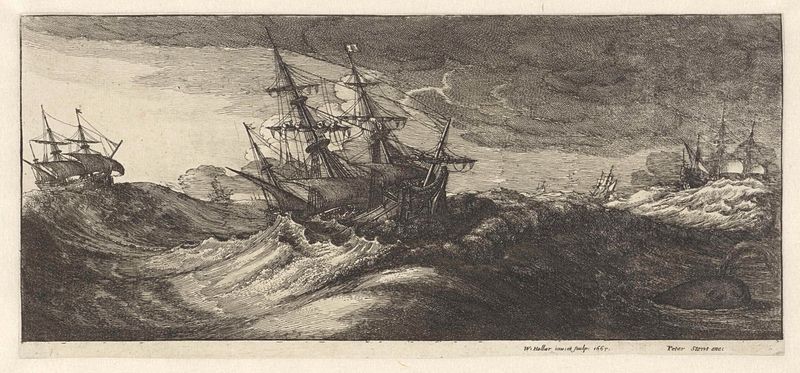
Oorlogsschepen en een walvis in een zeestorm
Wenceslaus Hollar
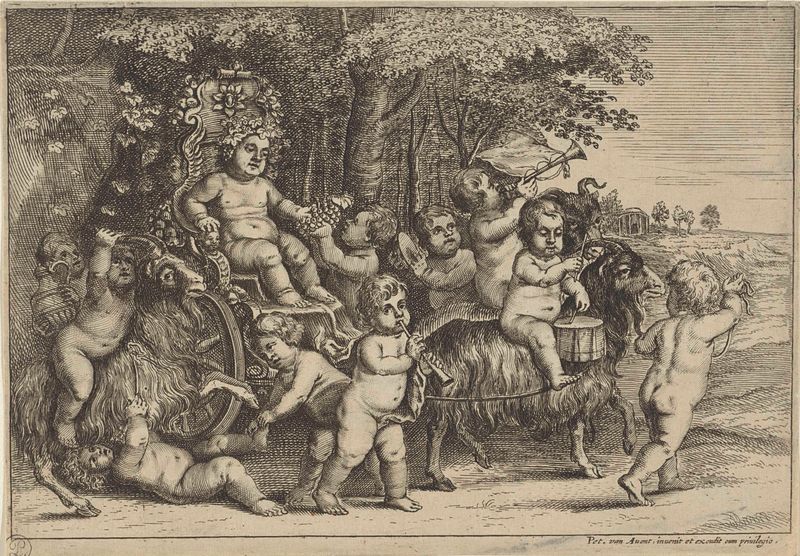
Optocht van bacchant en jongetjes op geiten
Wenceslaus Hollar
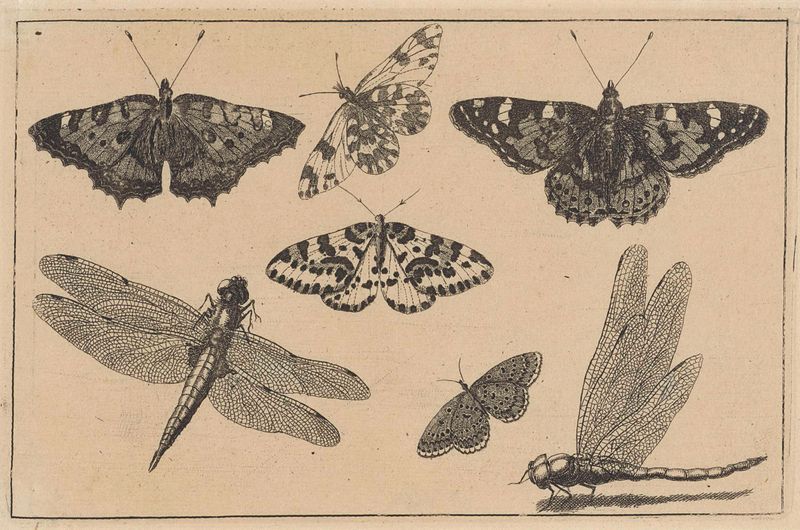
Twee libellen en vijf vlinders
Wenceslaus Hollar
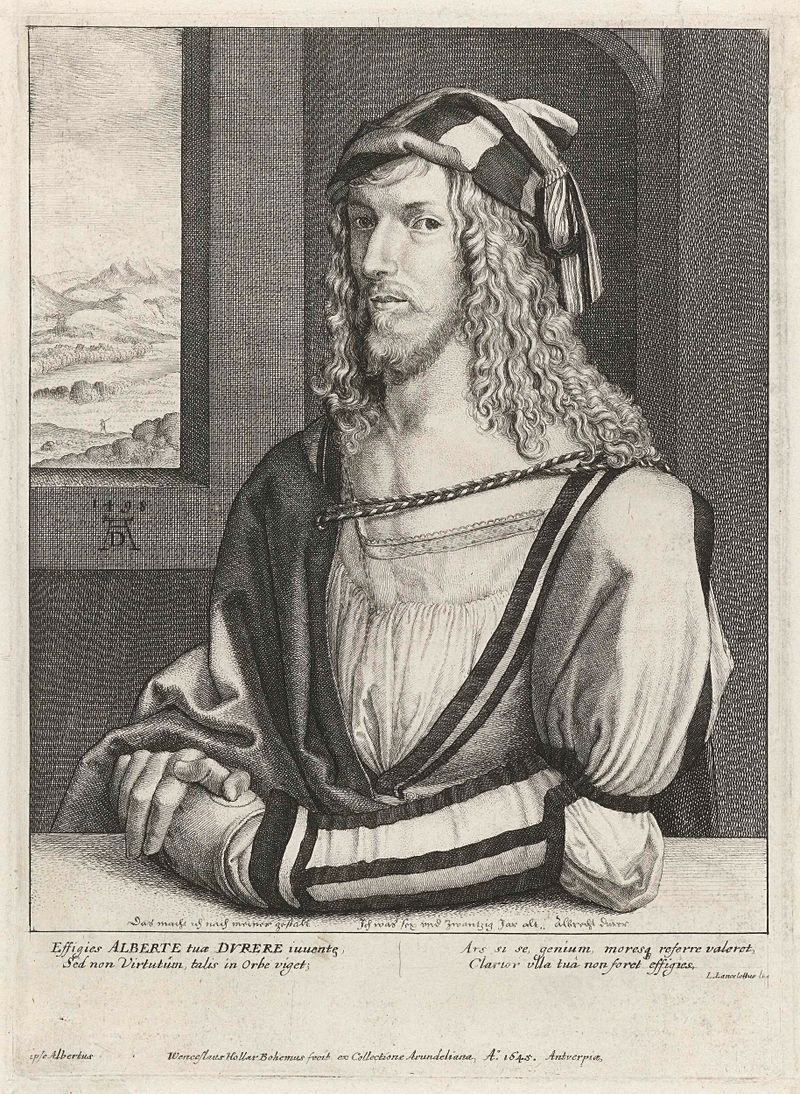
Portret van Albrecht Dürer
Wenceslaus Hollar
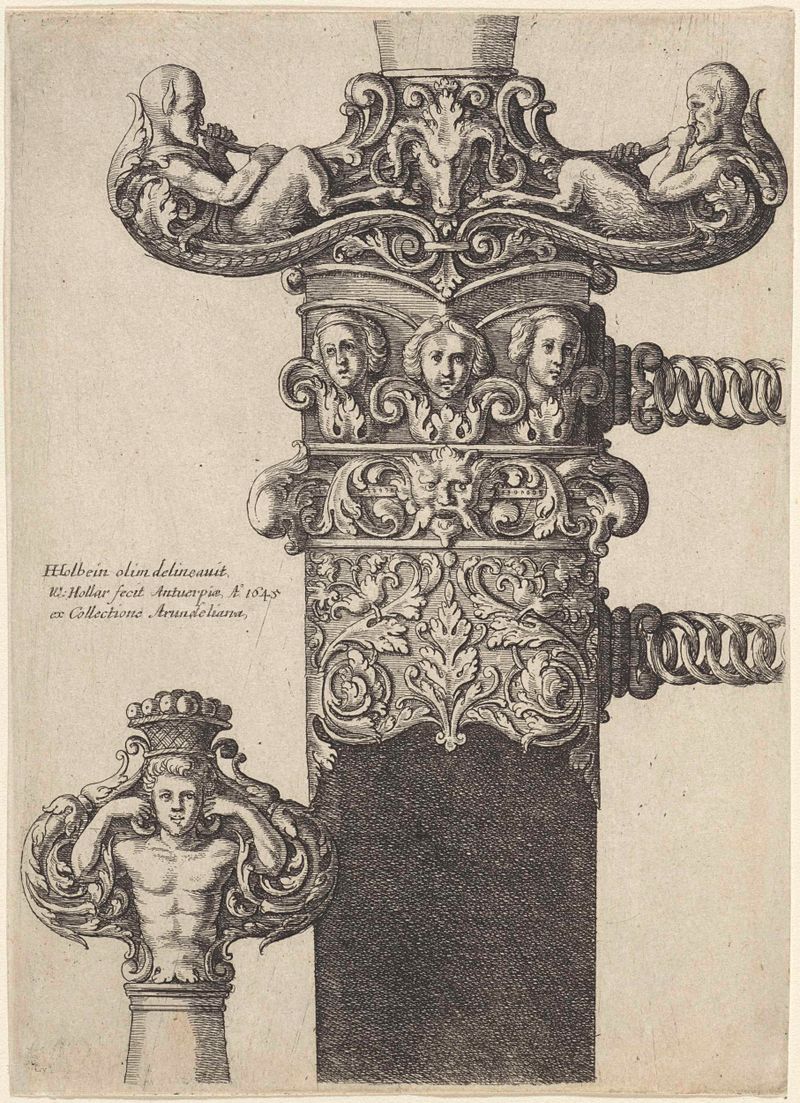
Ornamenteel ontwerp voor een dolk
Wenceslaus Hollar
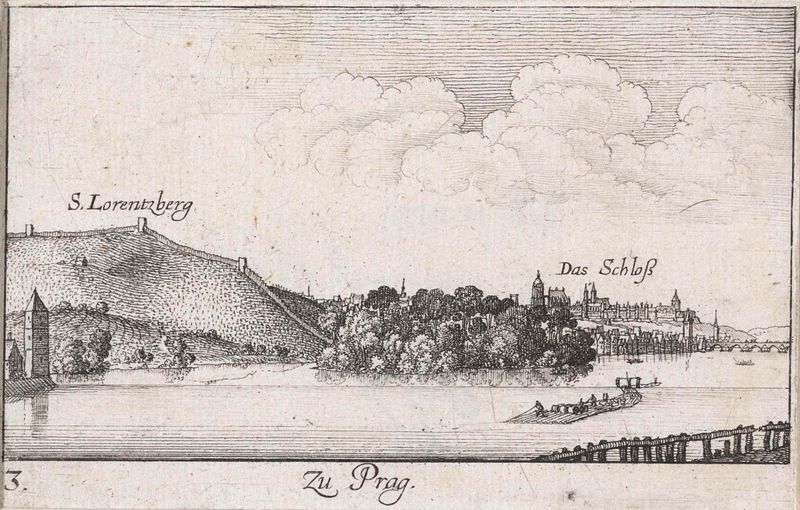
Gezicht op Praag vanaf de Moldau
Wenceslaus Hollar
More Portrait Art
Browse all →
Las meninas
Diego Velázquez

Self-portrait with a Bandaged Ear and Pipe
Unidentified artist

Girl with a Pearl Earring
Johannes Vermeer

The Sampling Officials of the Amsterdam Drapers’ Guild, Known as ‘The Syndics’
Rembrandt van Rijn

The Hundred Guilder Print: the man seen on the back in the lower left corner
Rembrandt van Rijn

Portrait of Dr Gachet
Vincent van Gogh