
Portret van Hendrik van der Borcht de Oude — History & Facts
When did color learn to lie? In the delicate dance of light and shadow, the truth of human nature reveals itself, cloaked in layers of pigment and intention. Look closely at the figure in the center; the dignified presence of Hendrik van der Borcht de Oude comes alive against a muted background. The artist’s meticulous line work crafts every crease and contour, inviting your gaze to linger on the gentle curves of his face. Notice how the light falls upon his forehead, softly illuminating his features while casting a shadow across his eyes, suggesting depth and complexity, as if he holds untold stories just beyond reach. The contrasts within the portrait evoke a deeper tension — the vividness of the sitter’s attire juxtaposed against the somber palette of the backdrop.
Each element speaks to the duality of life: the external grandeur versus the internal struggles. The subtle choice of colors, from the deep reds to the forest greens, hints at wealth but also at a certain burden, hinting that material success often conceals deeper emotional truths. Wenceslaus Hollar created this portrait between 1650 and 1670, a time when he was deeply involved in the vibrant art scene of post-Reformation Europe. Residing in London after fleeing the Thirty Years' War, Hollar was influenced by both the Baroque movement and the emerging English portrait tradition.
His works often bridged Continental styles with the evolving demands of English patronage, capturing the essence of his subjects within a frame of historical upheaval and personal resilience.
More Artworks by Wenceslaus Hollar
Browse all →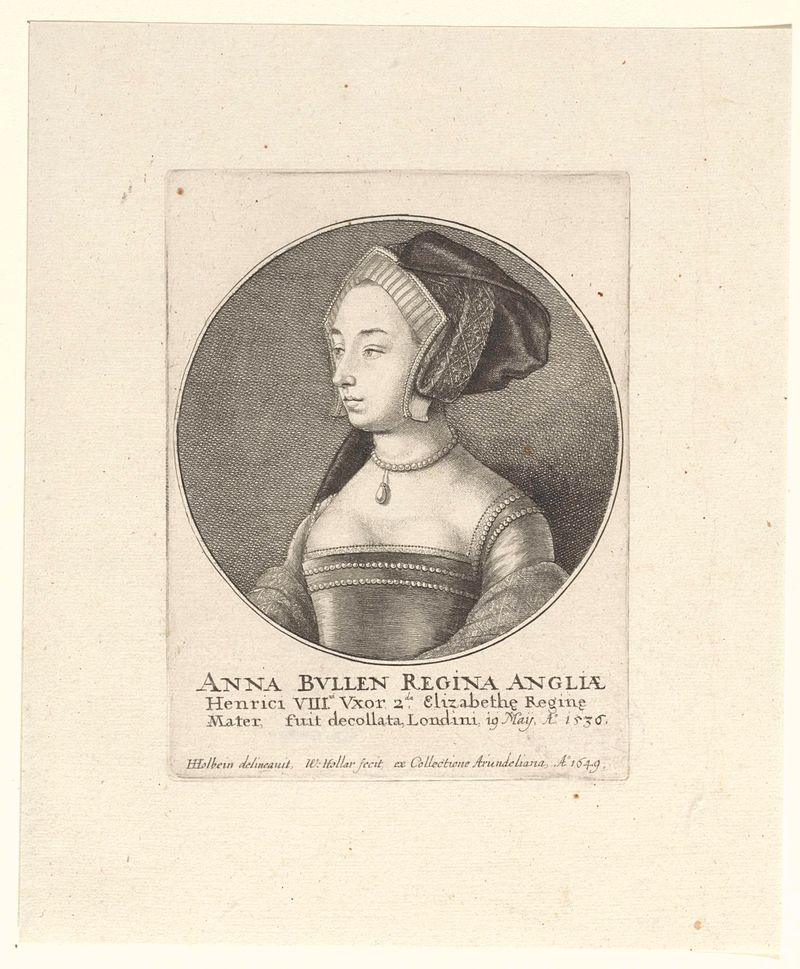
Portret van Anna Boleyn, koningin van Engeland
Wenceslaus Hollar
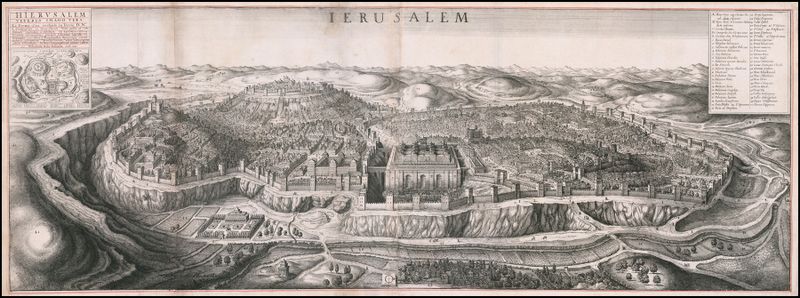
Bird’s eye view of Jerusalem
Wenceslaus Hollar
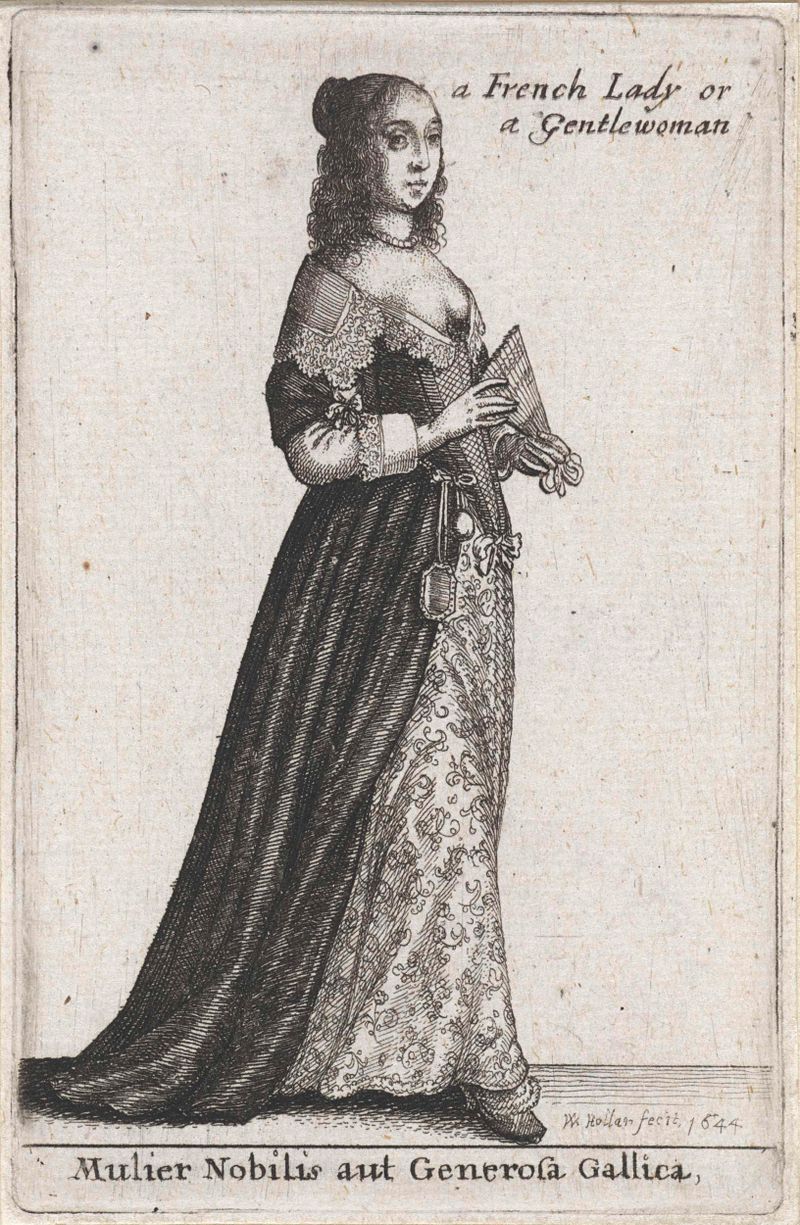
Mulier Nobilis aut Generosa Gallica / a French Lady or Gentlewoman
Wenceslaus Hollar
Titelprent voor: Ornatus Muliebris Anglicanus
Wenceslaus Hollar
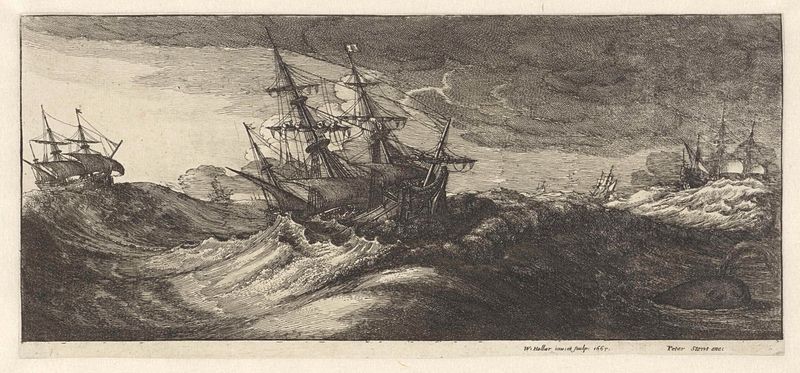
Oorlogsschepen en een walvis in een zeestorm
Wenceslaus Hollar
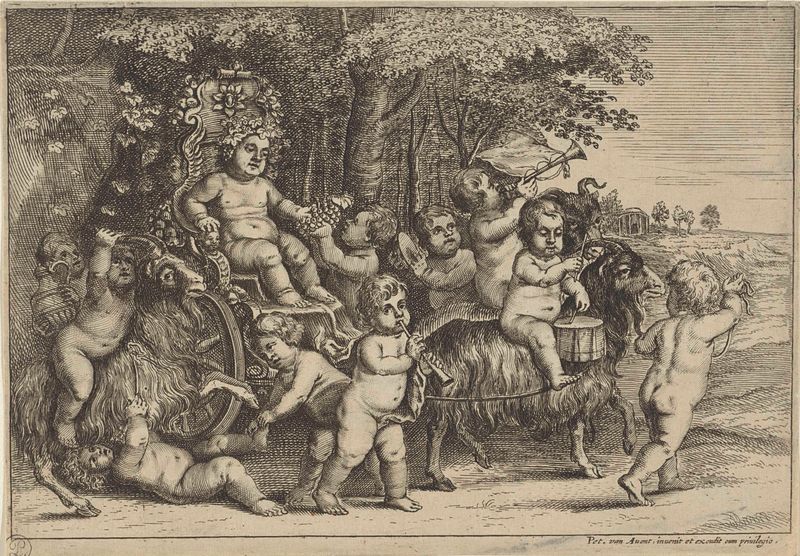
Optocht van bacchant en jongetjes op geiten
Wenceslaus Hollar
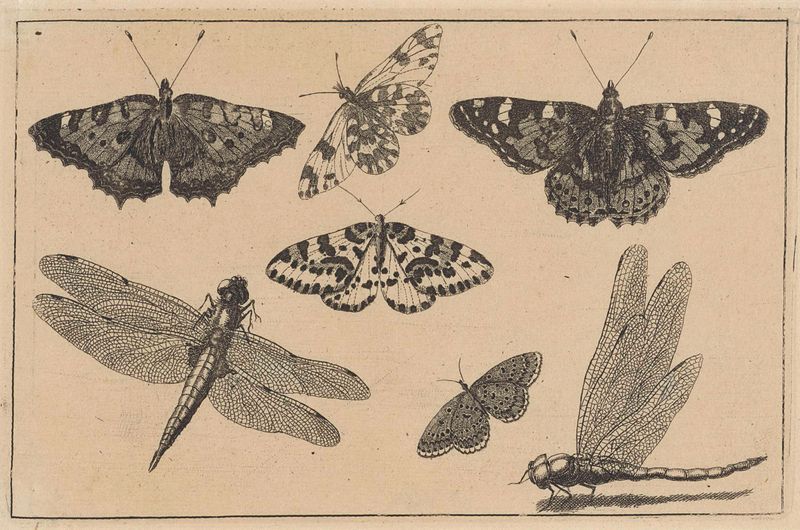
Twee libellen en vijf vlinders
Wenceslaus Hollar
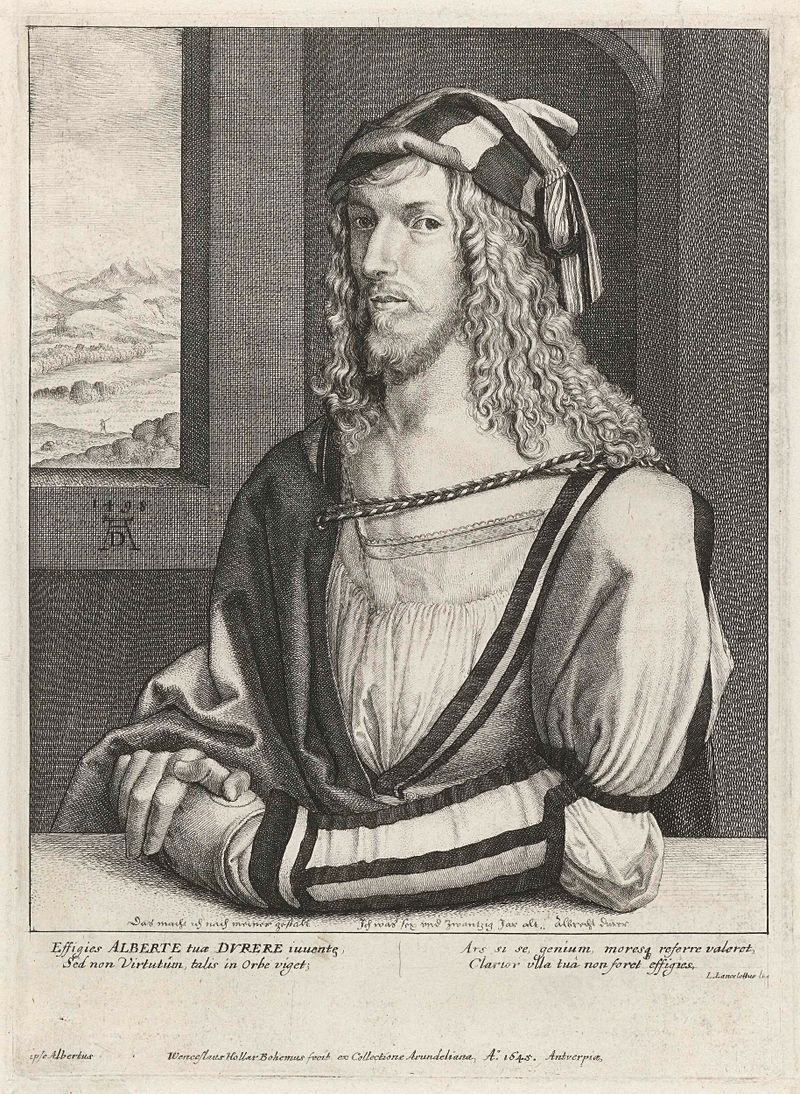
Portret van Albrecht Dürer
Wenceslaus Hollar
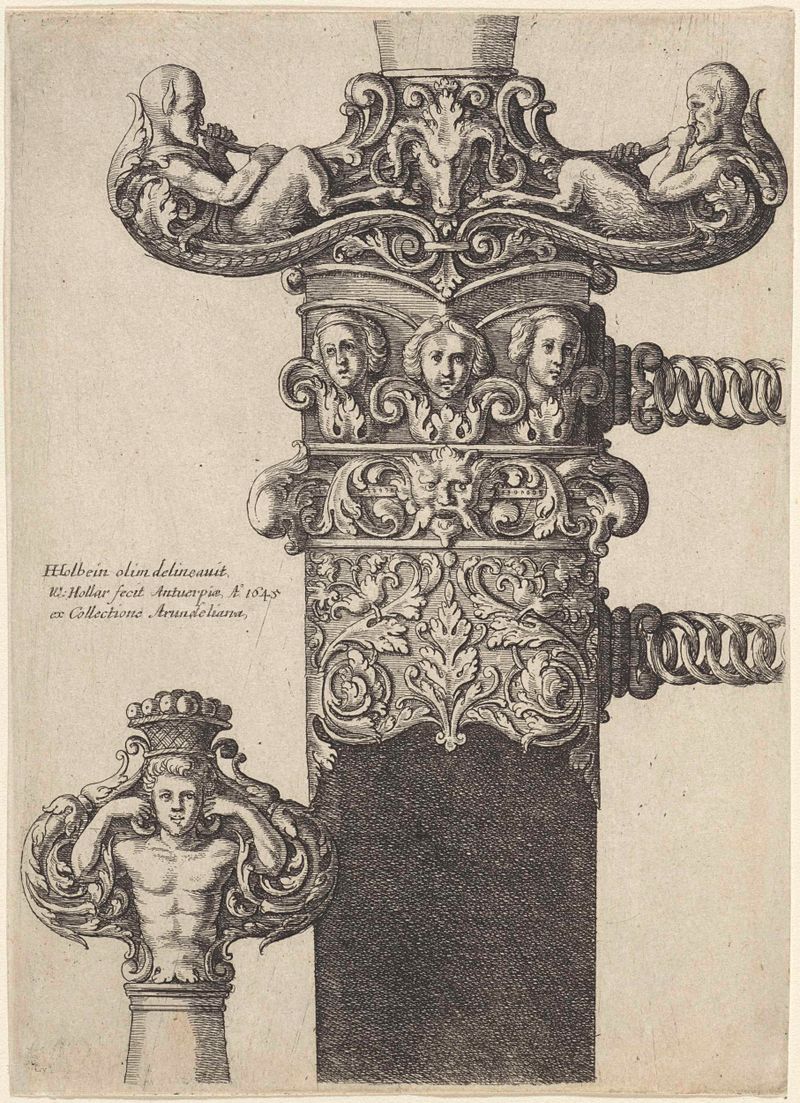
Ornamenteel ontwerp voor een dolk
Wenceslaus Hollar
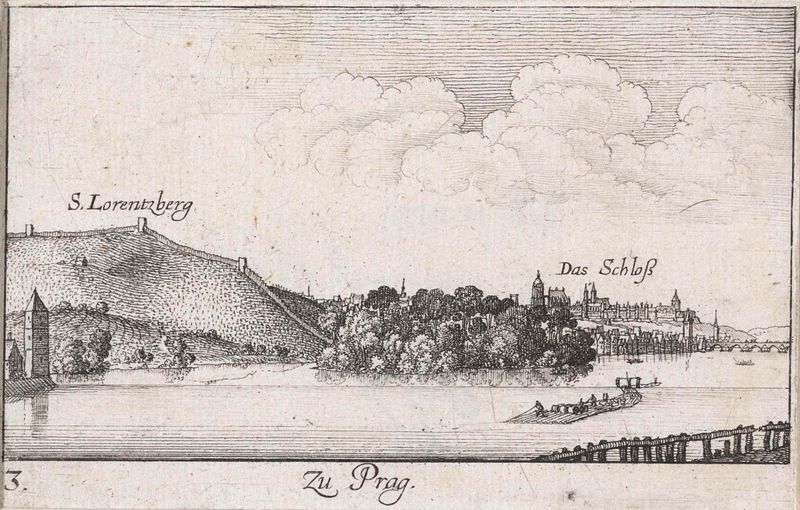
Gezicht op Praag vanaf de Moldau
Wenceslaus Hollar
More Portrait Art
Browse all →
Las meninas
Diego Velázquez

Self-portrait with a Bandaged Ear and Pipe
Unidentified artist

Girl with a Pearl Earring
Johannes Vermeer

The Sampling Officials of the Amsterdam Drapers’ Guild, Known as ‘The Syndics’
Rembrandt van Rijn

The Hundred Guilder Print: the man seen on the back in the lower left corner
Rembrandt van Rijn

Portrait of Dr Gachet
Vincent van Gogh