
Portret van Inigo Jones — History & Facts
This sentiment resonates deeply within the layers of illusion and time captured in Portret van Inigo Jones. Look at the solemn gaze of the architect, Inigo Jones, as he stands poised against a softly fading background. His attire is a meticulous display of dark, rich fabrics, each fold and shadow conveying both elegance and gravity. Notice how light delicately caresses his face, casting a subtle glow that enhances the nobility of his features.
The artist employs a muted color palette, allowing the interplay of light and shadow to evoke a sense of depth and introspection, drawing the viewer into an almost forgotten world. Beneath the surface, the portrait whispers stories of creativity and tension. Jones is not merely depicted as a man but as a bridge between the Renaissance and Baroque periods, his expression suggesting a moment of contemplative doubt about the shifting tides of art and architecture. The slight arch of his brow hints at his awareness of the fleeting nature of legacy, reflecting on the paradox of his monumental contributions yet the eventual obscurity that time brings to all.
Each brushstroke seems to capture a flicker of his genius, while simultaneously hinting at an impending dissolution into the annals of history. Wenceslaus Hollar painted this work in 1655, during a time when he was immersed in the vibrant artistic community of London after fleeing the conflicts of his native Bohemia. His life was marked by a pursuit of detailed representation and exploration of perspective, influenced by the great masters before him. In this moment, the portrait became a testament not only to Jones's contribution to architecture but also to Hollar's own quest to immortalize the intellect and spirit of his subjects through the power of visual art.
More Artworks by Wenceslaus Hollar
Browse all →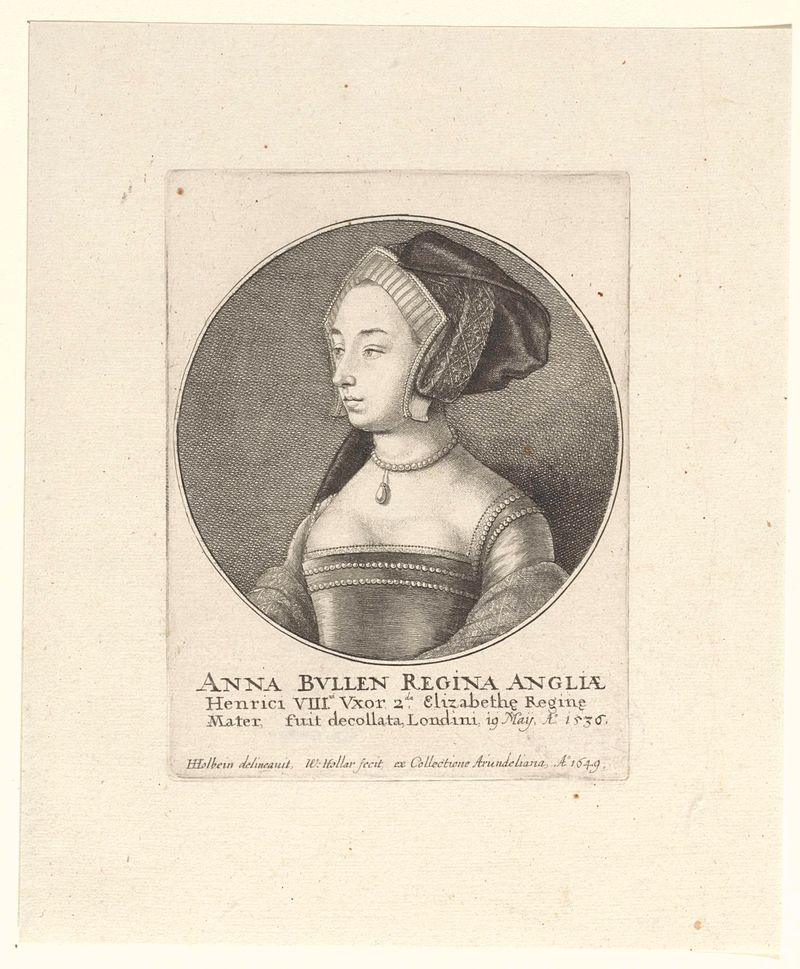
Portret van Anna Boleyn, koningin van Engeland
Wenceslaus Hollar
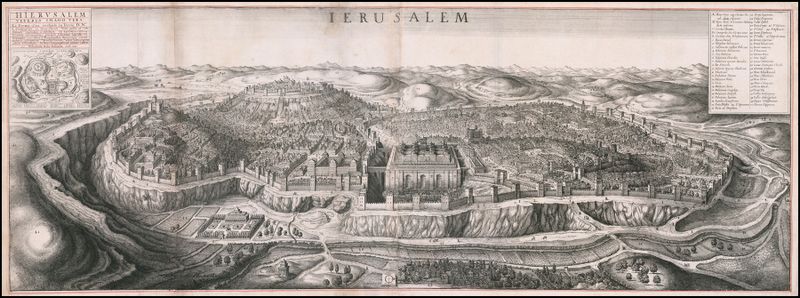
Bird’s eye view of Jerusalem
Wenceslaus Hollar
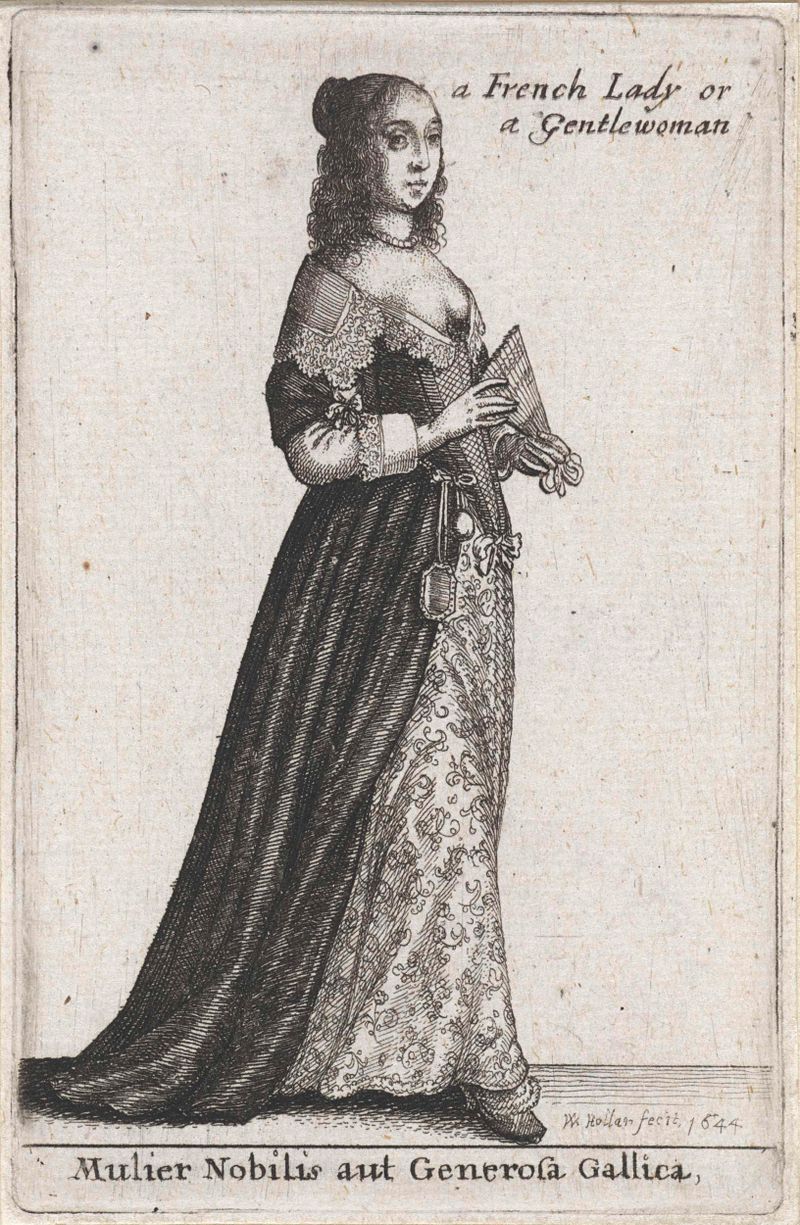
Mulier Nobilis aut Generosa Gallica / a French Lady or Gentlewoman
Wenceslaus Hollar
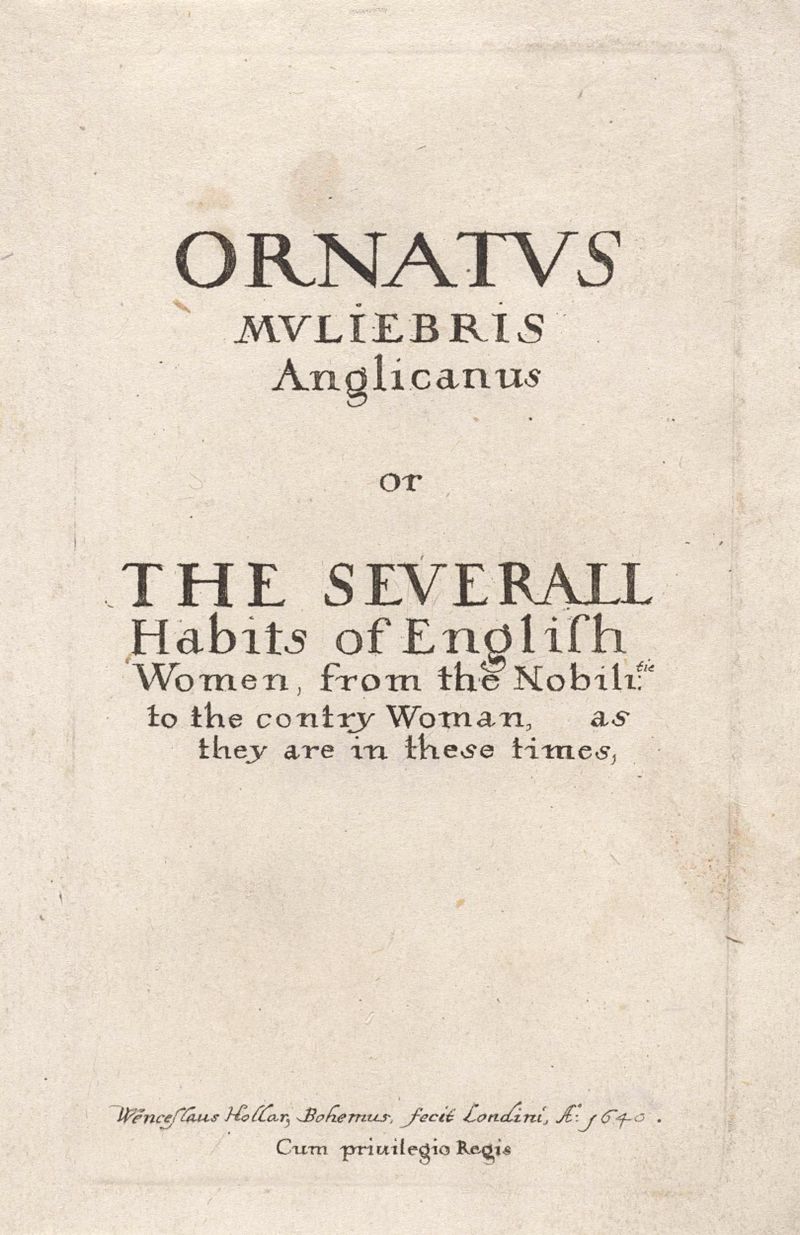
Titelprent voor: Ornatus Muliebris Anglicanus
Wenceslaus Hollar
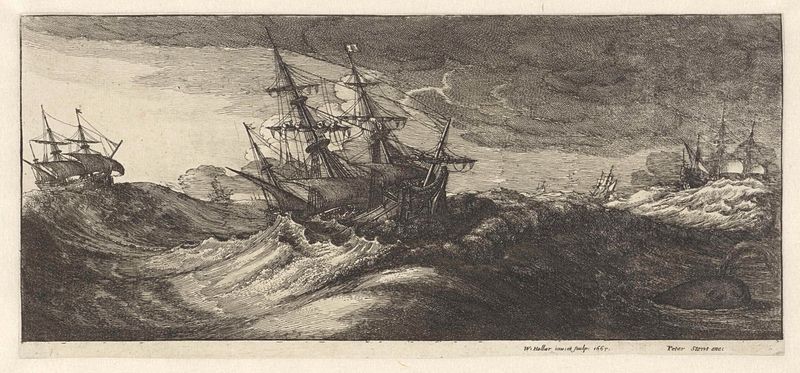
Oorlogsschepen en een walvis in een zeestorm
Wenceslaus Hollar
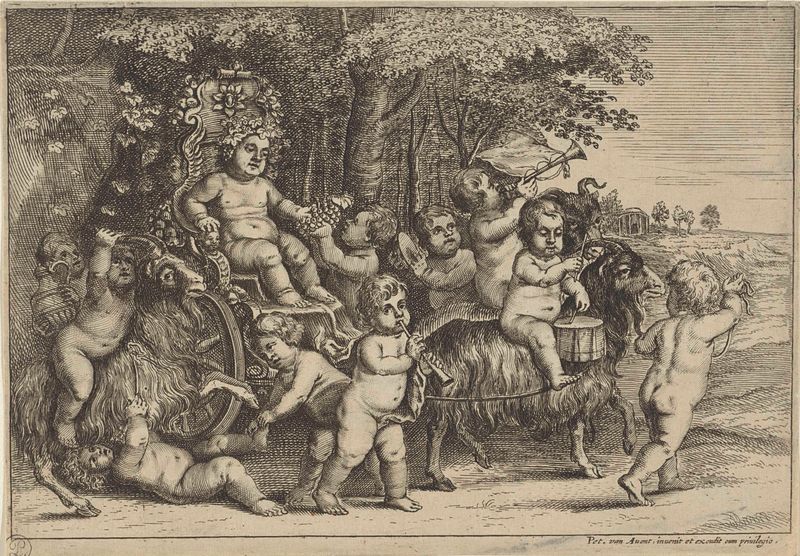
Optocht van bacchant en jongetjes op geiten
Wenceslaus Hollar
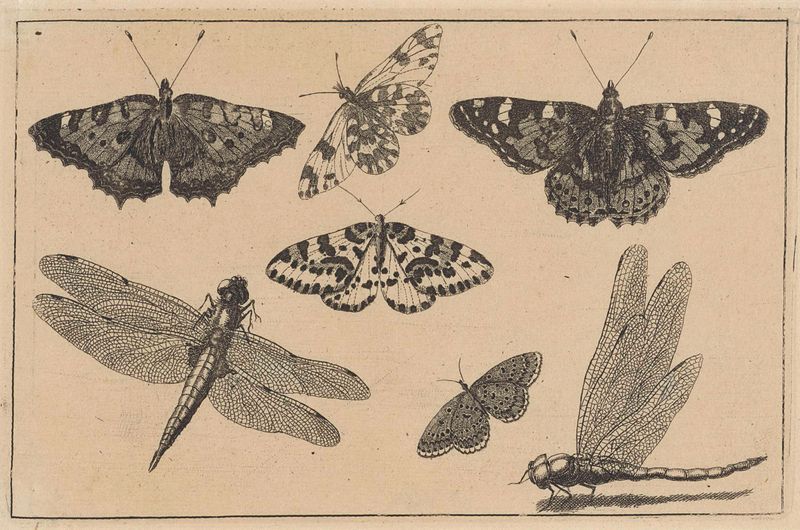
Twee libellen en vijf vlinders
Wenceslaus Hollar
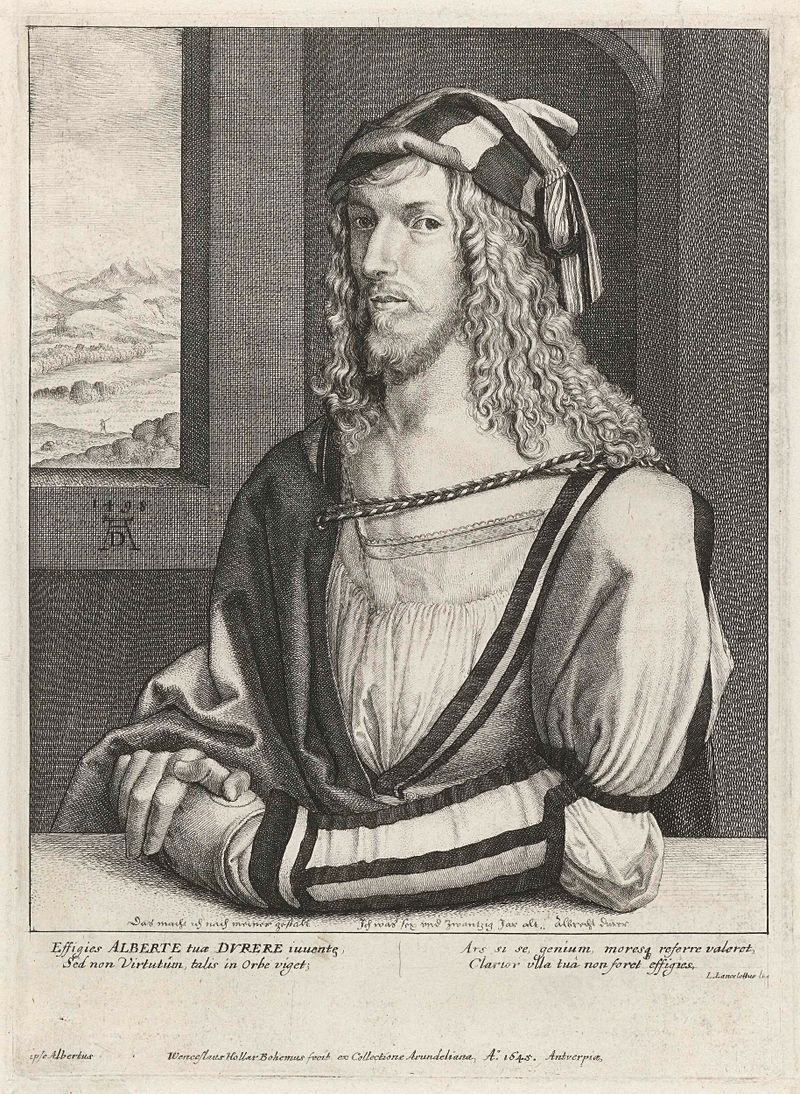
Portret van Albrecht Dürer
Wenceslaus Hollar
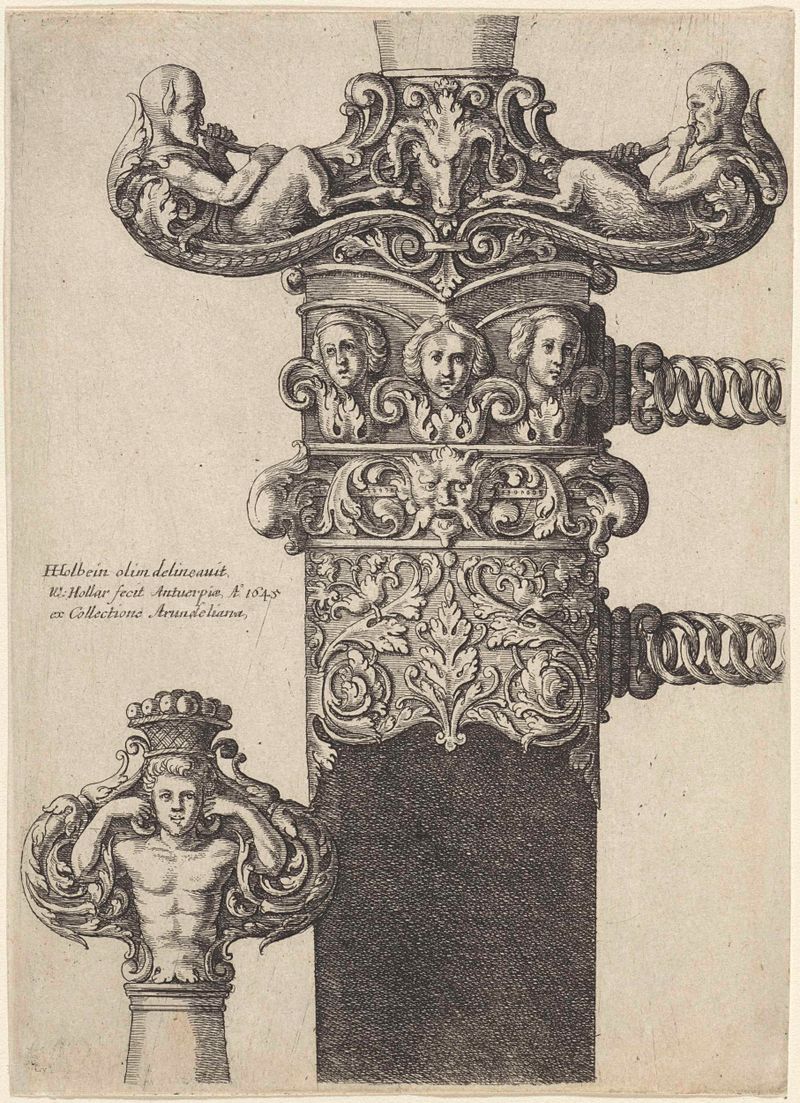
Ornamenteel ontwerp voor een dolk
Wenceslaus Hollar
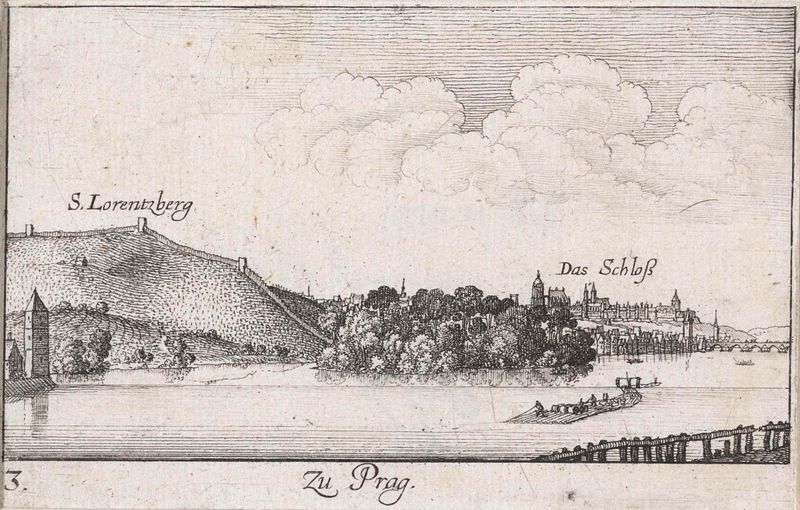
Gezicht op Praag vanaf de Moldau
Wenceslaus Hollar
More Portrait Art
Browse all →
Las meninas
Diego Velázquez

Self-portrait with a Bandaged Ear and Pipe
Unidentified artist

Girl with a Pearl Earring
Johannes Vermeer

The Sampling Officials of the Amsterdam Drapers’ Guild, Known as ‘The Syndics’
Rembrandt van Rijn

The Hundred Guilder Print: the man seen on the back in the lower left corner
Rembrandt van Rijn

Portrait of Dr Gachet
Vincent van Gogh