
Portret van Jacob Roelants — History & Facts
What if silence could speak through light? In Portret van Jacob Roelants, the quiet intensity of the subject resonates with an unvoiced revolution, capturing a moment that feels both deeply intimate and historically significant. Focus on the face of Jacob Roelants, where light delicately carves out his features against a muted backdrop. Notice how the gentle play of shadows accentuates his thoughtful expression, revealing a man caught in contemplation. The subtle contrasts of light and dark in the etching reflect not only the physicality of his figure but also the emotional depth embedded within his gaze, inviting viewers to ponder the thoughts lurking behind his serene demeanor. In the intricate details, there lies a tension between presence and absence, as the soft lines evoke both the comfort of familiarity and the weight of uncertainty.
The choice of monochromatic tones heightens the sense of introspection, suggesting a world of complexity beneath the surface. Here, light becomes a vessel for unspoken ideas, while Roelants himself represents the intersection of personal and societal change, mirroring the turbulence of the era. Wenceslaus Hollar created this etching in 1648, a year marked by political upheaval and transformation across Europe. Living in the vibrant artistic circles of Amsterdam after his exile from Prague, Hollar was immersed in a world rich with intellectual discourse, where art served as both a reflection and commentary on the shifting tides of society.
This portrait not only captures a singular figure but also embodies a broader narrative of revolution and the quest for identity during a time of great change.
More Artworks by Wenceslaus Hollar
Browse all →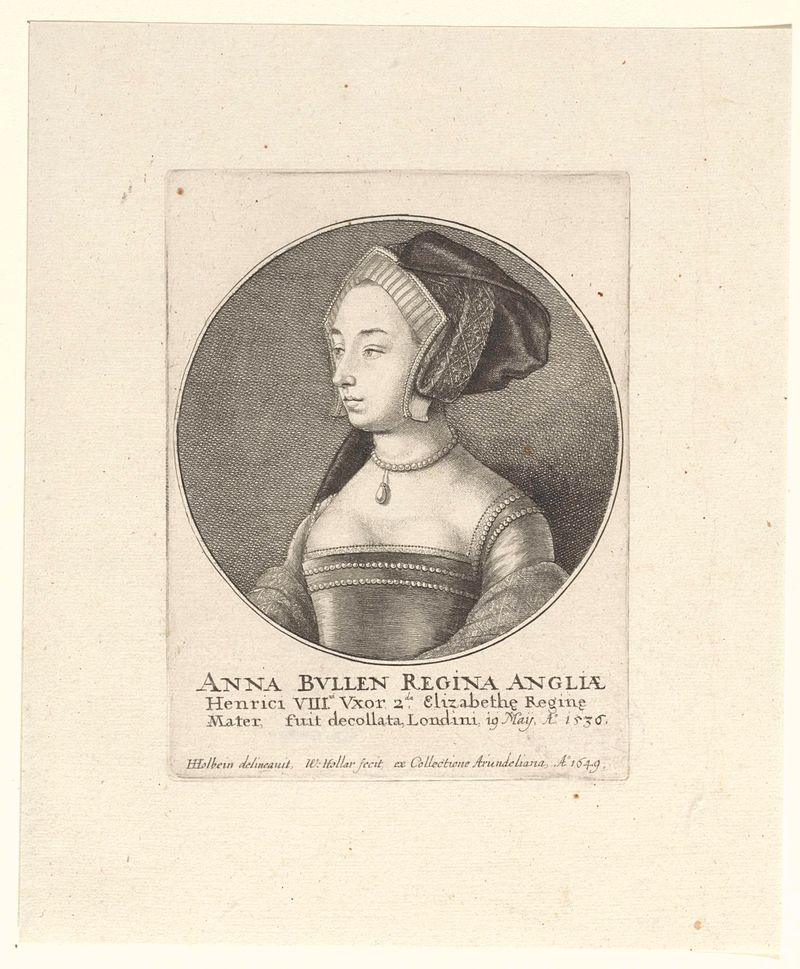
Portret van Anna Boleyn, koningin van Engeland
Wenceslaus Hollar
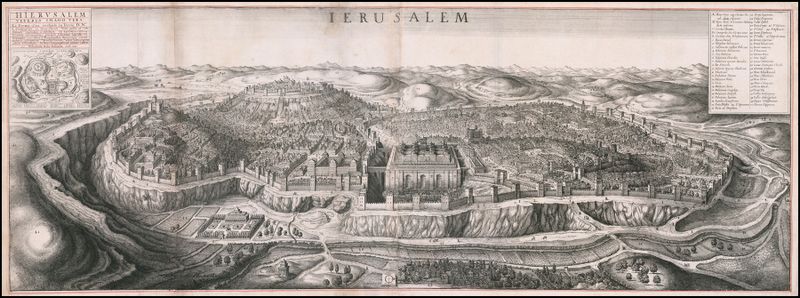
Bird’s eye view of Jerusalem
Wenceslaus Hollar
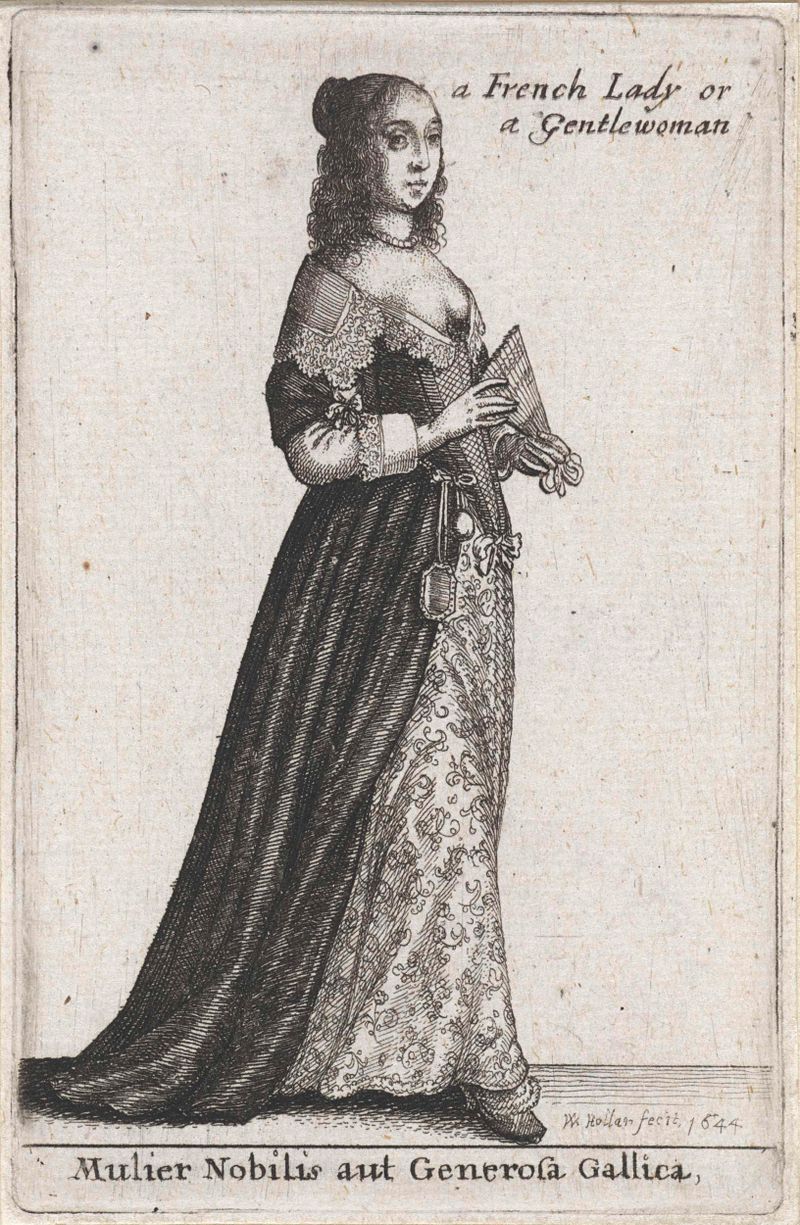
Mulier Nobilis aut Generosa Gallica / a French Lady or Gentlewoman
Wenceslaus Hollar
Titelprent voor: Ornatus Muliebris Anglicanus
Wenceslaus Hollar
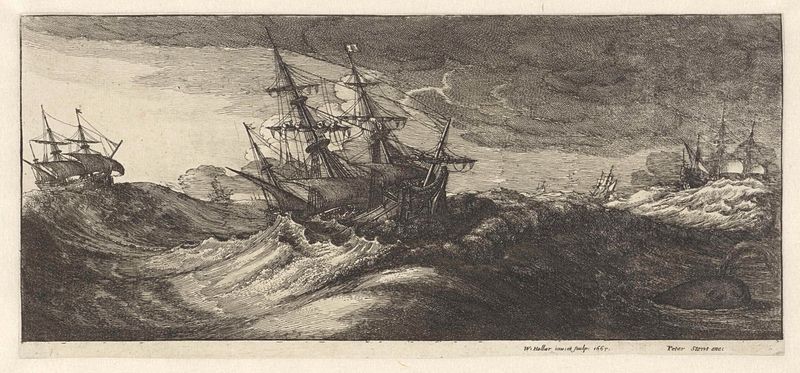
Oorlogsschepen en een walvis in een zeestorm
Wenceslaus Hollar
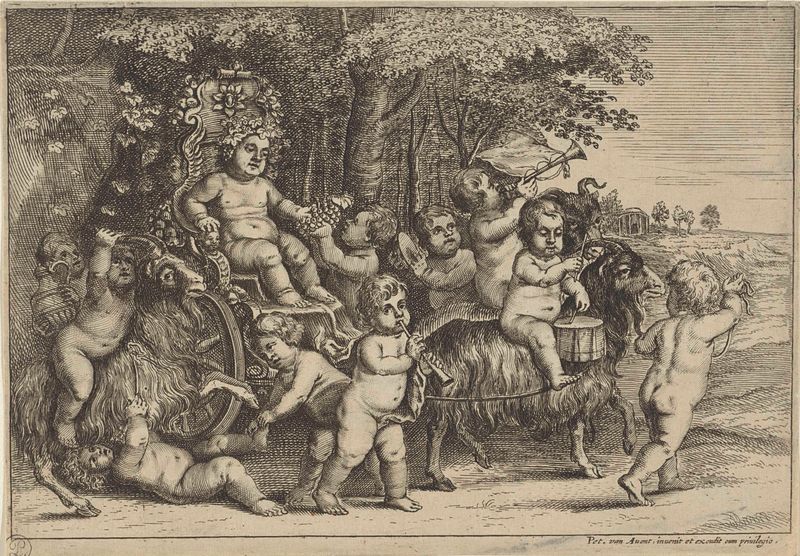
Optocht van bacchant en jongetjes op geiten
Wenceslaus Hollar
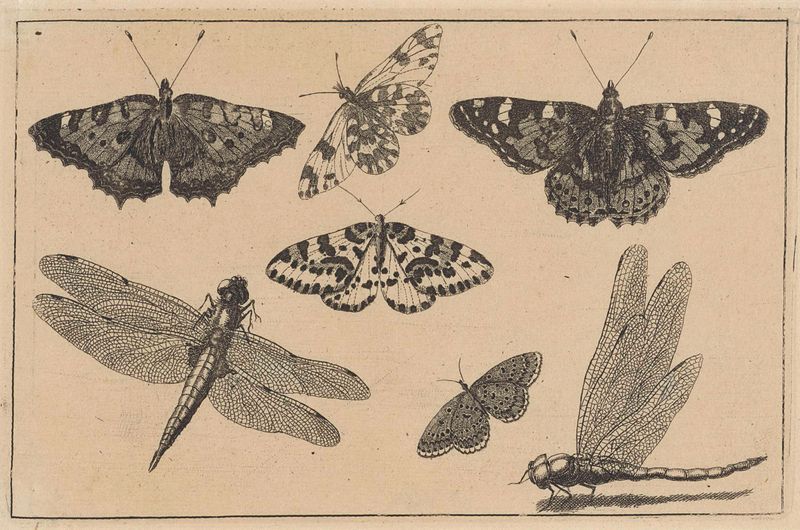
Twee libellen en vijf vlinders
Wenceslaus Hollar
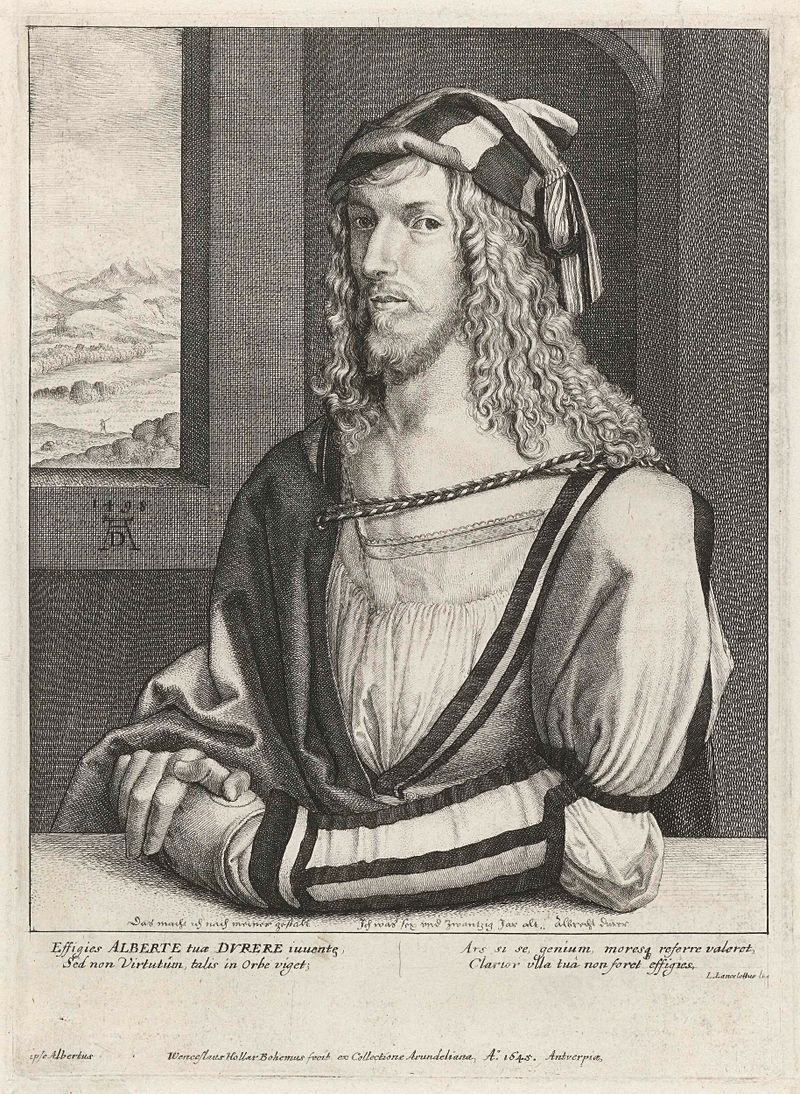
Portret van Albrecht Dürer
Wenceslaus Hollar
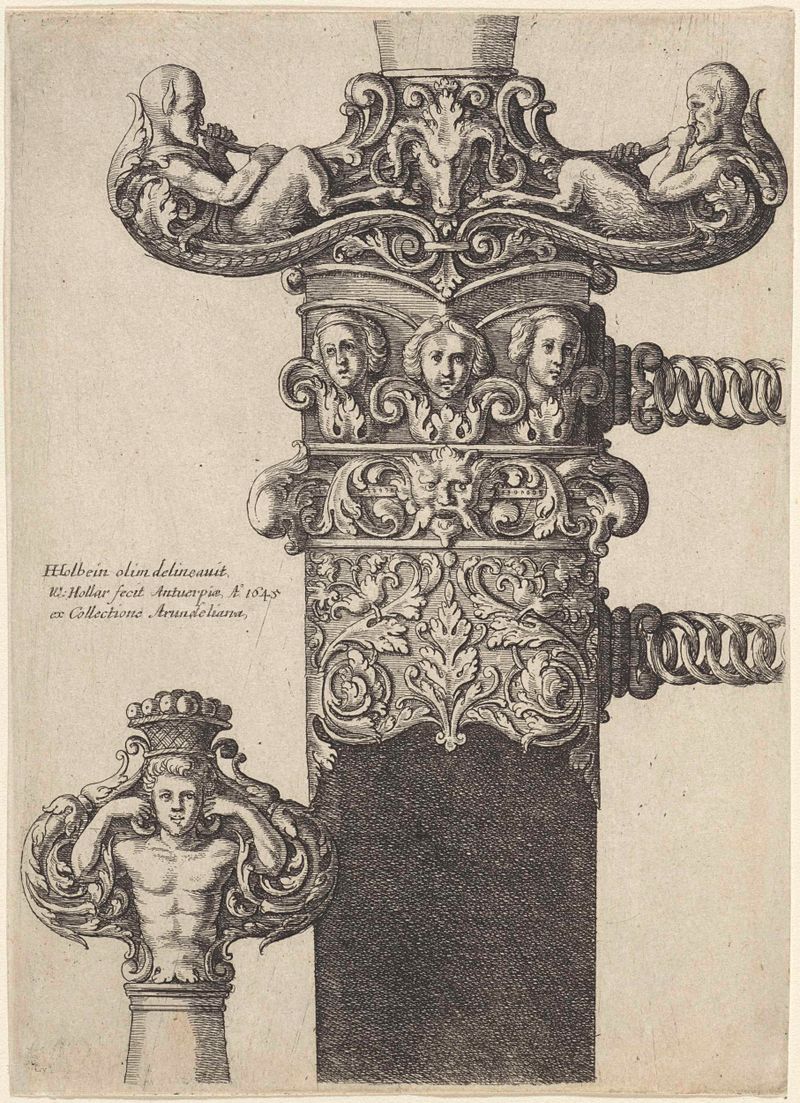
Ornamenteel ontwerp voor een dolk
Wenceslaus Hollar
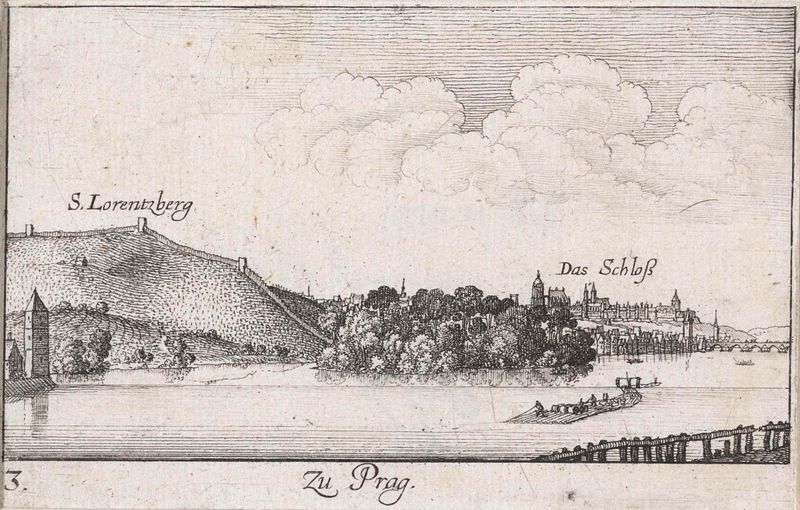
Gezicht op Praag vanaf de Moldau
Wenceslaus Hollar
More Portrait Art
Browse all →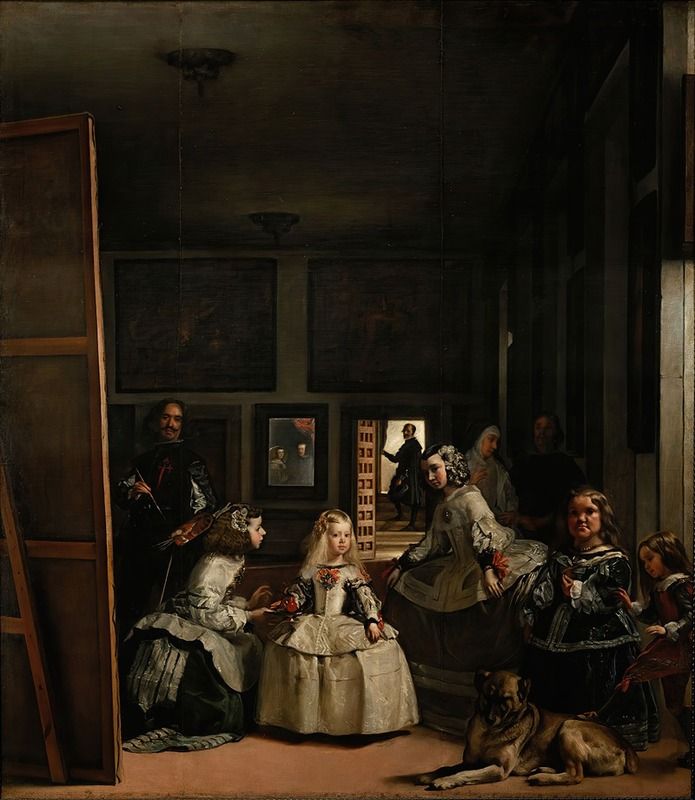
Las meninas
Diego Velázquez
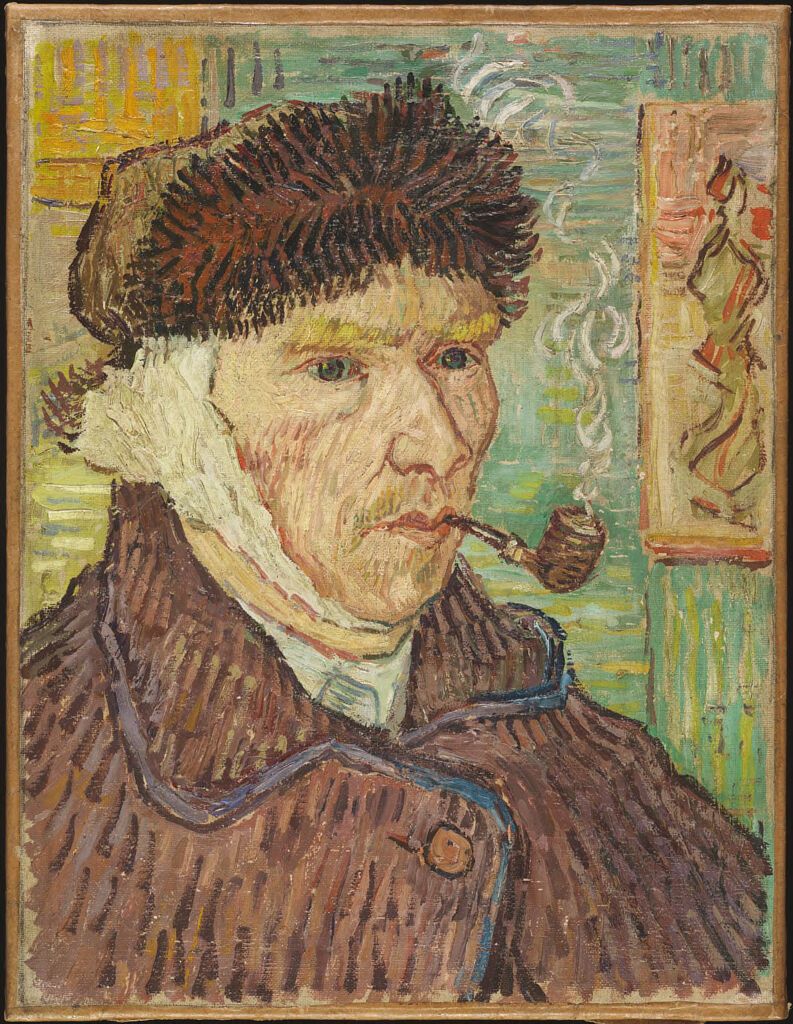
Self-portrait with a Bandaged Ear and Pipe
Unidentified artist
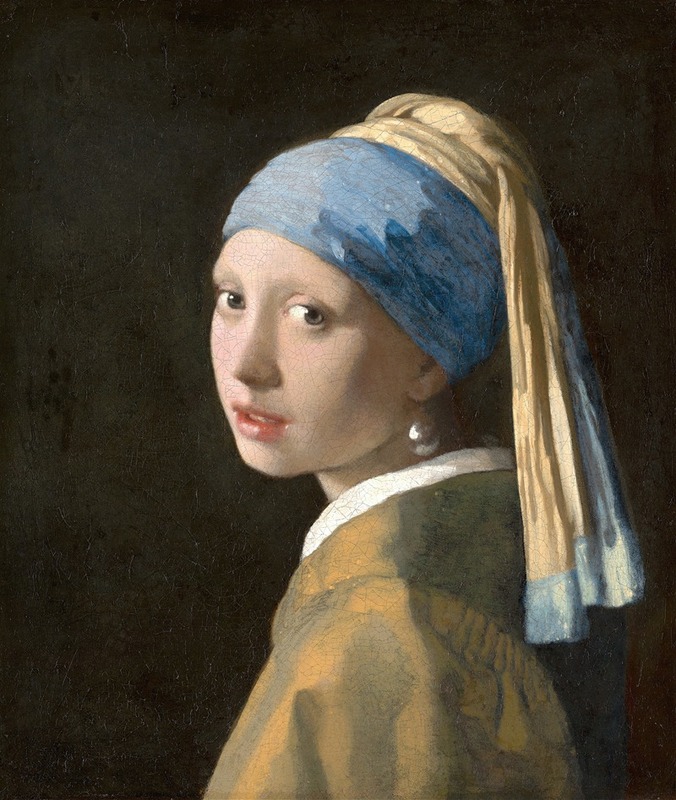
Girl with a Pearl Earring
Johannes Vermeer

The Sampling Officials of the Amsterdam Drapers’ Guild, Known as ‘The Syndics’
Rembrandt van Rijn

The Hundred Guilder Print: the man seen on the back in the lower left corner
Rembrandt van Rijn

Portrait of Dr Gachet
Vincent van Gogh