
Portret van Jacob Roelants (1568-1651) — History & Facts
Did the painter know this moment would outlive them? In a world where every brushstroke captures the weight of existence, how does one reconcile the fleeting nature of life with the permanence of art? Look closely at the somber gaze of the subject, an introspective figure whose thoughtful expression invites contemplation. Focus on the muted palette, with deep browns and soft grays that evoke a sense of melancholy. Notice how the light subtly illuminates Jacob Roelants’ features, drawing attention to the delicate lines of age that map his face, while shadows cradle him in a gentle embrace.
The composition is austere yet striking, with the figure occupying the center, commanding our focus amid the simplicity of the background. Beneath the surface, this portrait embodies the tension between mortality and legacy. The subject’s downturned eyes suggest a quiet acceptance of life’s transience, a theme echoed by the understated colors that hint at both strength and vulnerability. Additionally, the meticulous detailing of his attire—rich yet restrained—symbolizes the weight of societal expectation and personal history, as if each fold tells a story of a life well-lived but inevitably fleeting. Wenceslaus Hollar painted this portrait in 1648, during a time when he was living in London after fleeing the turmoil of the Thirty Years' War in his native Bohemia.
The artist was deeply influenced by the evolving Baroque style, and this work reflects his mastery of engraving and portraiture, capturing not just a visage, but the essence of a man whose life and identity were intricately woven into the fabric of a changing world.
More Artworks by Wenceslaus Hollar
Browse all →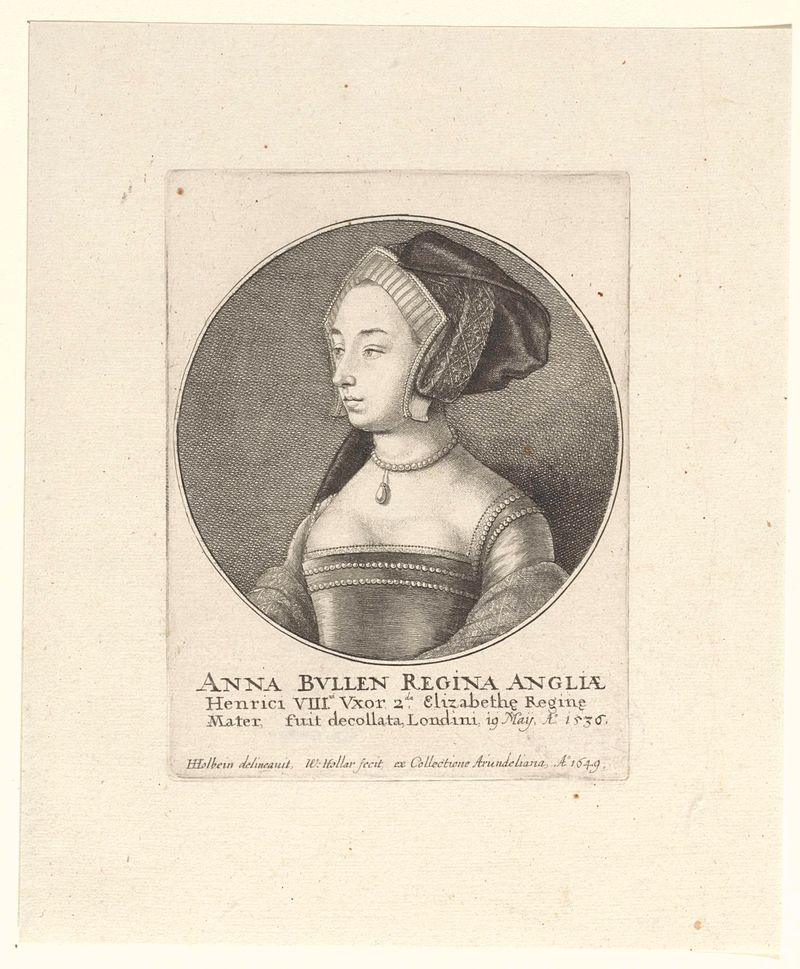
Portret van Anna Boleyn, koningin van Engeland
Wenceslaus Hollar
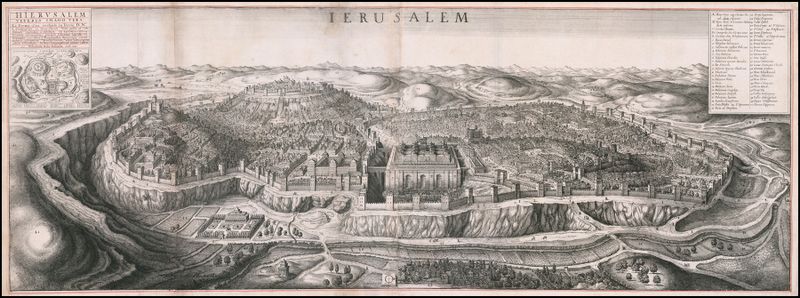
Bird’s eye view of Jerusalem
Wenceslaus Hollar
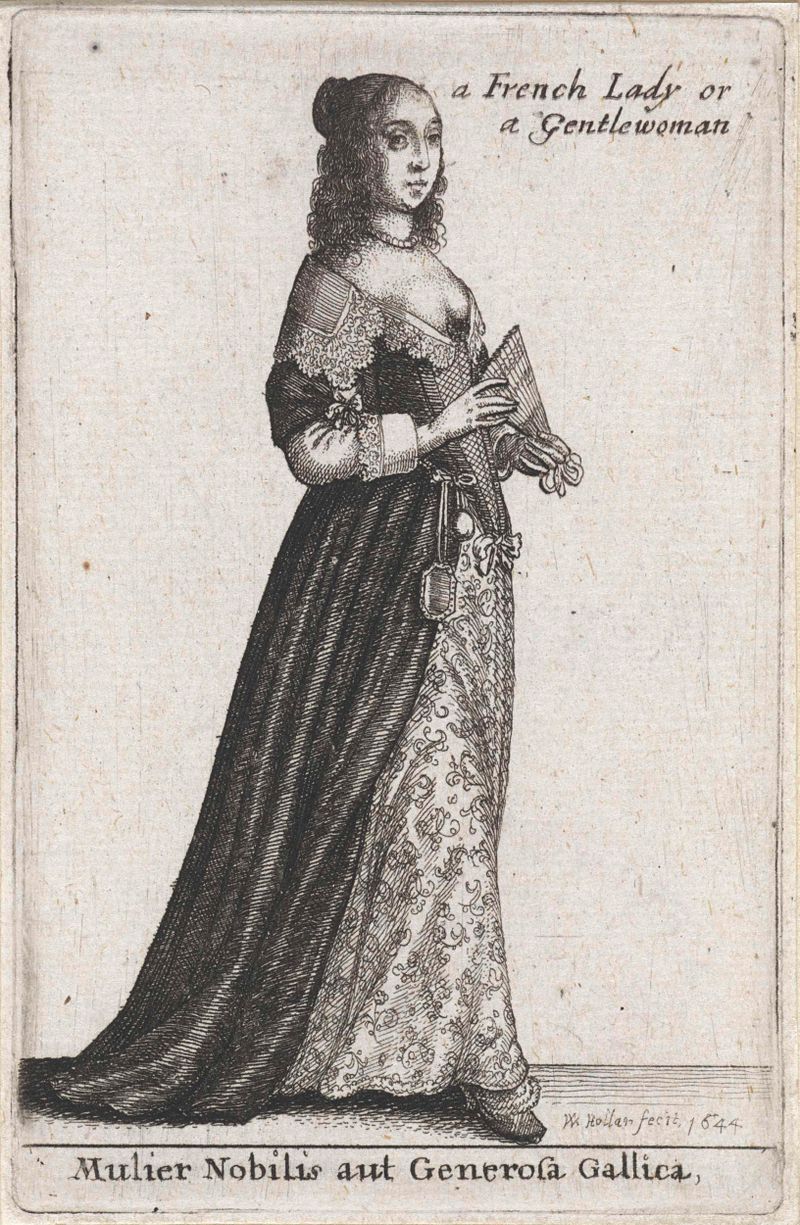
Mulier Nobilis aut Generosa Gallica / a French Lady or Gentlewoman
Wenceslaus Hollar
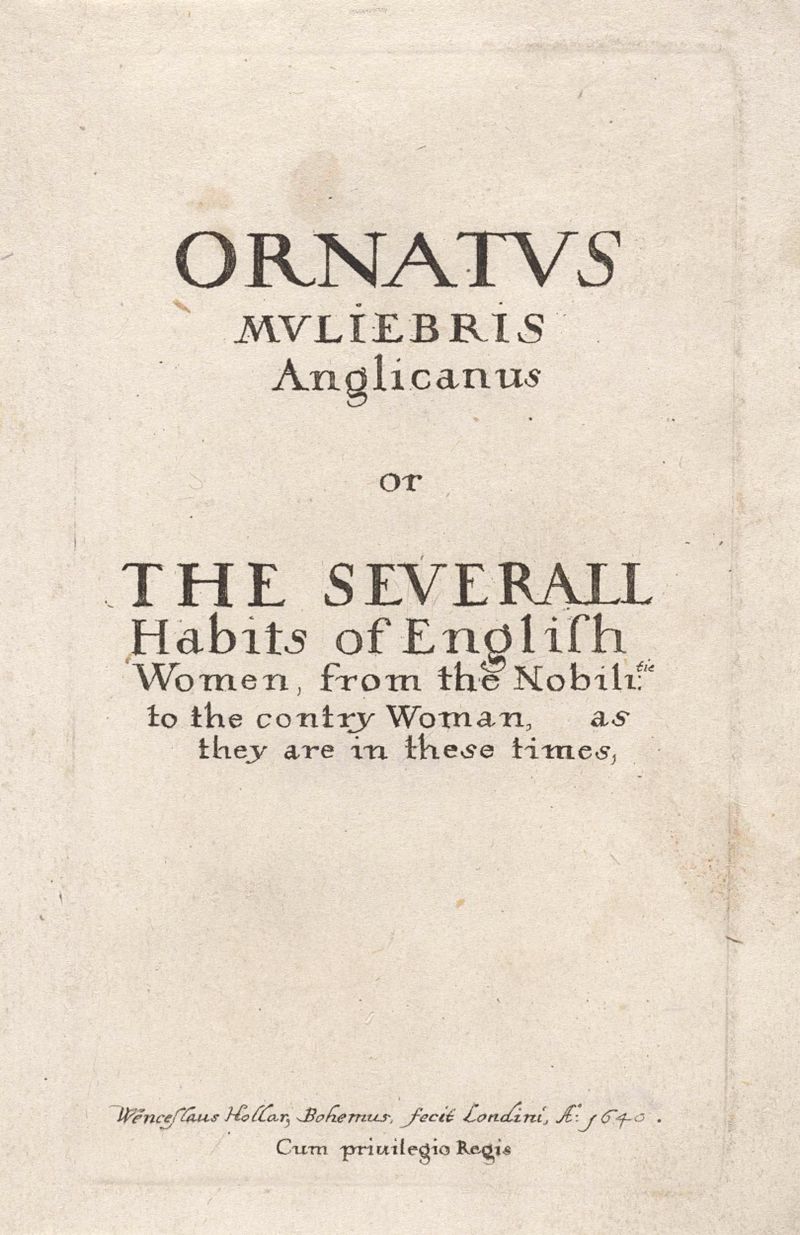
Titelprent voor: Ornatus Muliebris Anglicanus
Wenceslaus Hollar
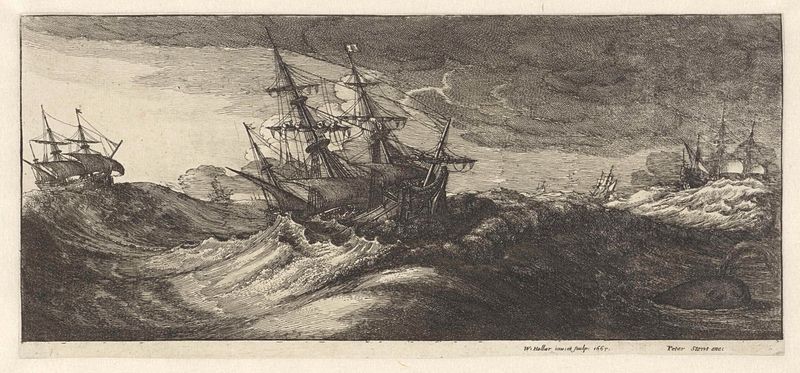
Oorlogsschepen en een walvis in een zeestorm
Wenceslaus Hollar
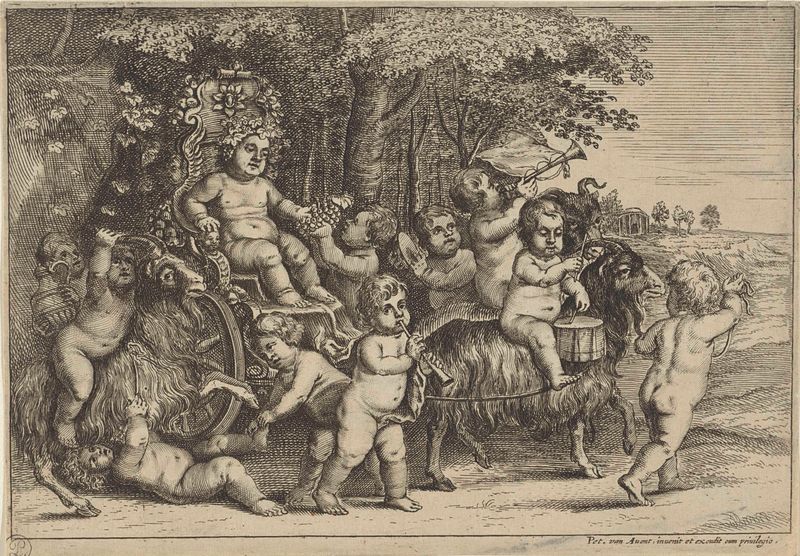
Optocht van bacchant en jongetjes op geiten
Wenceslaus Hollar
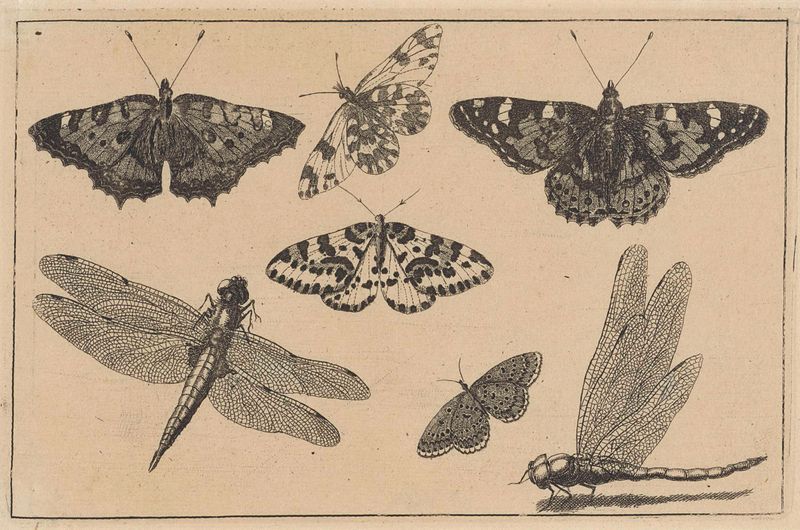
Twee libellen en vijf vlinders
Wenceslaus Hollar
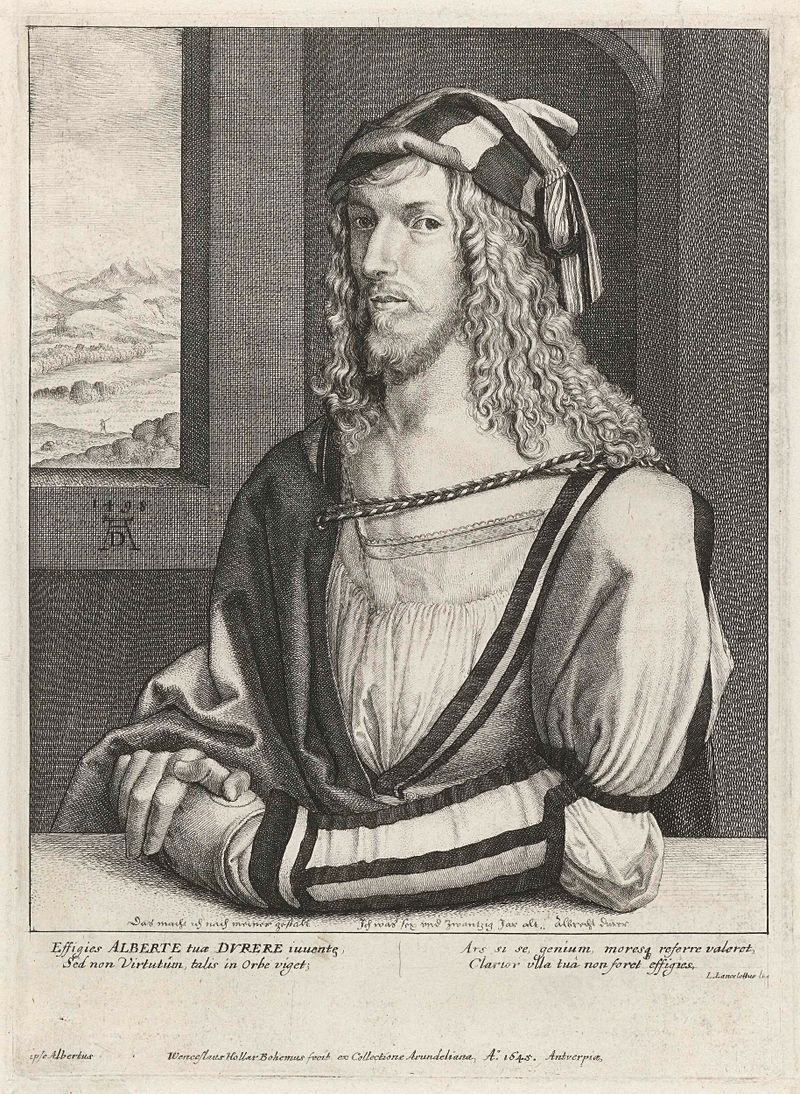
Portret van Albrecht Dürer
Wenceslaus Hollar
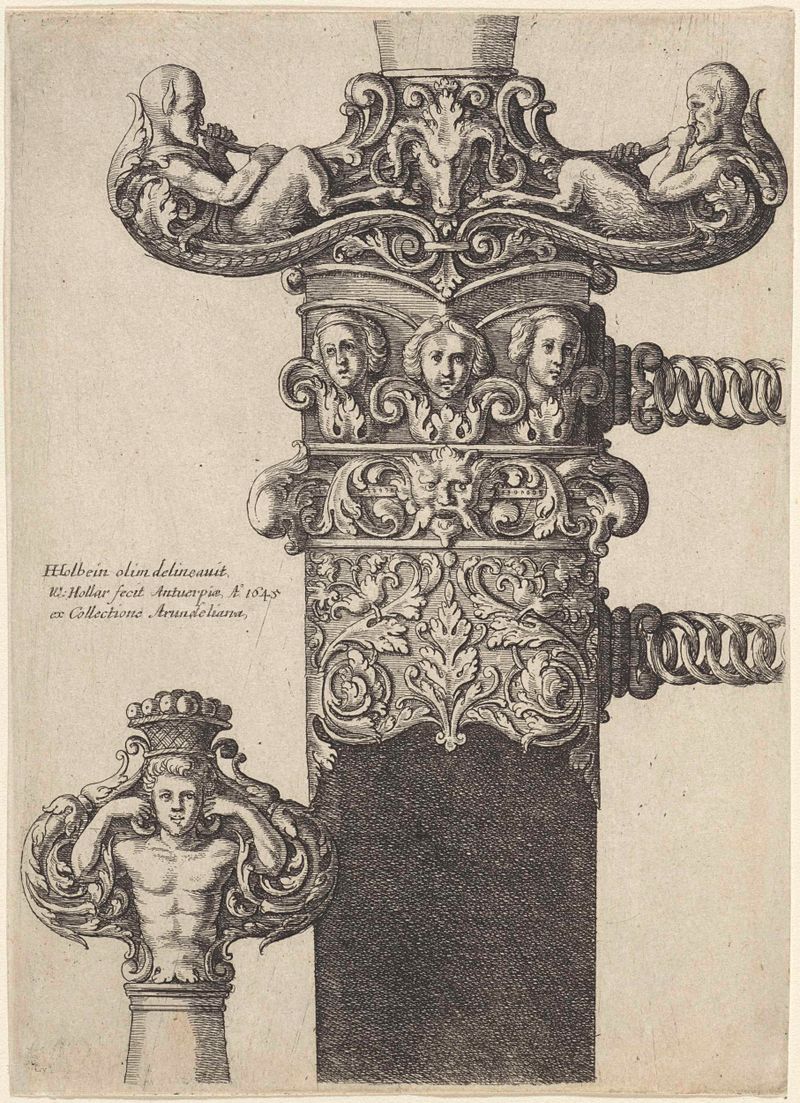
Ornamenteel ontwerp voor een dolk
Wenceslaus Hollar
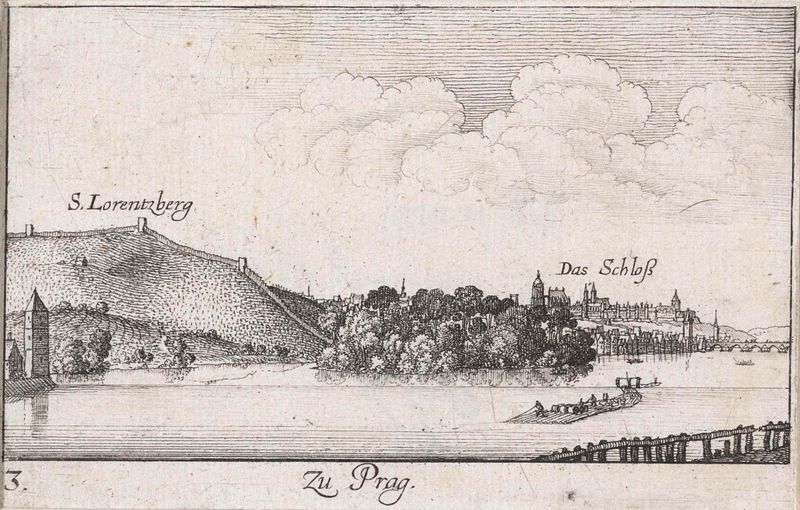
Gezicht op Praag vanaf de Moldau
Wenceslaus Hollar
More Portrait Art
Browse all →
Las meninas
Diego Velázquez

Self-portrait with a Bandaged Ear and Pipe
Unidentified artist

Girl with a Pearl Earring
Johannes Vermeer

The Sampling Officials of the Amsterdam Drapers’ Guild, Known as ‘The Syndics’
Rembrandt van Rijn

The Hundred Guilder Print: the man seen on the back in the lower left corner
Rembrandt van Rijn

Portrait of Dr Gachet
Vincent van Gogh