
Portret van James Harrington — History & Facts
Can paint confess what words never could? In the intricate strokes of Portret van James Harrington, a profound sense of loneliness emerges, echoing silently from the canvas. Focus on the somber gaze of the subject, drawing you in with his slightly tilted head and furrowed brow. The muted palette—a blend of deep browns and soft greys—conveys a world drained of vibrancy, emphasizing the isolation of Harrington. Notice how the delicate lines define his features, giving them an almost ghostly presence, while the ornate frame becomes a barrier, both protective and confining. Hidden within the stillness lies an intricate interplay of light and shadow that speaks of unspoken sorrow.
The subtle texture of Hollar's technique allows for a tangible sense of weight, each stroke revealing the inner turmoil of a man caught in the complexities of his existence. The contrast between the subject's dignified attire and the melancholy expression hints at a life filled with unfulfilled aspirations—one where grandeur cannot mask the solitude that resides within. Wenceslaus Hollar created this portrait in 1660, during a period marked by personal and artistic upheaval. Having fled his homeland due to the Thirty Years' War, Hollar found refuge in England, where he faced the challenge of adapting to a new environment while continuing to develop his craft.
The era was rich in artistic experimentation, yet beneath the surface of this vibrant scene, Hollar's work poignantly reflects a deep sense of loss and longing, a sentiment that resonates through the centuries.
More Artworks by Wenceslaus Hollar
Browse all →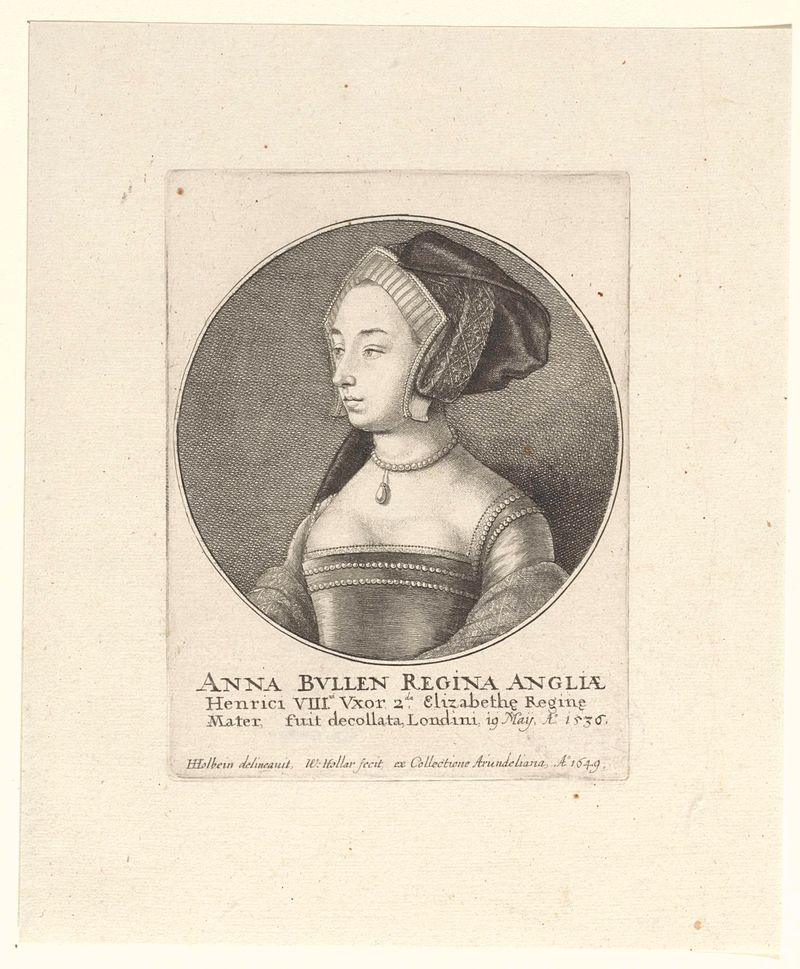
Portret van Anna Boleyn, koningin van Engeland
Wenceslaus Hollar
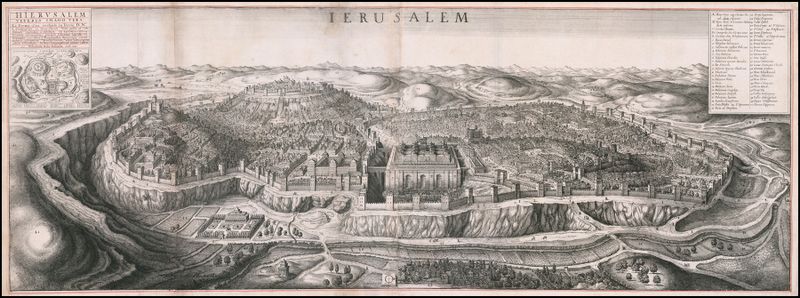
Bird’s eye view of Jerusalem
Wenceslaus Hollar
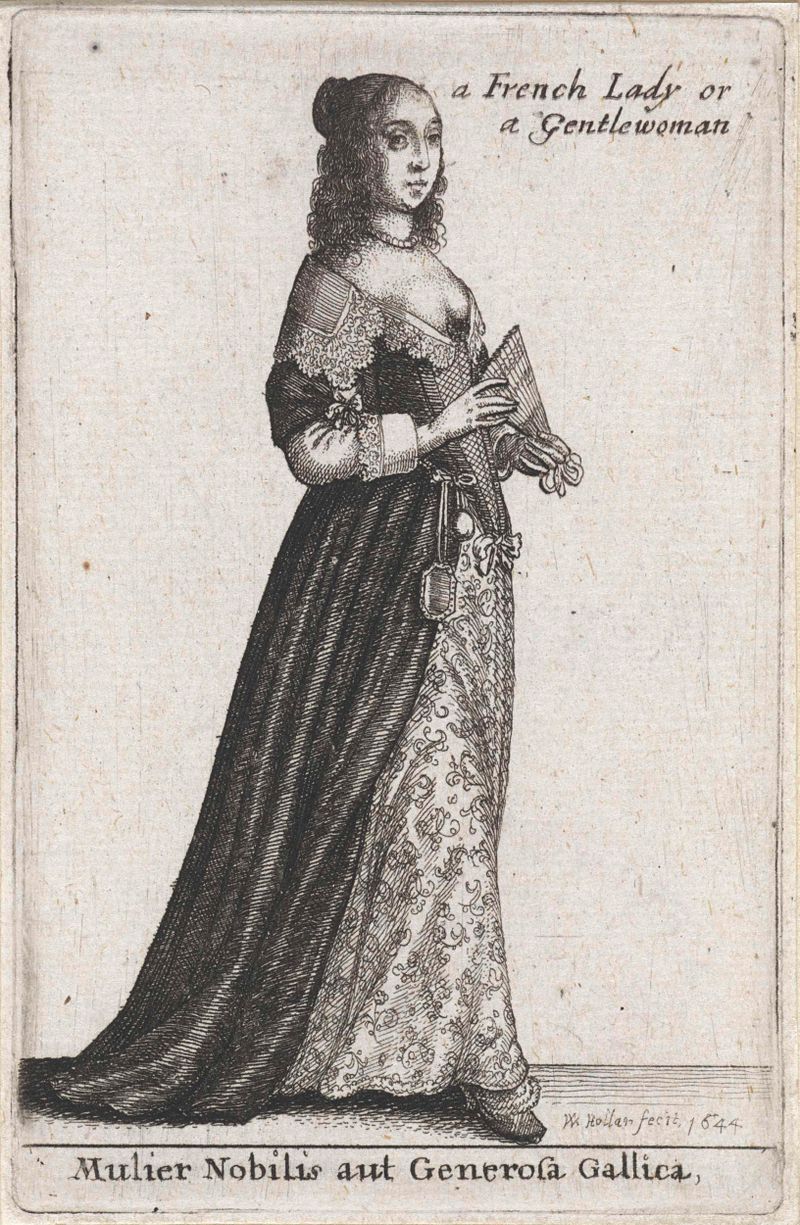
Mulier Nobilis aut Generosa Gallica / a French Lady or Gentlewoman
Wenceslaus Hollar
Titelprent voor: Ornatus Muliebris Anglicanus
Wenceslaus Hollar
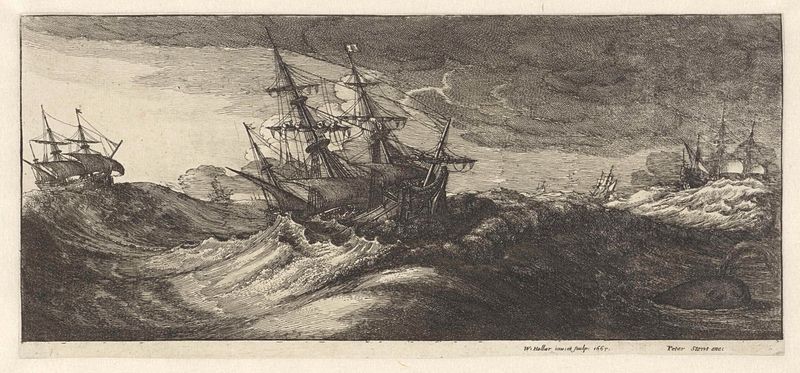
Oorlogsschepen en een walvis in een zeestorm
Wenceslaus Hollar
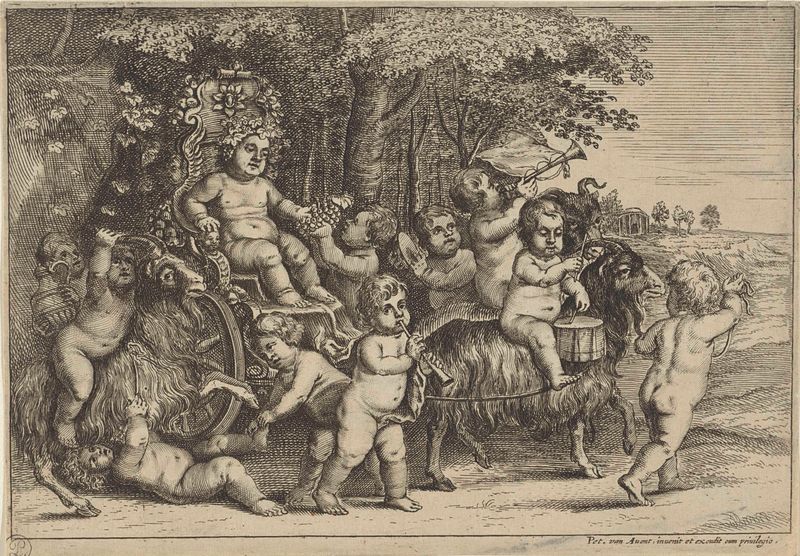
Optocht van bacchant en jongetjes op geiten
Wenceslaus Hollar
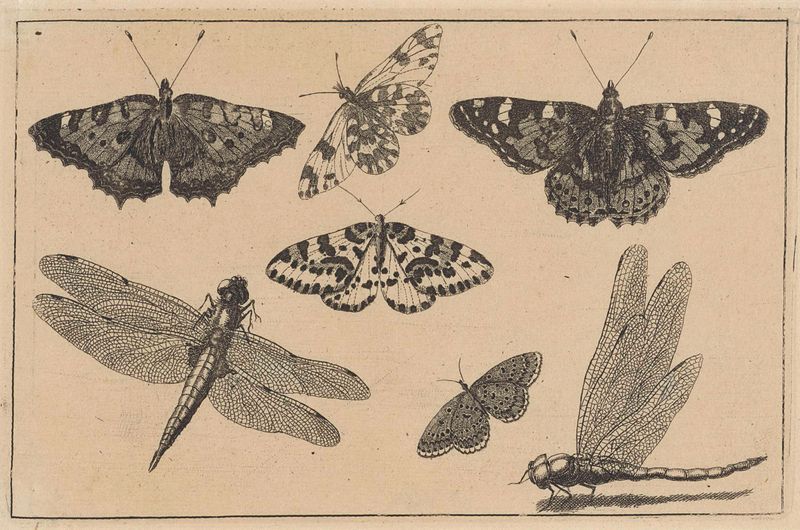
Twee libellen en vijf vlinders
Wenceslaus Hollar
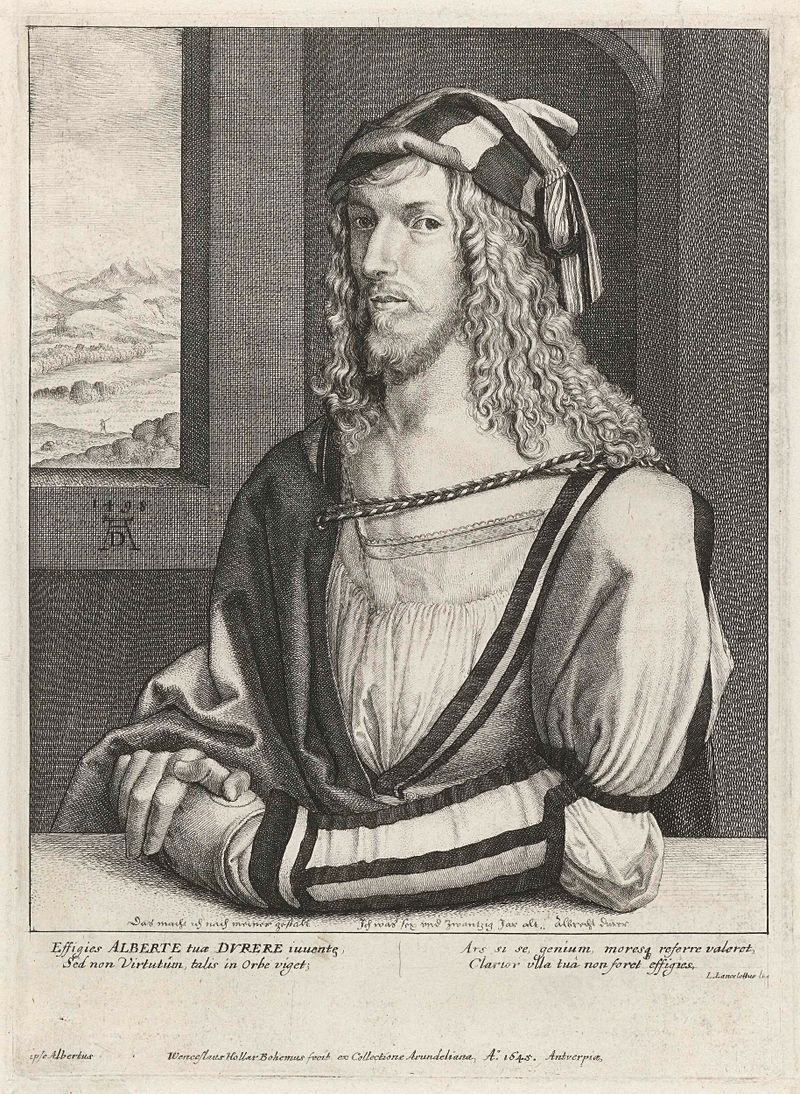
Portret van Albrecht Dürer
Wenceslaus Hollar
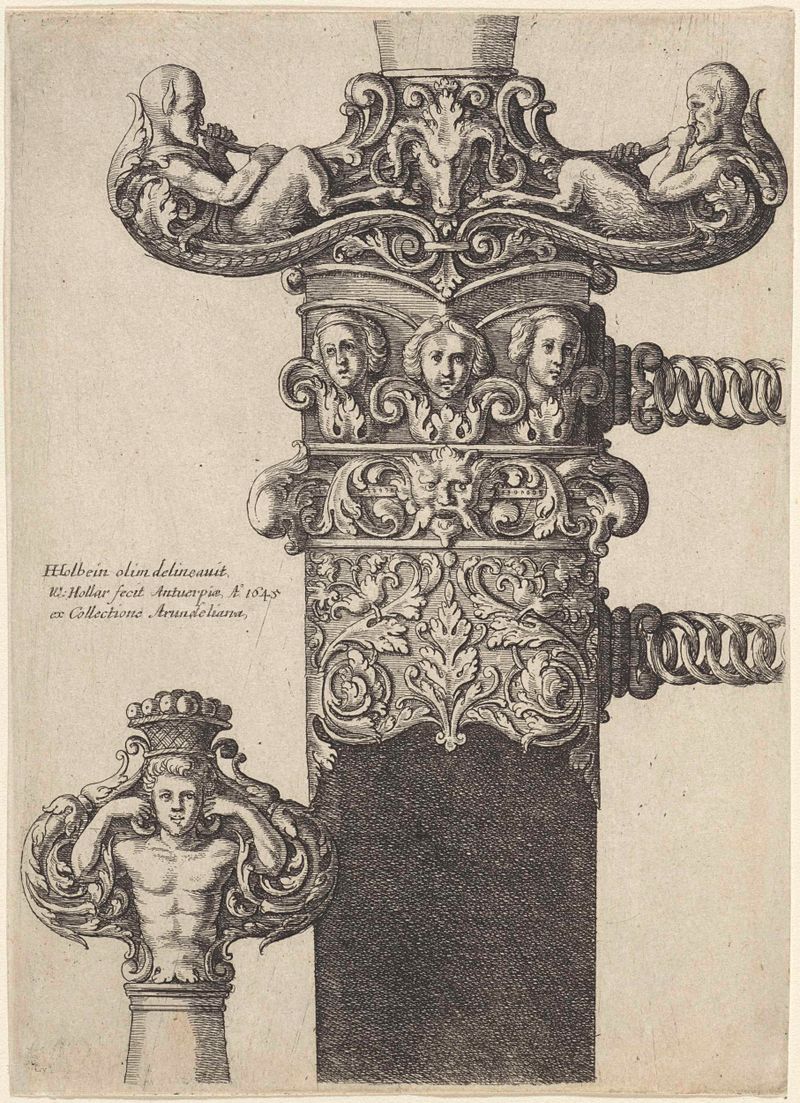
Ornamenteel ontwerp voor een dolk
Wenceslaus Hollar
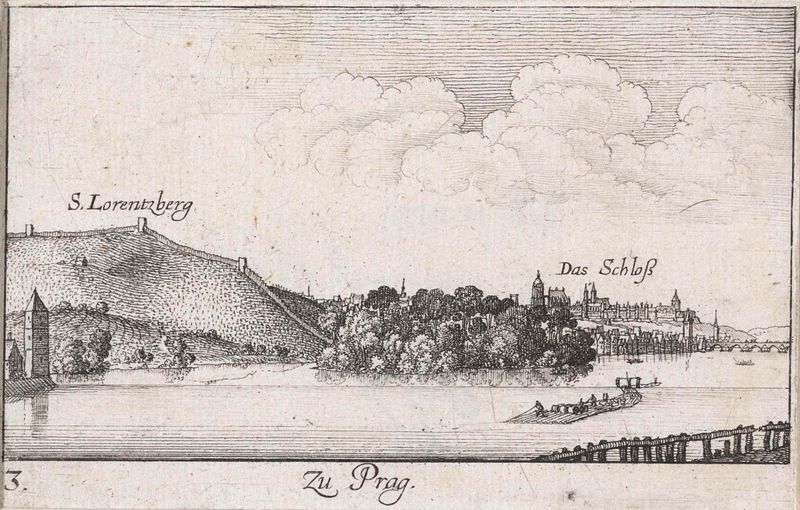
Gezicht op Praag vanaf de Moldau
Wenceslaus Hollar
More Portrait Art
Browse all →
Las meninas
Diego Velázquez

Self-portrait with a Bandaged Ear and Pipe
Unidentified artist

Girl with a Pearl Earring
Johannes Vermeer

The Sampling Officials of the Amsterdam Drapers’ Guild, Known as ‘The Syndics’
Rembrandt van Rijn

The Hundred Guilder Print: the man seen on the back in the lower left corner
Rembrandt van Rijn

Portrait of Dr Gachet
Vincent van Gogh