
Portret van John Tradescant de Jonge — History & Facts
Can paint confess what words never could? In the quietude of Portret van John Tradescant de Jonge, a serene presence emerges, inviting introspection and contemplation. Look closely at the delicate brushwork that captures the gentle contours of the subject’s face, revealing a calm yet inquisitive expression. Notice the soft play of light cascading down from the upper left, illuminating the fine details of his attire, where textures seem to whisper of a past filled with knowledge and discovery. The muted earth tones contrast with the subtle highlights, creating a sense of intimacy that draws the viewer into the moment. Beneath this tranquil façade lies a deeper narrative.
The languid posture of Tradescant suggests both confidence and vulnerability, as if he stands at the intersection of past and future. His eyes, contemplative and poised, hint at a lifetime of exploration in the natural world, evoking a sense of longing for connection and understanding. Moreover, the juxtaposition of his stillness against the intricate background speaks to the turbulence of the era, reflecting the tension between man and nature. Wenceslaus Hollar created this portrait in 1656, during his time in London, having fled from the Thirty Years' War in Bohemia.
It was an era marked by upheaval and shifting artistic ideals, as Hollar navigated the world of printmaking and portraiture. His work, blending observation with artistry, emerged from a landscape where the sciences flourished alongside the arts, capturing the essence of his subjects with an unerring fidelity.
More Artworks by Wenceslaus Hollar
Browse all →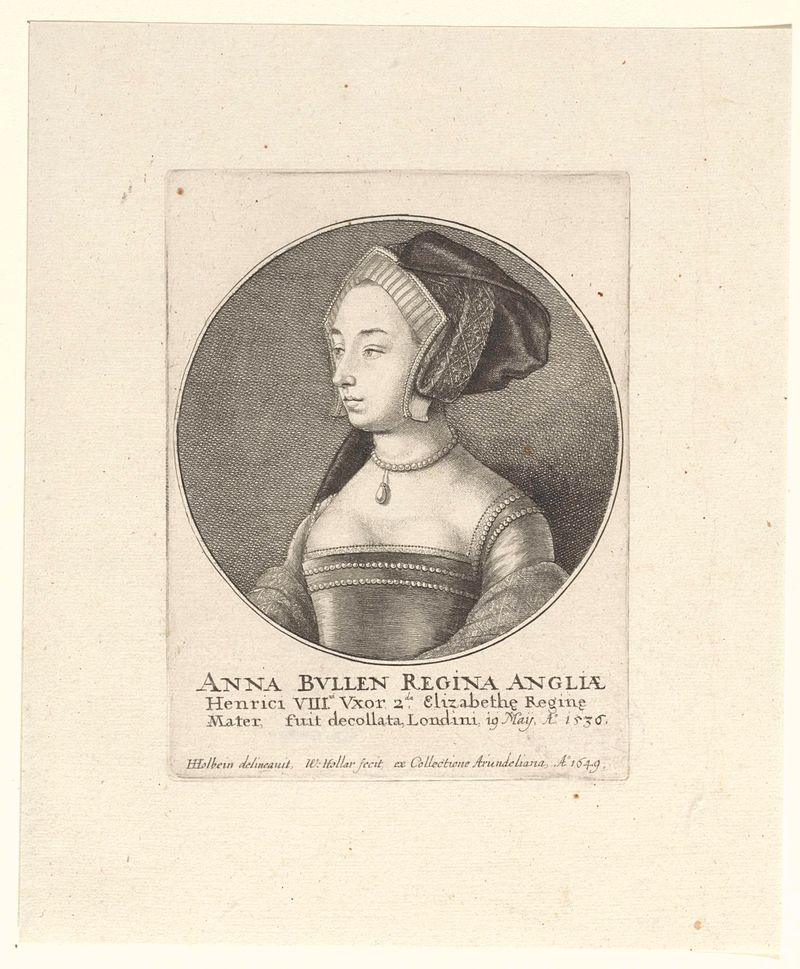
Portret van Anna Boleyn, koningin van Engeland
Wenceslaus Hollar
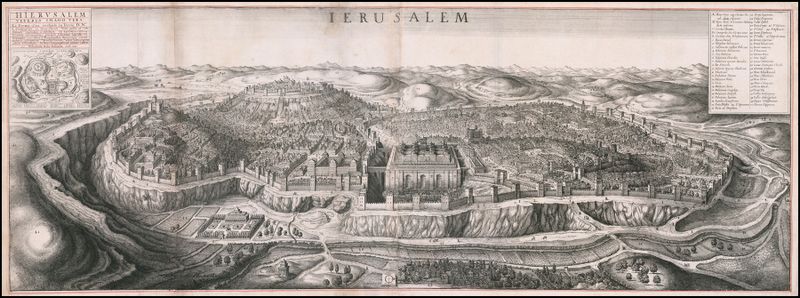
Bird’s eye view of Jerusalem
Wenceslaus Hollar
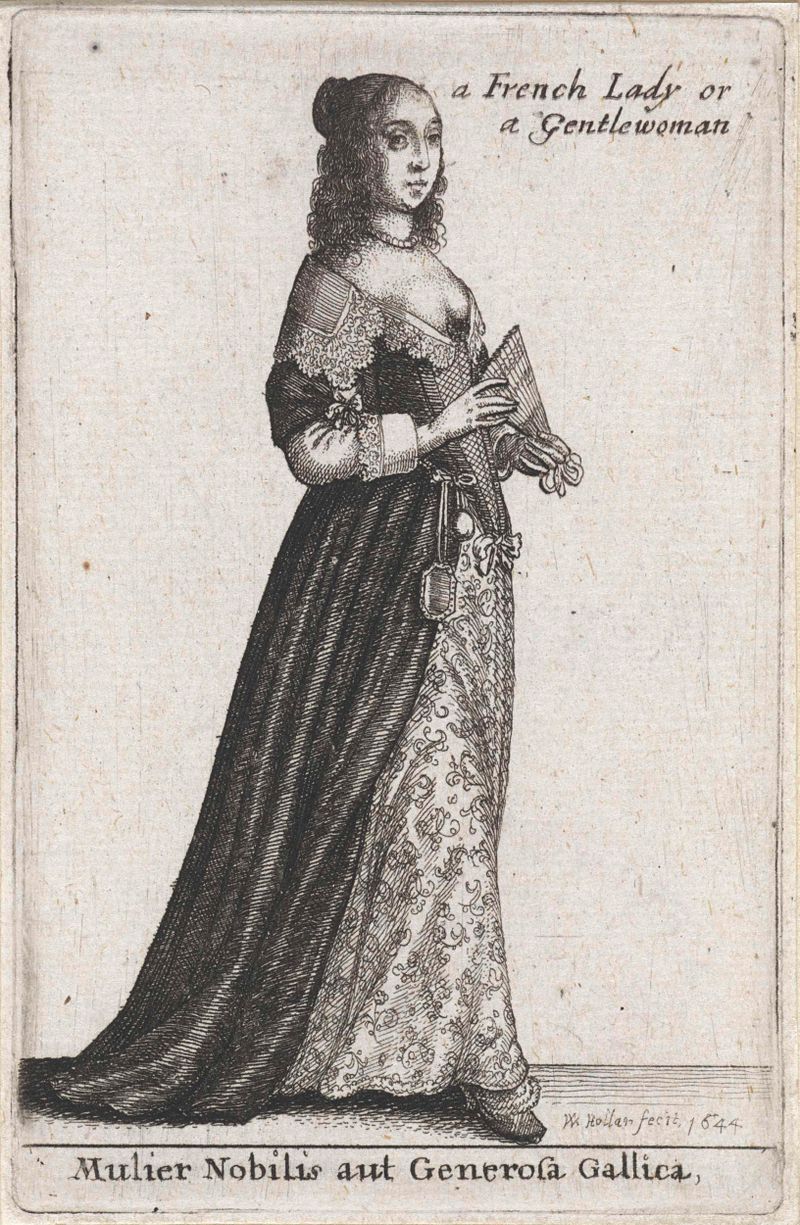
Mulier Nobilis aut Generosa Gallica / a French Lady or Gentlewoman
Wenceslaus Hollar
Titelprent voor: Ornatus Muliebris Anglicanus
Wenceslaus Hollar
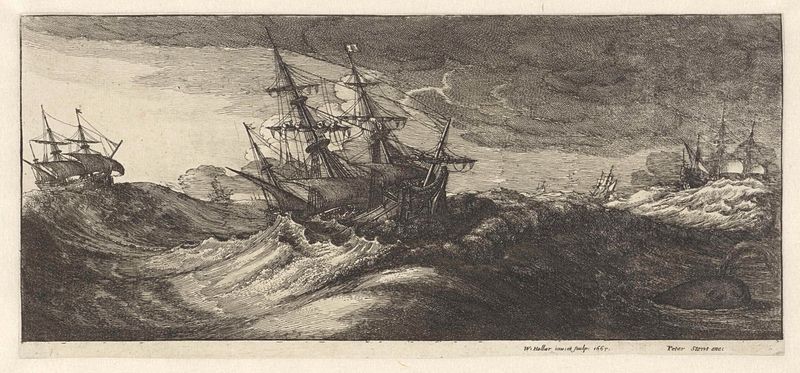
Oorlogsschepen en een walvis in een zeestorm
Wenceslaus Hollar
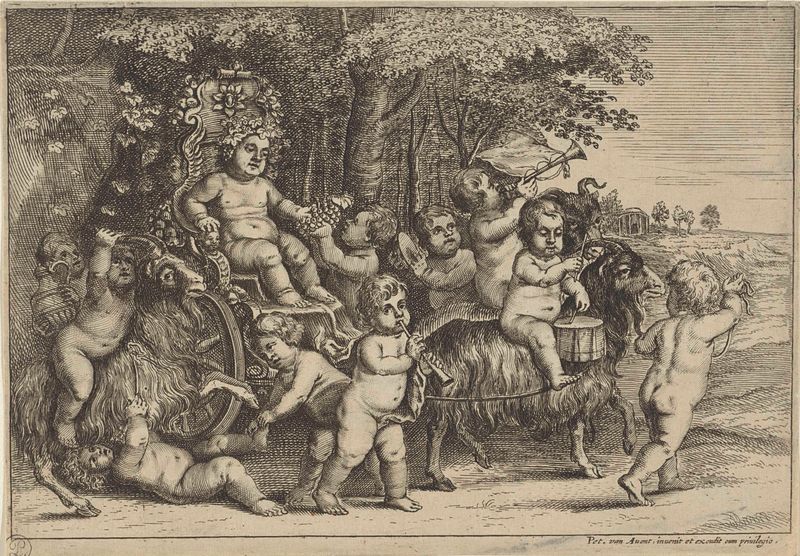
Optocht van bacchant en jongetjes op geiten
Wenceslaus Hollar
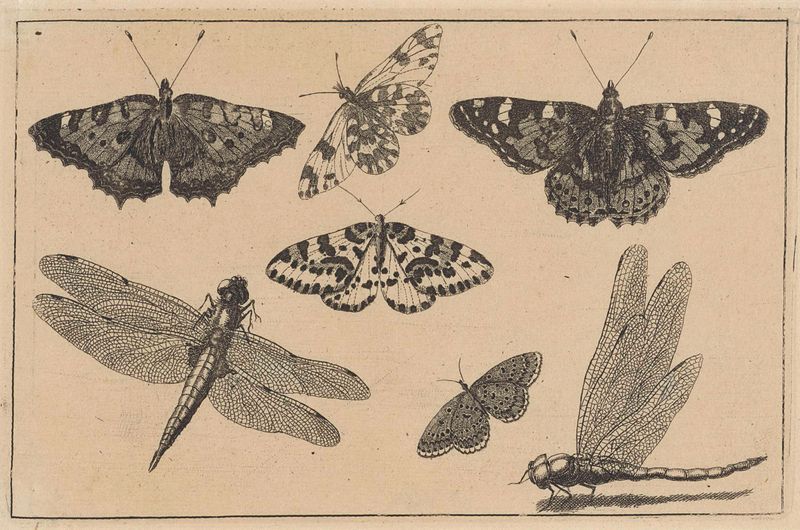
Twee libellen en vijf vlinders
Wenceslaus Hollar
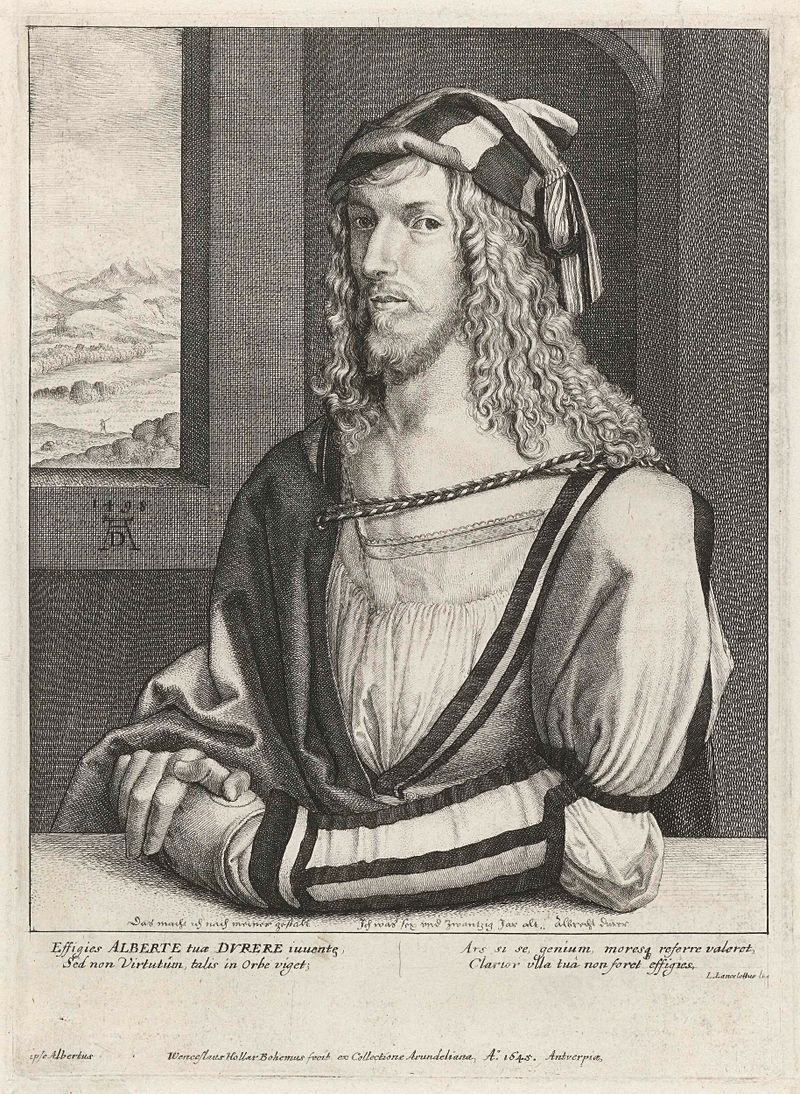
Portret van Albrecht Dürer
Wenceslaus Hollar
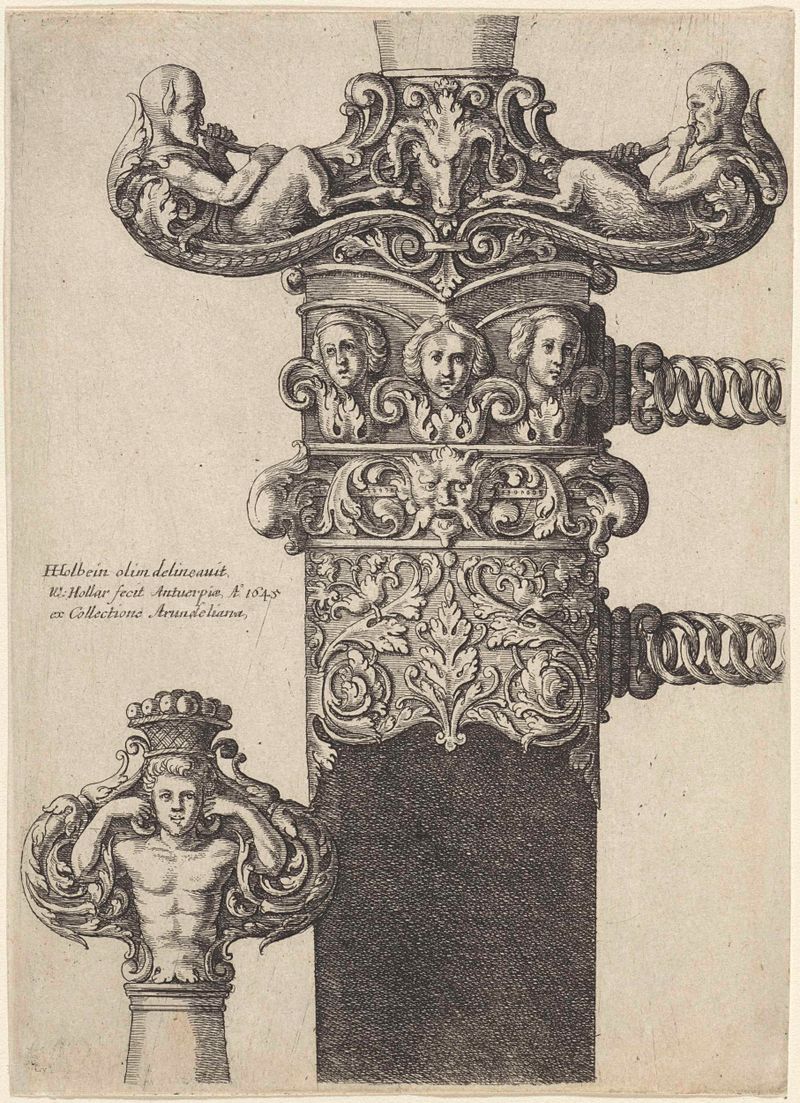
Ornamenteel ontwerp voor een dolk
Wenceslaus Hollar
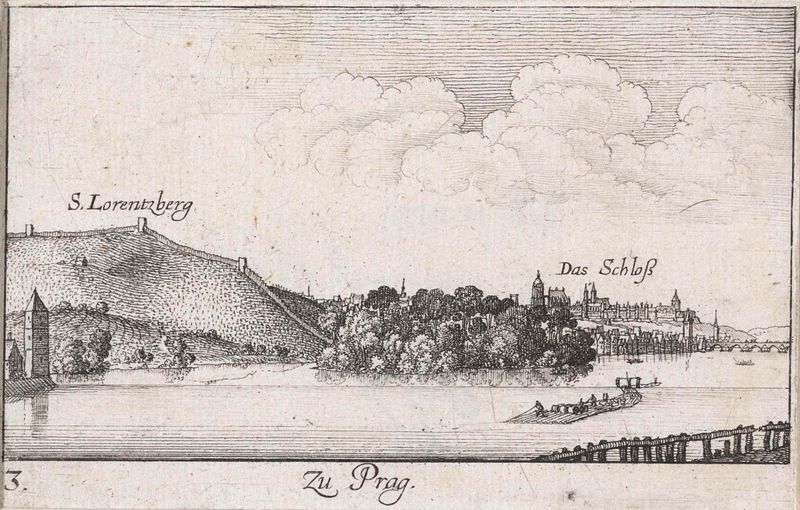
Gezicht op Praag vanaf de Moldau
Wenceslaus Hollar
More Portrait Art
Browse all →
Las meninas
Diego Velázquez

Self-portrait with a Bandaged Ear and Pipe
Unidentified artist

Girl with a Pearl Earring
Johannes Vermeer

The Sampling Officials of the Amsterdam Drapers’ Guild, Known as ‘The Syndics’
Rembrandt van Rijn

The Hundred Guilder Print: the man seen on the back in the lower left corner
Rembrandt van Rijn

Portrait of Dr Gachet
Vincent van Gogh