
Portret van jonge vrouw met gepluimde bonnet — History & Facts
In stillness, it whispers stories of untold rebirth, capturing a moment that transcends time. Look to the left at the delicate features of the young woman, whose expression is both serene and introspective. Her soft skin is contrasted by the intricate textures of the feathered bonnet that frames her face, inviting you to explore the intricate details of her attire. The subtle play of light accentuates the contours of her face, while a muted color palette evokes a sense of calm, allowing her presence to dominate the canvas. Yet beneath this tranquil exterior lies a tension between youth and the passage of time, as the plumed bonnet serves as both an adornment and a burden of expectation.
The meticulous detailing reveals the artist's careful observation of fashion, hinting at societal norms and the roles women were expected to assume. This portrait becomes a silent dialogue on identity and the layers that define femininity, suggesting that beneath her calm surface, there may be a yearning for freedom and self-expression. In 1647, Wenceslaus Hollar painted this piece while living in England, having fled from the turmoil of the Thirty Years' War in his native Bohemia. At this time, the world of art was shifting with the rise of individualism and realism.
Hollar, known for his detailed engravings and portraits, captured this moment of introspection amid a society rife with contradictions — a reflection not only of his own experiences but also of the broader cultural evolution of the period.
More Artworks by Wenceslaus Hollar
Browse all →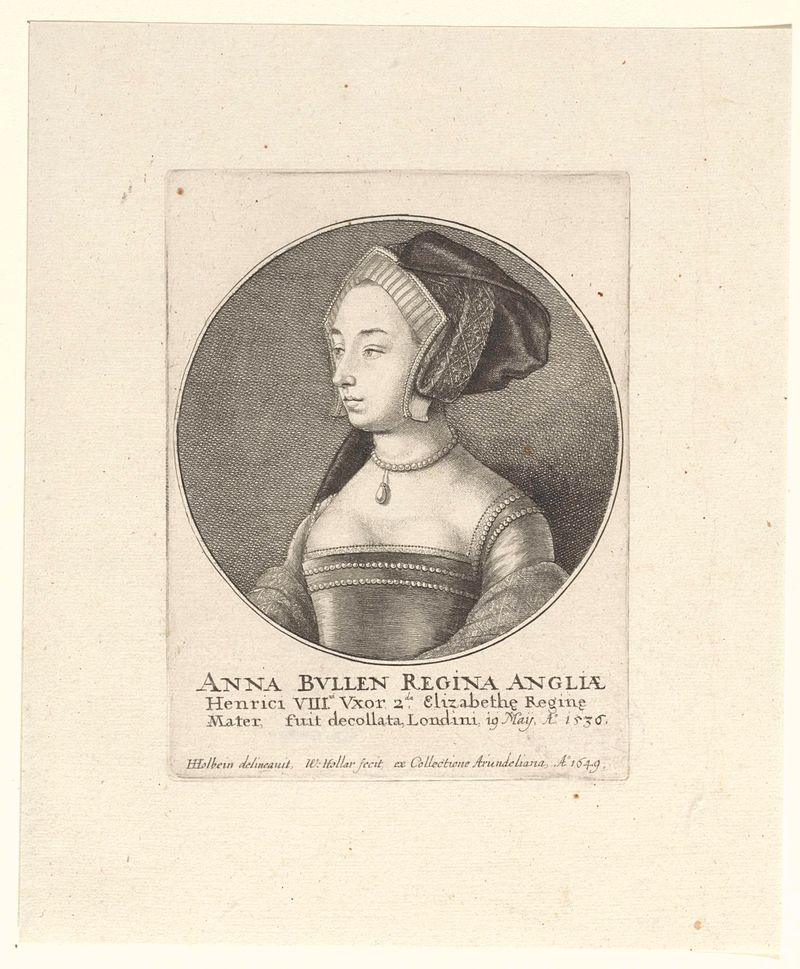
Portret van Anna Boleyn, koningin van Engeland
Wenceslaus Hollar
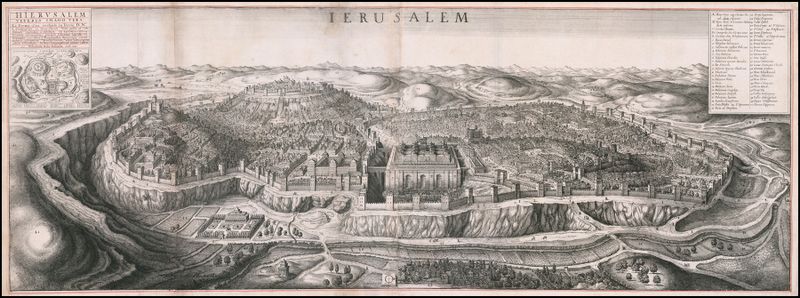
Bird’s eye view of Jerusalem
Wenceslaus Hollar
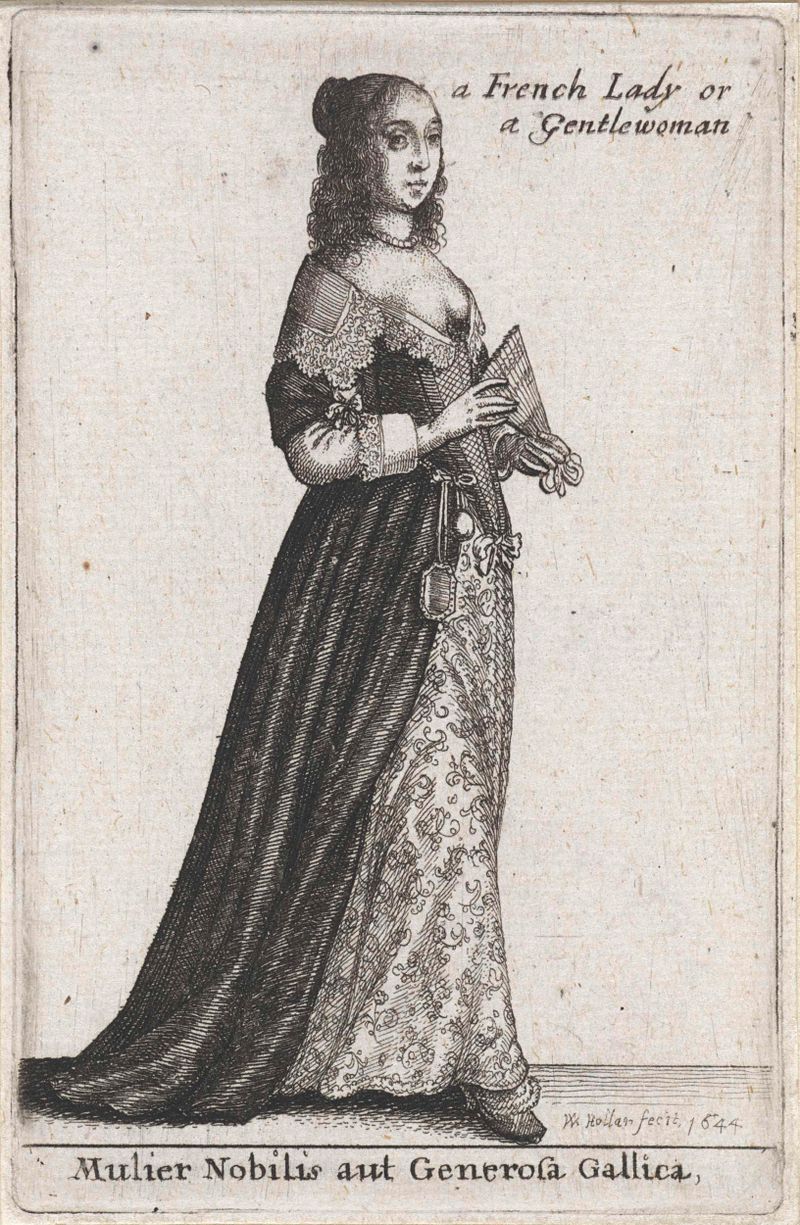
Mulier Nobilis aut Generosa Gallica / a French Lady or Gentlewoman
Wenceslaus Hollar
Titelprent voor: Ornatus Muliebris Anglicanus
Wenceslaus Hollar
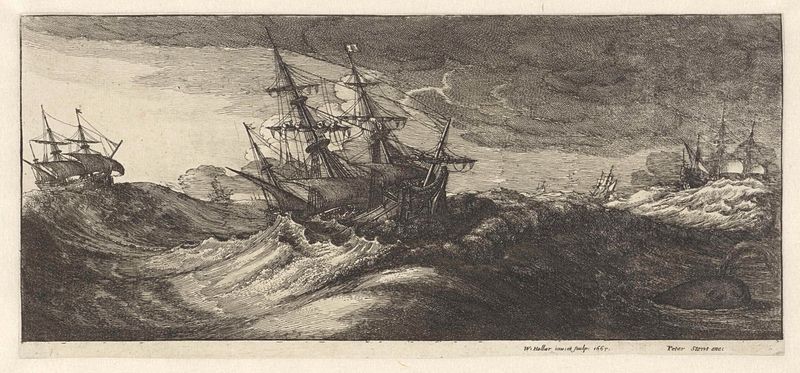
Oorlogsschepen en een walvis in een zeestorm
Wenceslaus Hollar
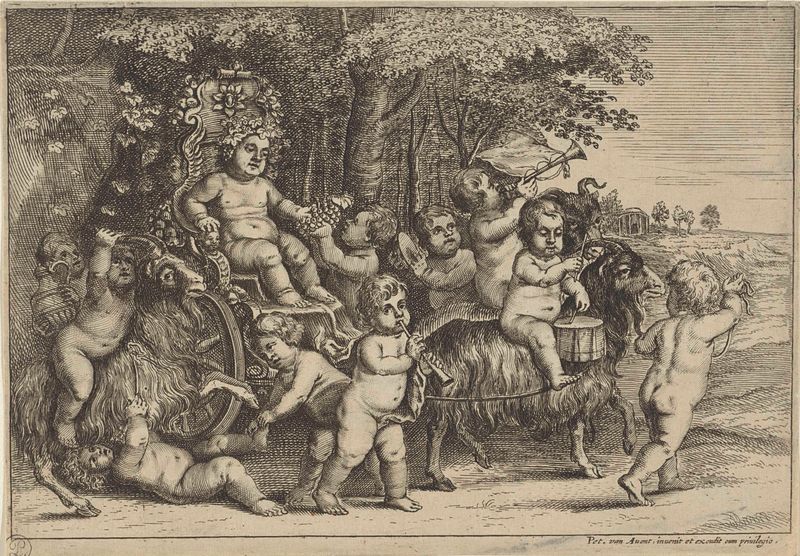
Optocht van bacchant en jongetjes op geiten
Wenceslaus Hollar
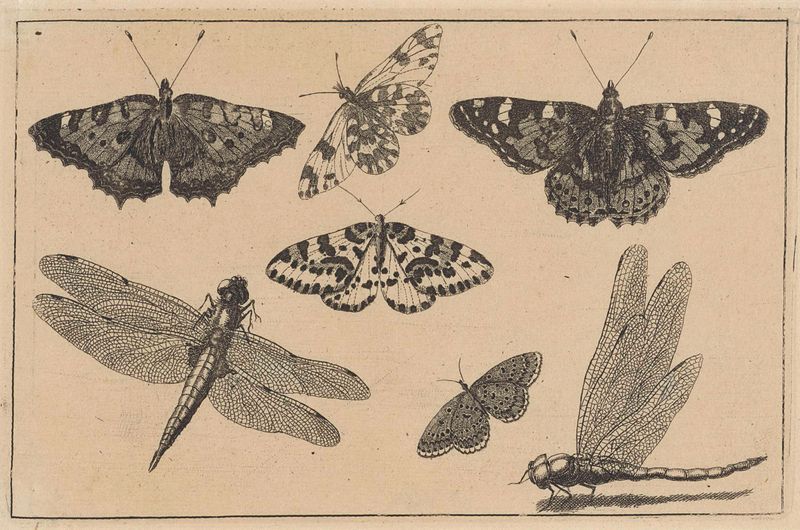
Twee libellen en vijf vlinders
Wenceslaus Hollar
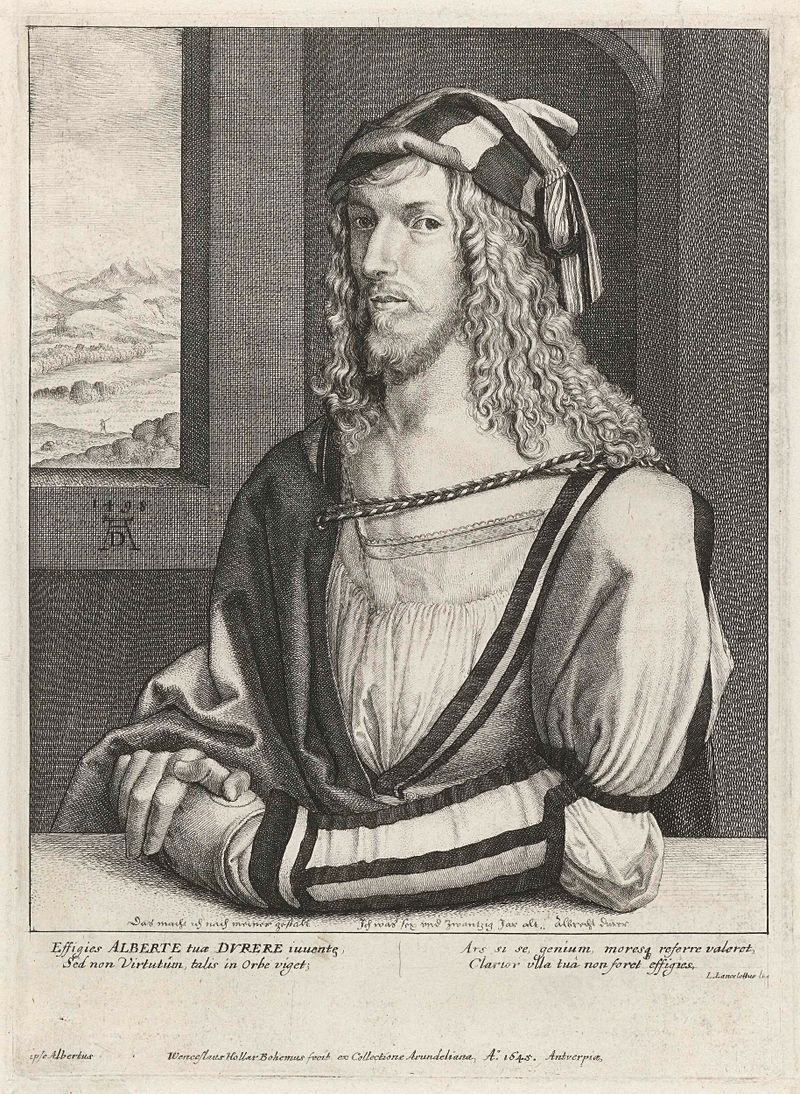
Portret van Albrecht Dürer
Wenceslaus Hollar
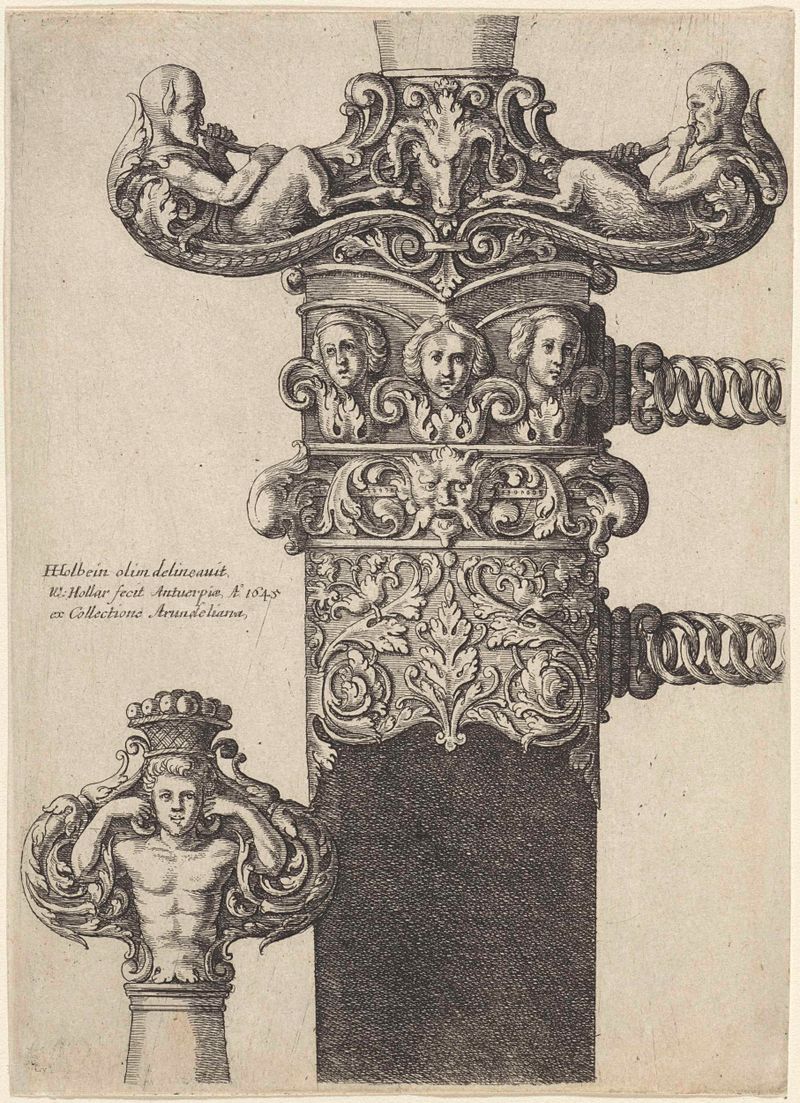
Ornamenteel ontwerp voor een dolk
Wenceslaus Hollar
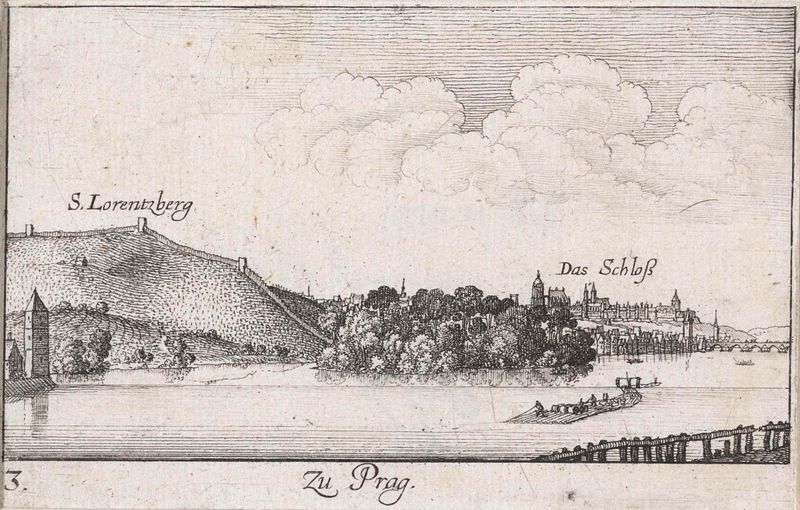
Gezicht op Praag vanaf de Moldau
Wenceslaus Hollar
More Portrait Art
Browse all →
Las meninas
Diego Velázquez

Self-portrait with a Bandaged Ear and Pipe
Unidentified artist

Girl with a Pearl Earring
Johannes Vermeer

The Sampling Officials of the Amsterdam Drapers’ Guild, Known as ‘The Syndics’
Rembrandt van Rijn

The Hundred Guilder Print: the man seen on the back in the lower left corner
Rembrandt van Rijn

Portrait of Dr Gachet
Vincent van Gogh