
Portret van Karel I, koning van Engeland — History & Facts
In the stillness of Wenceslaus Hollar's Portret van Karel I, koning van Engeland, truth unfurls itself through the meticulous strokes of a master engraver. Each line echoes the essence of a man whose reign was marked by conflict and conviction, a silent witness to the trials of his time. Focus first on the piercing gaze of Karel I, set against a backdrop rich with subtle tones of gold and deep umber. His elaborate collar, finely detailed, draws the eye like a magnet, revealing the artist's deft hand in capturing fabric and texture.
The soft play of light accentuates the contours of his face, creating a lifelike presence that compels the viewer to engage, as if standing in the shadow of a king. Notice how the delicate lines carve out both strength and fragility, a duality that permeates this powerful portrait. Beyond the surface, the painting captures a profound tension between authority and vulnerability. The king's solemn expression reflects the weight of his impending fate, as he stands at the brink of the English Civil War, his reign threatened by political upheaval.
Hollar’s choice to portray him in this moment invites contemplation of the frailty of power, urging viewers to ponder the nature of leadership in times of discord. The intricate detailing also hints at the burdens of legacy, where every mark represents a choice made and a consequence borne. Created in 1649, Hollar was deeply embedded in a tumultuous period, both personally and politically. Originally from Bohemia and residing in England, the artist found himself amidst the chaos of a nation divided.
The execution of Karel I soon followed, marking a significant shift in the structure of monarchy, and in this work, Hollar immortalized not just a ruler but the complexities of truth and representation during an era of profound change.
More Artworks by Wenceslaus Hollar
Browse all →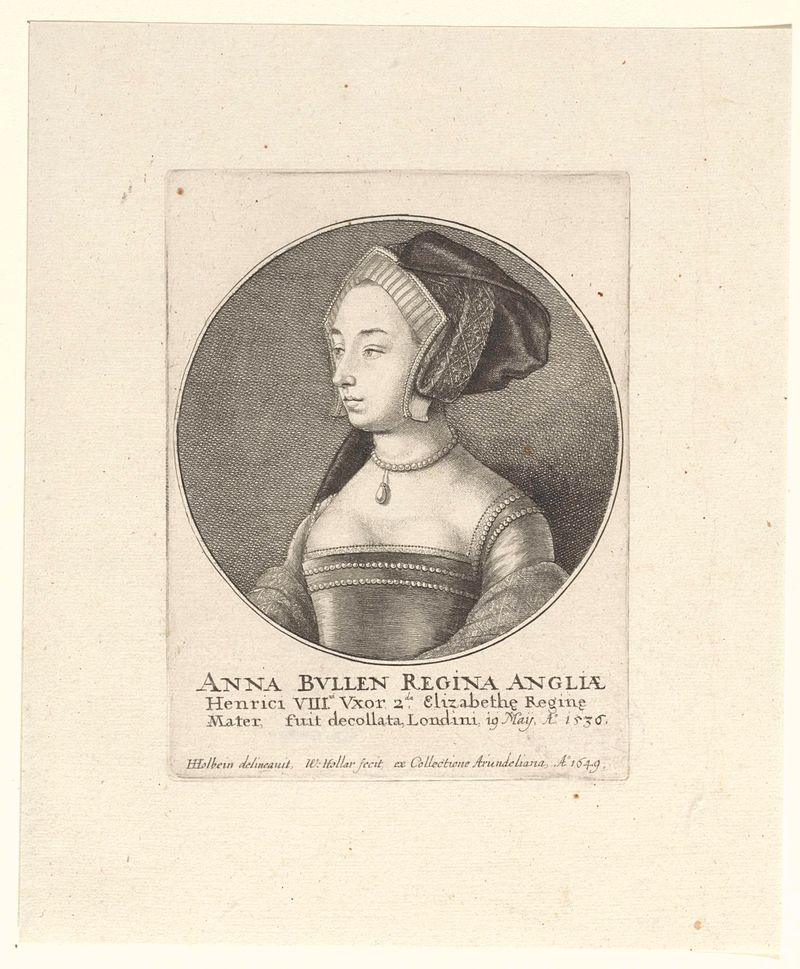
Portret van Anna Boleyn, koningin van Engeland
Wenceslaus Hollar
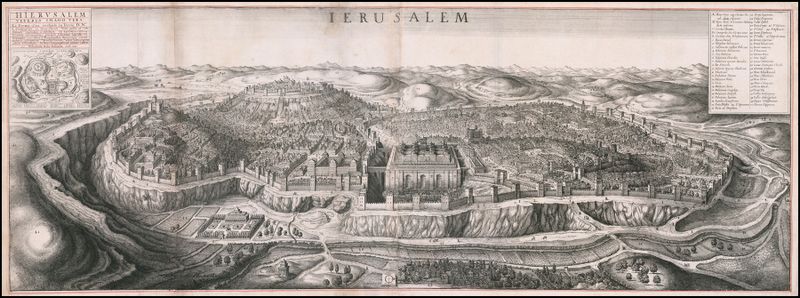
Bird’s eye view of Jerusalem
Wenceslaus Hollar
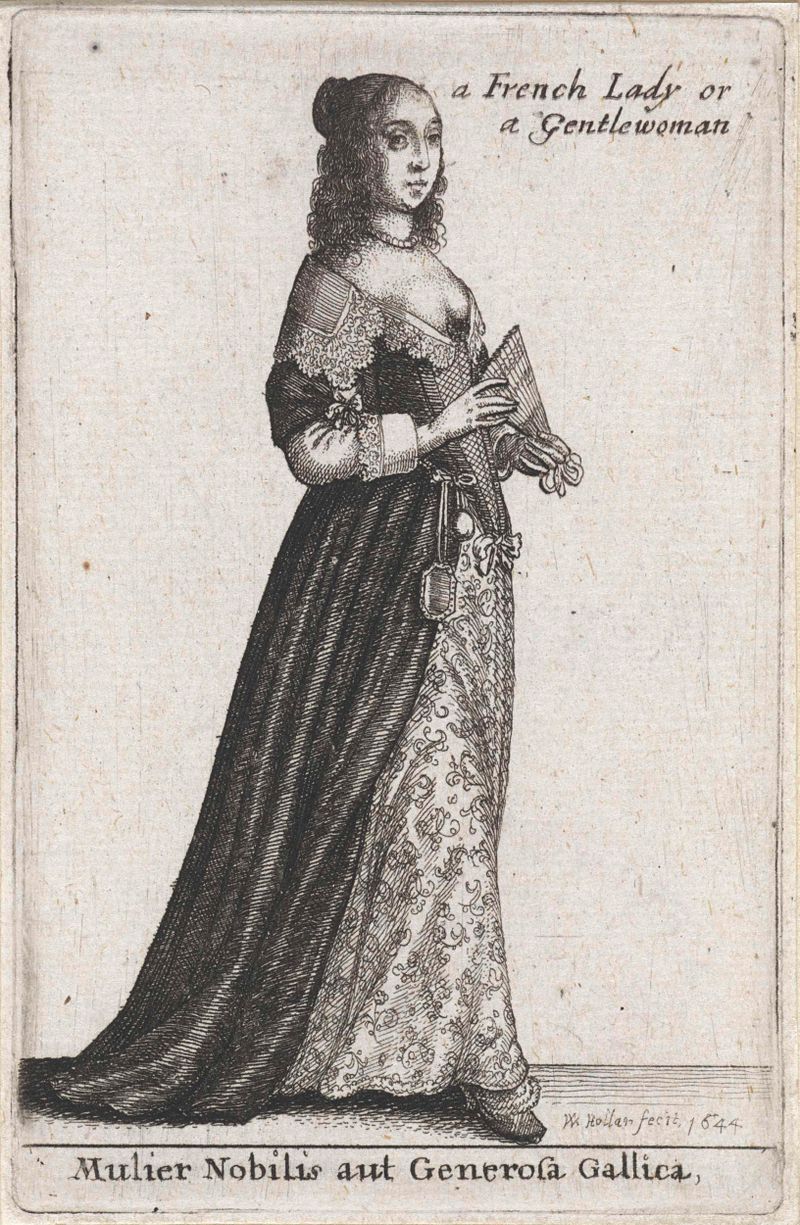
Mulier Nobilis aut Generosa Gallica / a French Lady or Gentlewoman
Wenceslaus Hollar
Titelprent voor: Ornatus Muliebris Anglicanus
Wenceslaus Hollar
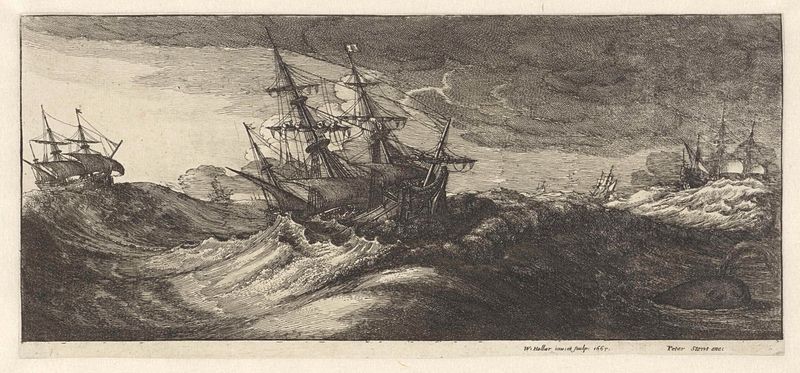
Oorlogsschepen en een walvis in een zeestorm
Wenceslaus Hollar
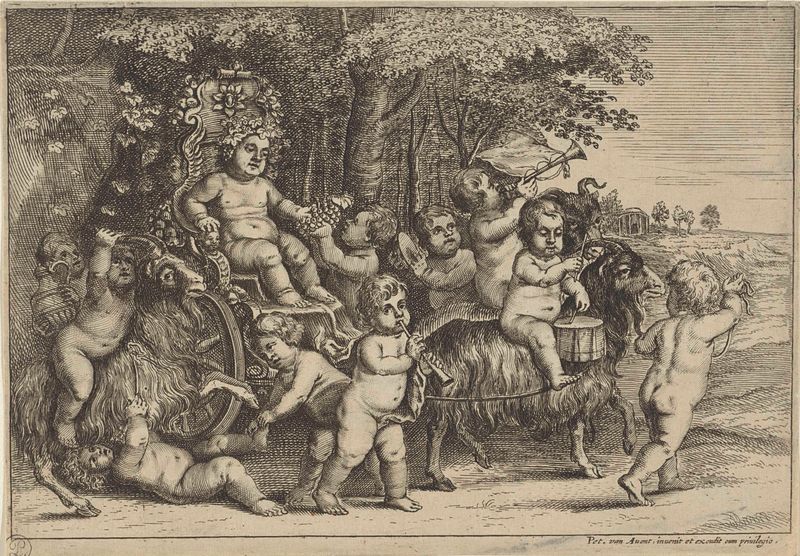
Optocht van bacchant en jongetjes op geiten
Wenceslaus Hollar
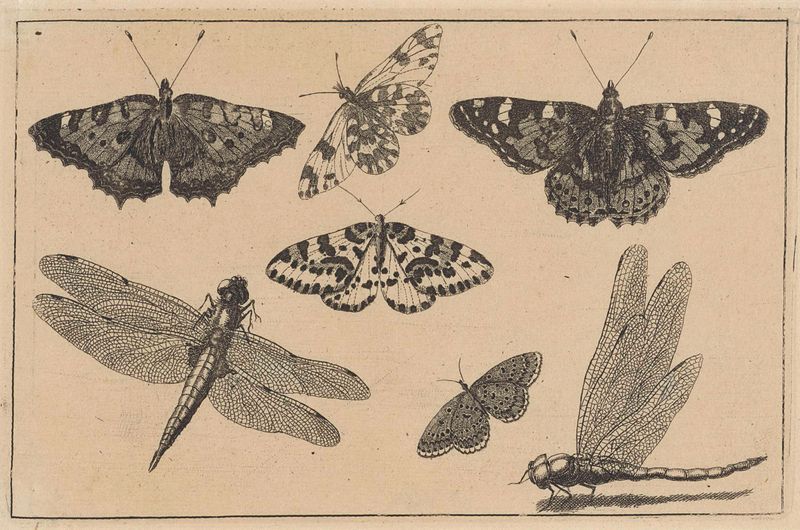
Twee libellen en vijf vlinders
Wenceslaus Hollar
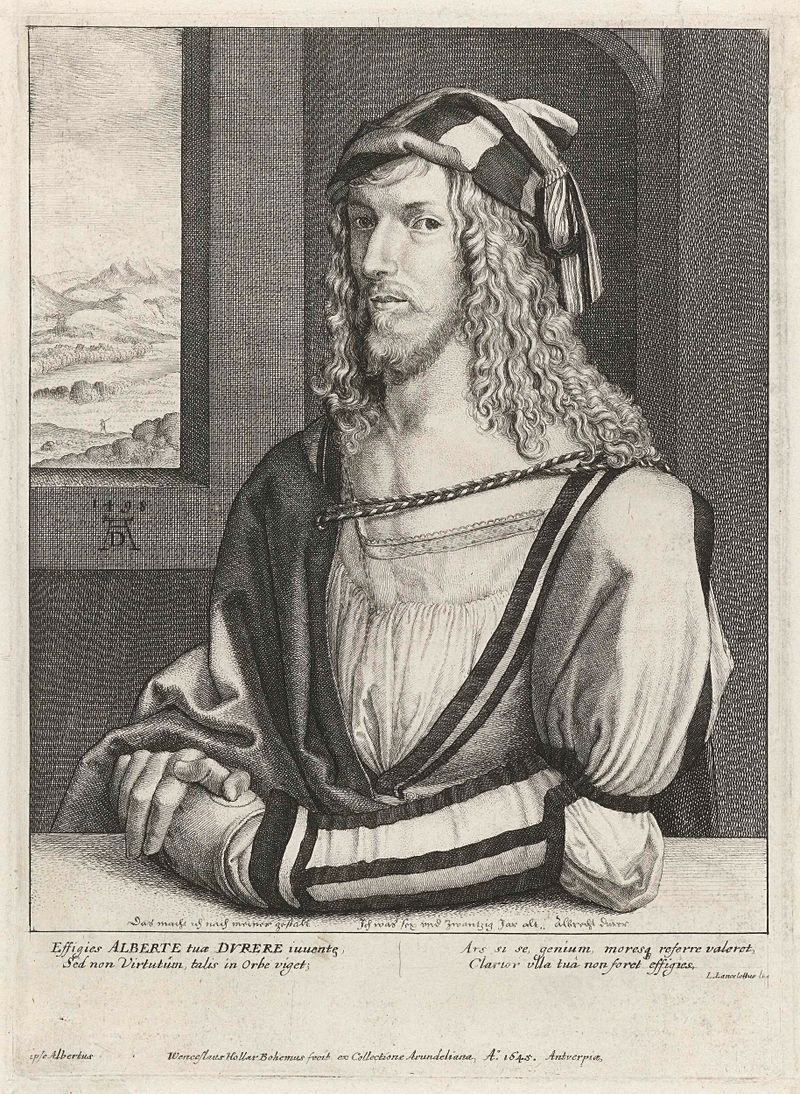
Portret van Albrecht Dürer
Wenceslaus Hollar
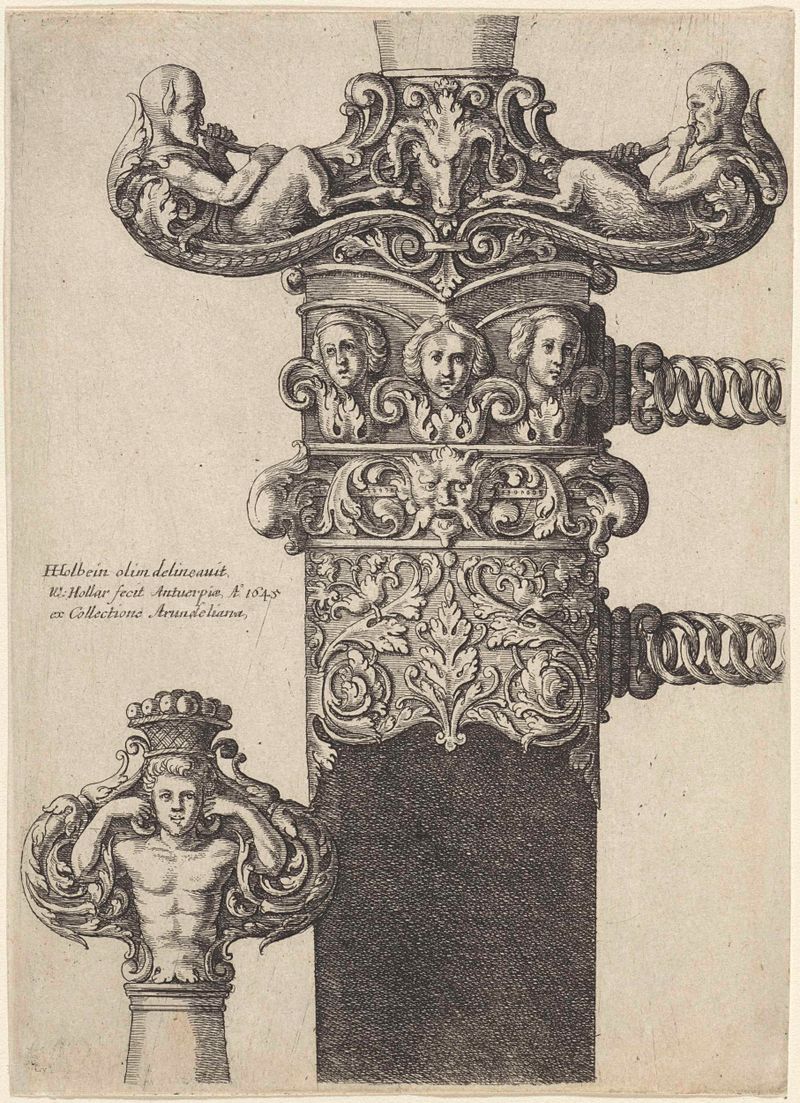
Ornamenteel ontwerp voor een dolk
Wenceslaus Hollar
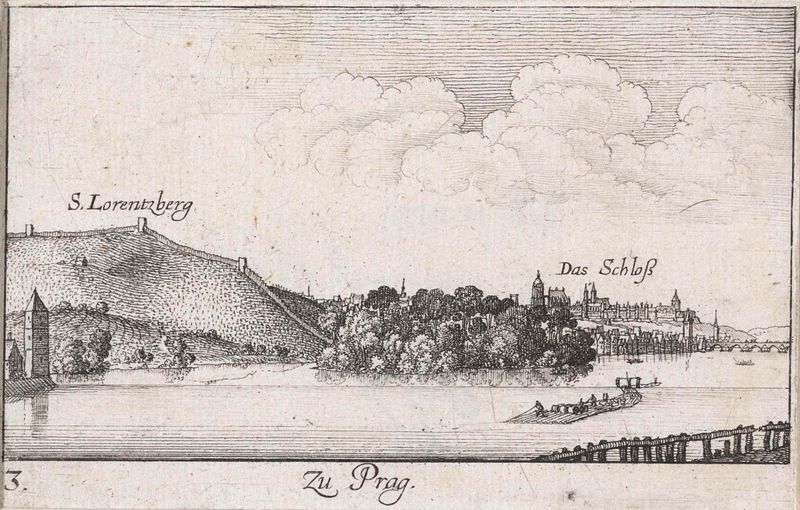
Gezicht op Praag vanaf de Moldau
Wenceslaus Hollar
More Portrait Art
Browse all →
Las meninas
Diego Velázquez

Self-portrait with a Bandaged Ear and Pipe
Unidentified artist

Girl with a Pearl Earring
Johannes Vermeer

The Sampling Officials of the Amsterdam Drapers’ Guild, Known as ‘The Syndics’
Rembrandt van Rijn

The Hundred Guilder Print: the man seen on the back in the lower left corner
Rembrandt van Rijn

Portrait of Dr Gachet
Vincent van Gogh