
Portret van Karel van Orléans — History & Facts
This poignant reflection resonates deeply within the realm of portraiture, where the surface gleams yet conceals an underlying truth. Here, innocence is captured, not in joyous exuberance, but in a delicate balance of vulnerability and strength. Look closely at the intricate details of the figure’s attire; the golden embroidery on the fabric draws the eye immediately, shimmering with opulence. The sharpness of the colors—deep reds and serene blues—contrasts with the soft pallor of the subject's skin, emphasizing a youthful yet somber demeanor.
Notice how the gentle light caresses the contours of the face, creating a halo effect that suggests both divinity and fragility. This interplay of luminance and shadow is a testament to the artist’s mastery, inviting the viewer into a space where innocence is both celebrated and mourned. Delve deeper into the expression on the boy's face—what appears serene may harbor unspoken stories of isolation. The slight tilt of his head and the way his gaze seems to linger just beyond the canvas evoke a sense of longing or nostalgia, hinting at an inner world that contrasts with the external beauty.
The choice to surround him with minimalistic background further amplifies this tension, elevating the subject's vulnerability against the vastness of silence. Hans Liefrinck (I) created Portret van Karel van Orléans between 1539 and 1545, during a period marked by artistic exploration and the emerging influence of Northern Renaissance ideals. Operating in the artistic milieu of Antwerp, he navigated a world where portraiture was becoming a powerful medium for individual expression amidst sociopolitical upheaval. This work reflects not only his skill but also the cultural significance of capturing the human experience in an era where innocence was often a fleeting, precious state.
More Artworks by Hans Liefrinck (I)
Browse all →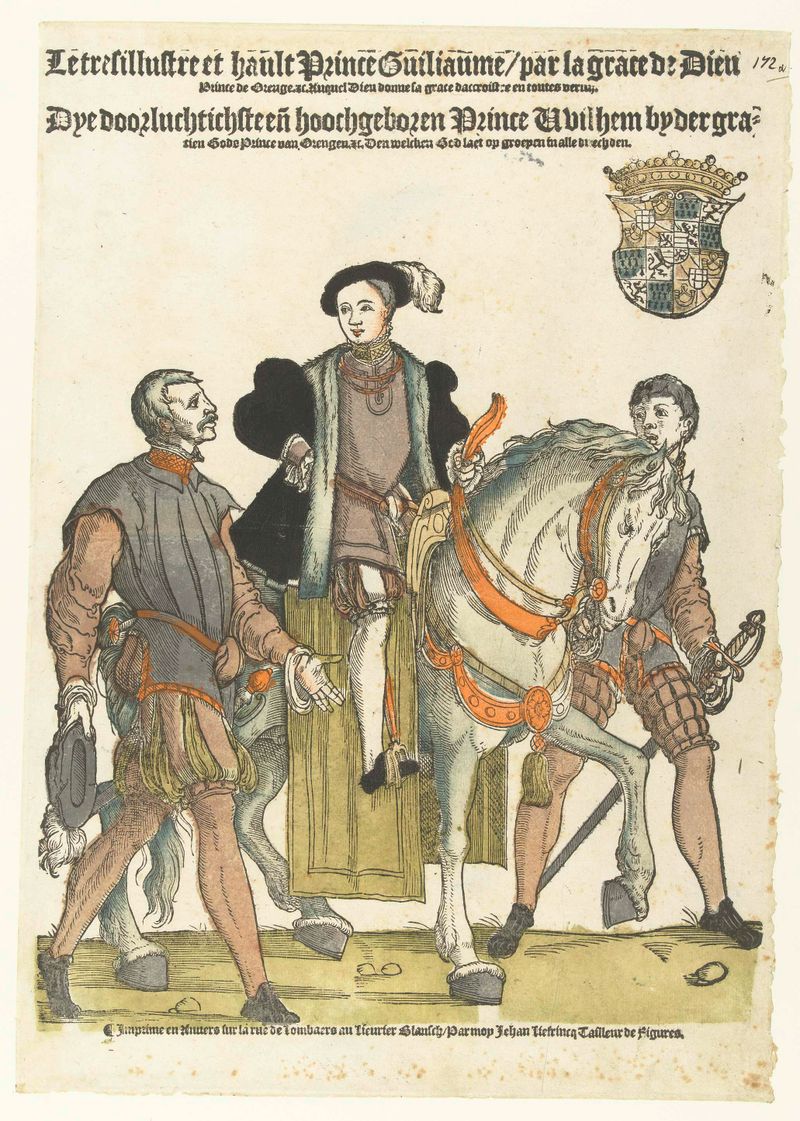
Portret van Willem van Oranje als jongen te paard
Hans Liefrinck (I)
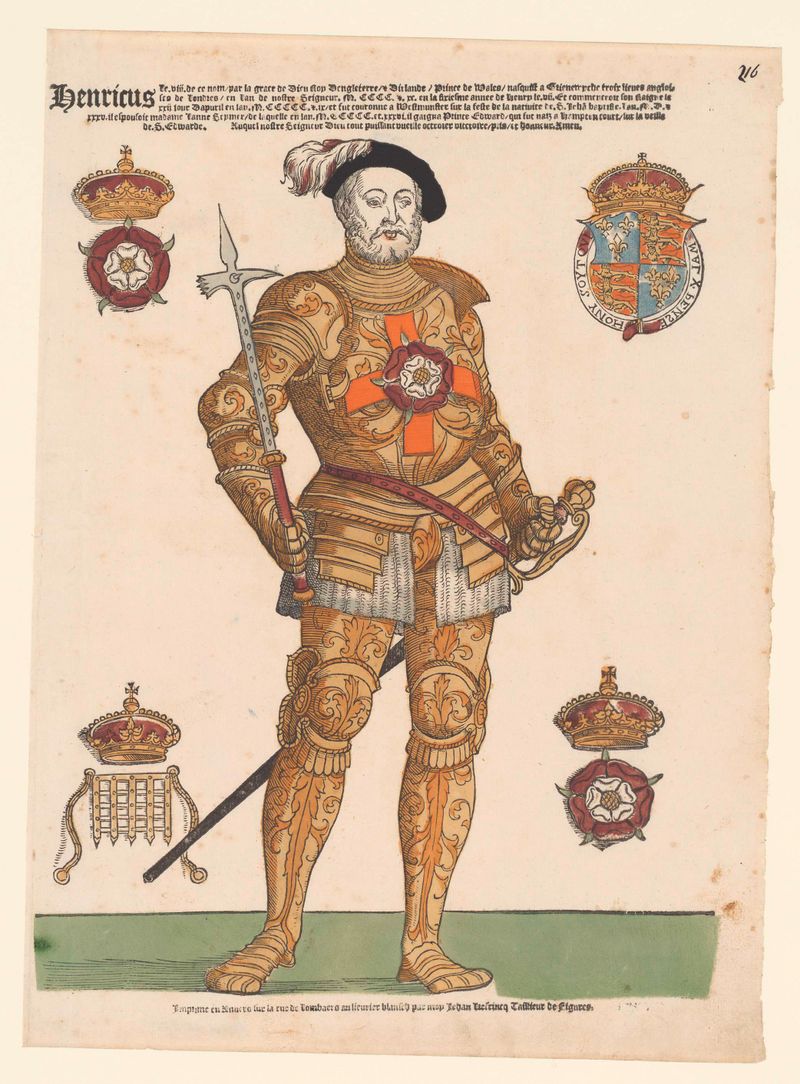
Portret van Hendrik VIII van Engeland
Hans Liefrinck (I)
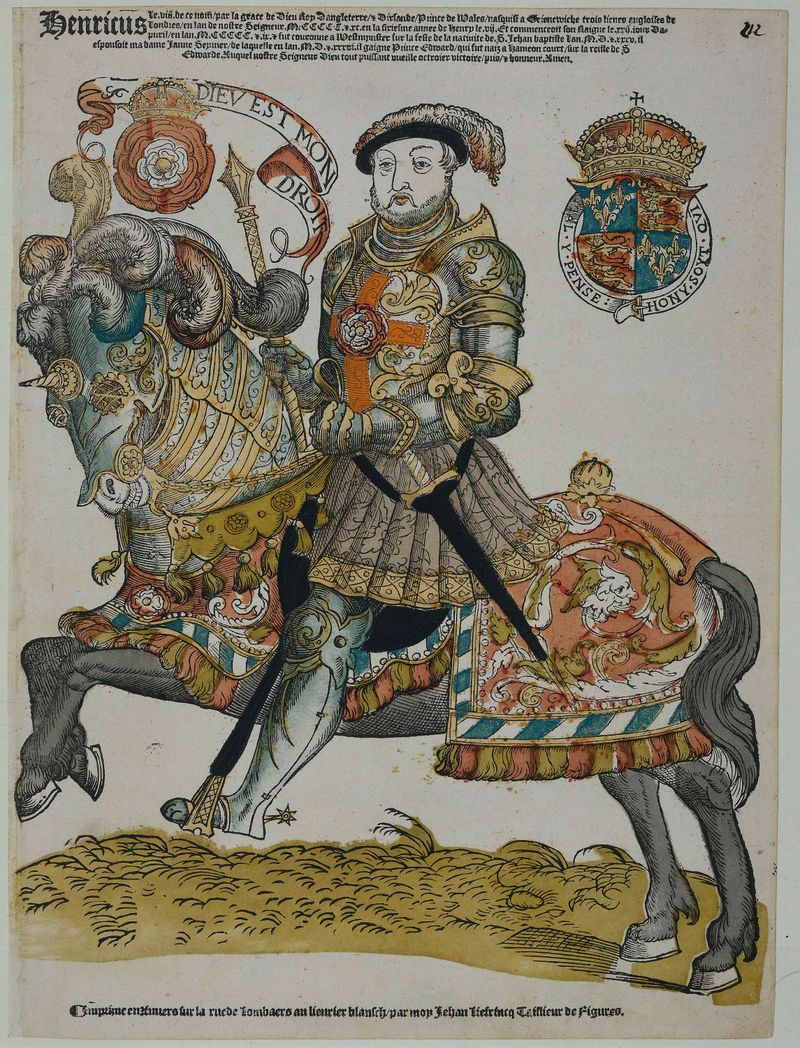
Portret van Hendrik VIII van Engeland
Hans Liefrinck (I)
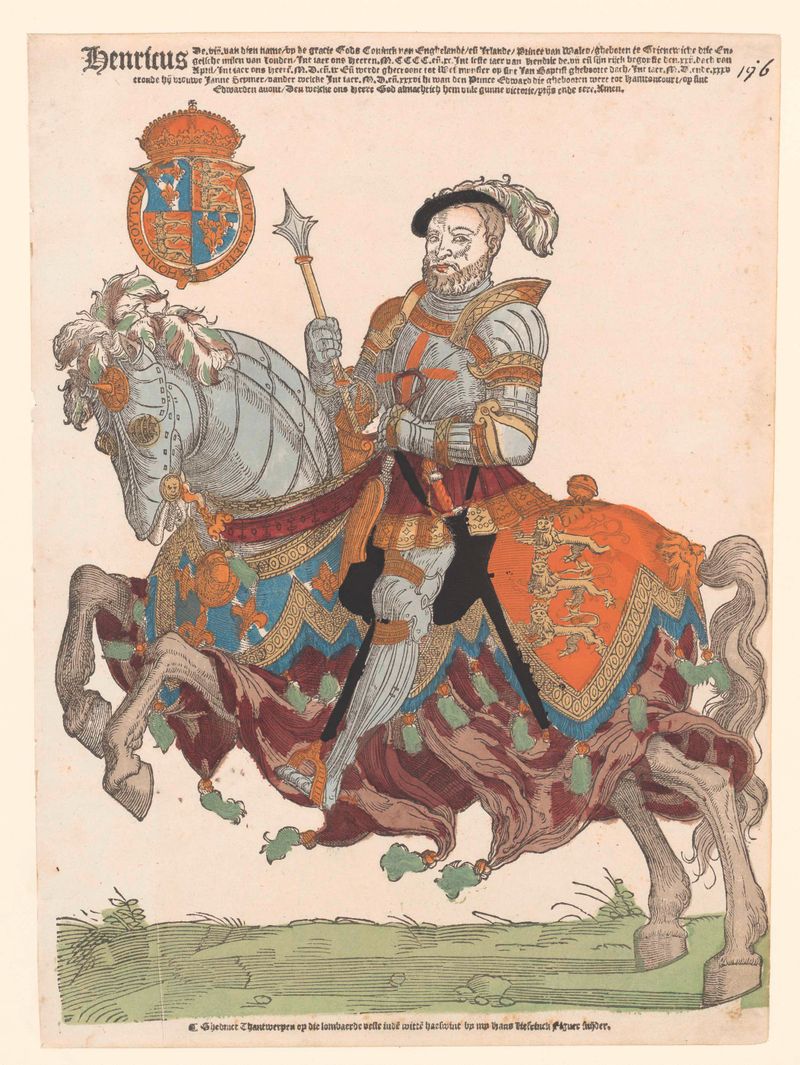
Portret van Hendrik VIII van Engeland
Hans Liefrinck (I)
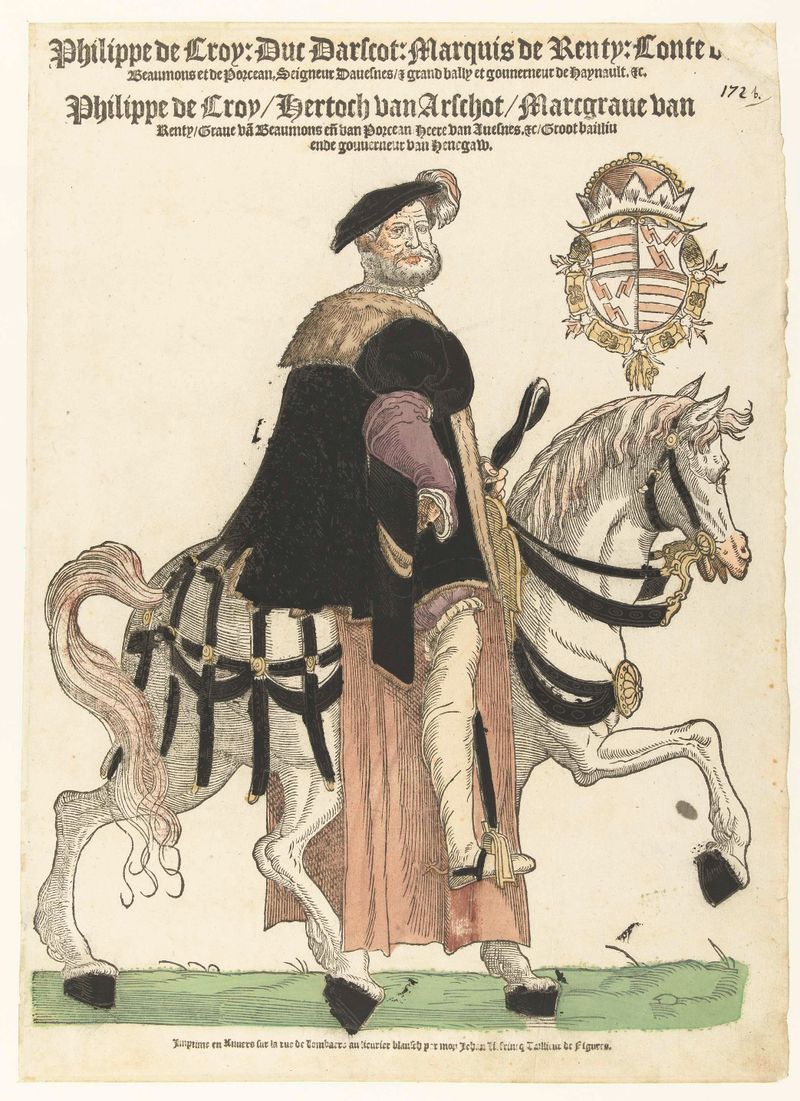
Portret van Filips de Croy te paard
Hans Liefrinck (I)
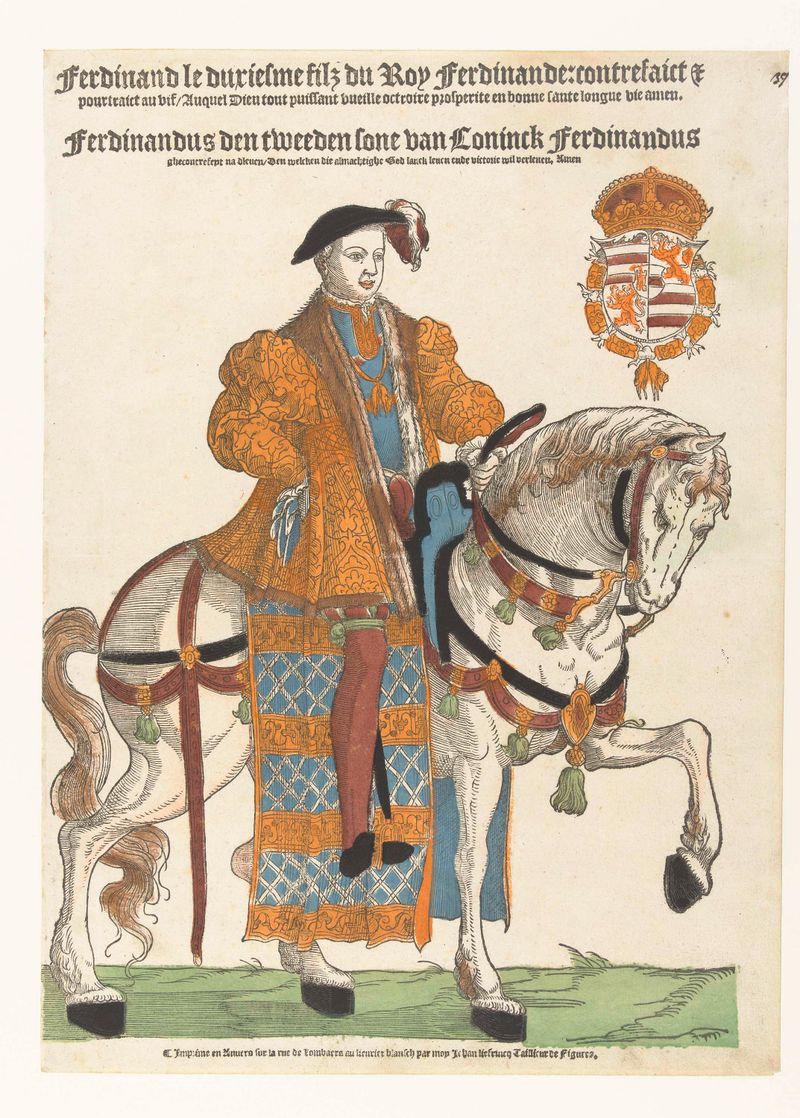
Portret van Ferdinand van Tirol te paard
Hans Liefrinck (I)
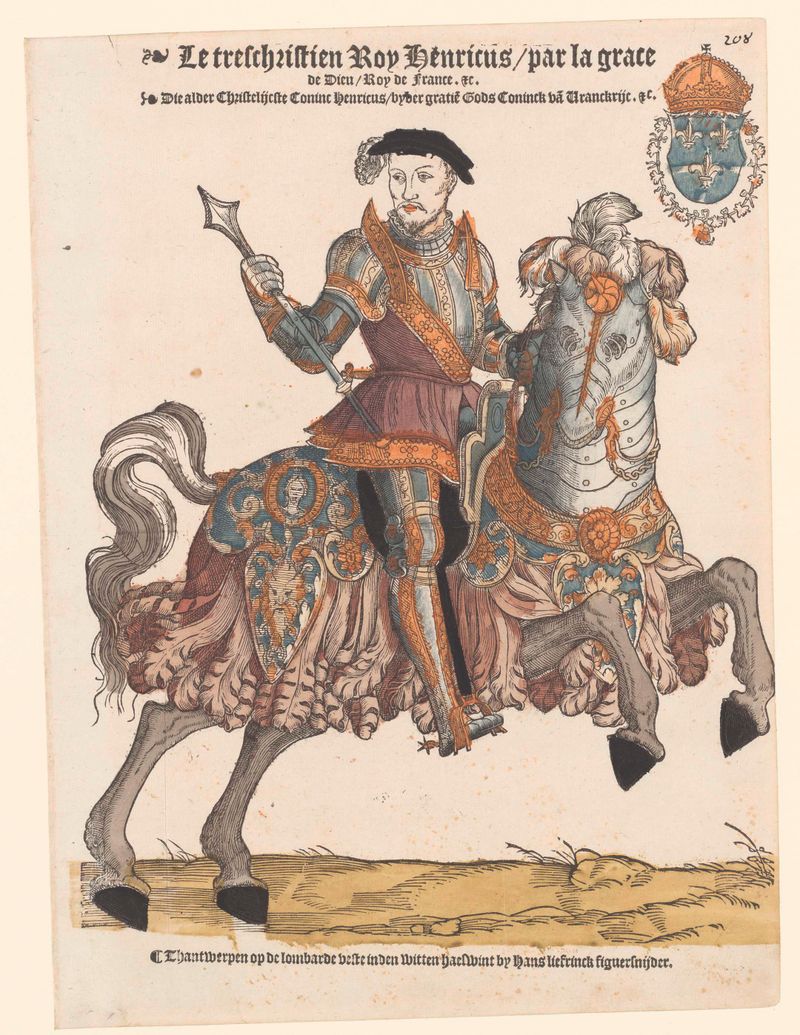
Portret van Hendrik II van Frankrijk in harnas te paard, naar rechts
Hans Liefrinck (I)
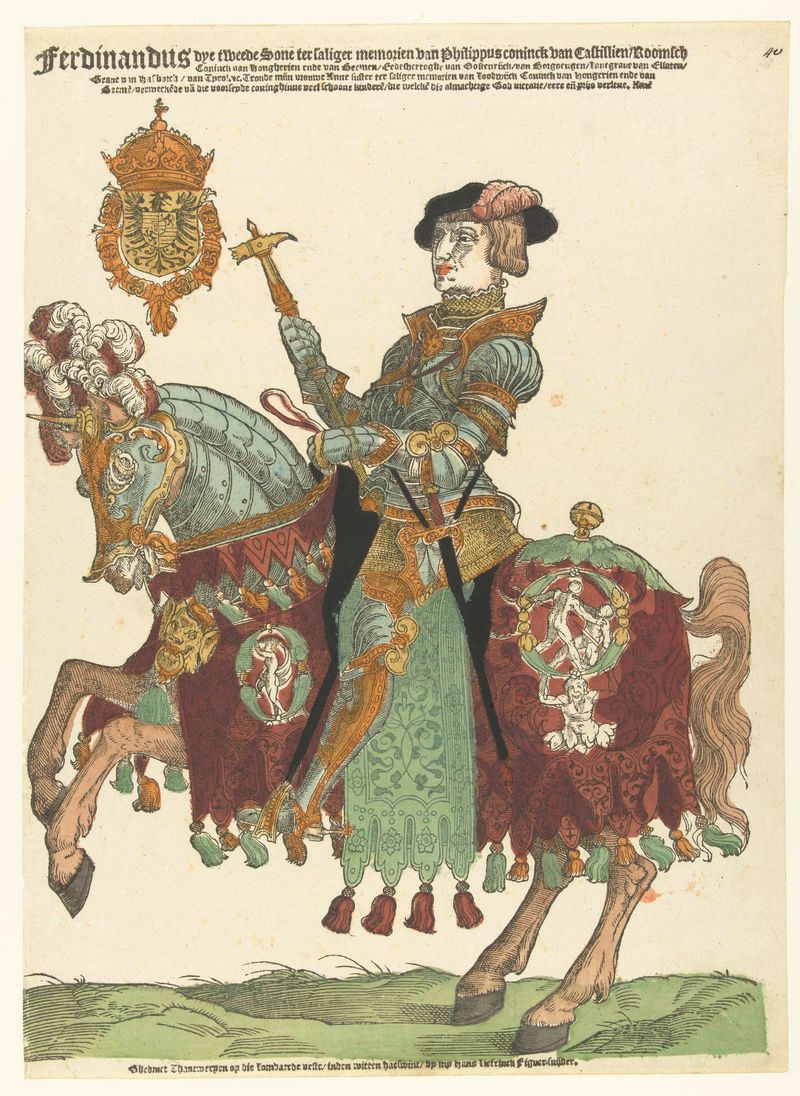
Portret van Ferdinand I van Oostenrijk te paard
Hans Liefrinck (I)
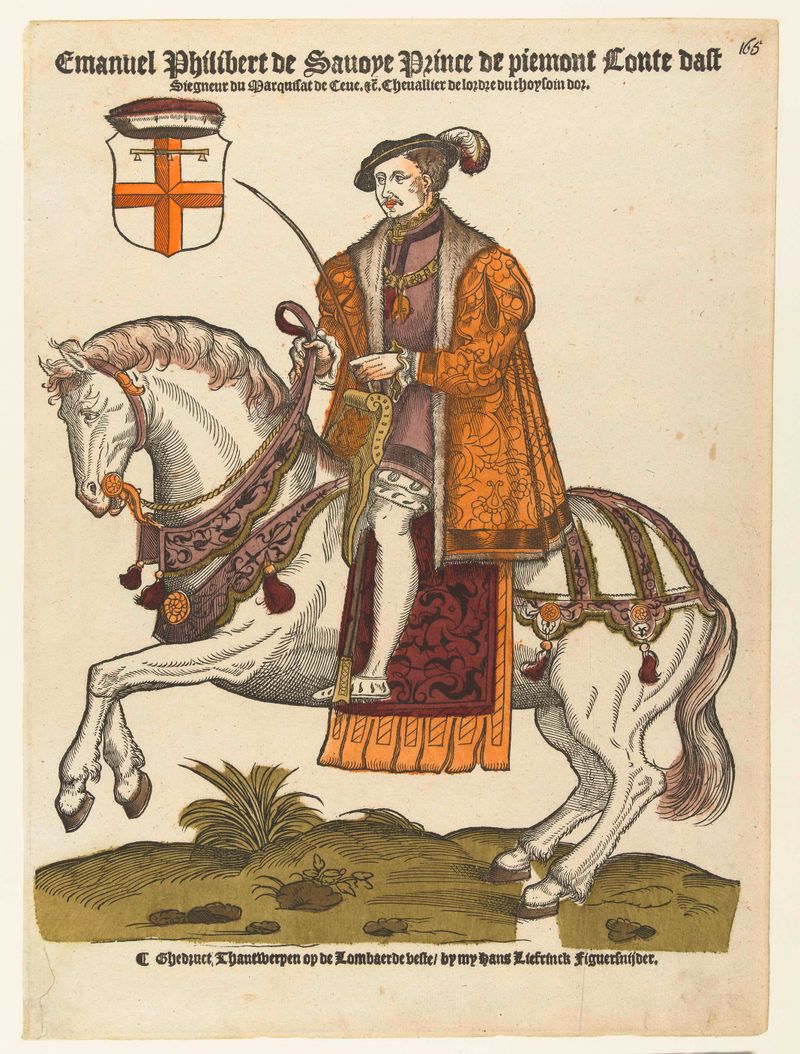
Portret van Emanuel Philibert van Savoye te paard
Hans Liefrinck (I)
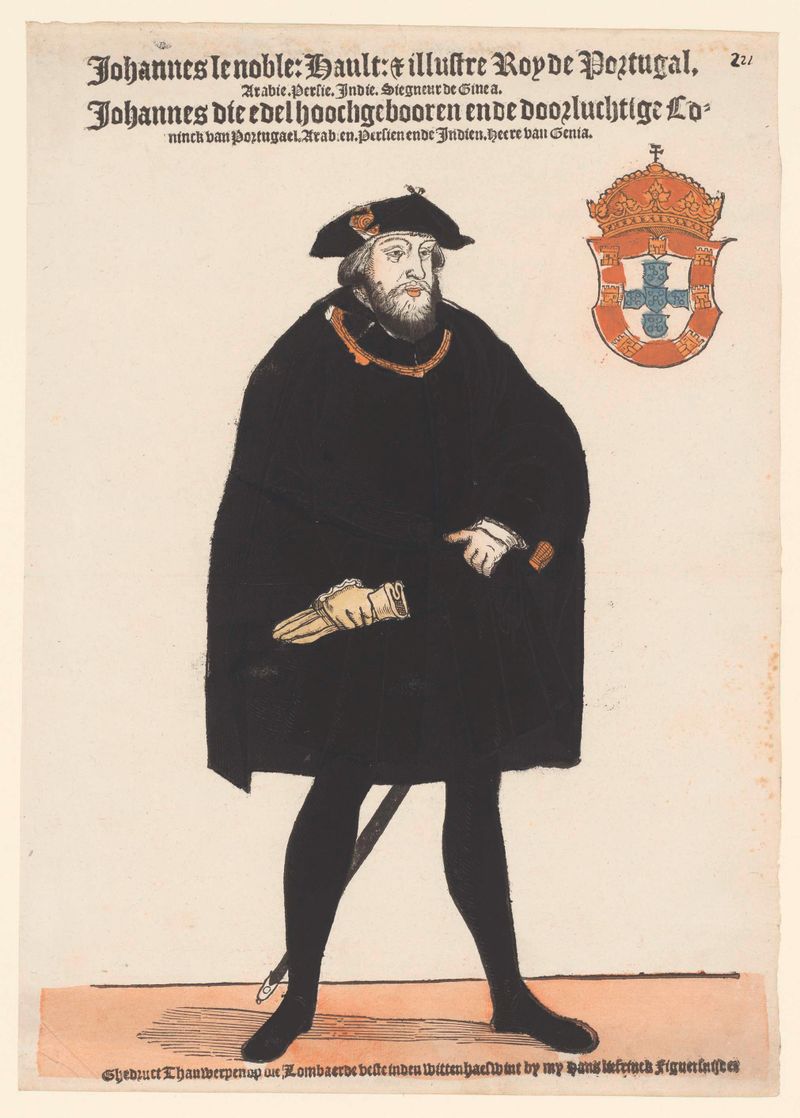
Portret van Johannes III van Portugal
Hans Liefrinck (I)
More Portrait Art
Browse all →
Las meninas
Diego Velázquez

Self-portrait with a Bandaged Ear and Pipe
Unidentified artist

Girl with a Pearl Earring
Johannes Vermeer

The Sampling Officials of the Amsterdam Drapers’ Guild, Known as ‘The Syndics’
Rembrandt van Rijn

The Hundred Guilder Print: the man seen on the back in the lower left corner
Rembrandt van Rijn

Portrait of Dr Gachet
Vincent van Gogh