
Portret van Margaretha van Valois te paard — History & Facts
Can paint confess what words never could? The delicate interplay of light and shadow in this portrait not only captures its subject but speaks volumes about her identity and significance. Look to the left at the gentle glimmer of sunlight that dances across the horse’s mane, illuminating the intricately embroidered details of Margaretha van Valois’s attire. The artist’s mastery of oil allows for a rich palette that breathes life into the textures of her fabric, contrasting with the dark background that serves to both frame and isolate her figure. Notice how the horse’s powerful form complements her poised yet determined posture, suggesting a harmonious relationship between rider and steed, while the subtle blush on her cheeks imparts a sense of youth and nobility. Delve deeper, and you’ll uncover layers of meaning woven into the fabric of the work.
The regal presence of Margaretha, adorned in her finery, hints at her royal lineage and the weight of expectation that comes with it. Meanwhile, the horse, often a symbol of power and freedom, juxtaposes her status with a hint of entrapment in societal norms. This tension between strength and vulnerability is palpable, inviting viewers to ponder the duality of her existence as both a noblewoman and a figure within the constraints of her time. Hans Liefrinck (I) created this portrait during a period of substantial political and social change in Europe, between 1539 and 1559.
Working in Antwerp, he captured the essence of the Northern Renaissance, where portraiture began to reflect more than mere likeness but the complexities of identity and status. At this time, royal portraits were vital in affirming the legitimacy of noble bloodlines, and Liefrinck’s attention to detail was instrumental in conveying the nuanced narrative of his subjects.
More Artworks by Hans Liefrinck (I)
Browse all →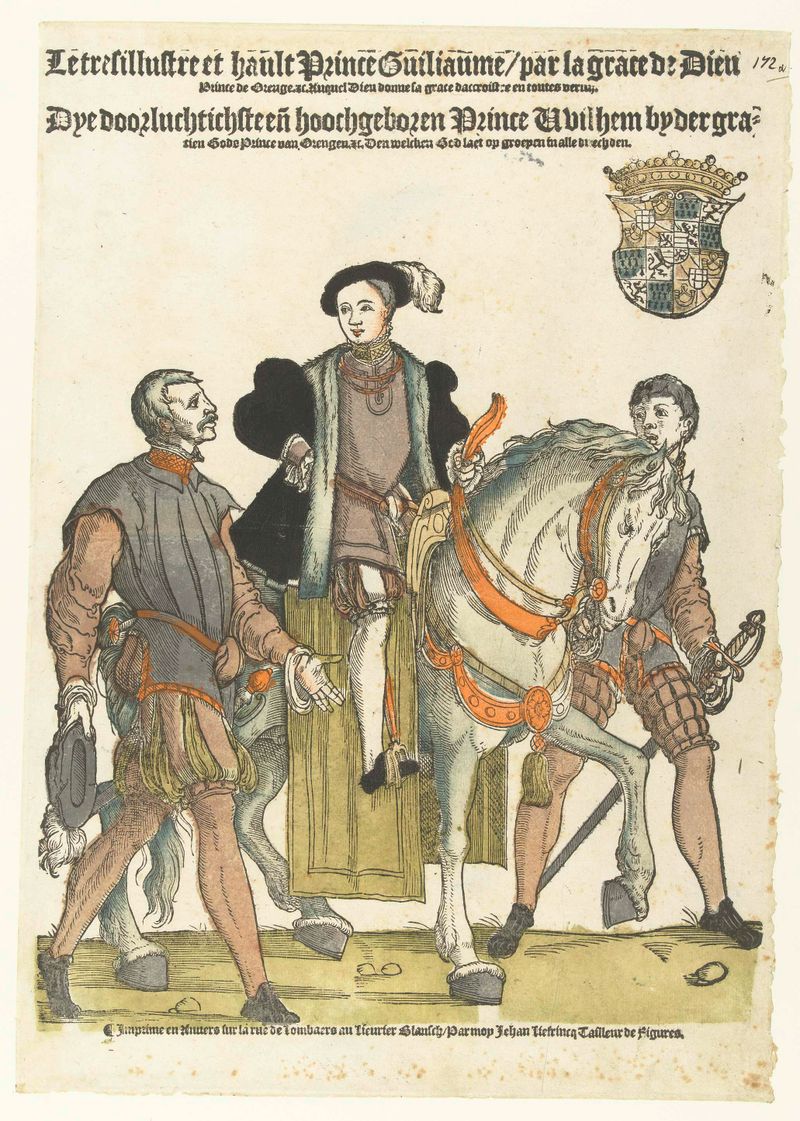
Portret van Willem van Oranje als jongen te paard
Hans Liefrinck (I)
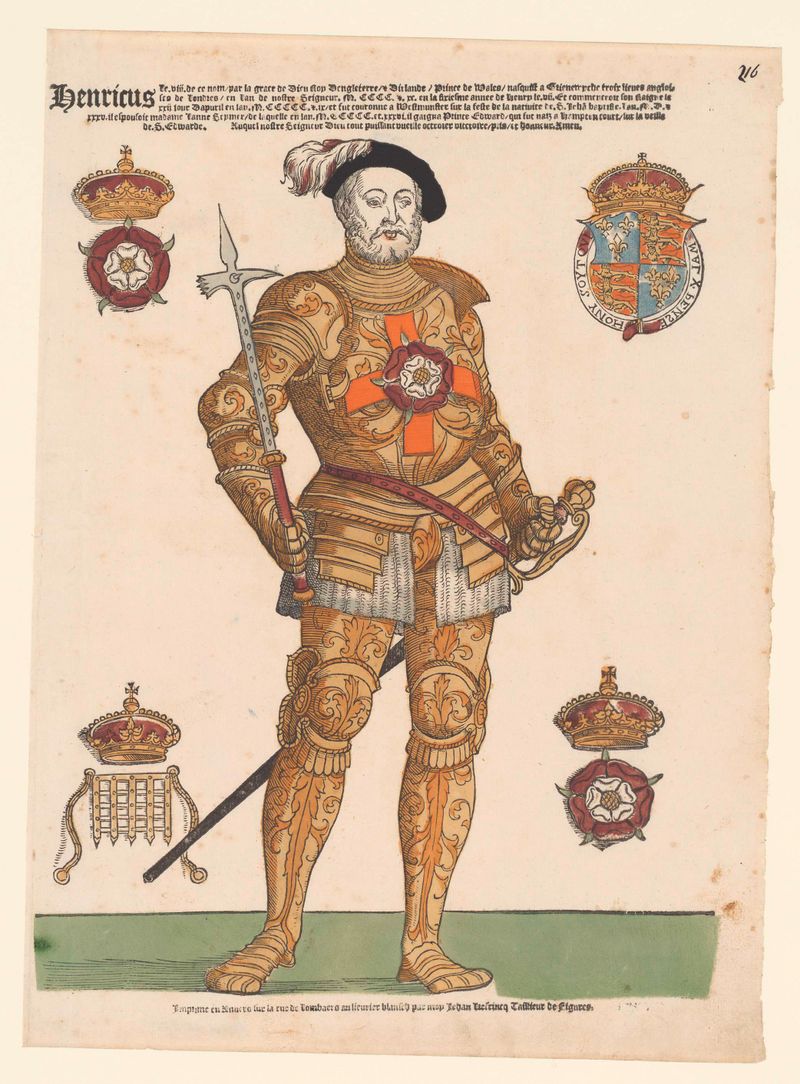
Portret van Hendrik VIII van Engeland
Hans Liefrinck (I)
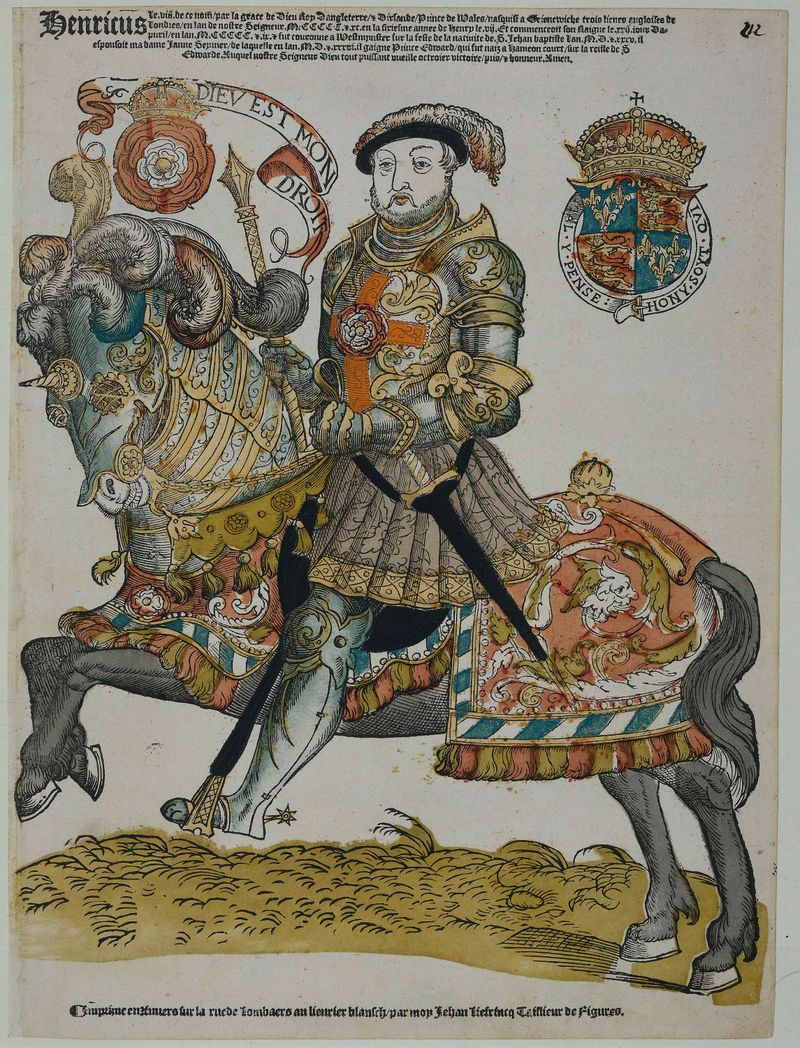
Portret van Hendrik VIII van Engeland
Hans Liefrinck (I)
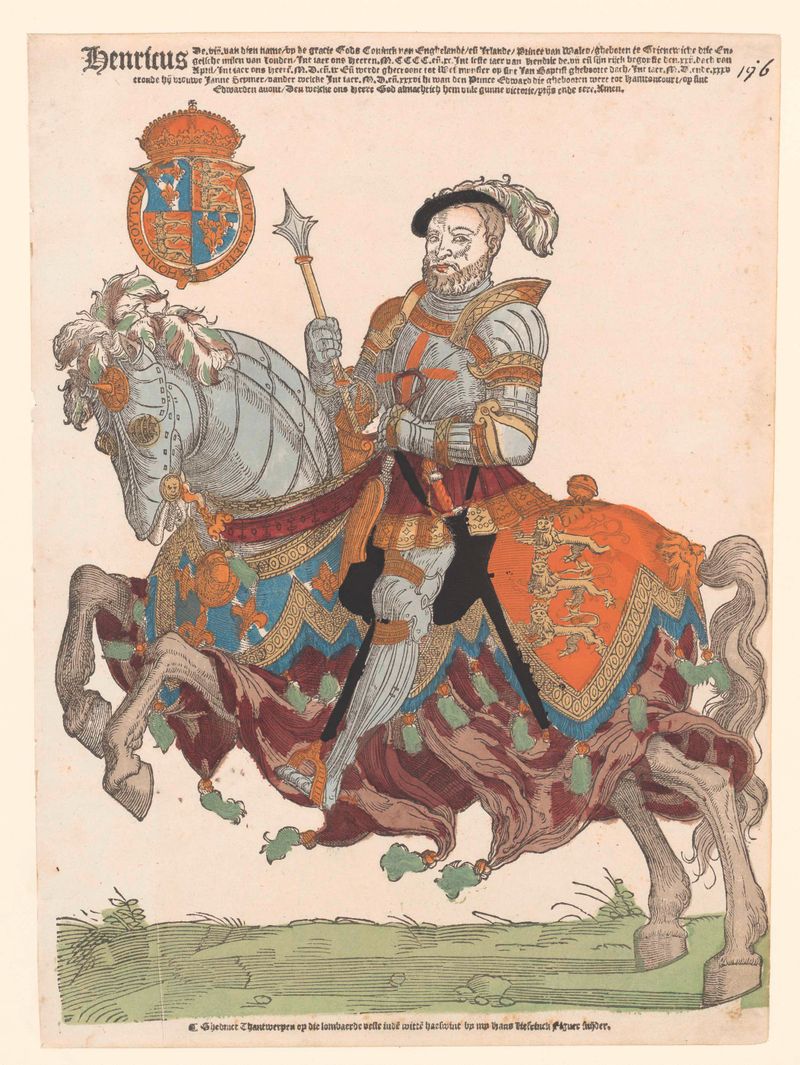
Portret van Hendrik VIII van Engeland
Hans Liefrinck (I)
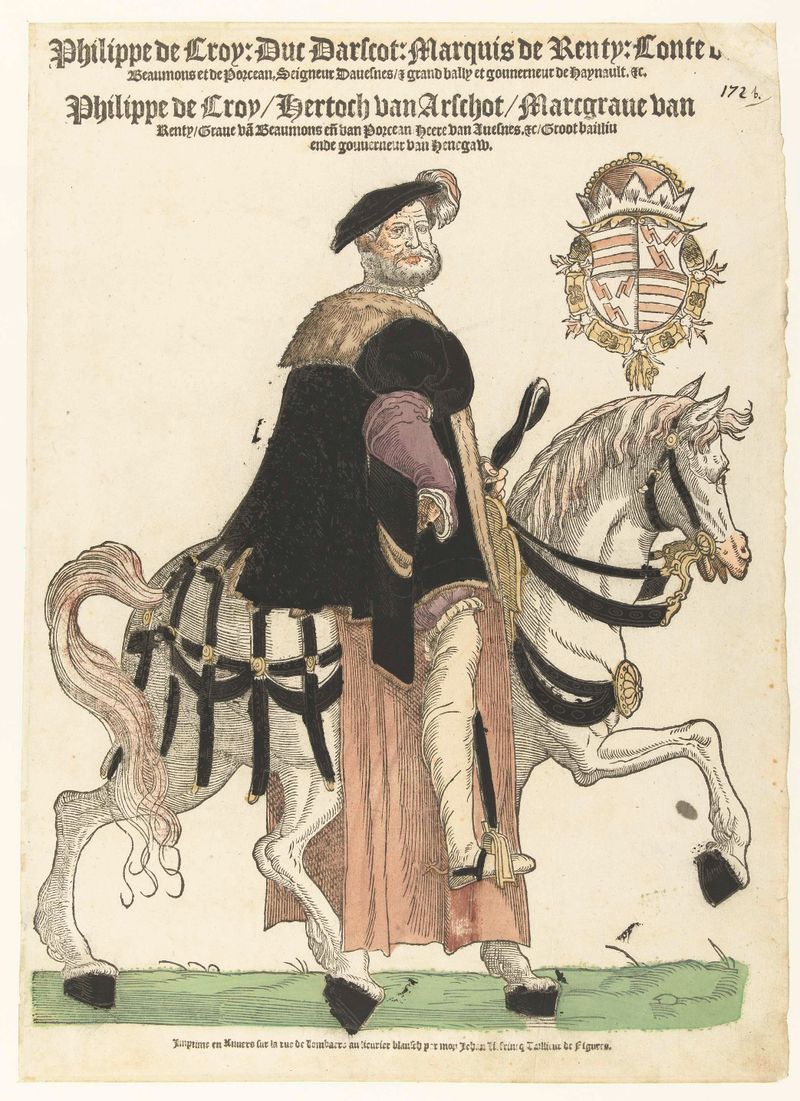
Portret van Filips de Croy te paard
Hans Liefrinck (I)
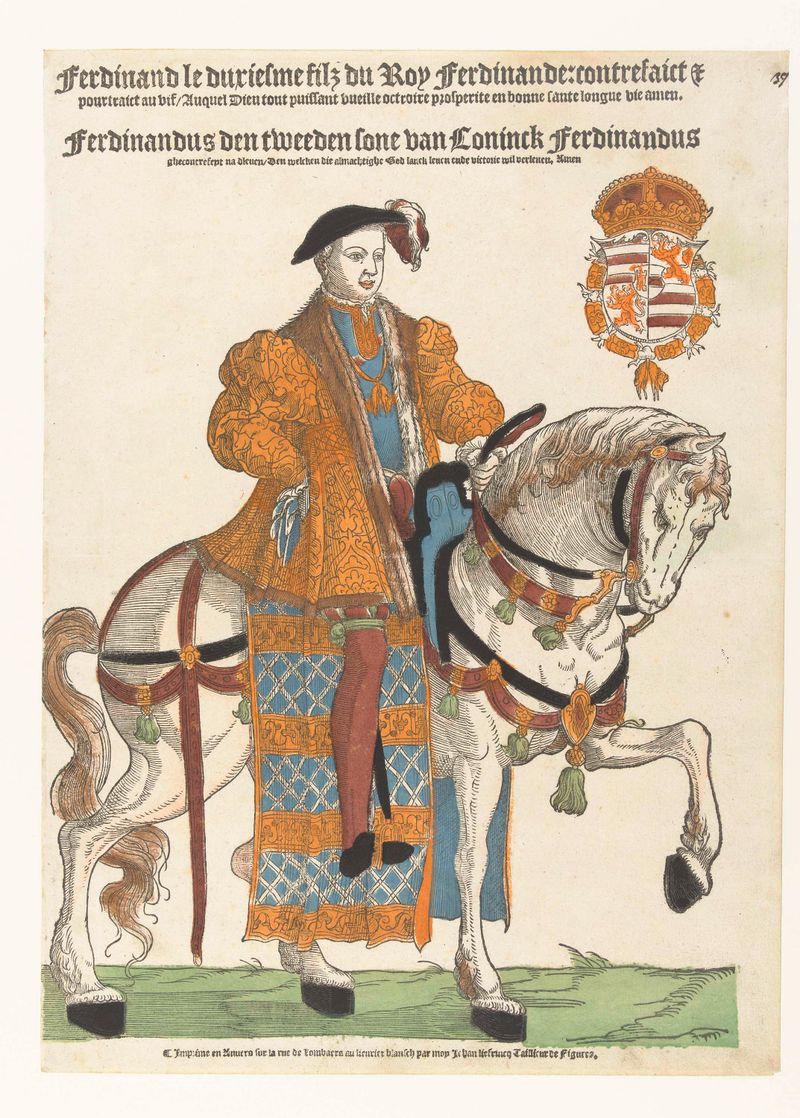
Portret van Ferdinand van Tirol te paard
Hans Liefrinck (I)
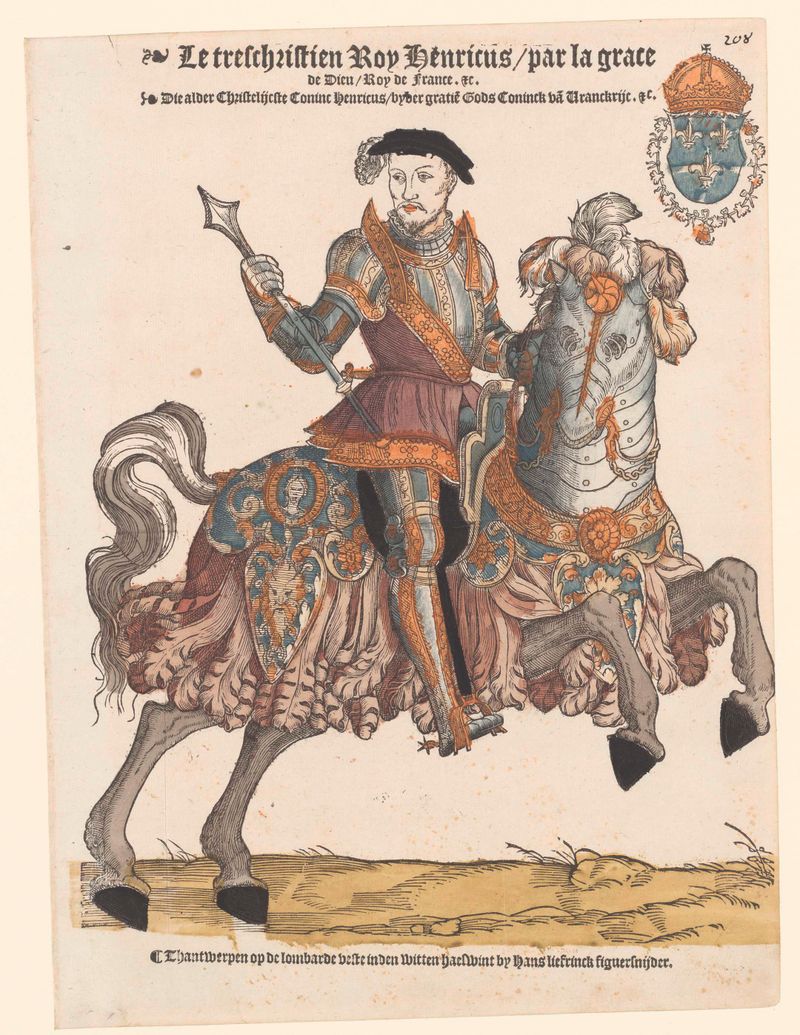
Portret van Hendrik II van Frankrijk in harnas te paard, naar rechts
Hans Liefrinck (I)
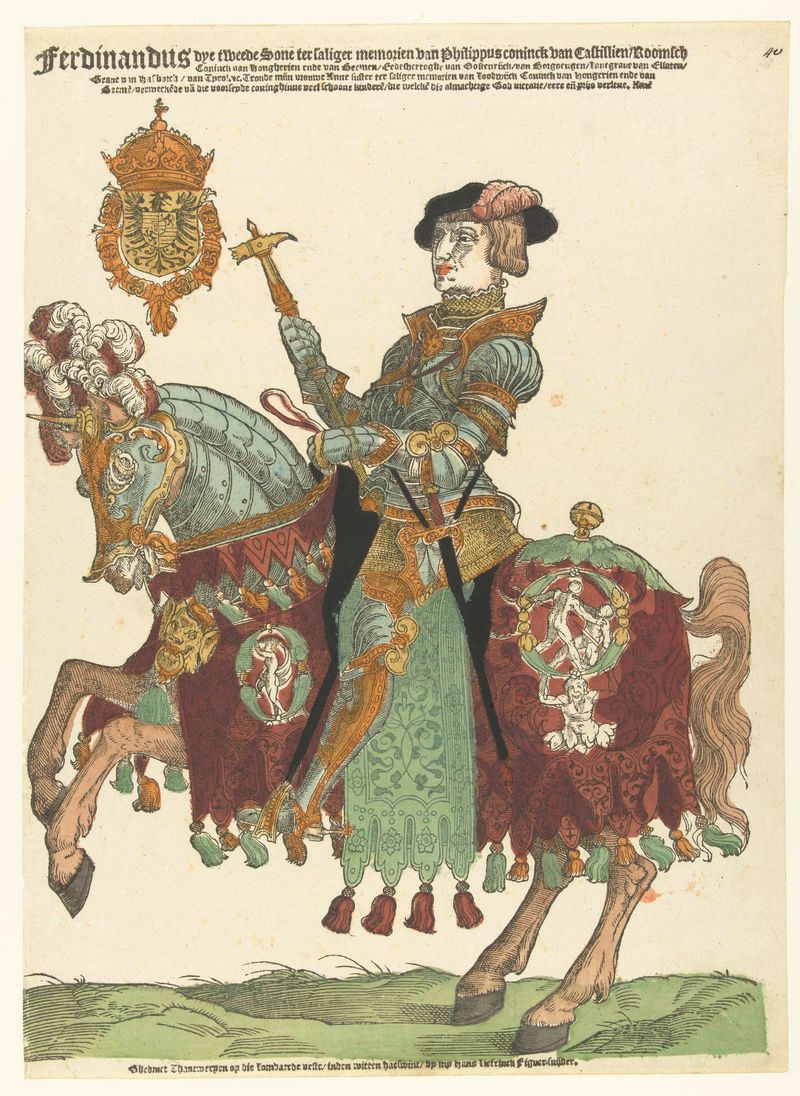
Portret van Ferdinand I van Oostenrijk te paard
Hans Liefrinck (I)
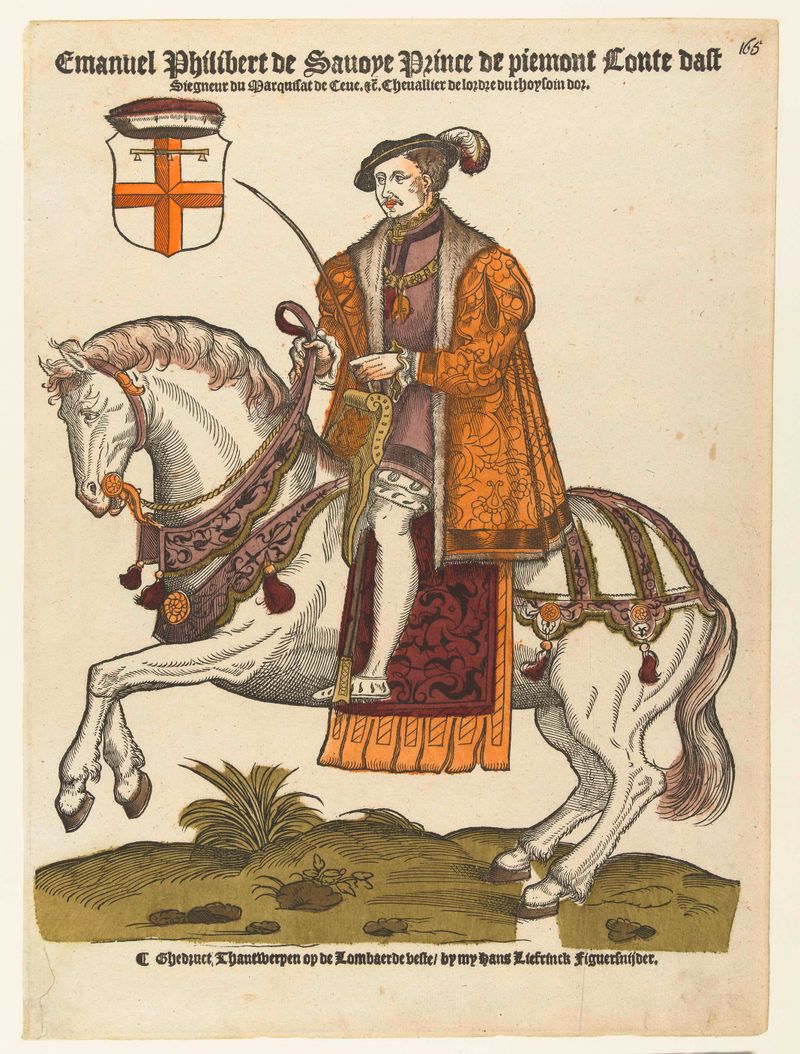
Portret van Emanuel Philibert van Savoye te paard
Hans Liefrinck (I)
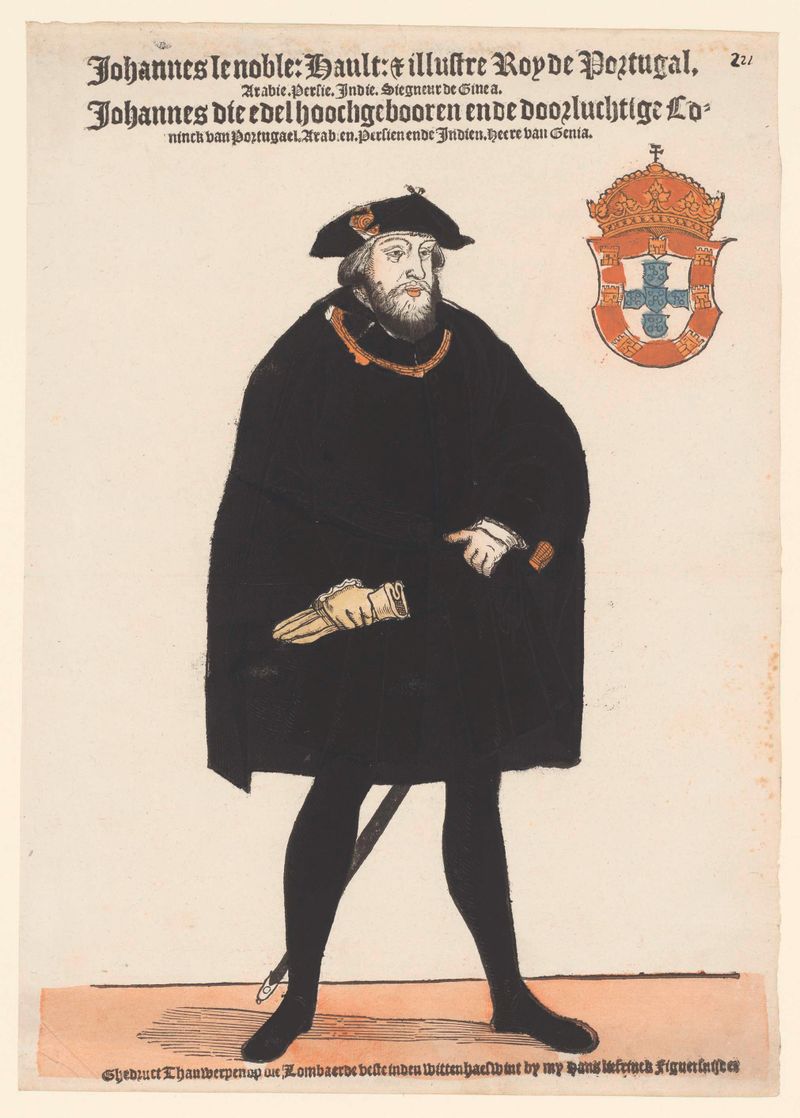
Portret van Johannes III van Portugal
Hans Liefrinck (I)
More Portrait Art
Browse all →
Las meninas
Diego Velázquez

Self-portrait with a Bandaged Ear and Pipe
Unidentified artist

Girl with a Pearl Earring
Johannes Vermeer

The Sampling Officials of the Amsterdam Drapers’ Guild, Known as ‘The Syndics’
Rembrandt van Rijn

The Hundred Guilder Print: the man seen on the back in the lower left corner
Rembrandt van Rijn

Portrait of Dr Gachet
Vincent van Gogh