
Portret van Maria Tudor, koningin van Engeland — History & Facts
Who listens when art speaks of silence? A portrait can echo with the weight of mortality, whispering a royal presence that lingers in the air long after the viewer has left. Look closely at the serene expression of the queen, whose gaze meets ours with a calm yet compelling intensity. Notice how the deep shadows contrast with the delicate highlights on her face, creating an interplay of light that brings her features to life. The rich, dark fabric of her dress envelops her like an aura, while intricate lace reveals the care in its making, suggesting both elegance and vulnerability.
The meticulous details in Hollar's engraving draw the eye to her hands, poised gracefully yet gripping the edges of her attire, hinting at both power and the fragility beneath her royal exterior. As you absorb the image, consider the interplay of authority and isolation. The queen's solitary stance speaks to the burden of leadership, while her soft expression captures the weight of her mortality, a reminder that even those in power are not immune to the passage of time. The subtle tension between her regal posture and the underlying loneliness invites contemplation about her reign and the personal sacrifices that accompany such a title. In 1647, Wenceslaus Hollar was at a crucial juncture in his career in England, having fled the turmoil of the Thirty Years' War.
This was a period when English art was beginning to embrace new styles and subjects, with an increasing focus on portraiture. Hollar's technical precision in creating Portret van Maria Tudor reflects his experience and the shifting dynamics of a society at once captivated by power and aware of its inevitable decline.
More Artworks by Wenceslaus Hollar
Browse all →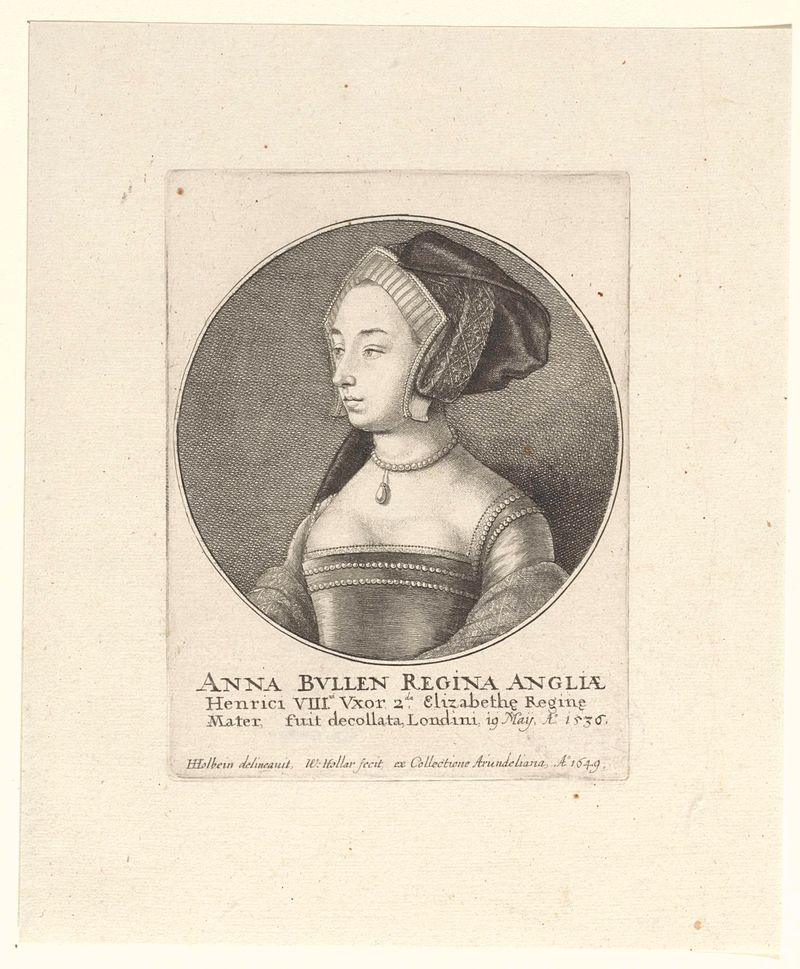
Portret van Anna Boleyn, koningin van Engeland
Wenceslaus Hollar
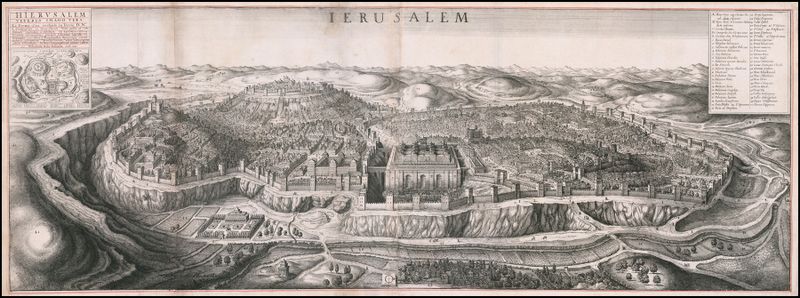
Bird’s eye view of Jerusalem
Wenceslaus Hollar
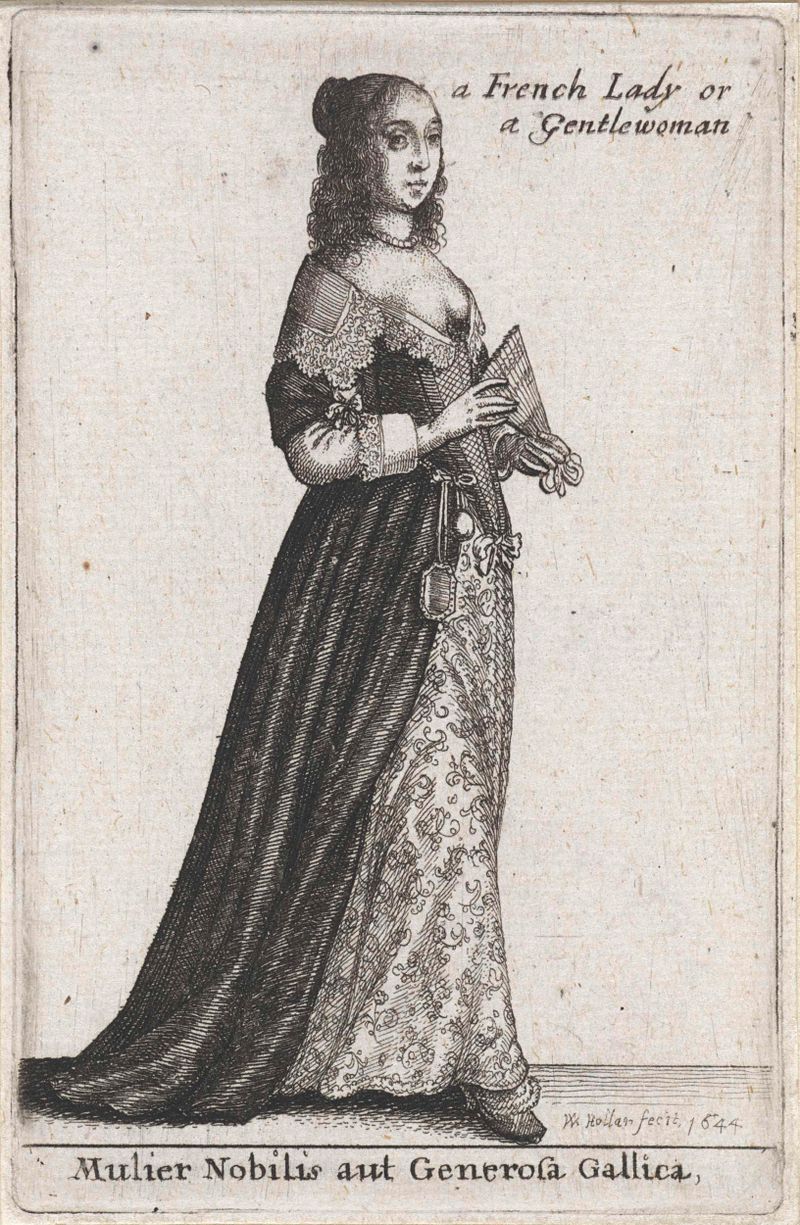
Mulier Nobilis aut Generosa Gallica / a French Lady or Gentlewoman
Wenceslaus Hollar
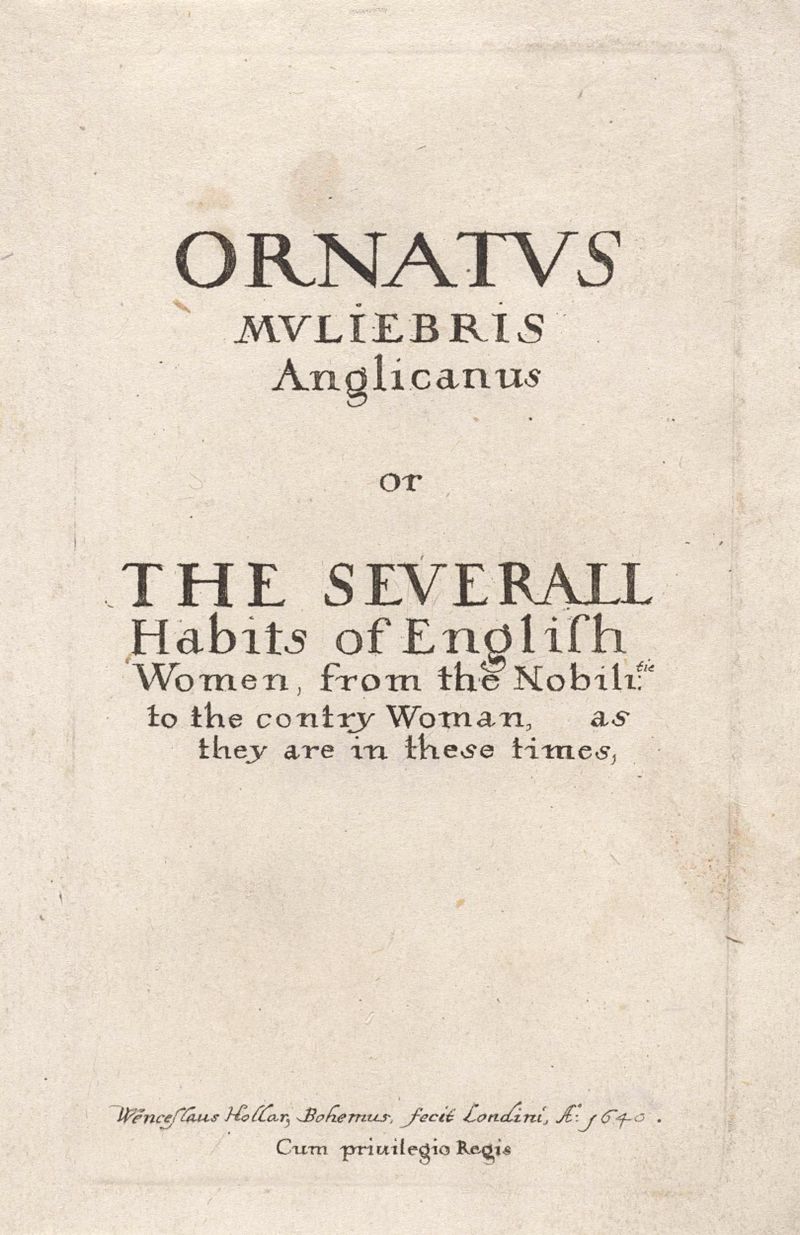
Titelprent voor: Ornatus Muliebris Anglicanus
Wenceslaus Hollar
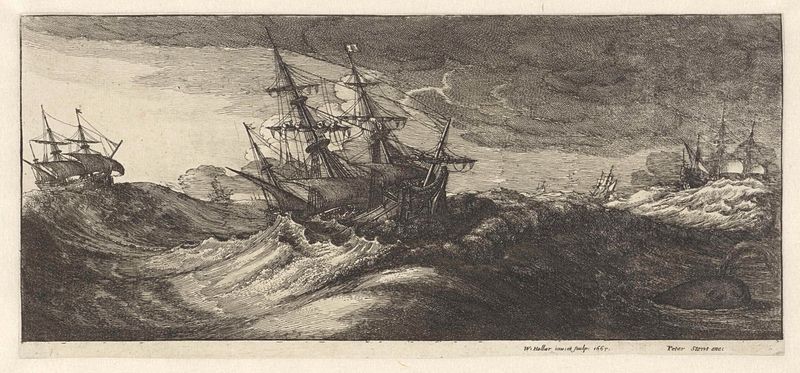
Oorlogsschepen en een walvis in een zeestorm
Wenceslaus Hollar
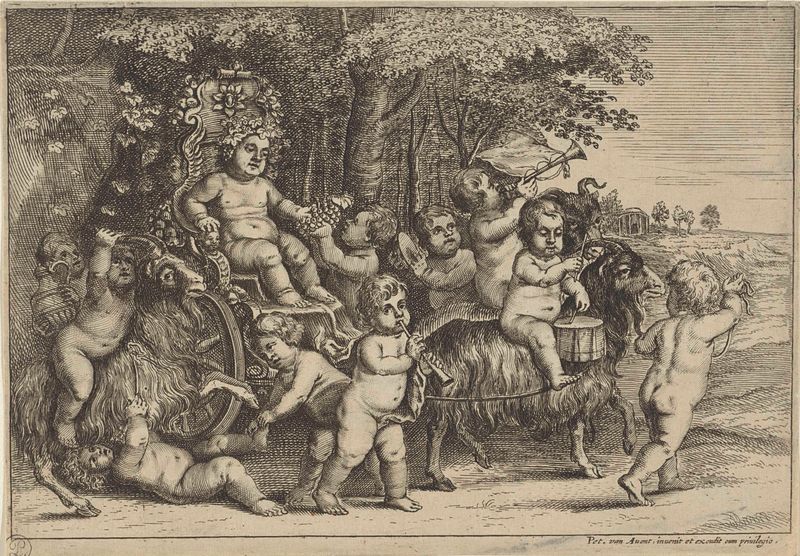
Optocht van bacchant en jongetjes op geiten
Wenceslaus Hollar
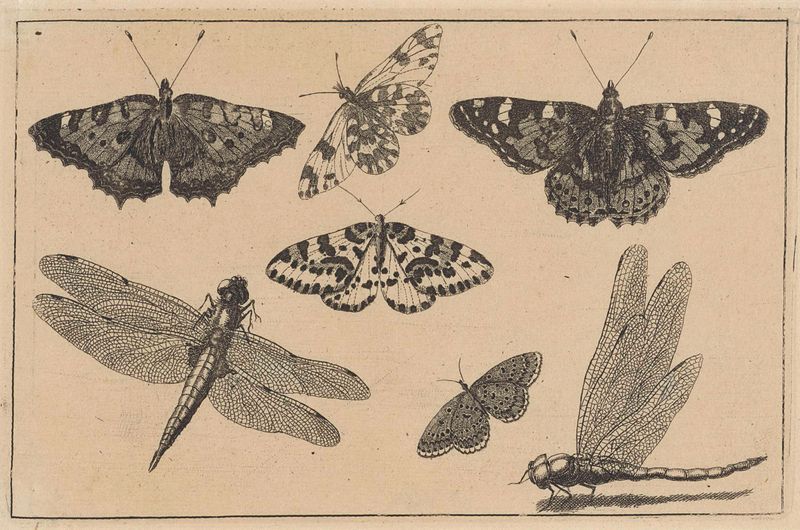
Twee libellen en vijf vlinders
Wenceslaus Hollar
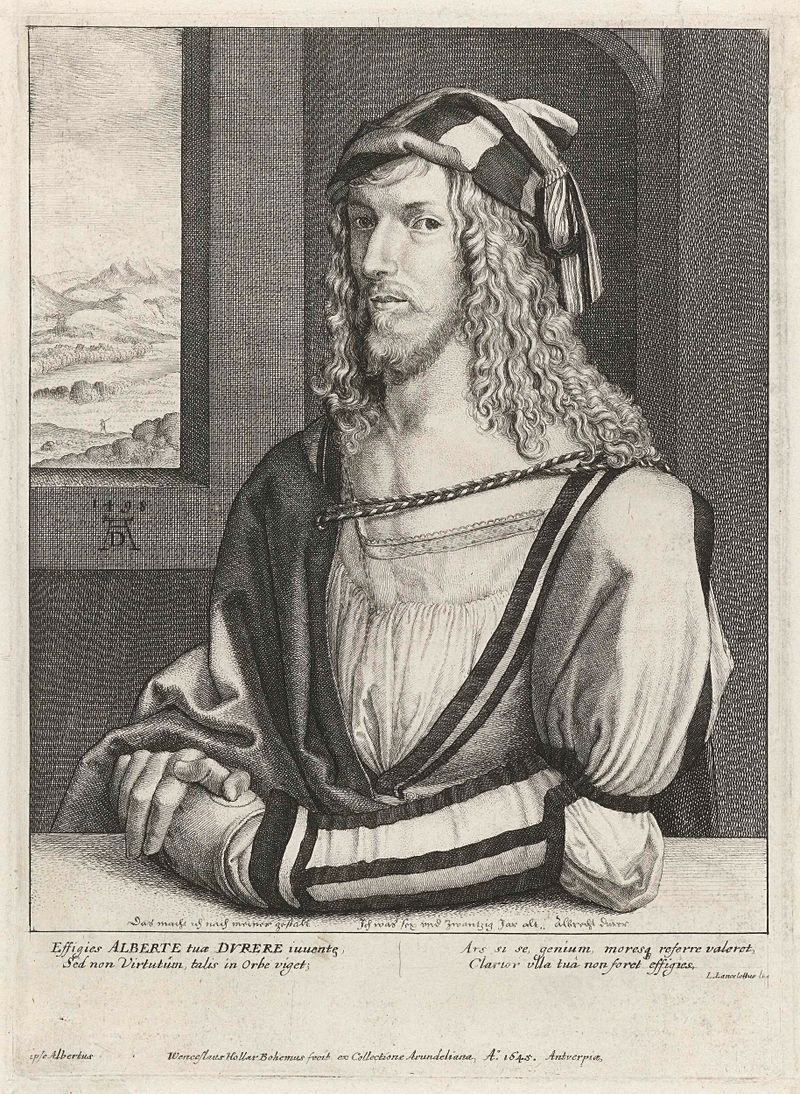
Portret van Albrecht Dürer
Wenceslaus Hollar
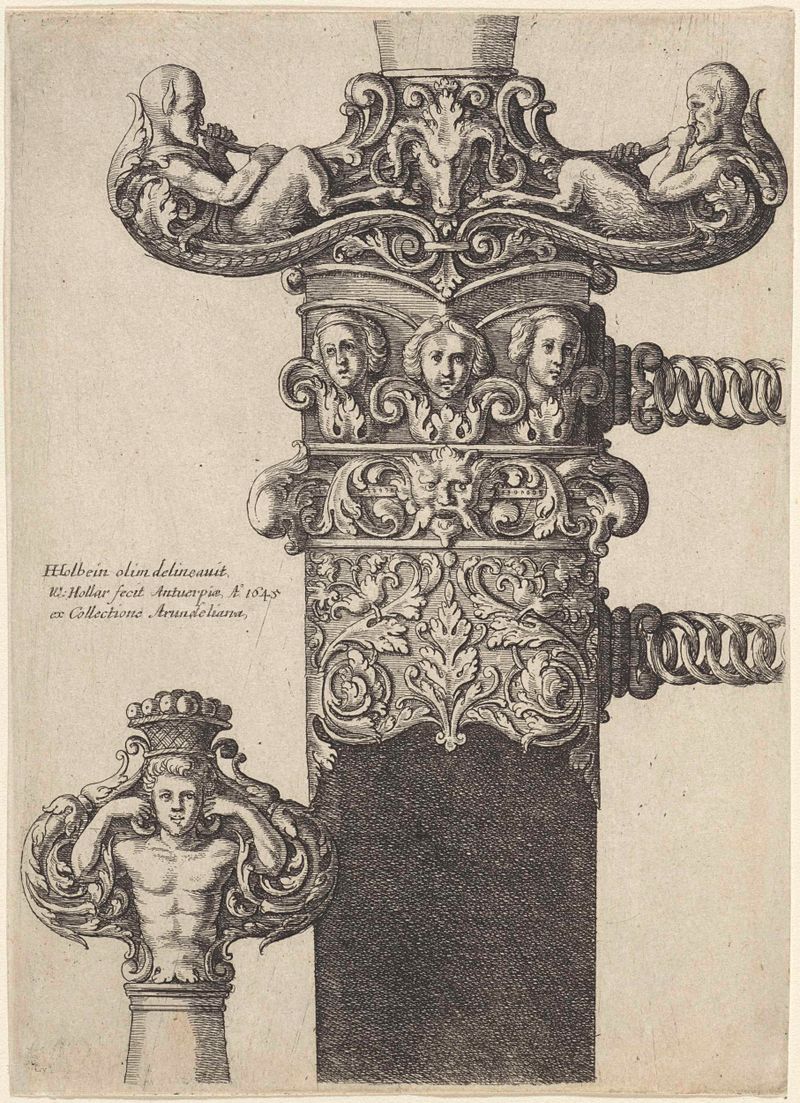
Ornamenteel ontwerp voor een dolk
Wenceslaus Hollar
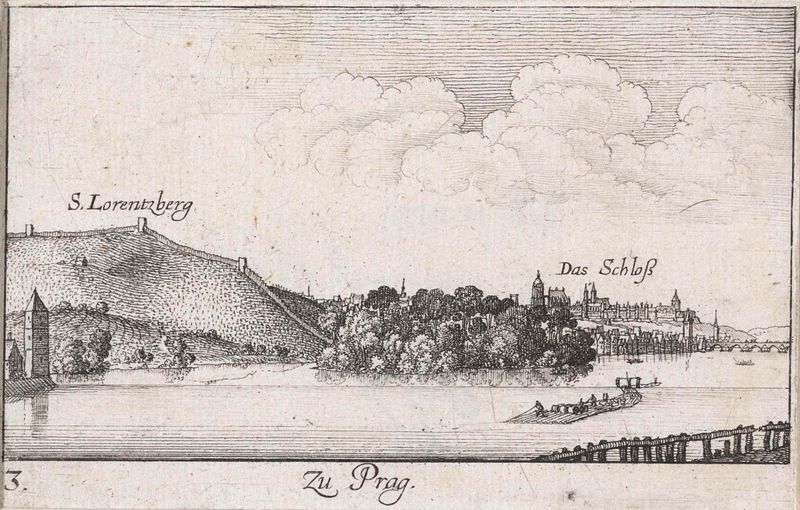
Gezicht op Praag vanaf de Moldau
Wenceslaus Hollar
More Portrait Art
Browse all →
Las meninas
Diego Velázquez

Self-portrait with a Bandaged Ear and Pipe
Unidentified artist

Girl with a Pearl Earring
Johannes Vermeer

The Sampling Officials of the Amsterdam Drapers’ Guild, Known as ‘The Syndics’
Rembrandt van Rijn

The Hundred Guilder Print: the man seen on the back in the lower left corner
Rembrandt van Rijn

Portrait of Dr Gachet
Vincent van Gogh