
Portret van Mary Watton — History & Facts
When did color learn to lie? This question lingers in the air as we ponder the layers of representation in art. Hollar's work invites us to examine the truths and deceptions woven into the fabric of his subject's portrayal. Look to the left at Mary Watton's gaze, a mixture of serenity and intrigue that anchors the composition. Her delicate features are illuminated by soft light that bathes her fair skin, creating a luminous contrast against the deep, rich background.
Notice how the precision of Hollar's linework captures the subtle textures of her clothing, every fold a testament to his meticulous technique. The muted palette, with its earthy tones, further amplifies her presence, drawing the eye to her thoughtful expression and poised demeanor. Delve deeper into the intricate details; the slight tilt of her head suggests an internal dialogue, evoking a sense of intimacy and vulnerability. The faintest hint of a smile plays on her lips, hinting at untold stories and emotional depth.
Each brushstroke holds the tension between the personal and the universal, encapsulating the duality of human experience—presence intertwined with isolation, beauty tinged with the fragility of life. Wenceslaus Hollar created this portrait in 1647 during his time in England, where he had established himself as a prominent printmaker and draftsman. At this point in his career, he was exploring portraiture while navigating the complexities of exile due to political turmoil in his native Bohemia. This work reflects the evolving trends in portraiture of the time, capturing not only the likeness of his subject but also the intricate layers of society and identity within the realm of art.
More Artworks by Wenceslaus Hollar
Browse all →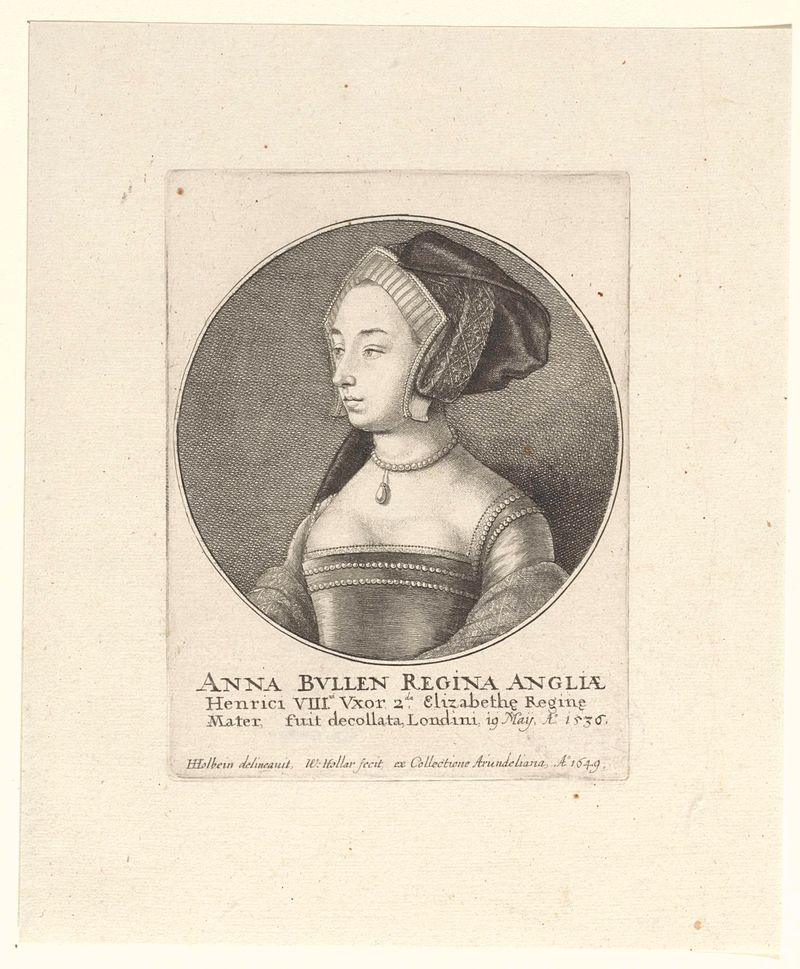
Portret van Anna Boleyn, koningin van Engeland
Wenceslaus Hollar
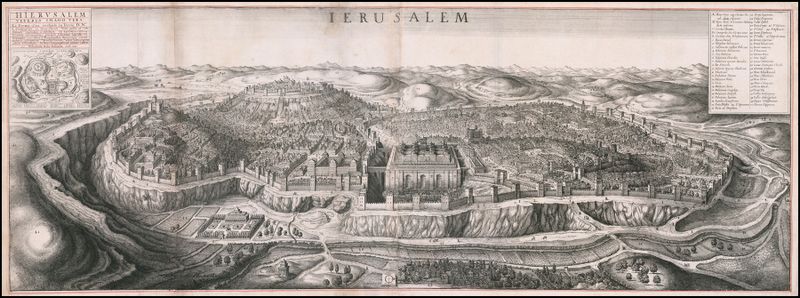
Bird’s eye view of Jerusalem
Wenceslaus Hollar
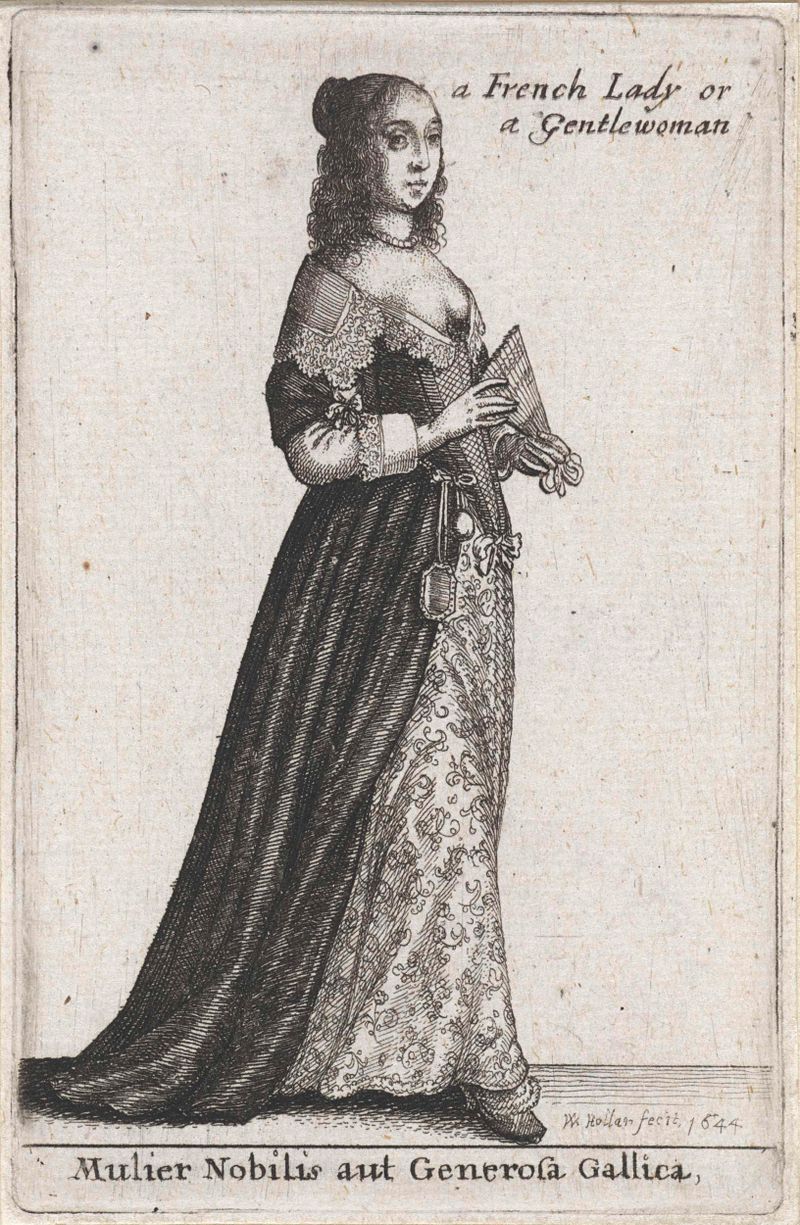
Mulier Nobilis aut Generosa Gallica / a French Lady or Gentlewoman
Wenceslaus Hollar
Titelprent voor: Ornatus Muliebris Anglicanus
Wenceslaus Hollar
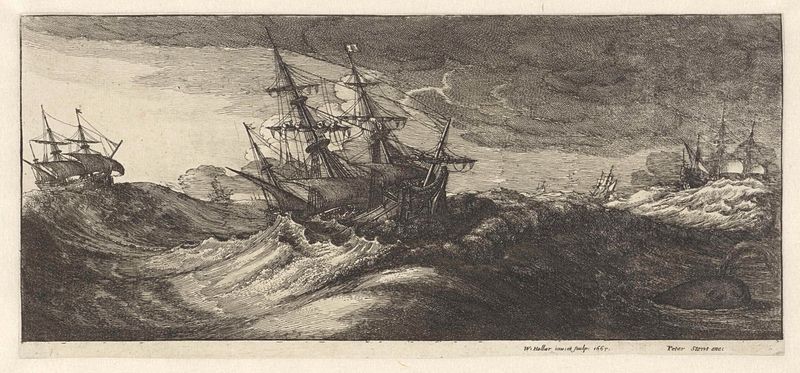
Oorlogsschepen en een walvis in een zeestorm
Wenceslaus Hollar
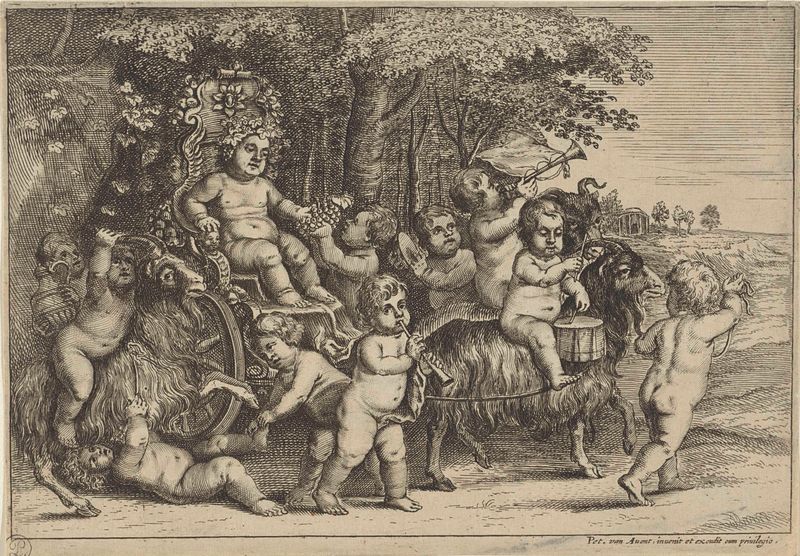
Optocht van bacchant en jongetjes op geiten
Wenceslaus Hollar
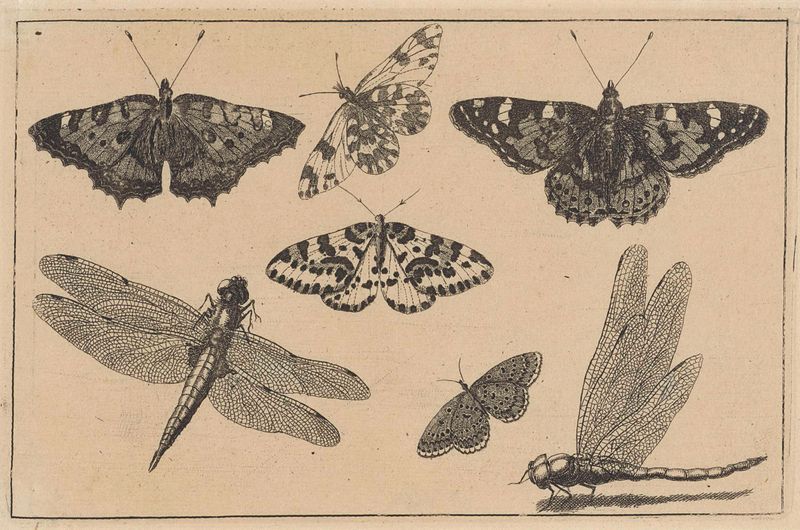
Twee libellen en vijf vlinders
Wenceslaus Hollar
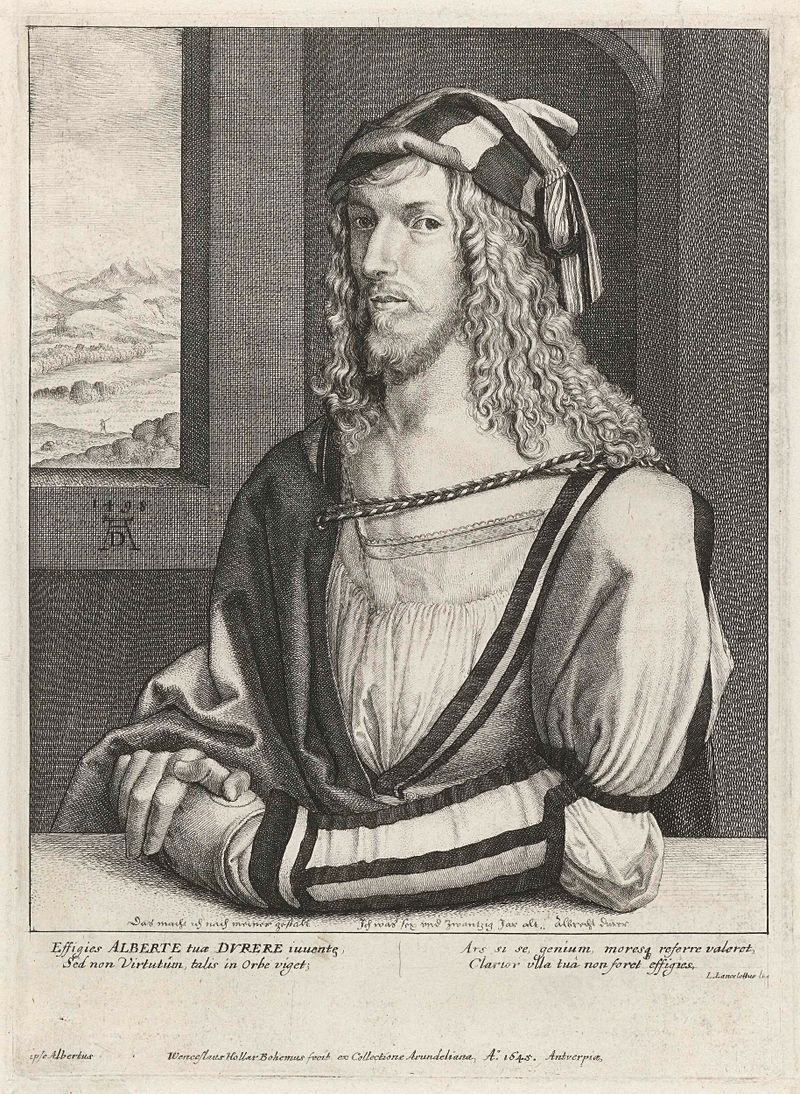
Portret van Albrecht Dürer
Wenceslaus Hollar
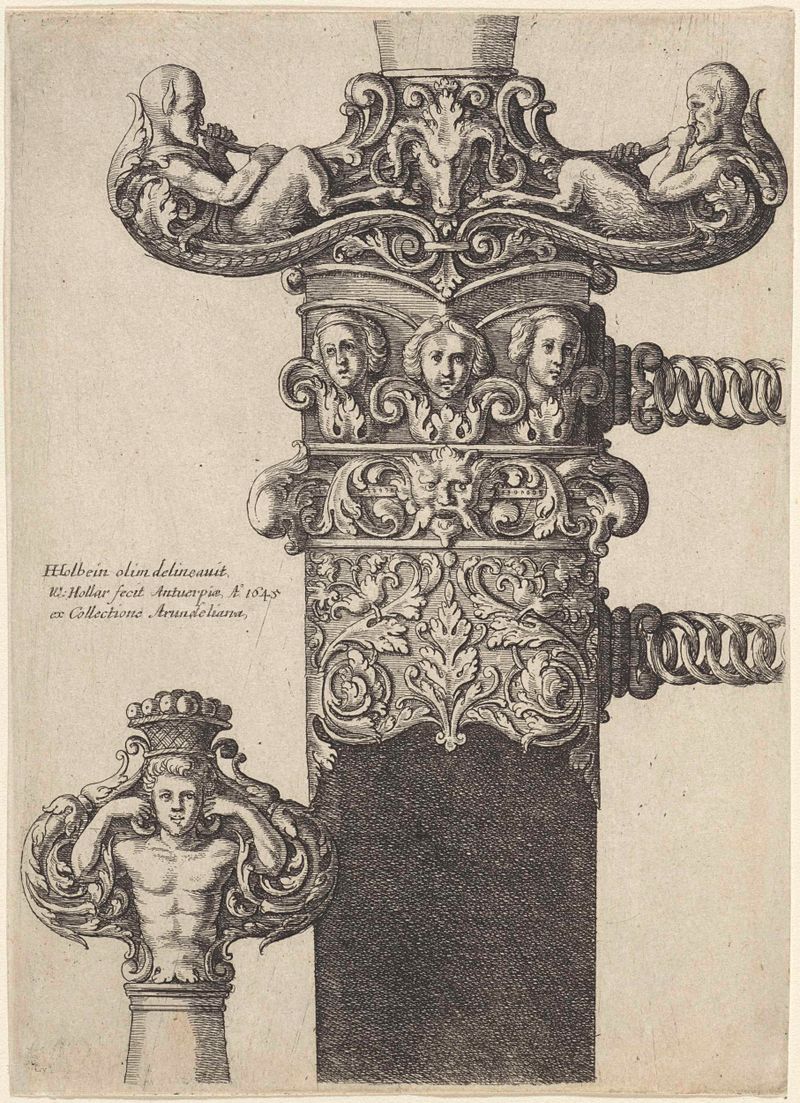
Ornamenteel ontwerp voor een dolk
Wenceslaus Hollar
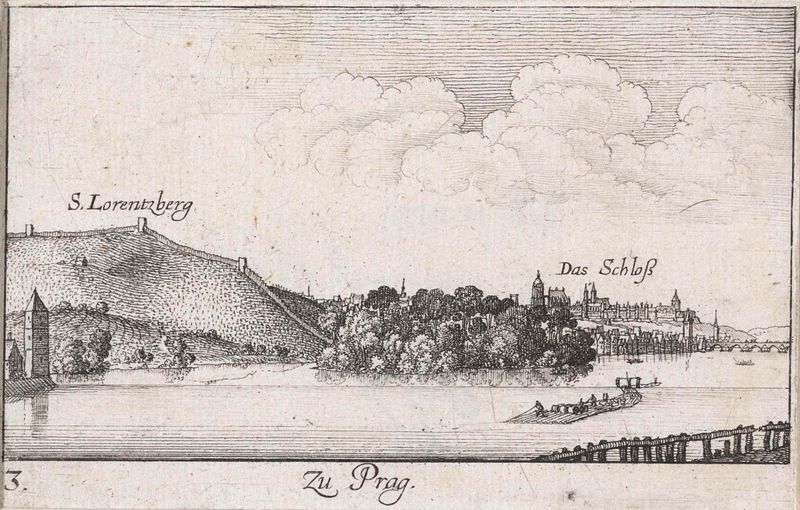
Gezicht op Praag vanaf de Moldau
Wenceslaus Hollar
More Portrait Art
Browse all →
Las meninas
Diego Velázquez

Self-portrait with a Bandaged Ear and Pipe
Unidentified artist

Girl with a Pearl Earring
Johannes Vermeer

The Sampling Officials of the Amsterdam Drapers’ Guild, Known as ‘The Syndics’
Rembrandt van Rijn

The Hundred Guilder Print: the man seen on the back in the lower left corner
Rembrandt van Rijn

Portrait of Dr Gachet
Vincent van Gogh