
Portret van René de Châlon te paard — History & Facts
Can paint confess what words never could? In Portret van René de Châlon te paard, the canvas becomes a silent witness to a madness that lies beneath the surface of regal poise. Look to the left at the majestic figure of René de Châlon, poised confidently atop his steed. His richly adorned armor catches the light, accentuating intricate details that speak of nobility and valor. The horse, strong and powerful, seems almost restless, its muscles taut, creating a dynamic contrast against the stillness of de Châlon’s expression.
Dark, muted tones frame the background, which subtly highlights the figure’s luminous presence, a reflection of his status yet perhaps a hint at the inner turmoil of a man burdened by expectation. Beneath the surface, the artist infuses the painting with tension; the tightening grip on the reins suggests a struggle for control, mirroring internal conflicts. The way the horse's ears are sharply angled reveals a creature acutely aware, perhaps sensing the madness lurking in the shadows of its rider's mind. The lace at de Châlon’s collar, delicate yet intricate, juxtaposes the hard armor, hinting at the fragility of identity beneath an imposing exterior.
Each element contributes to a narrative of strength and vulnerability, a duality that resonates deeply with viewers. Hans Liefrinck (I) painted this portrait in 1543, a time when he flourished in the vibrant artistic community of Antwerp. The period saw significant political and personal upheaval, as René de Châlon was embroiled in conflict and intrigue, his life marked by a tragic embrace of authority and expectation. This work was crafted as a testament to his legacy, yet it simultaneously captures the complexities of a man grappling with the madness that often accompanies greatness.
More Artworks by Hans Liefrinck (I)
Browse all →
Portret van Willem van Oranje als jongen te paard
Hans Liefrinck (I)
Portret van Hendrik VIII van Engeland
Hans Liefrinck (I)
Portret van Hendrik VIII van Engeland
Hans Liefrinck (I)
Portret van Hendrik VIII van Engeland
Hans Liefrinck (I)
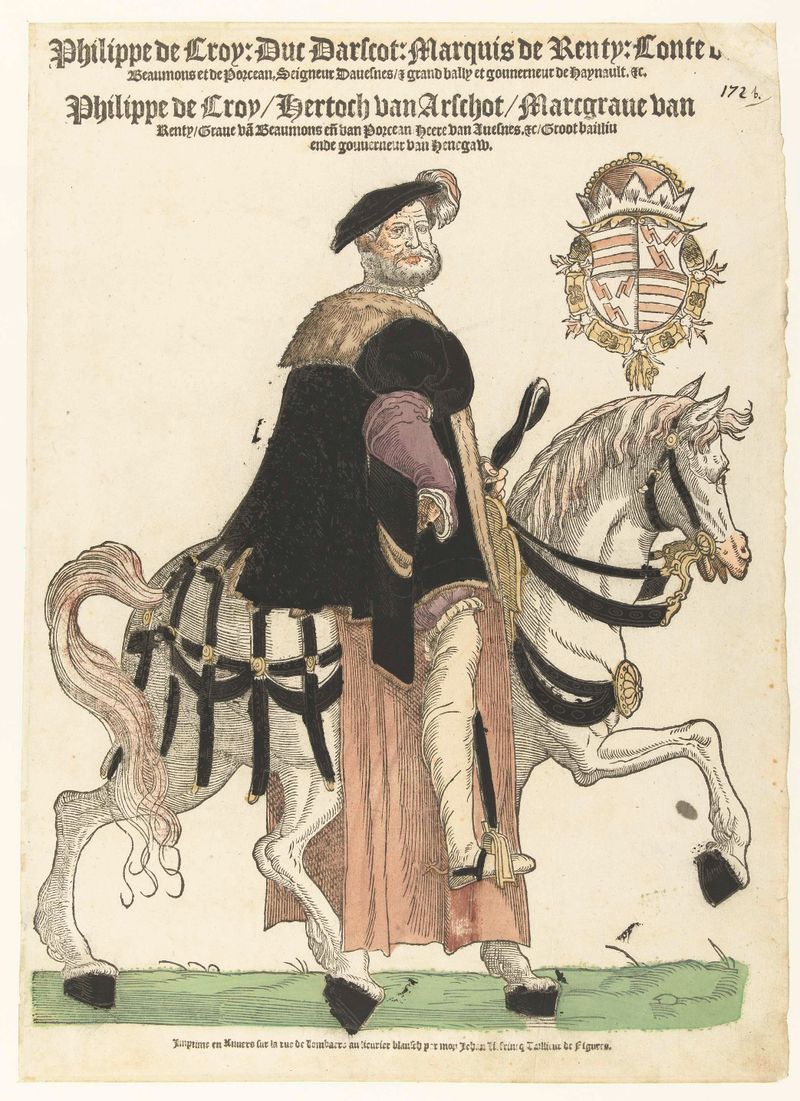
Portret van Filips de Croy te paard
Hans Liefrinck (I)
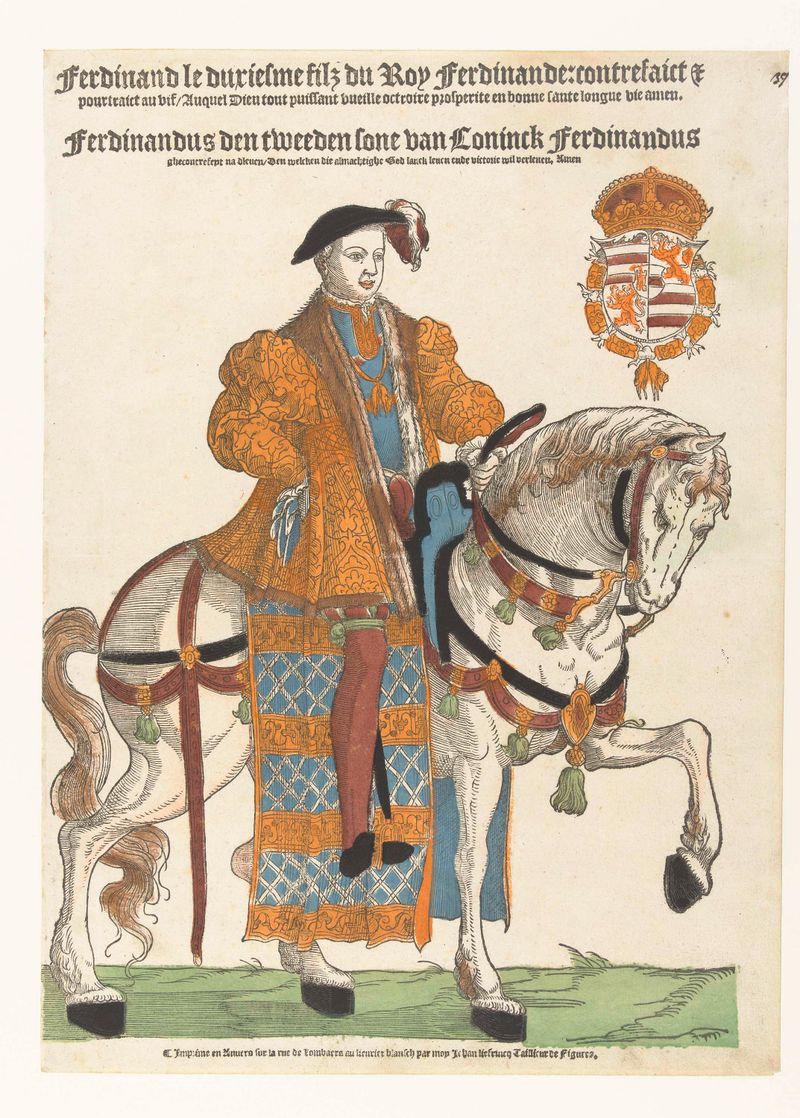
Portret van Ferdinand van Tirol te paard
Hans Liefrinck (I)
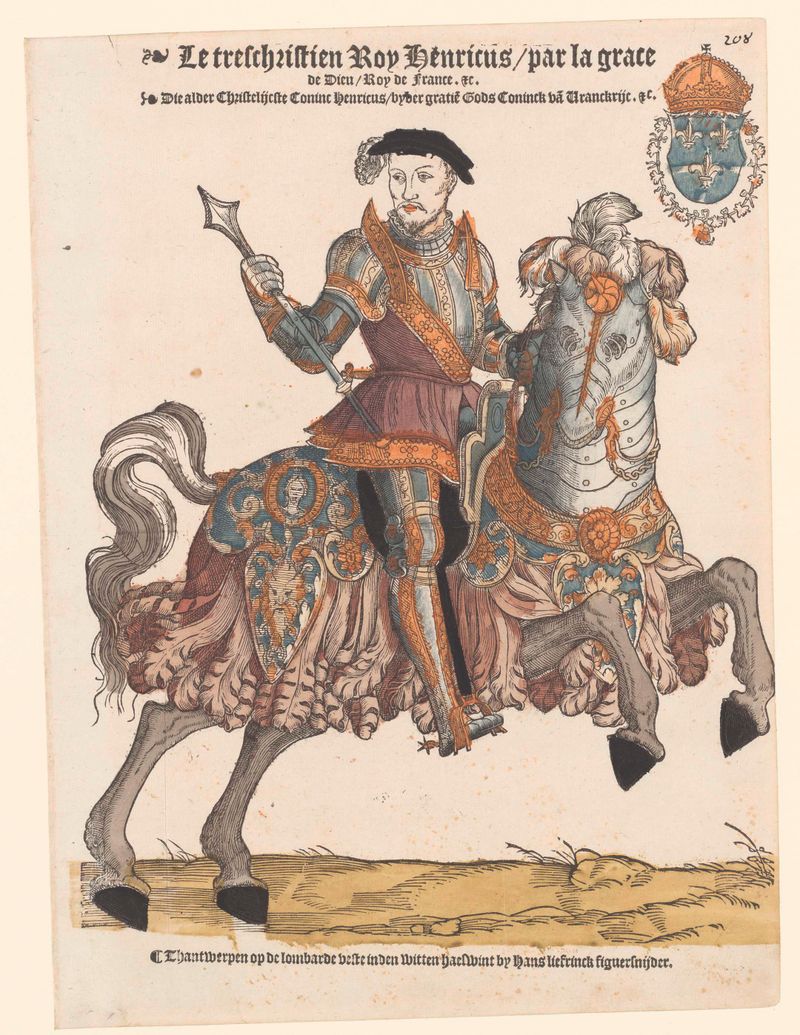
Portret van Hendrik II van Frankrijk in harnas te paard, naar rechts
Hans Liefrinck (I)
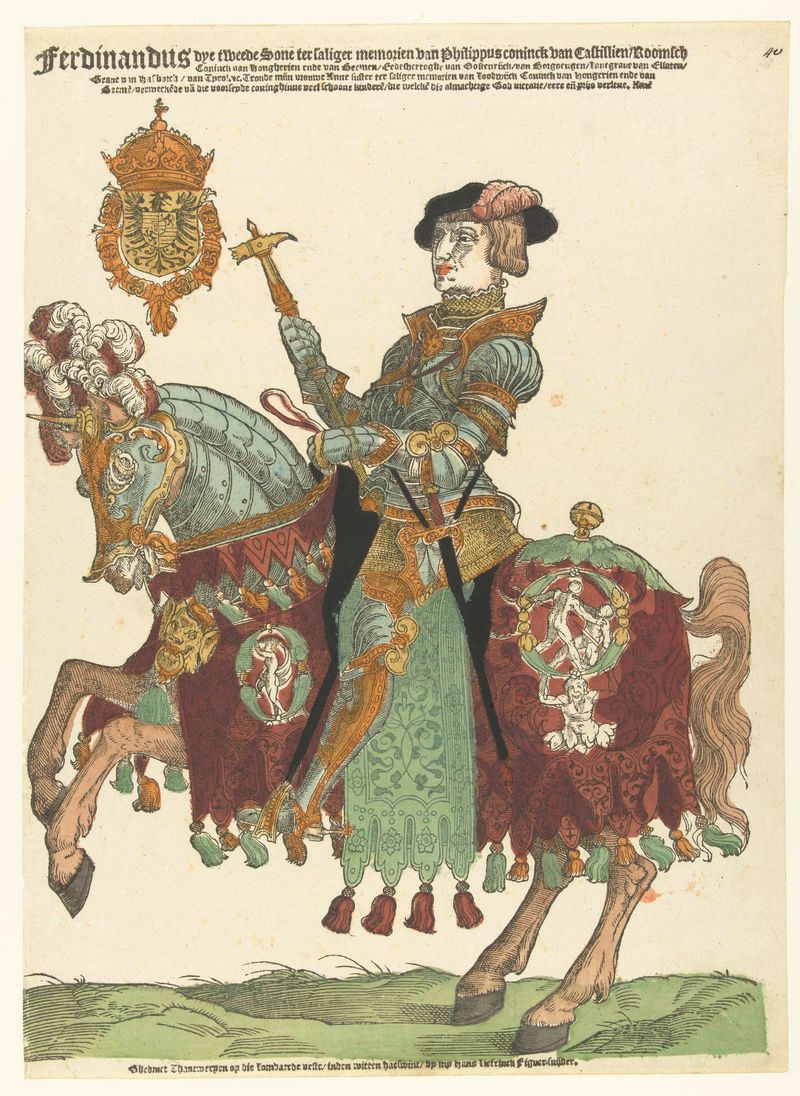
Portret van Ferdinand I van Oostenrijk te paard
Hans Liefrinck (I)
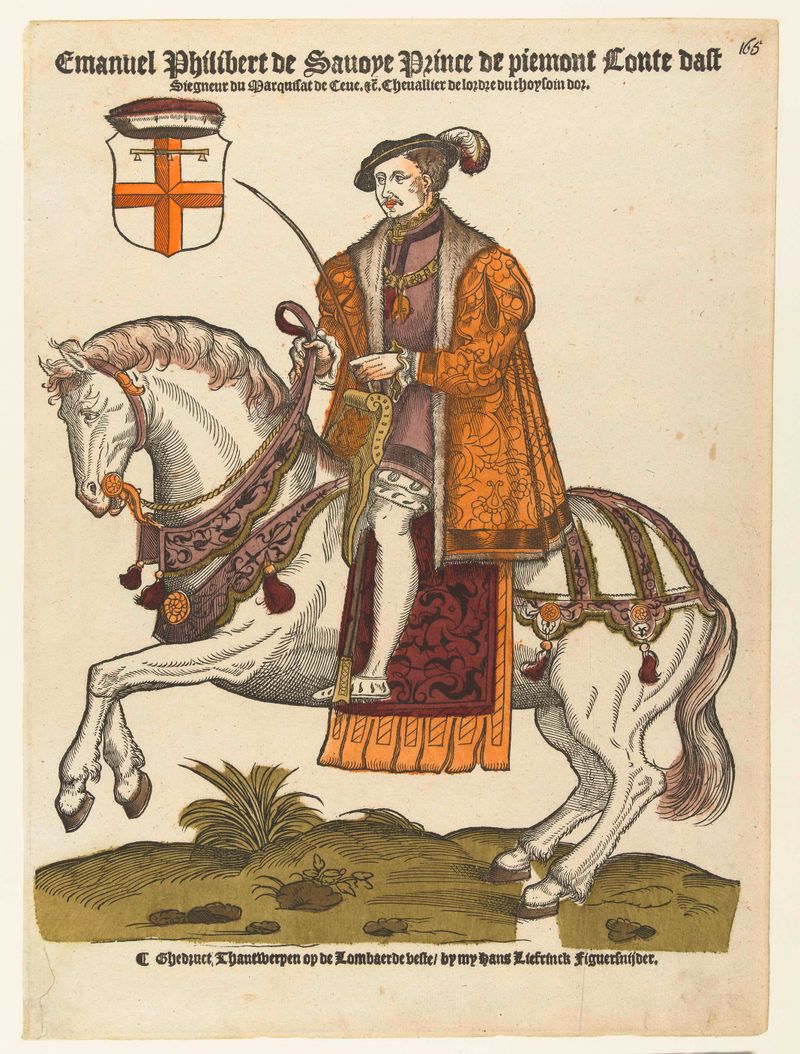
Portret van Emanuel Philibert van Savoye te paard
Hans Liefrinck (I)
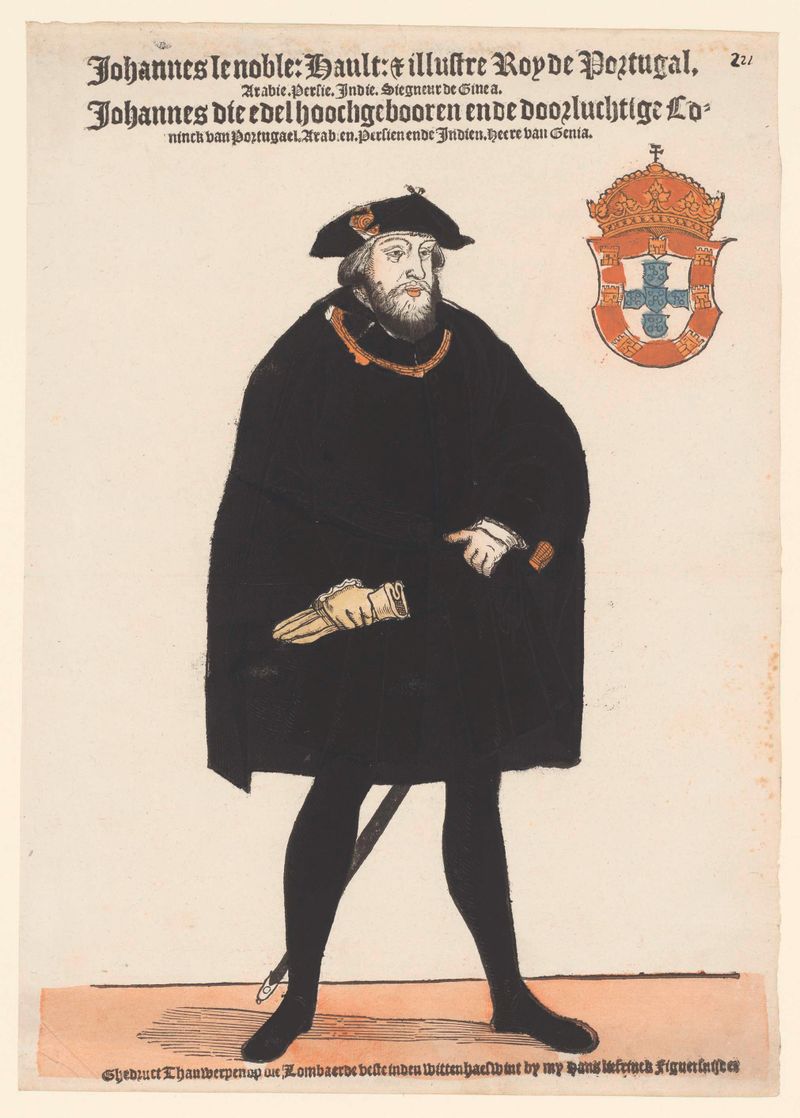
Portret van Johannes III van Portugal
Hans Liefrinck (I)
More Portrait Art
Browse all →
Las meninas
Diego Velázquez

Self-portrait with a Bandaged Ear and Pipe
Unidentified artist

Girl with a Pearl Earring
Johannes Vermeer

The Sampling Officials of the Amsterdam Drapers’ Guild, Known as ‘The Syndics’
Rembrandt van Rijn

The Hundred Guilder Print: the man seen on the back in the lower left corner
Rembrandt van Rijn

Portrait of Dr Gachet
Vincent van Gogh