
Portret van Richard Bernard — History & Facts
What if beauty was never meant to be finished? The essence of balance lies in the delicate interplay between permanence and fleeting moments. Focus your gaze on the intricate lines that define the figure, a rich silhouette against a muted backdrop. The subtle play of light enhances the contours, while fine hatching creates a sense of depth and texture. Notice how the artist’s meticulous technique invites you to explore the nuances of expression on Richard Bernard’s face, revealing layers of character and thoughtfulness.
The restrained palette—earthy tones contrasted with gentle highlights—imbues the portrait with a sense of both warmth and solemnity. As you delve deeper, consider the contrast between the sharp precision of the lines and the soft renderings of his gaze. This harmony between detail and softness suggests a balance between the external and internal worlds, hinting that true beauty resides not in completion but in the contemplation of imperfection. Further, the slight tilt of Bernard’s head may symbolize a moment of introspection, inviting viewers to reflect on their own perceptions of identity and presence. Wenceslaus Hollar painted this portrait in 1641, a time marked by immense transition in the art world, particularly in the realm of printmaking and portraiture.
Working in London after fleeing the upheaval of the Thirty Years' War, Hollar’s approach was influenced by the Baroque style, yet he retained a distinct clarity that set his work apart. This period in his life was characterized by a pursuit of artistic refinement, with an emphasis on capturing the essence of his subjects through a meticulous, almost scientific lens.
More Artworks by Wenceslaus Hollar
Browse all →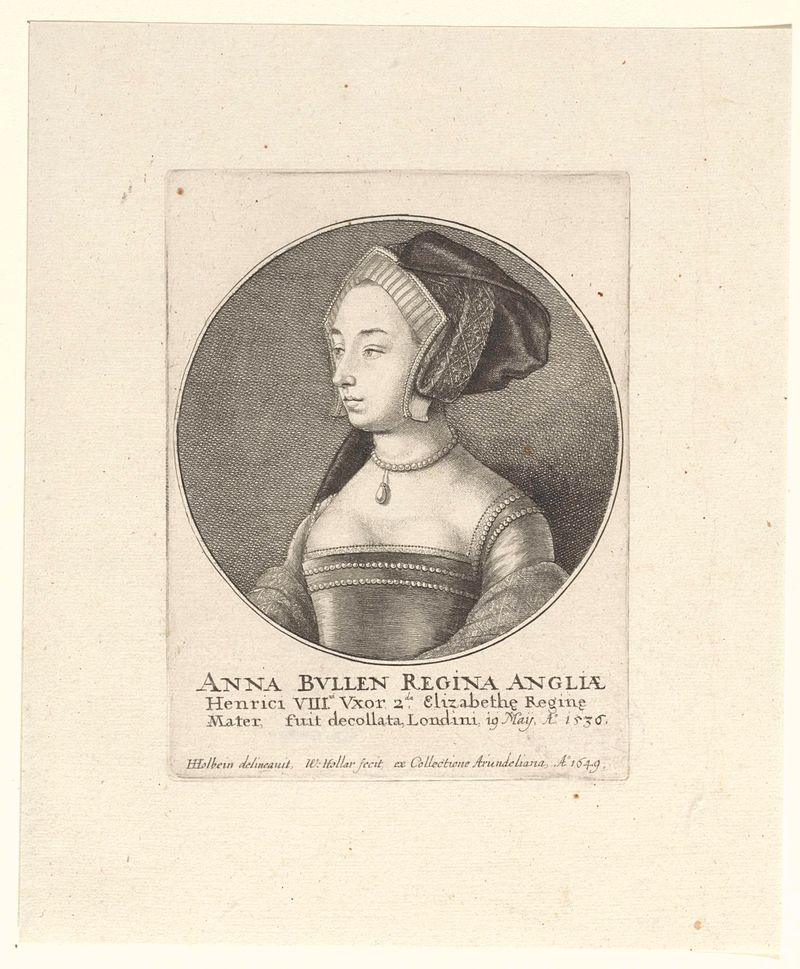
Portret van Anna Boleyn, koningin van Engeland
Wenceslaus Hollar
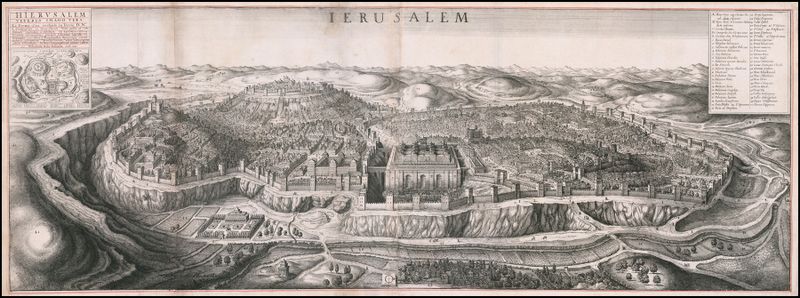
Bird’s eye view of Jerusalem
Wenceslaus Hollar
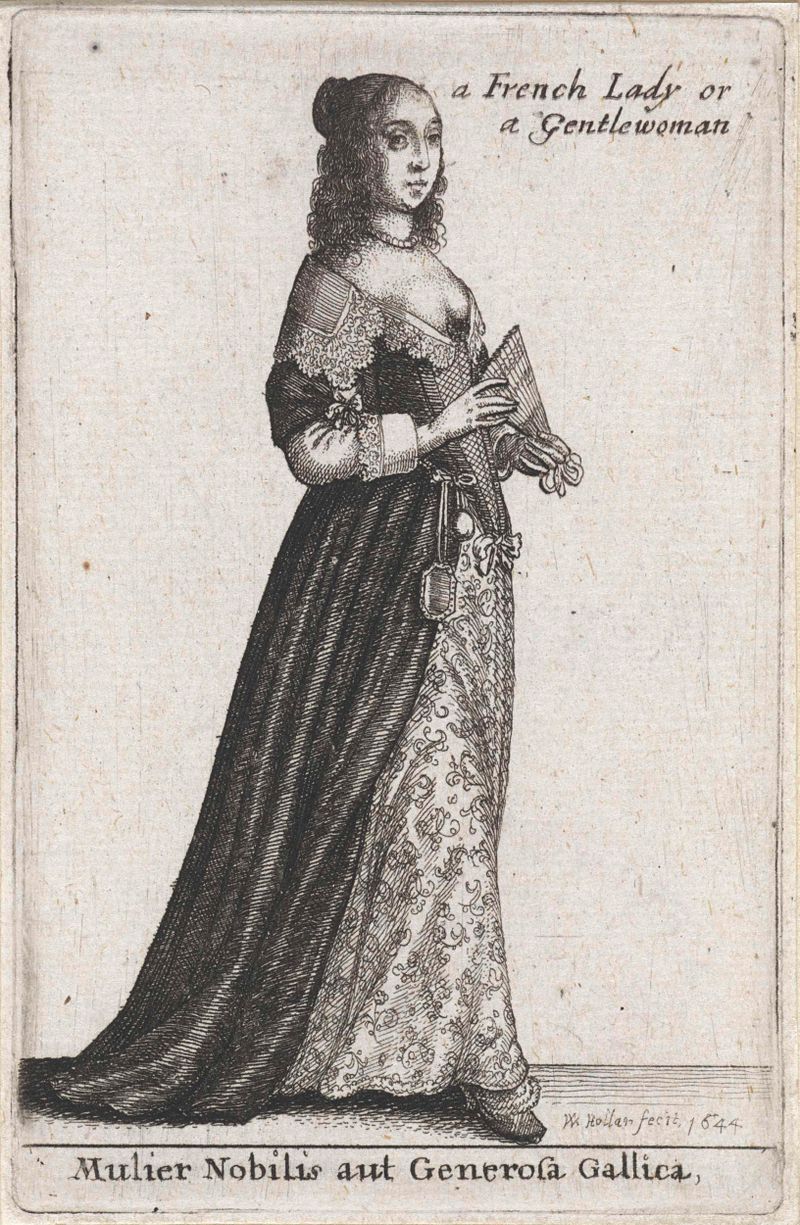
Mulier Nobilis aut Generosa Gallica / a French Lady or Gentlewoman
Wenceslaus Hollar
Titelprent voor: Ornatus Muliebris Anglicanus
Wenceslaus Hollar
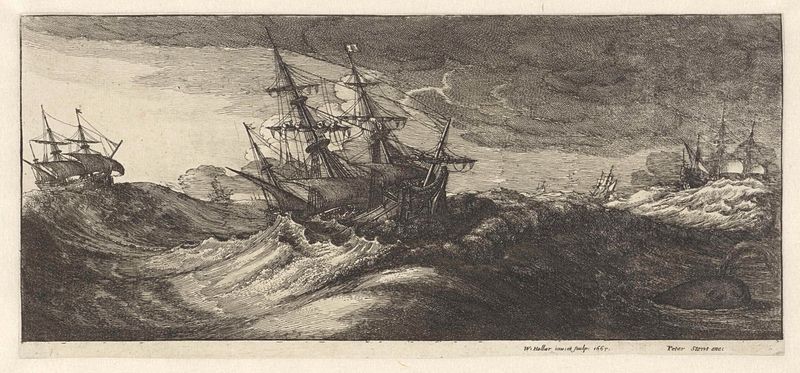
Oorlogsschepen en een walvis in een zeestorm
Wenceslaus Hollar
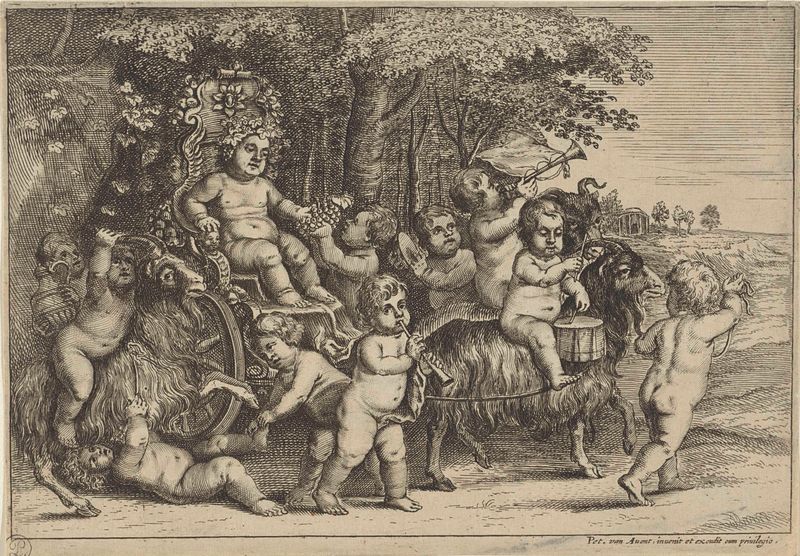
Optocht van bacchant en jongetjes op geiten
Wenceslaus Hollar
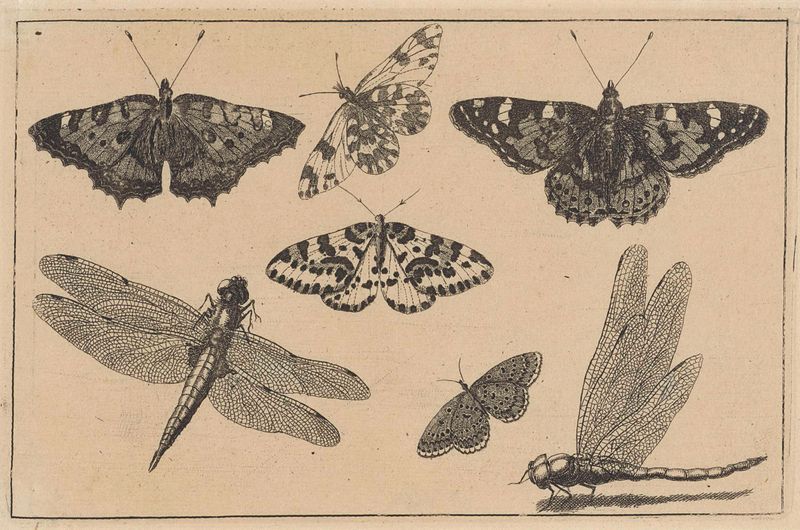
Twee libellen en vijf vlinders
Wenceslaus Hollar
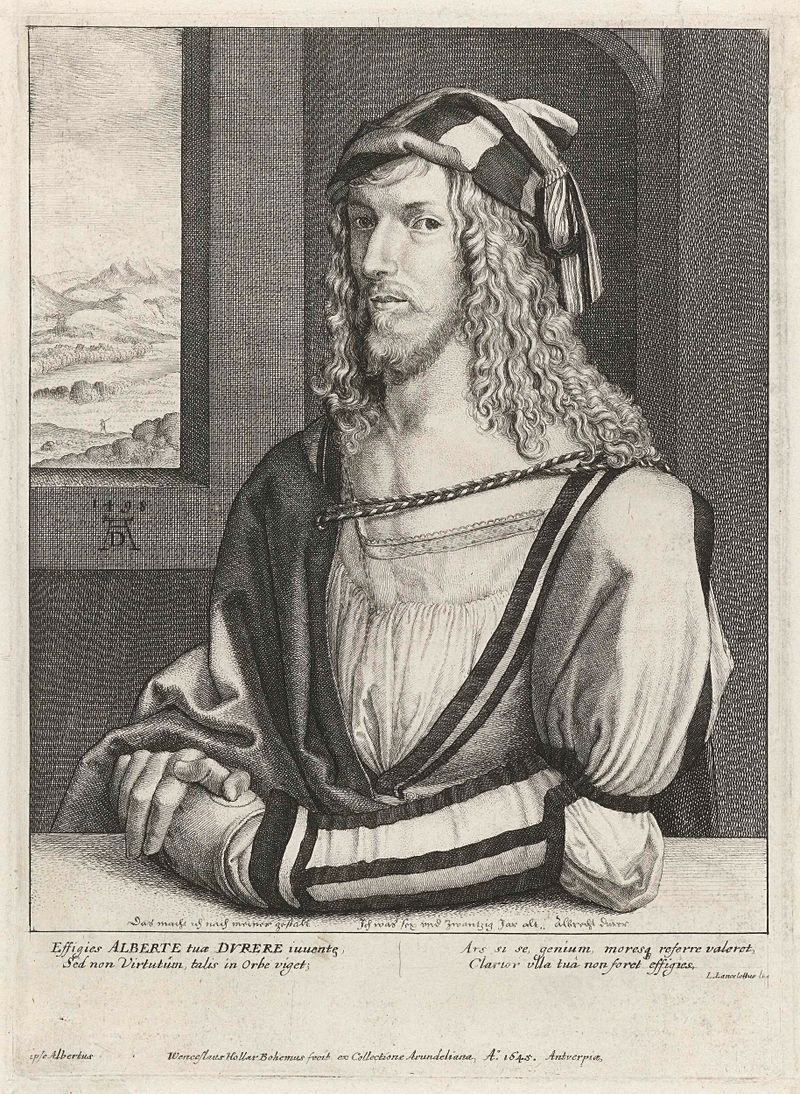
Portret van Albrecht Dürer
Wenceslaus Hollar
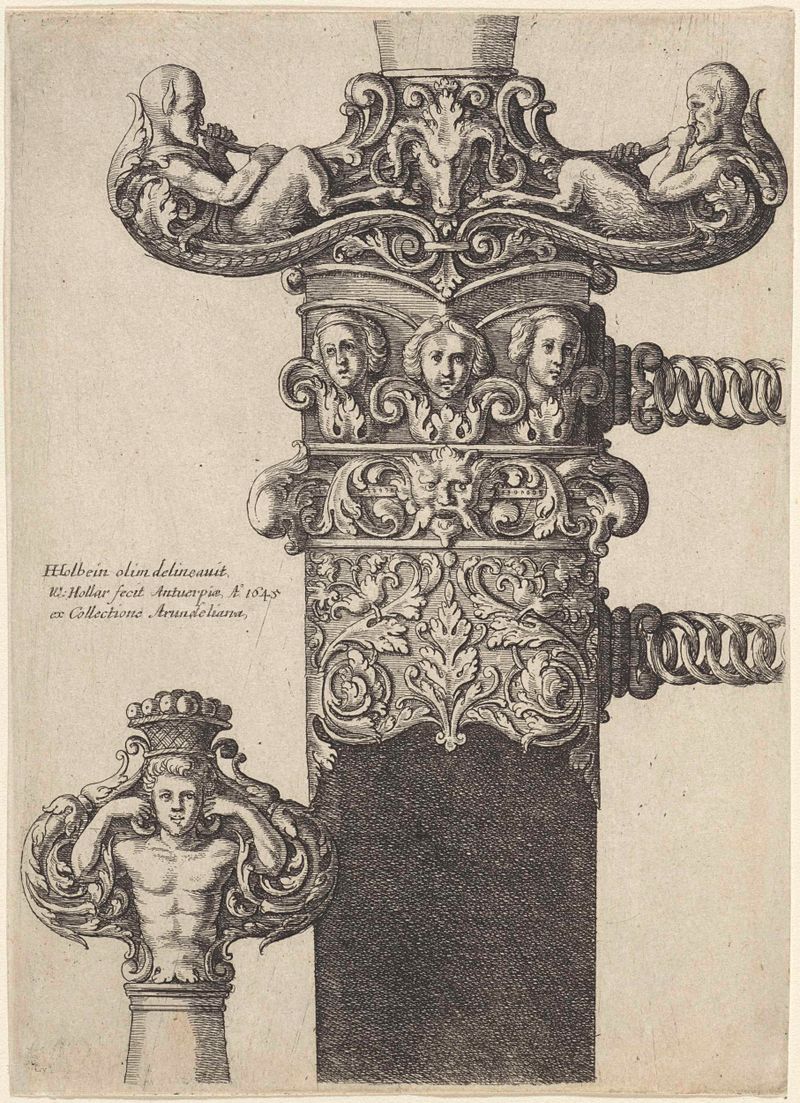
Ornamenteel ontwerp voor een dolk
Wenceslaus Hollar
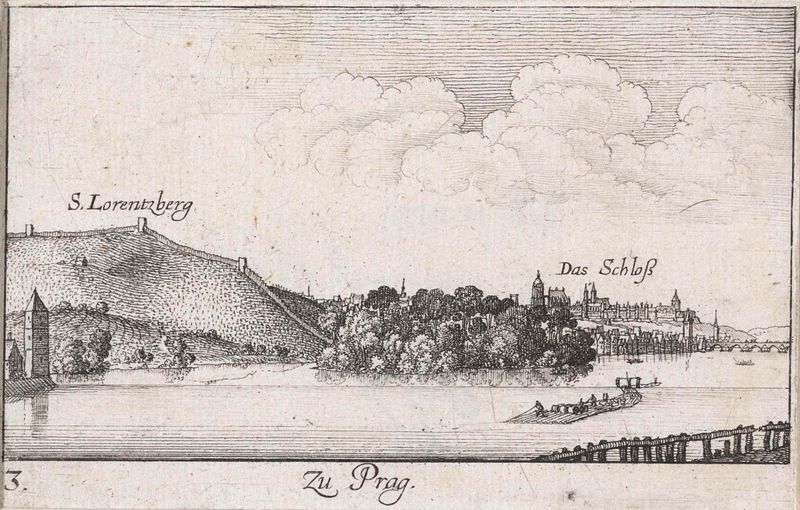
Gezicht op Praag vanaf de Moldau
Wenceslaus Hollar
More Portrait Art
Browse all →
Las meninas
Diego Velázquez

Self-portrait with a Bandaged Ear and Pipe
Unidentified artist

Girl with a Pearl Earring
Johannes Vermeer

The Sampling Officials of the Amsterdam Drapers’ Guild, Known as ‘The Syndics’
Rembrandt van Rijn

The Hundred Guilder Print: the man seen on the back in the lower left corner
Rembrandt van Rijn

Portrait of Dr Gachet
Vincent van Gogh