
Portret van Vincent de Stochove — History & Facts
Could beauty survive in a century of chaos? Portret van Vincent de Stochove captures a fleeting moment, an awakening of the spirit amidst the turbulent backdrop of the 17th century. The viewer is welcomed into an intimate world where elegance and resilience intertwine, breathing life into the canvas even in the face of uncertainty. Look to the right at the finely detailed face of Vincent de Stochove, framed by his meticulously arranged hair and the delicate lace adorning his collar. The soft chiaroscuro illuminates his features, drawing attention to the intensity in his gaze, while gentle brushstrokes create a sense of texture and depth.
The muted color palette of earthy browns and soft whites envelops him, suggesting both refinement and vulnerability, as if he stands at the precipice of his own narrative. This portrait speaks of contrasts: the serene expression against the intricate details of his attire, hinting at social status yet rooted in human complexity. Notice the subtle tension in his posture, an elegant balance between confidence and the unspoken weight of societal expectations. The delicate interplay of light reflects not just physical beauty, but an inner awakening, a reminder that individuality persists even in chaotic times. Wenceslaus Hollar painted this work in 1650, during a period of political and social strife in Europe, marked by the Thirty Years' War.
Hollar, having fled his native Bohemia, found refuge in England, where he contributed to the flourishing art scene. His portrayal of Stochove serves as a poignant reminder of the enduring nature of individual identity amidst the chaos surrounding him, capturing a moment of grace that transcends time.
More Artworks by Wenceslaus Hollar
Browse all →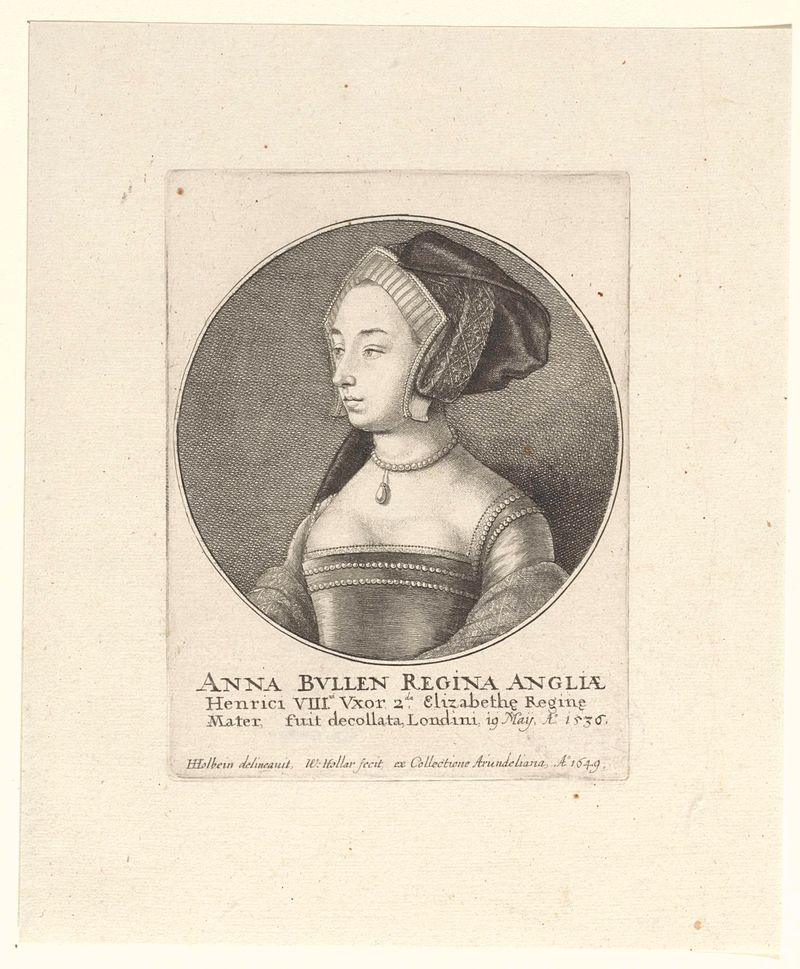
Portret van Anna Boleyn, koningin van Engeland
Wenceslaus Hollar
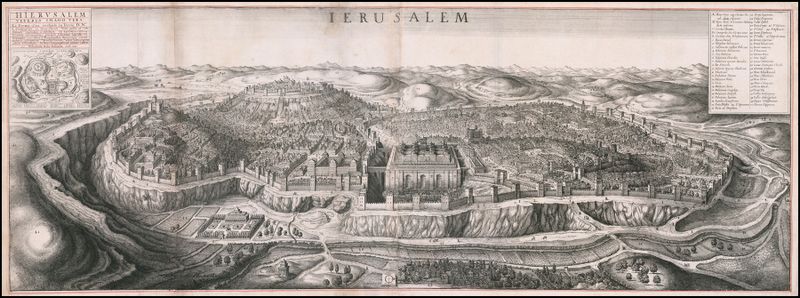
Bird’s eye view of Jerusalem
Wenceslaus Hollar
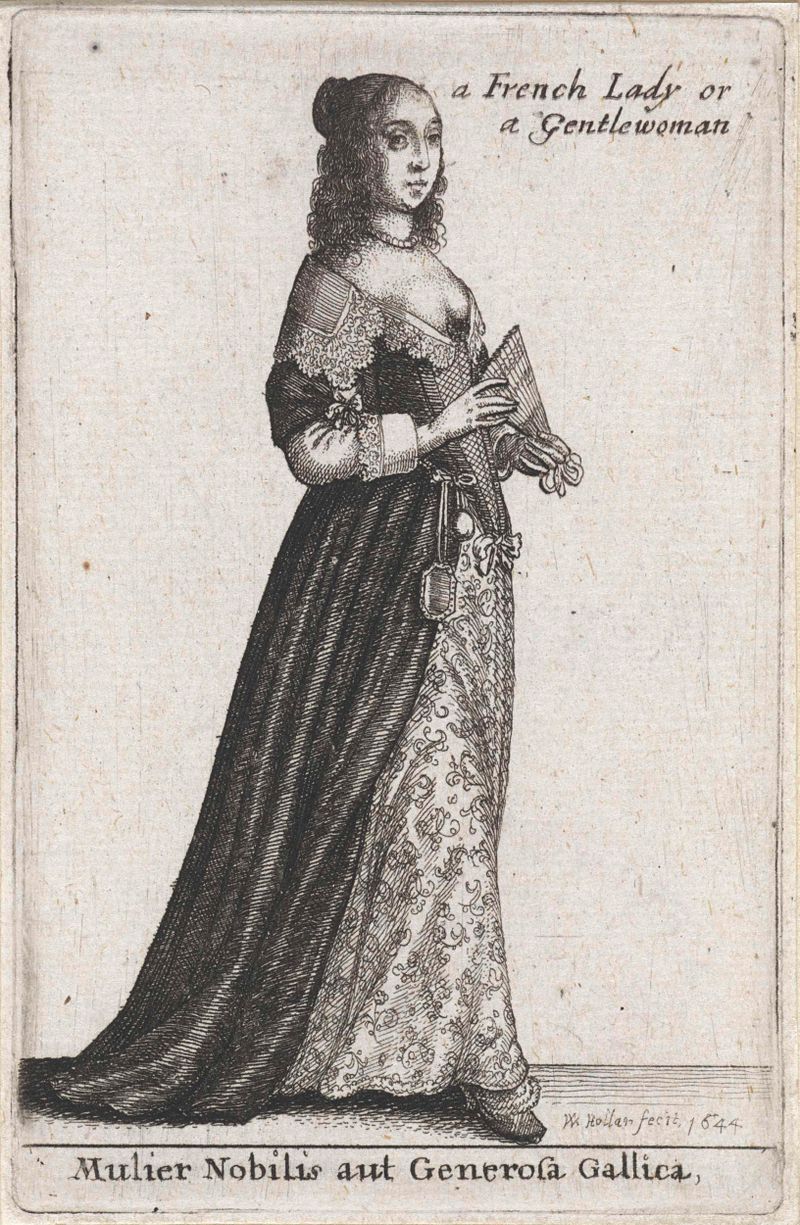
Mulier Nobilis aut Generosa Gallica / a French Lady or Gentlewoman
Wenceslaus Hollar
Titelprent voor: Ornatus Muliebris Anglicanus
Wenceslaus Hollar
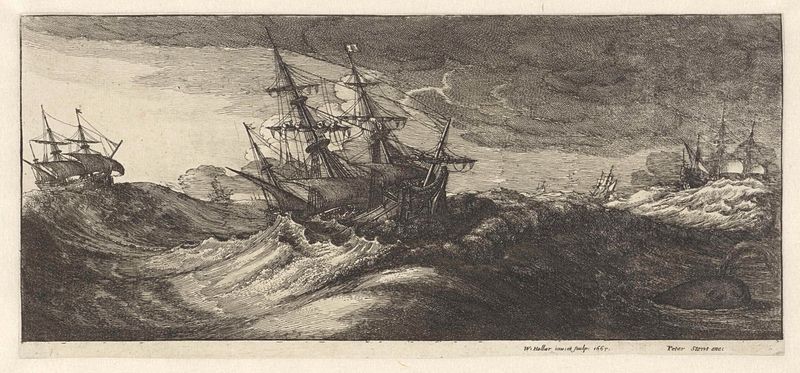
Oorlogsschepen en een walvis in een zeestorm
Wenceslaus Hollar
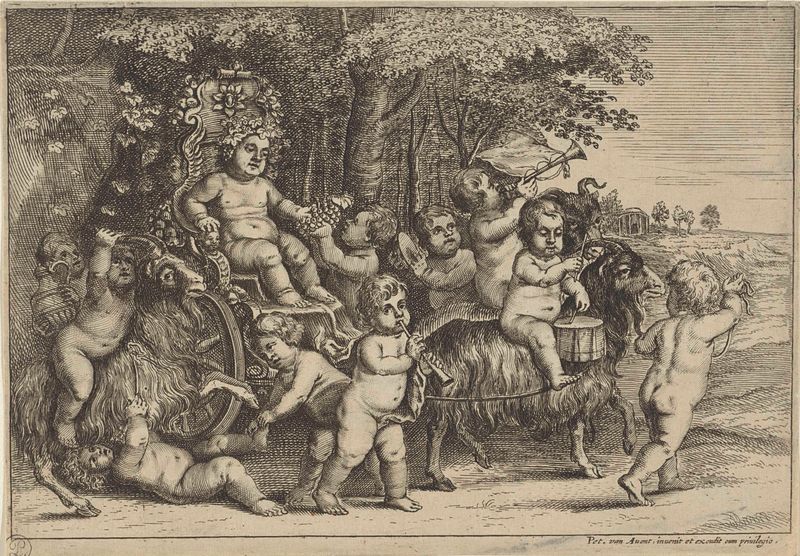
Optocht van bacchant en jongetjes op geiten
Wenceslaus Hollar
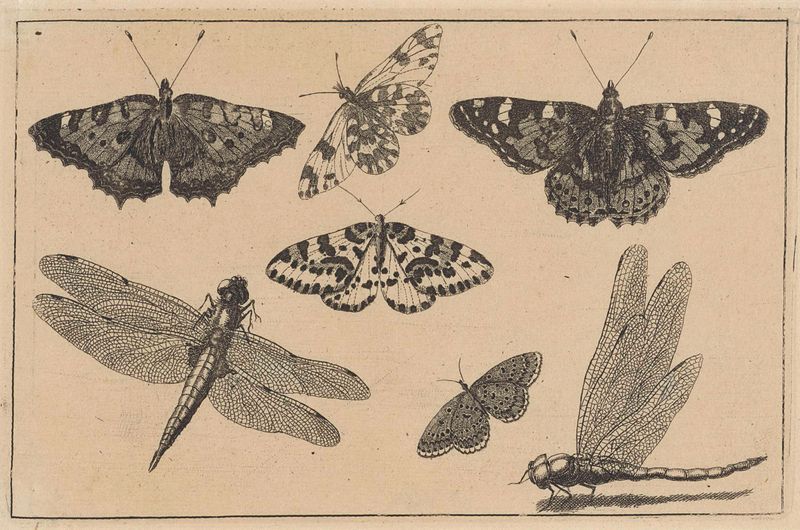
Twee libellen en vijf vlinders
Wenceslaus Hollar
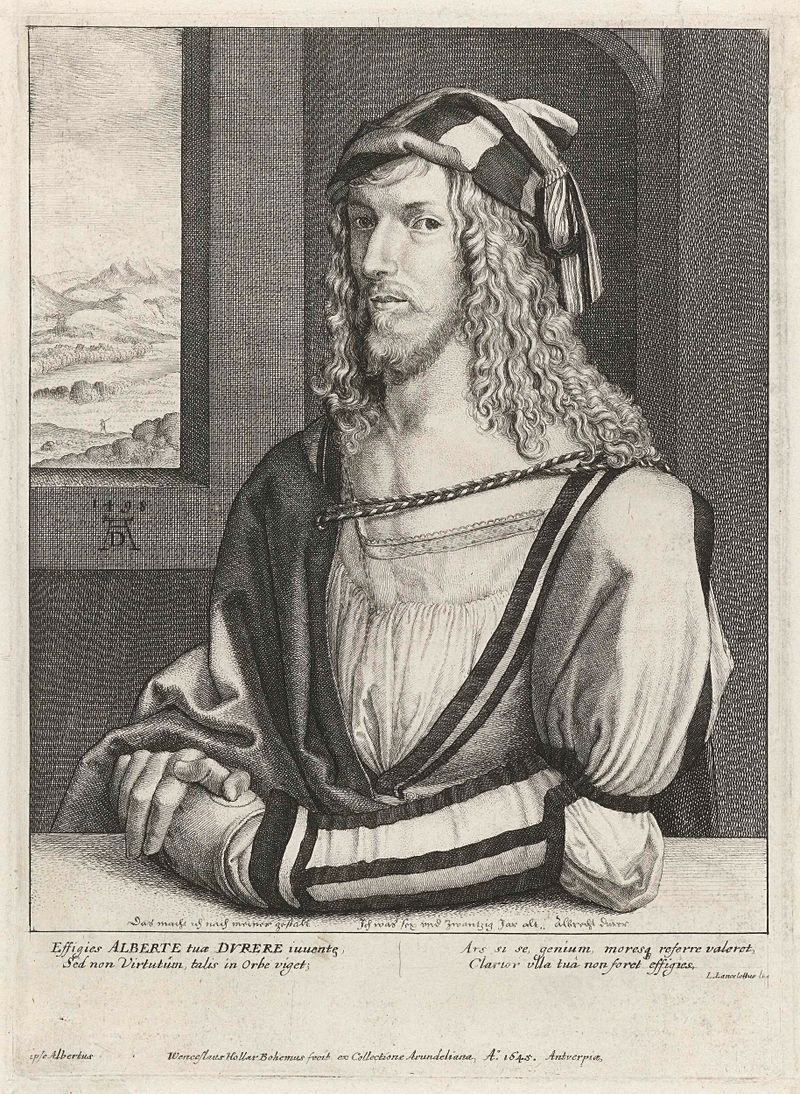
Portret van Albrecht Dürer
Wenceslaus Hollar
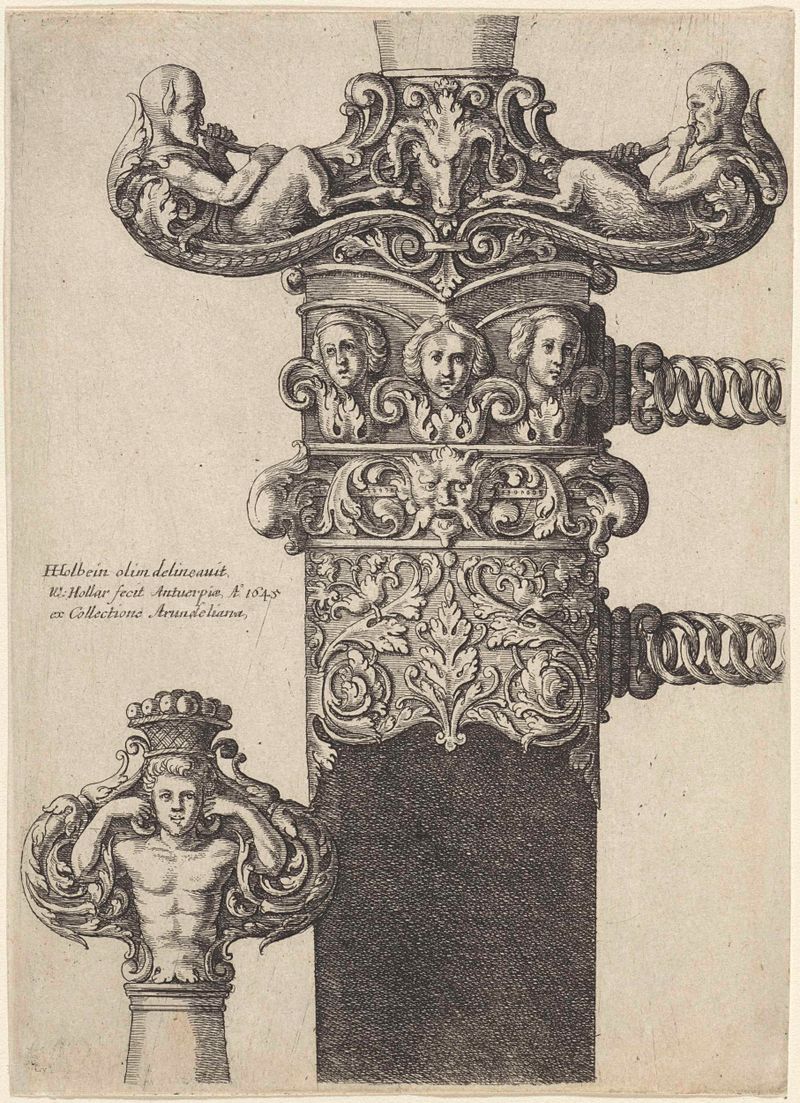
Ornamenteel ontwerp voor een dolk
Wenceslaus Hollar
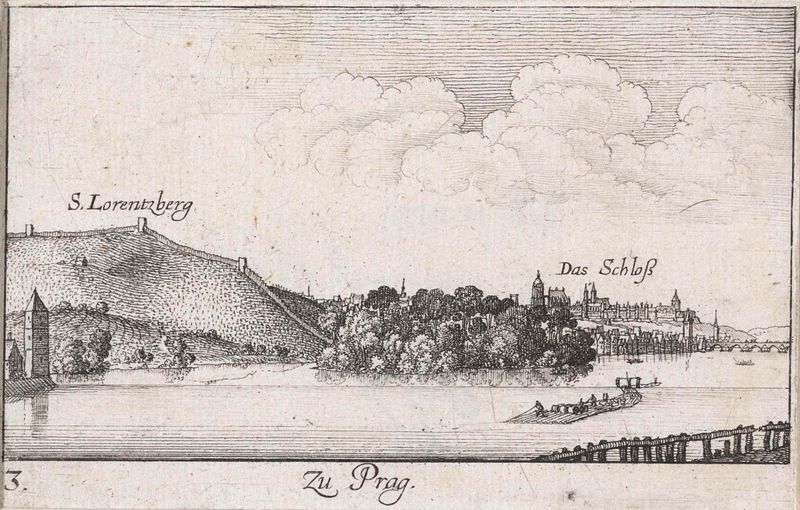
Gezicht op Praag vanaf de Moldau
Wenceslaus Hollar
More Portrait Art
Browse all →
Las meninas
Diego Velázquez

Self-portrait with a Bandaged Ear and Pipe
Unidentified artist

Girl with a Pearl Earring
Johannes Vermeer

The Sampling Officials of the Amsterdam Drapers’ Guild, Known as ‘The Syndics’
Rembrandt van Rijn

The Hundred Guilder Print: the man seen on the back in the lower left corner
Rembrandt van Rijn

Portrait of Dr Gachet
Vincent van Gogh