
Portret van vrouw met bloem en een lauwerkrans van eikenbladeren — History & Facts
Did the painter know this moment would outlive them? In the delicate interplay of time and memory, Portret van vrouw met bloem en een lauwerkrans van eikenbladeren captures a fleeting instant, immortalizing both beauty and fragility. Look to the left, where the woman's gentle gaze draws you in; her serene expression seems imbued with an unspoken story. Notice how the soft, muted palette of earthy greens and warm browns wraps her in an almost ethereal embrace. The intricate details of her laurel crown, adorned with lifelike oak leaves, invite admiration while hinting at her noble virtues.
The light dances delicately across her features, creating depth and highlighting the texture of her attire, which contrasts elegantly with the simplicity of the background. Yet, within this tranquil exterior lies a profound tension between mortality and the desire for permanence. The flower in her hand, a symbol of transience, speaks to the fleeting nature of youth, while the laurel crown represents honor and glory, suggesting an unyielding legacy. Together, these elements evoke a quiet introspection about the balance of life and death, beauty and decay, imbuing the portrait with layers of meaning. Wenceslaus Hollar painted this work in 1646 while residing in London, having fled his native Prague amidst the turmoil of the Thirty Years' War.
At this time, he was establishing himself as a prominent etcher and engraver, exploring the nuances of portraiture that would resonate throughout the ages. This piece reflects not only his technical prowess but also an understanding of the deeper human experiences that art can encapsulate.
More Artworks by Wenceslaus Hollar
Browse all →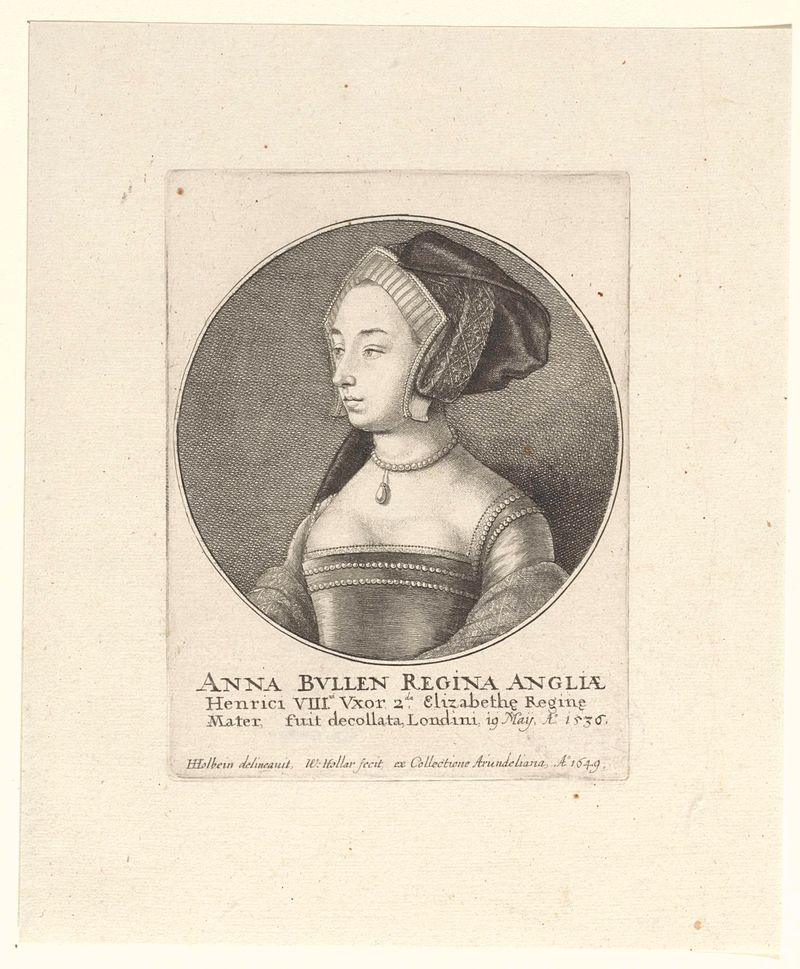
Portret van Anna Boleyn, koningin van Engeland
Wenceslaus Hollar
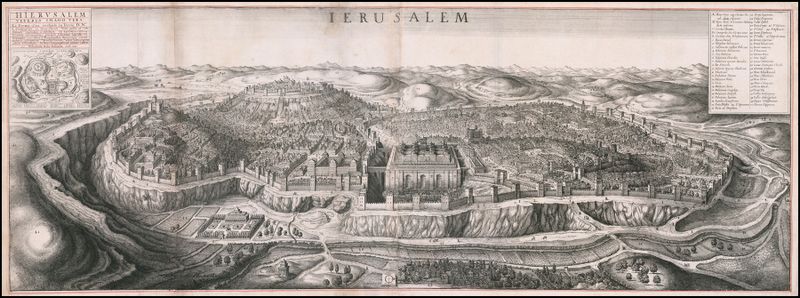
Bird’s eye view of Jerusalem
Wenceslaus Hollar
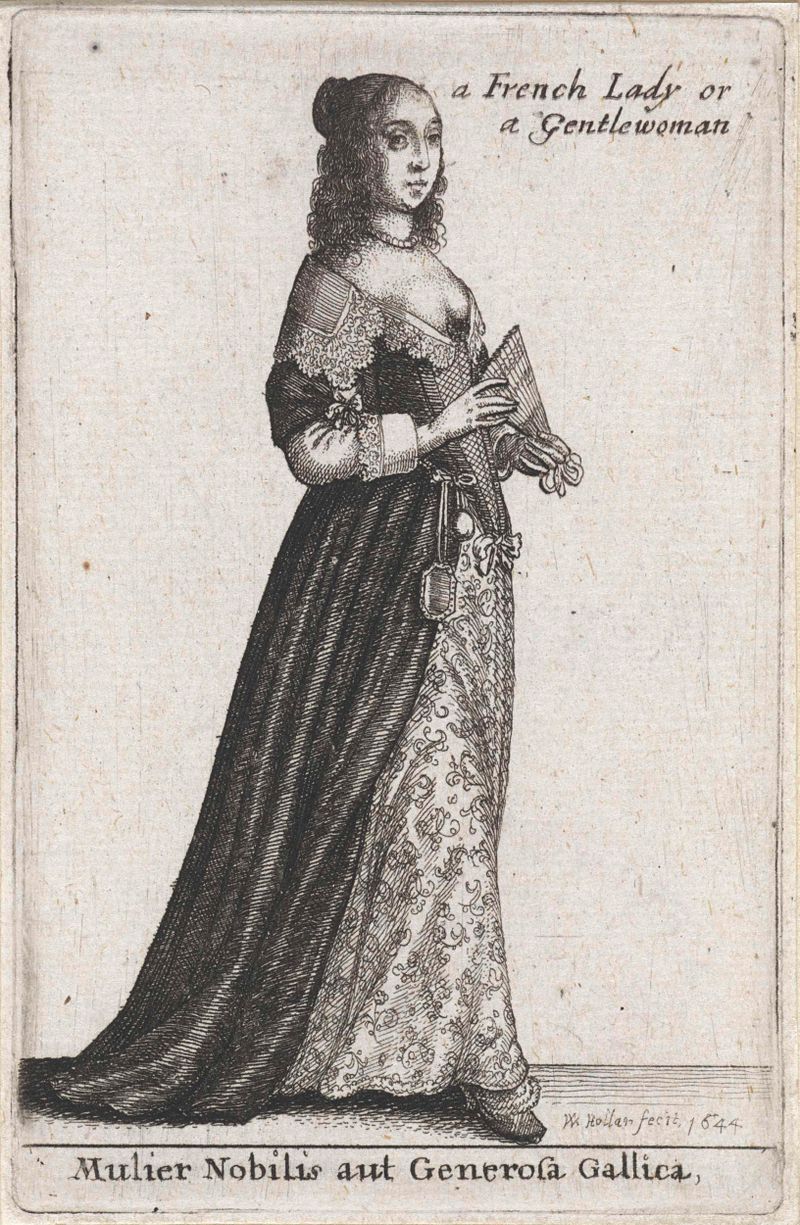
Mulier Nobilis aut Generosa Gallica / a French Lady or Gentlewoman
Wenceslaus Hollar
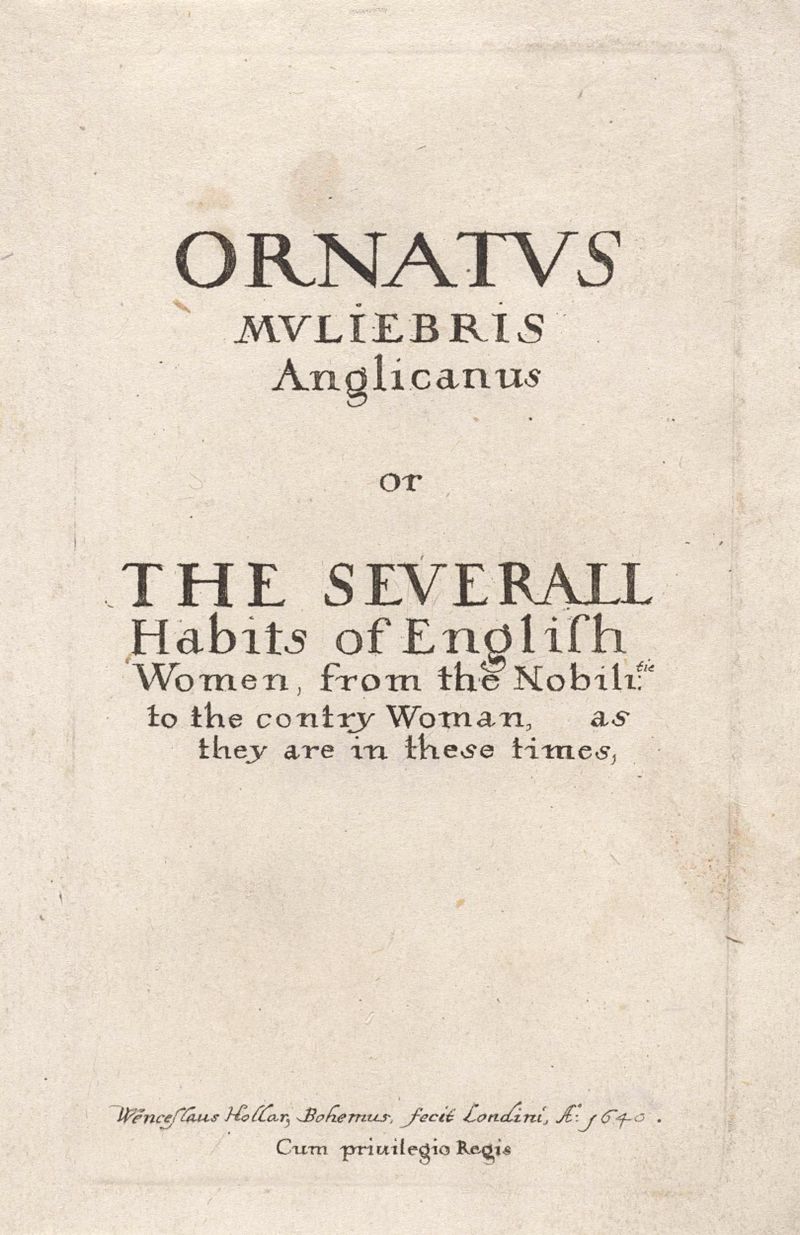
Titelprent voor: Ornatus Muliebris Anglicanus
Wenceslaus Hollar
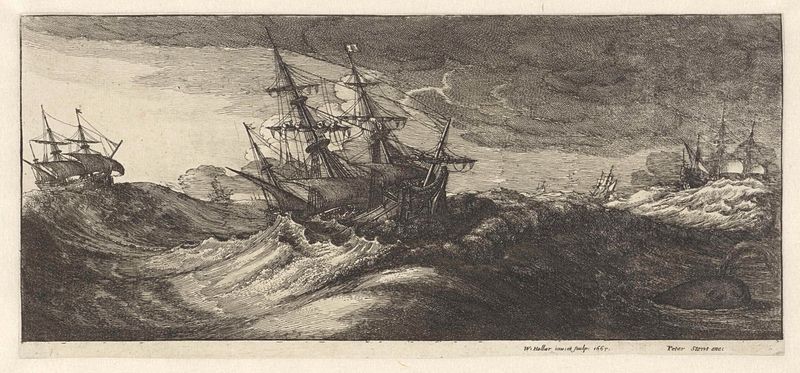
Oorlogsschepen en een walvis in een zeestorm
Wenceslaus Hollar
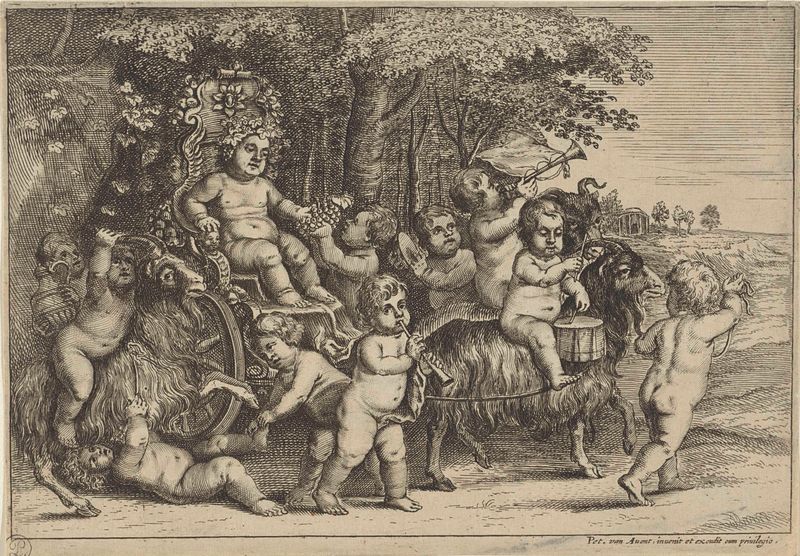
Optocht van bacchant en jongetjes op geiten
Wenceslaus Hollar
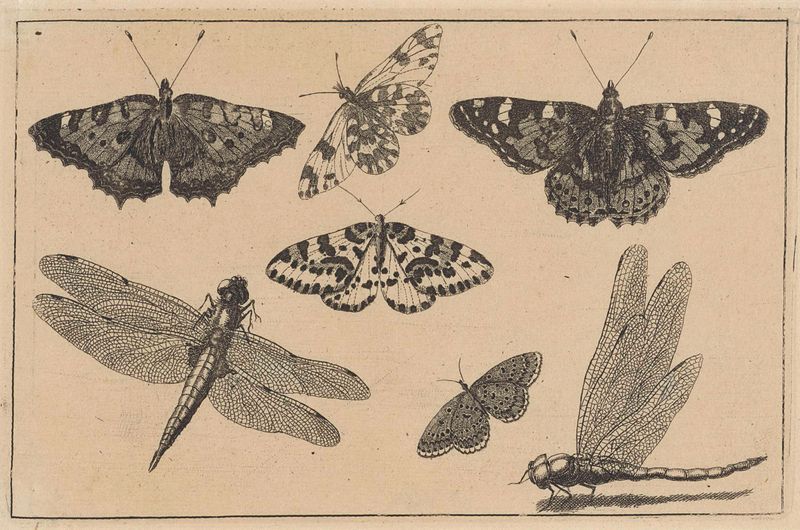
Twee libellen en vijf vlinders
Wenceslaus Hollar
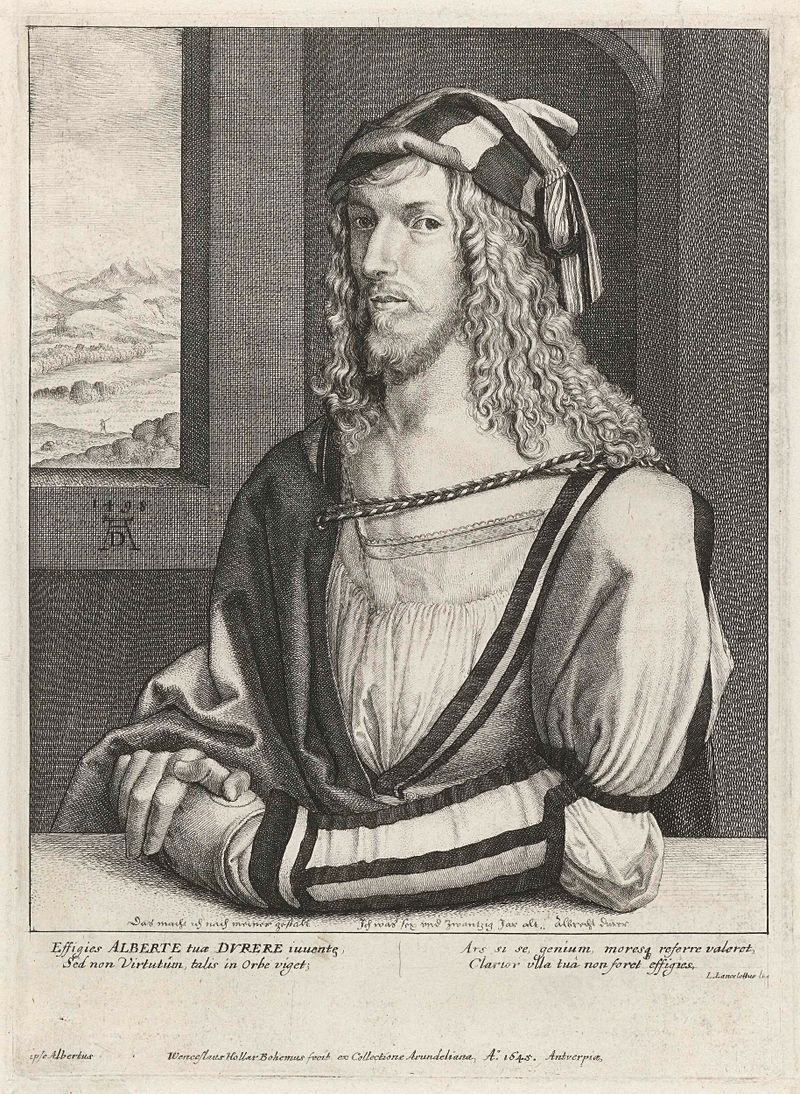
Portret van Albrecht Dürer
Wenceslaus Hollar
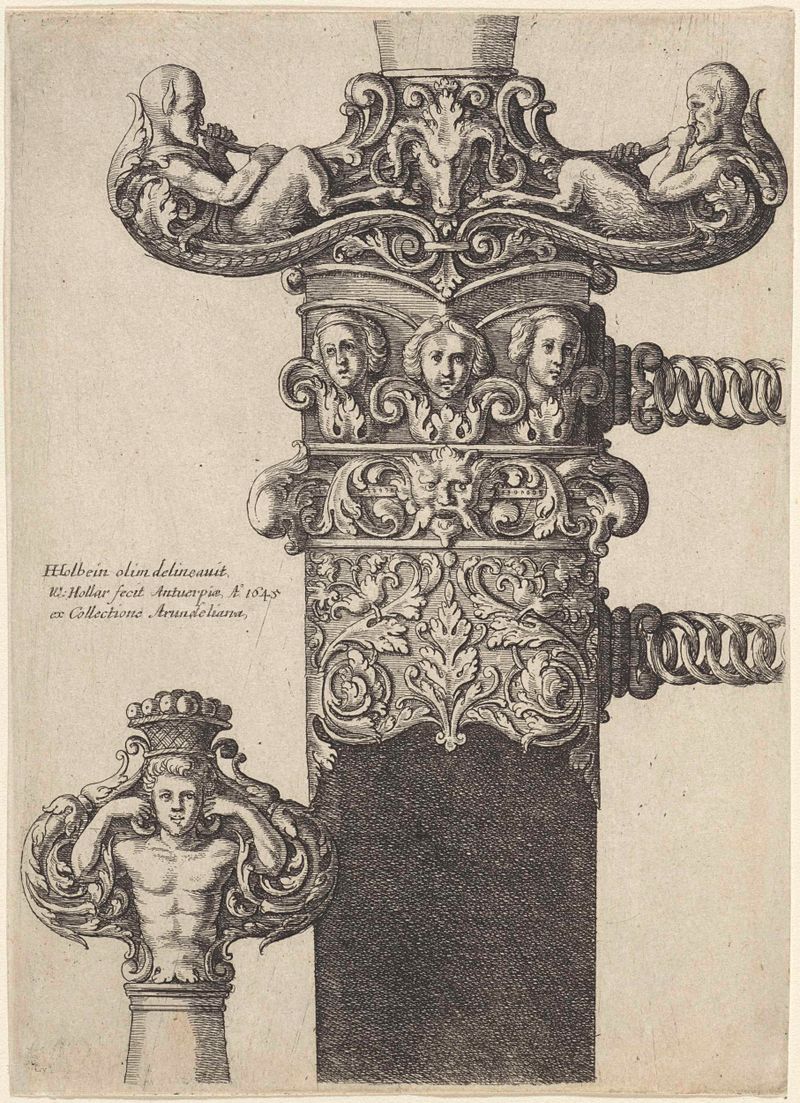
Ornamenteel ontwerp voor een dolk
Wenceslaus Hollar
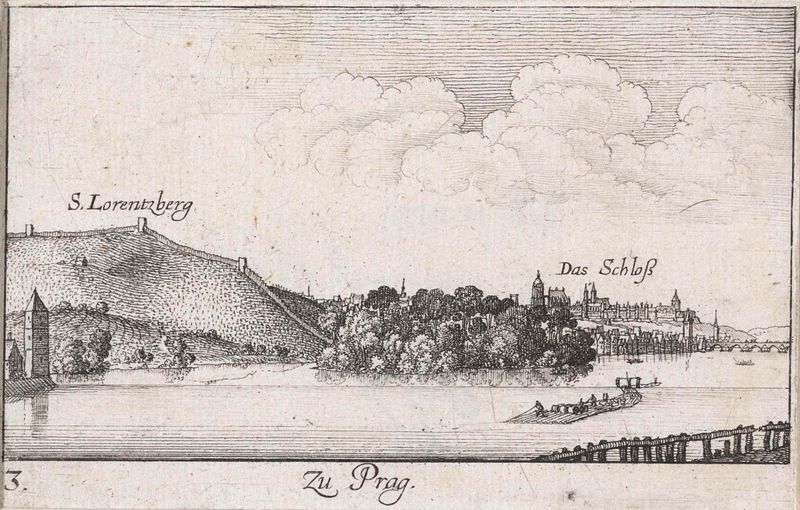
Gezicht op Praag vanaf de Moldau
Wenceslaus Hollar
More Portrait Art
Browse all →
Las meninas
Diego Velázquez

Self-portrait with a Bandaged Ear and Pipe
Unidentified artist

Girl with a Pearl Earring
Johannes Vermeer

The Sampling Officials of the Amsterdam Drapers’ Guild, Known as ‘The Syndics’
Rembrandt van Rijn

The Hundred Guilder Print: the man seen on the back in the lower left corner
Rembrandt van Rijn

Portrait of Dr Gachet
Vincent van Gogh