
Portret van William Dugdale — History & Facts
What if silence could speak through light? In the stillness of Portret van William Dugdale, an unspoken tension hangs in the air like a charged whisper, hinting at the violence that often brews beneath the surface of serene appearances. Focus first on the meticulously rendered face of William Dugdale. Notice how the soft light caresses the contours of his features, accentuating the thoughtful furrow of his brow. The shadows, carefully placed, suggest a depth of character and complexity that belies his tranquil demeanor.
Hollar’s skillful technique of etching captures not just the likeness of his subject but also evokes a palpable atmosphere, inviting you to ponder what lies behind those calm, penetrating eyes. Delve deeper into the details: the subtle play between light and shadow, hinting at the internal struggle within Dugdale. The softness of his attire contrasts sharply with the sharpness of his gaze, reflecting the duality of man — the peace of intellect and the potential for turmoil. Surrounding elements, perhaps the simplicity of the background, serve to elevate Dugdale’s stature while reminding us of the violence wrought by human conflict during the time of the English Civil War, a backdrop to both his life and Hollar's artistic pursuit. In 1656, Hollar was living in London, a city rife with political upheaval and the aftermath of civil strife.
The artist had fled from the turmoil of his native Prague and found refuge in England, where he honed his craft. This portrait, created during a time of personal transition and societal discord, reflects the complexity of both the man and the artist, merging biography with broader historical narrative in a compelling tableau.
More Artworks by Wenceslaus Hollar
Browse all →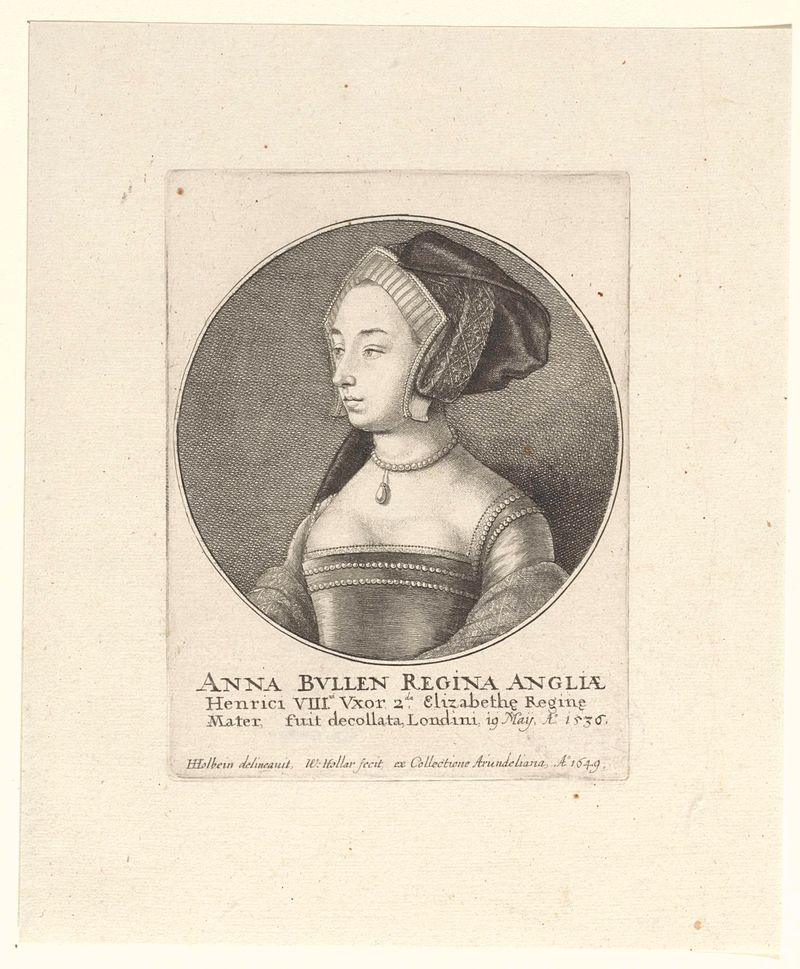
Portret van Anna Boleyn, koningin van Engeland
Wenceslaus Hollar
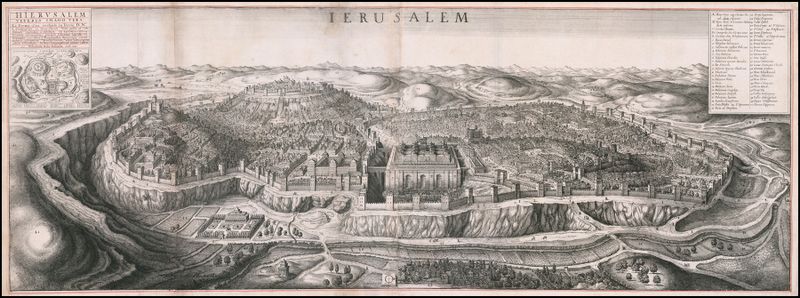
Bird’s eye view of Jerusalem
Wenceslaus Hollar
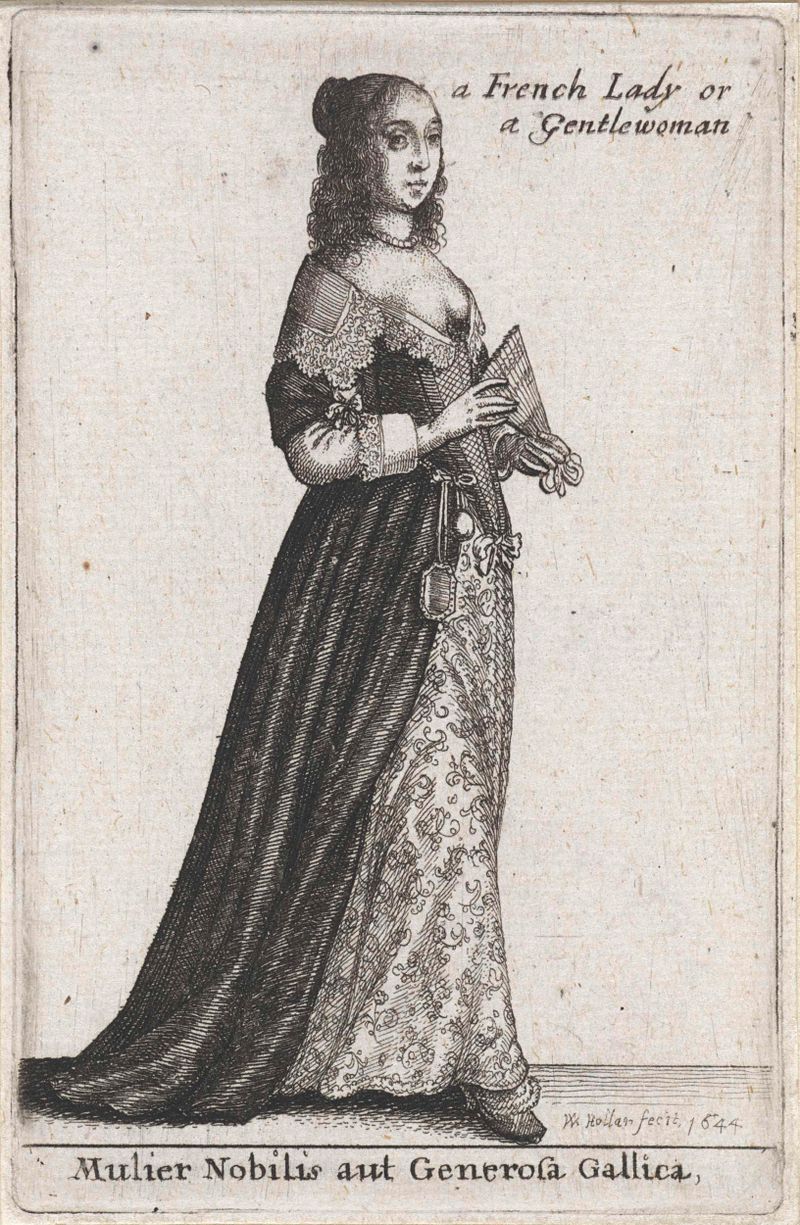
Mulier Nobilis aut Generosa Gallica / a French Lady or Gentlewoman
Wenceslaus Hollar
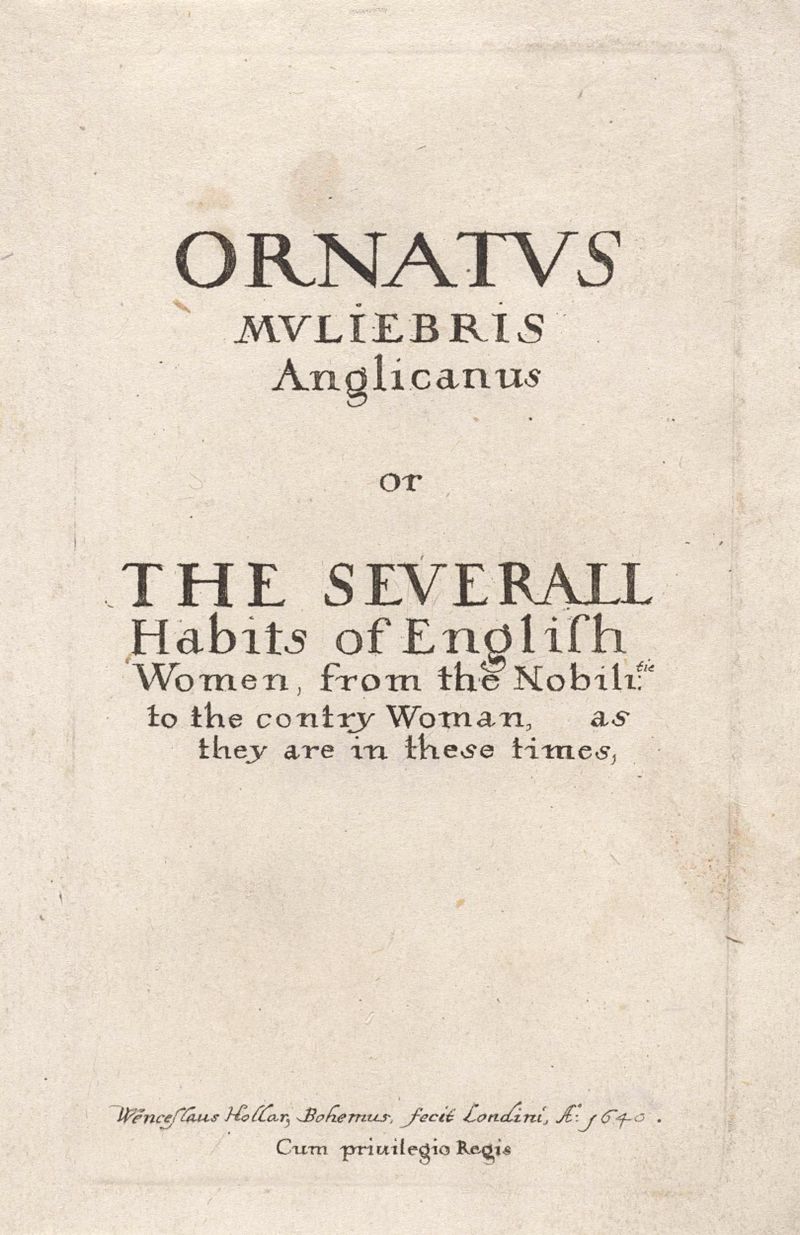
Titelprent voor: Ornatus Muliebris Anglicanus
Wenceslaus Hollar
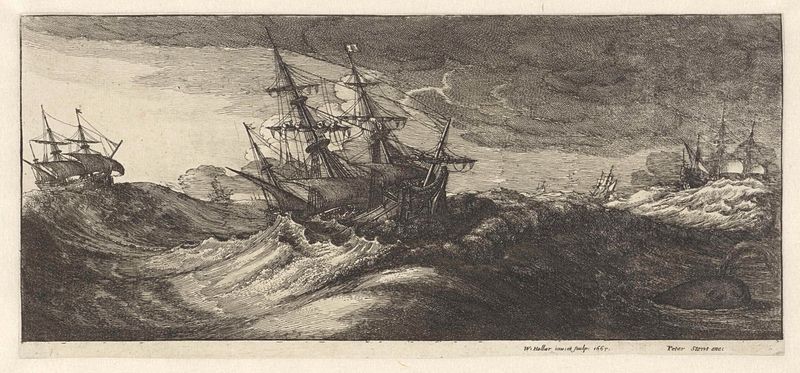
Oorlogsschepen en een walvis in een zeestorm
Wenceslaus Hollar
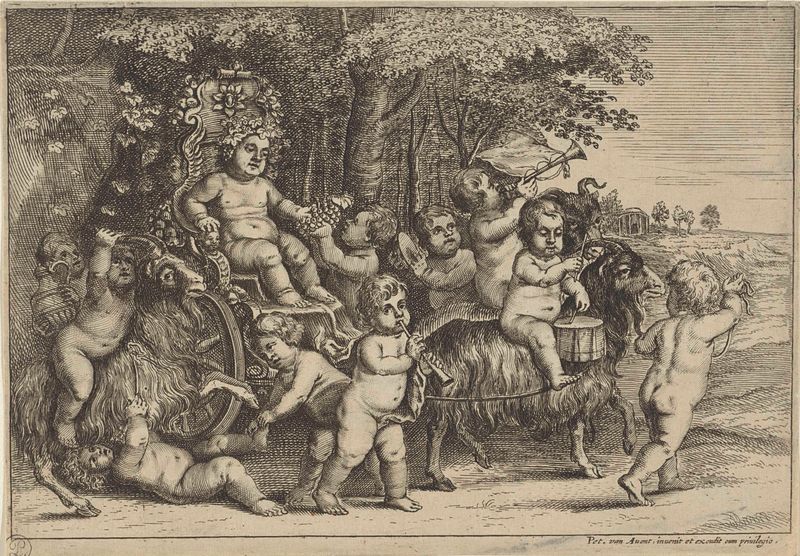
Optocht van bacchant en jongetjes op geiten
Wenceslaus Hollar
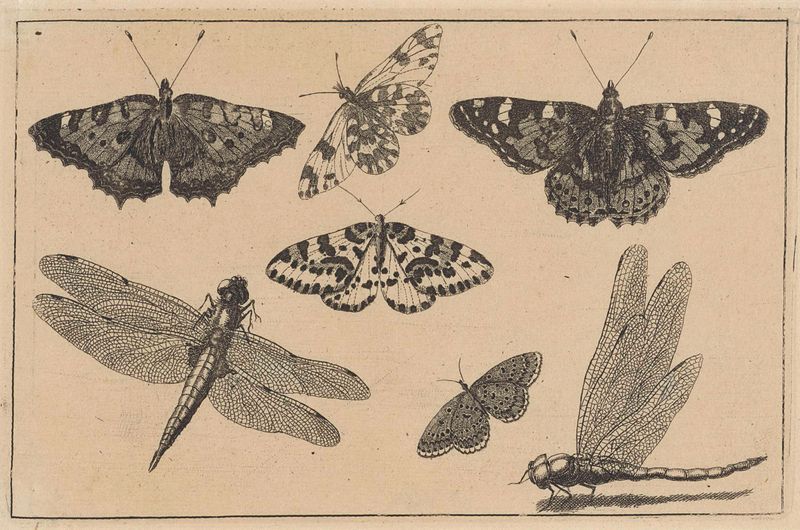
Twee libellen en vijf vlinders
Wenceslaus Hollar
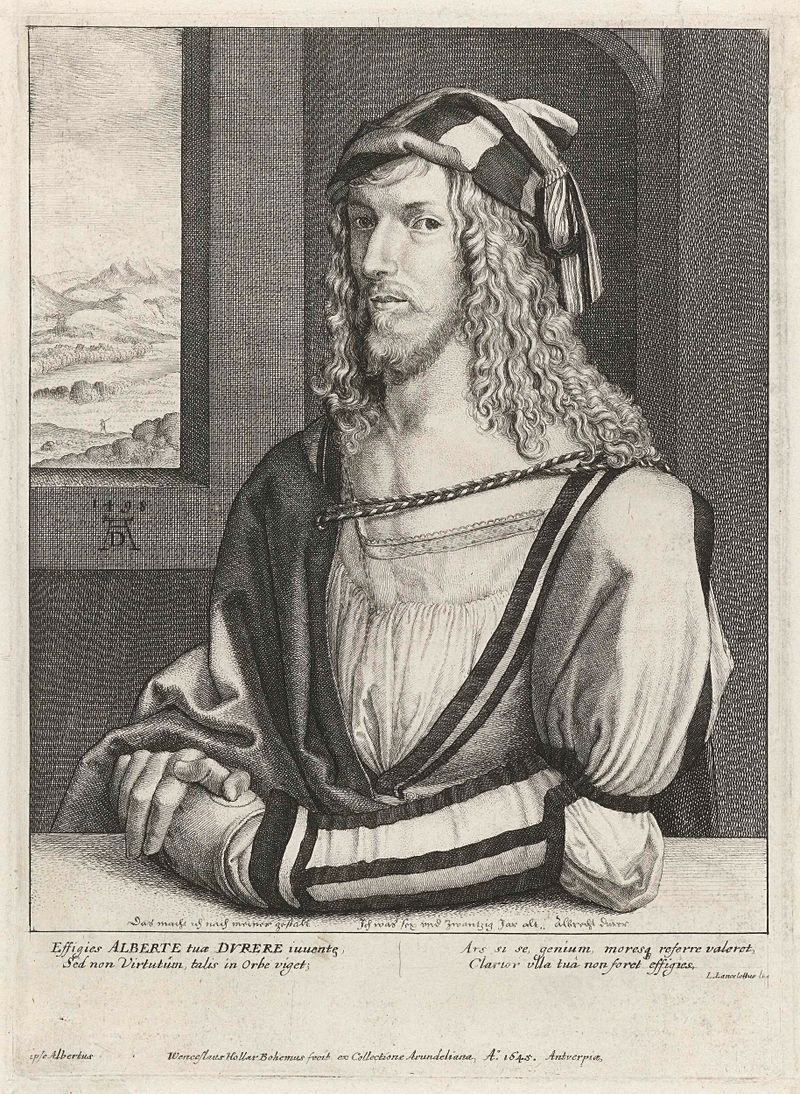
Portret van Albrecht Dürer
Wenceslaus Hollar
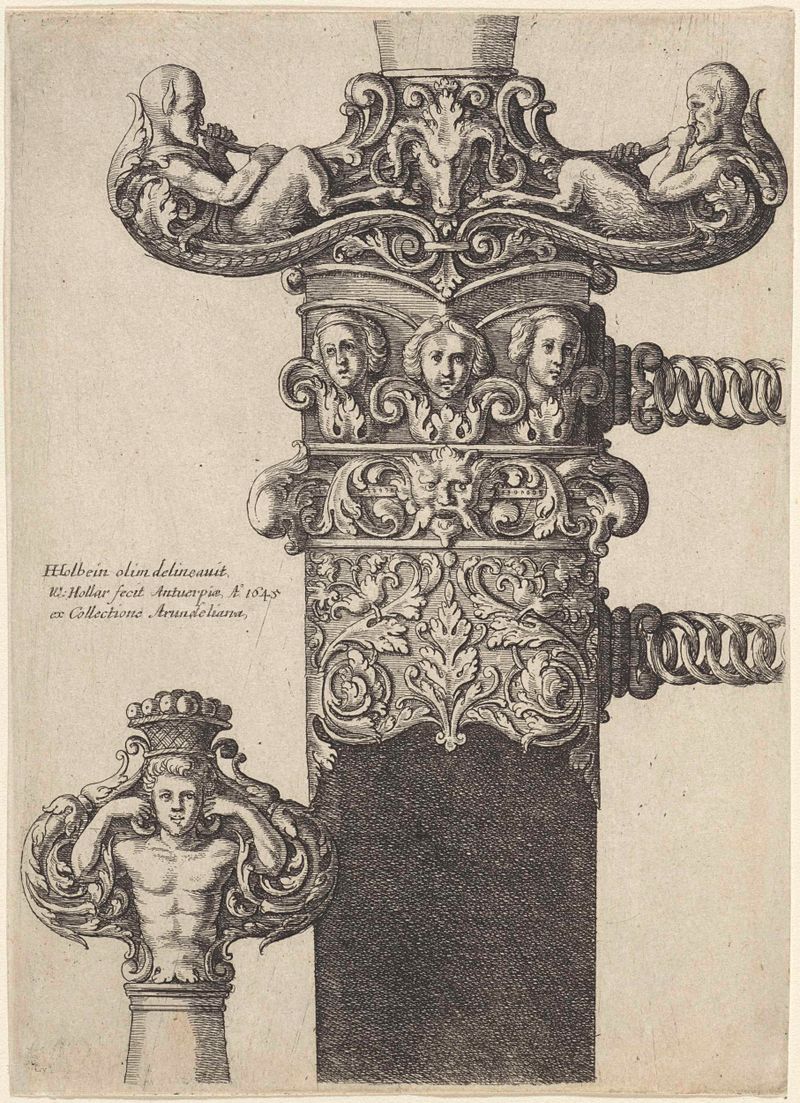
Ornamenteel ontwerp voor een dolk
Wenceslaus Hollar
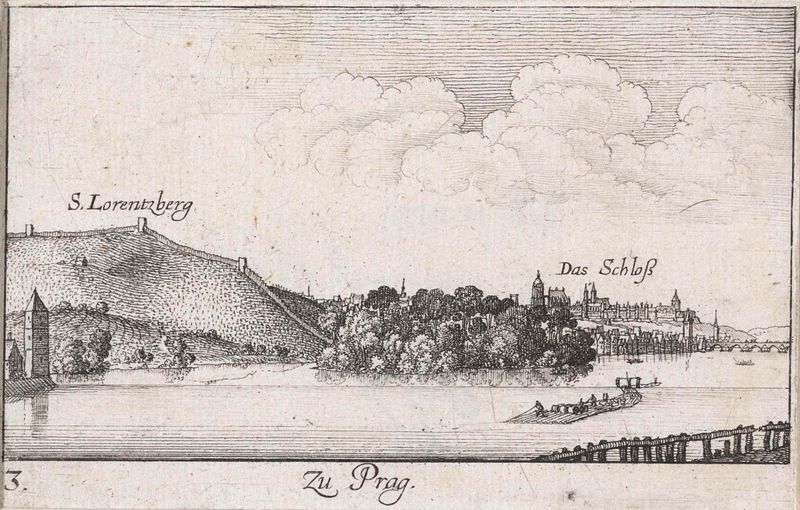
Gezicht op Praag vanaf de Moldau
Wenceslaus Hollar
More Portrait Art
Browse all →
Las meninas
Diego Velázquez

Self-portrait with a Bandaged Ear and Pipe
Unidentified artist

Girl with a Pearl Earring
Johannes Vermeer

The Sampling Officials of the Amsterdam Drapers’ Guild, Known as ‘The Syndics’
Rembrandt van Rijn

The Hundred Guilder Print: the man seen on the back in the lower left corner
Rembrandt van Rijn

Portrait of Dr Gachet
Vincent van Gogh