
Power of Commonwealth at its Zenith, from the series “History of Civilization in Poland” — History & Facts
In 1889, as Poland languished under foreign partitions, Jan Matejko unveiled Power of Commonwealth at its Zenith—a painting that became both a national rallying point and a subject of heated debate. The work is part of his monumental series, History of Civilization in Poland, conceived as a visual chronicle to preserve Polish identity in the absence of a sovereign state. Matejko’s contemporaries were struck by the painting’s ambition; the Kraków press of the day remarked on its “unflinching gaze at the heights and follies of our past.” No single event is depicted, but rather a composite vision of the Polish-Lithuanian Commonwealth at its peak, around the turn of the 17th century—a time when Poland stretched from the Baltic to the Black Sea. Matejko freezes his narrative at the ceremonial heart of the Commonwealth: the Sejm, or parliamentary assembly, in full session.
Nobles in ornate kontusz robes cluster beneath the golden glow of the royal throne, where the king—likely Sigismund III Vasa—raises a sceptre, symbolizing unity and fragile authority. The artist crowds the canvas with figures engaged in debate, some gesturing in heated argument, others conspiring in shadowed corners; the famous “liberum veto” hangs as a chain at one delegate’s side, a visual warning of the freedoms that would later undermine the state. Matejko’s dense, almost theatrical arrangement recalls the historical pageants of Delacroix, but here, every costume and gesture is a coded reference: the white eagle standard, the scattered legal scrolls, the Tatar envoy at the margins—all signifiers of a multicultural, complex polity. The original medium of Power of Commonwealth at its Zenith remains uncertain, as does its early provenance.
Like many works from the History of Civilization in Poland series, it was likely intended for public exhibition, possibly commissioned by Kraków’s city council or a patriotic society. The painting’s fate during the turbulent 20th century is not well documented; it may have been hidden or moved during wartime, as were many of Matejko’s canvases. Today, it is generally considered a key example of Jan Matejko’s late period, when his historical imagination was at its most ambitious and allegorical.
The painting stands as a testament to the enduring power of art to shape—and question—a nation’s memory.
More Artworks by Jan Matejko
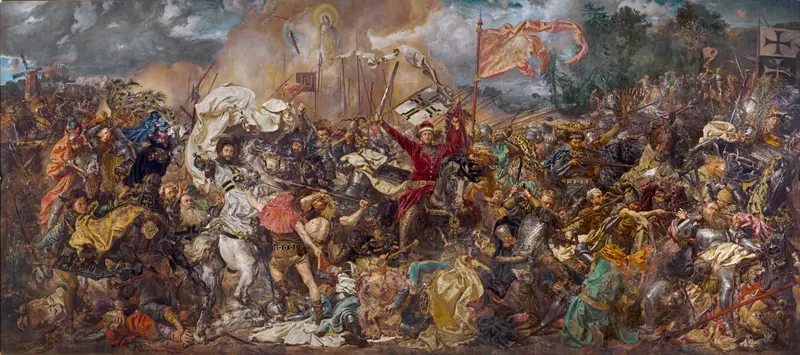
Battle of Grunwald
Jan Matejko

Stańczyk
Jan Matejko

Battle of Raclawice
Jan Matejko
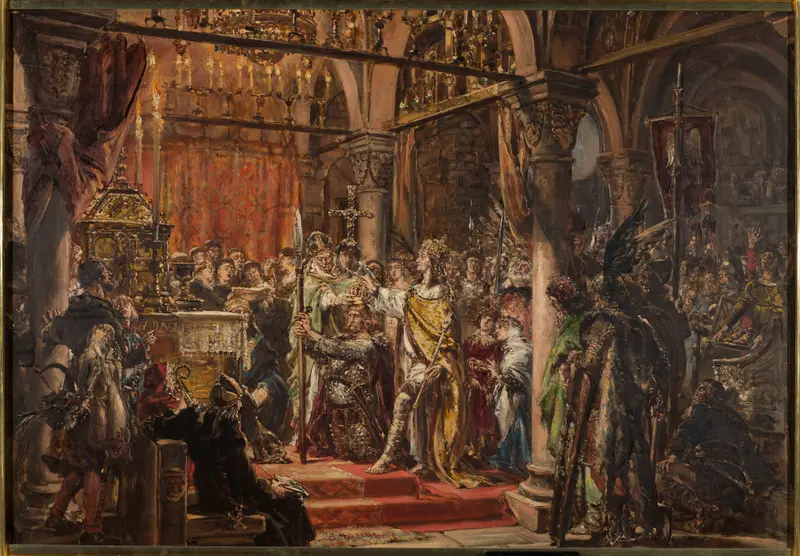
Coronation of the First King, 1001 AD, from the series “History of Civilization in Poland”
Jan Matejko
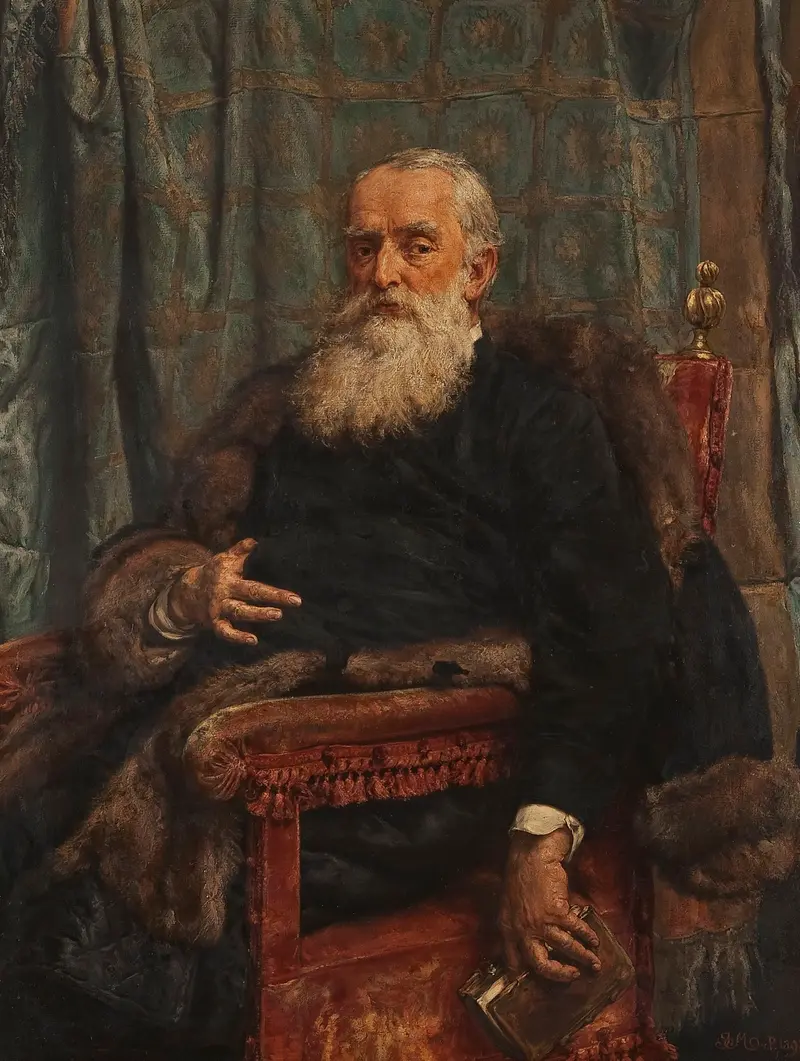
Portrait of Henryk Krajewski
Jan Matejko
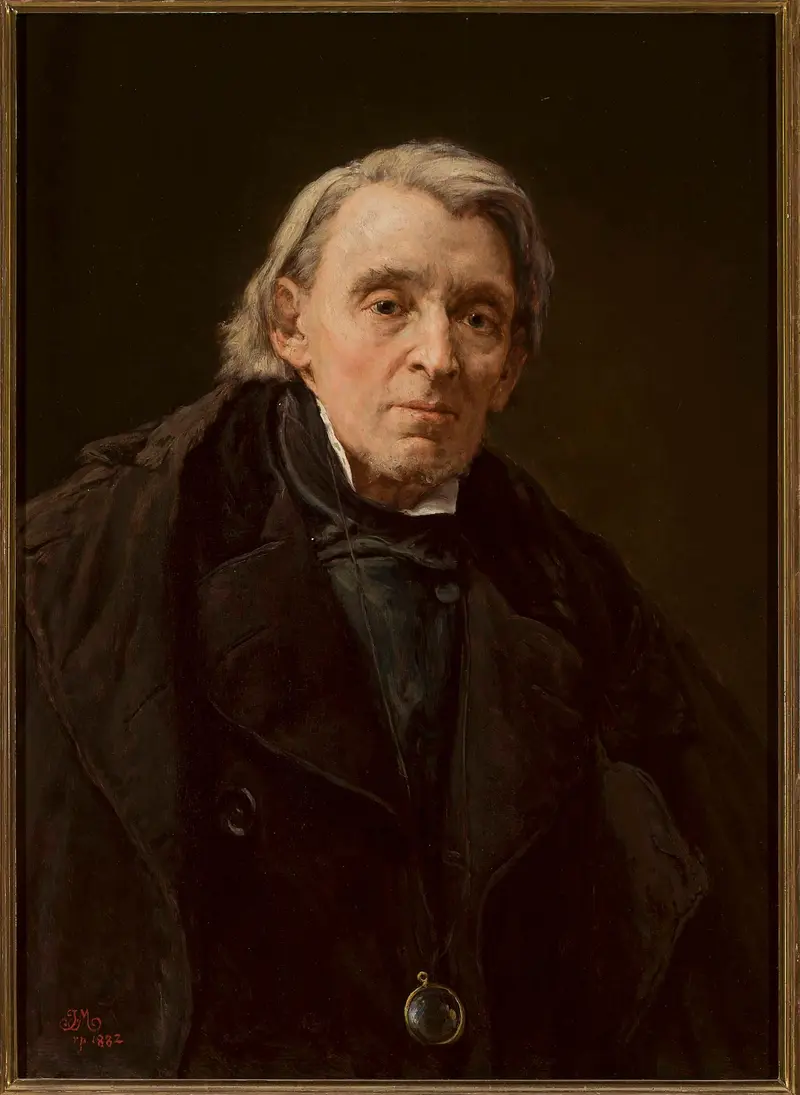
Portrait of Karol Podlewski
Jan Matejko
Portrait of Potocki and Poninski
Jan Matejko
Portrait of the artist's four children
Jan Matejko
Introduction of Christianity in Poland
Jan Matejko
Prussian Homage
Jan Matejko





