
Prediking van Christus — History & Facts
In the stillness of Prediking van Christus, an unsettling emptiness envelops the scene, inviting contemplation of faith and desolation. Look to the center where Christ's figure stands, robed in radiant white, contrasting starkly against a shadowed background. The masterful use of chiaroscuro accentuates the folds of his garment, drawing the eye toward the ethereal glow surrounding him. The crowd, rendered in muted tones, looms in the periphery — faceless yet powerful, their expressions communicate a complex blend of reverence and uncertainty.
Notice how the light cascades down from above, illuminating not just the figure of Christ but also the slight tension in the congregation, frozen in a moment of profound anticipation. The painting whispers of a dialogue between the divine and the human condition. The stark contrast between the illuminated figure and the darkened audience embodies a spiritual yearning that speaks to the emptiness within. Each figure, though silent, conveys a story of longing and faith, their gaze collectively drawn to something beyond comprehension.
This tension between the sacred and the mundane reveals the struggle for belief, making the viewer question their own place within this tableau. Created between 1485 and 1491, this work reflects the transitional period in the Southern Netherlands where religious themes dominated the artistic landscape. The artist, known for his profound grasp of narrative, was navigating a world increasingly fascinated by human emotion and divine connection. This piece resonates with the questions of faith prevalent during its time, embodying the complex relationship between the divine and the human experience.
More Artworks by Meester van Antwerpen (I)
Browse all →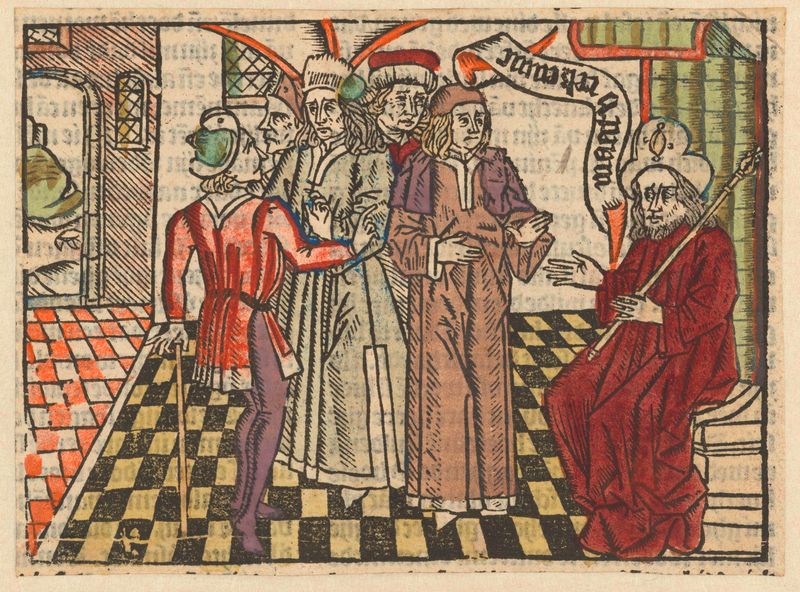
Parabel van de koning en de dienaar die geen vergiffenis schonk
Meester van Antwerpen (I)
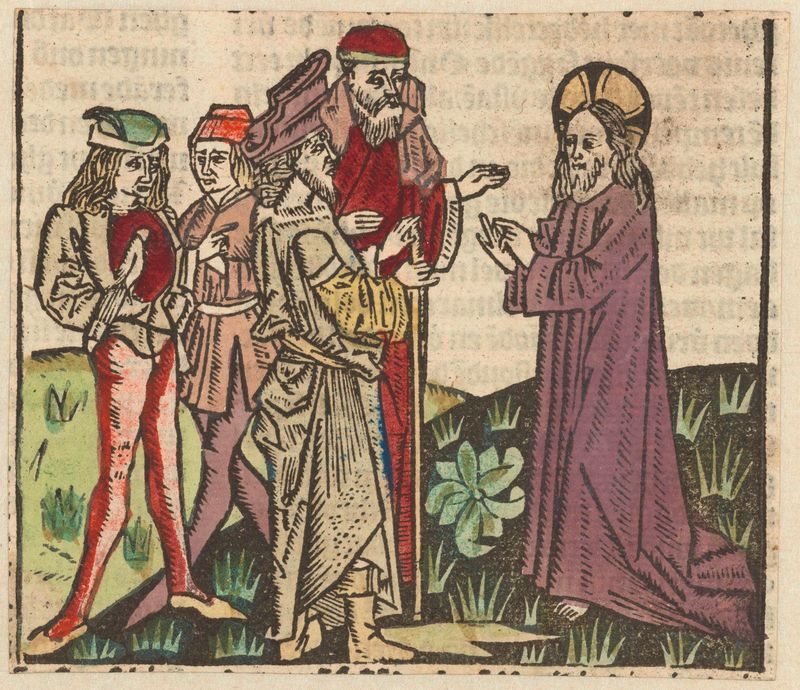
Christus in gesprek met Nicodemus
Meester van Antwerpen (I)
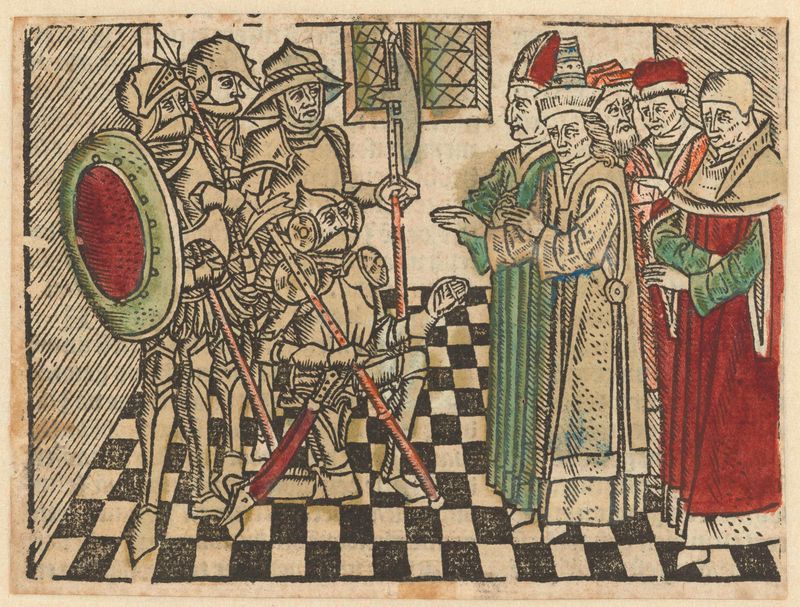
Soldaten berichten de hoge priesters dat Christus is herrezen
Meester van Antwerpen (I)
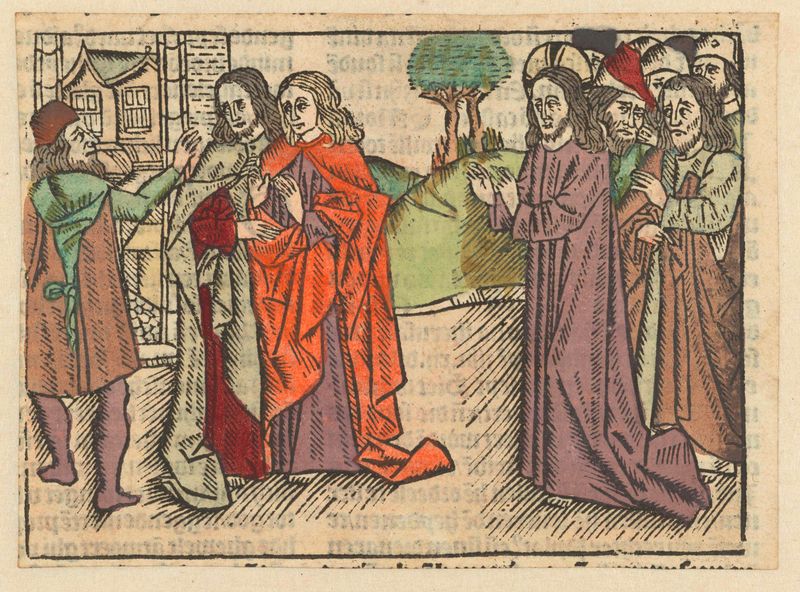
Een Samaritaan weigert Christus te ontvangen
Meester van Antwerpen (I)
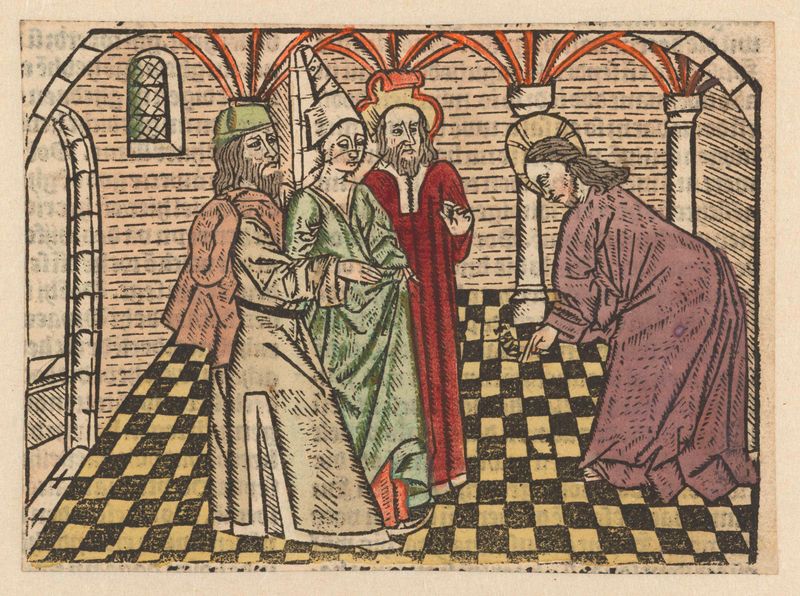
Christus en de overspelige vrouw
Meester van Antwerpen (I)
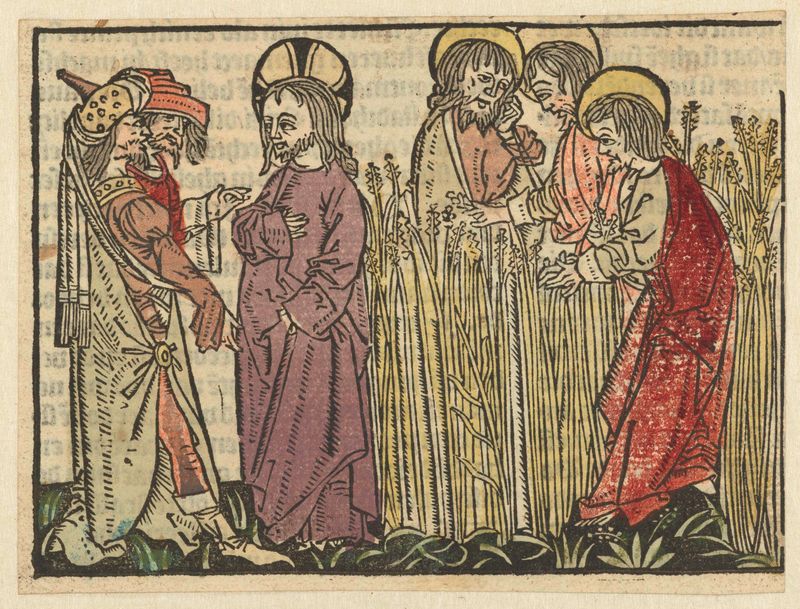
De discipelen plukken en eten aren op de sabbat
Meester van Antwerpen (I)
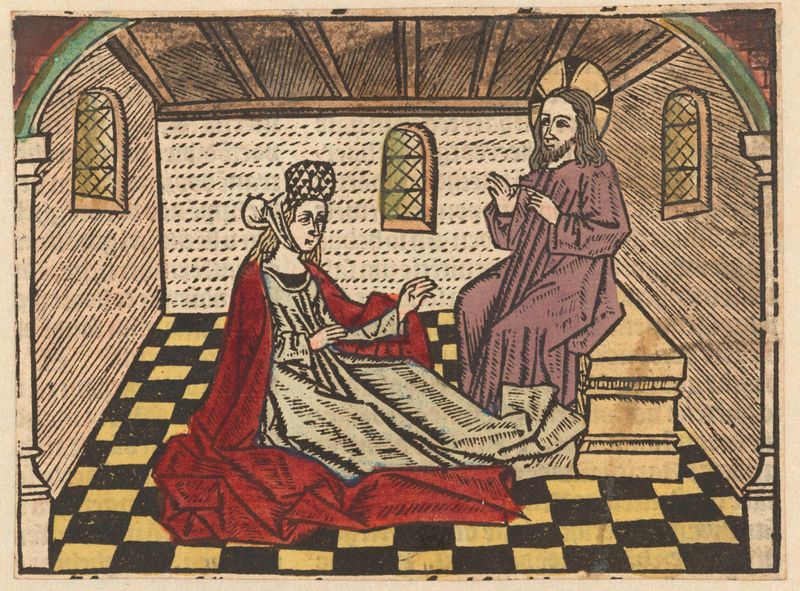
Maria Magdalena luistert naar Christus en bekeert zich
Meester van Antwerpen (I)
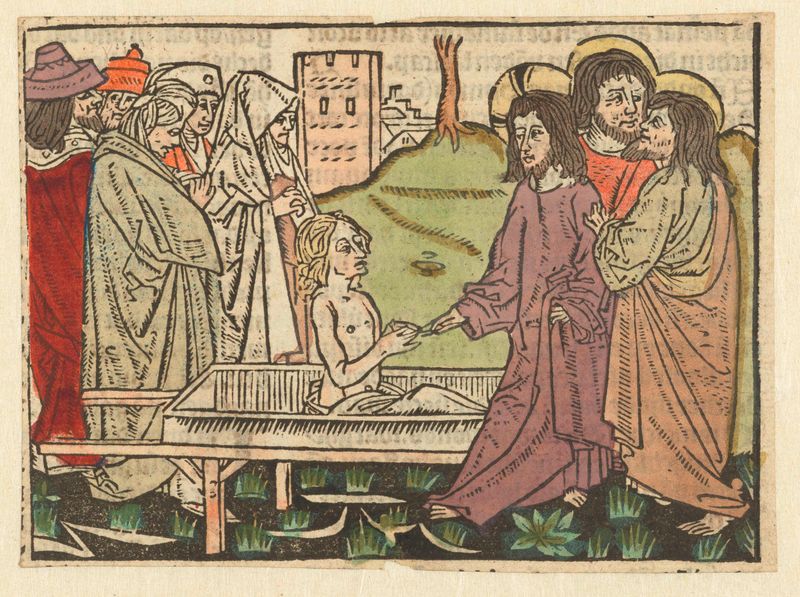
Opwekking van de zoon van de weduwe van Nain
Meester van Antwerpen (I)
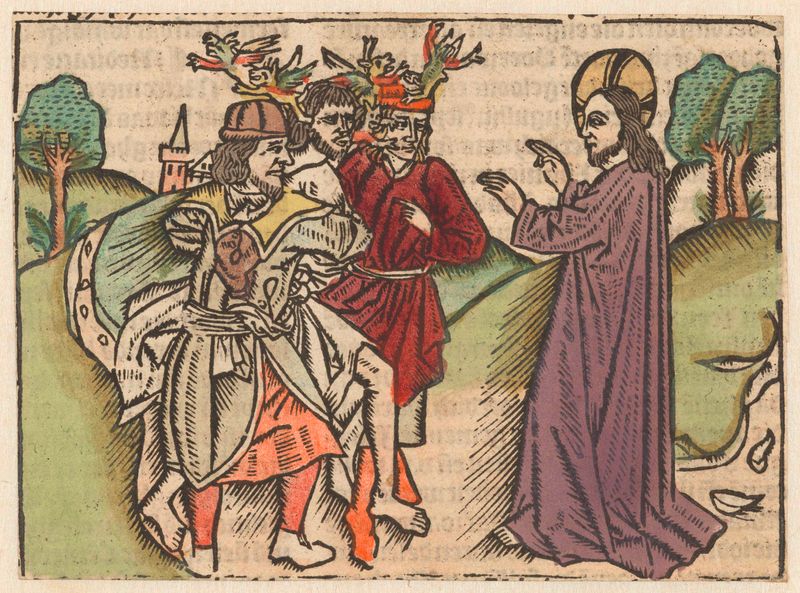
Christus geneest de bezeten man die niet kon spreken
Meester van Antwerpen (I)
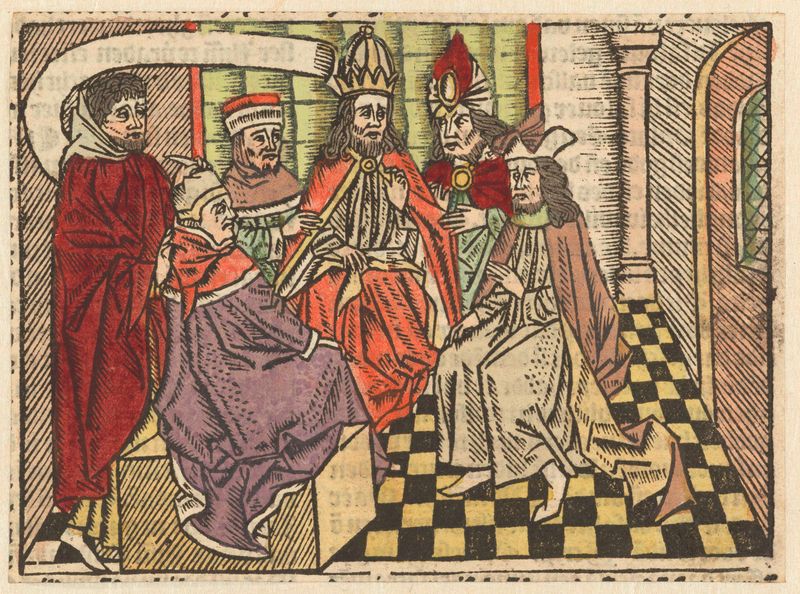
Judas bij de hogepriesters om Christus te verraden
Meester van Antwerpen (I)
More Religious Art
Browse all →
The Return of the Prodigal Son
Rembrandt van Rijn

The Garden of Earthly Delights
El Bosco

Count Orgaz’ funeral
El Greco

The Hundred Guilder Print: the central piece with Christ preaching, the plate arched
Rembrandt van Rijn

The Descent from the Cross
Rogier van der Weyden

The return of the prodigal son
Rembrandt van Rijn