Primel — History & Facts
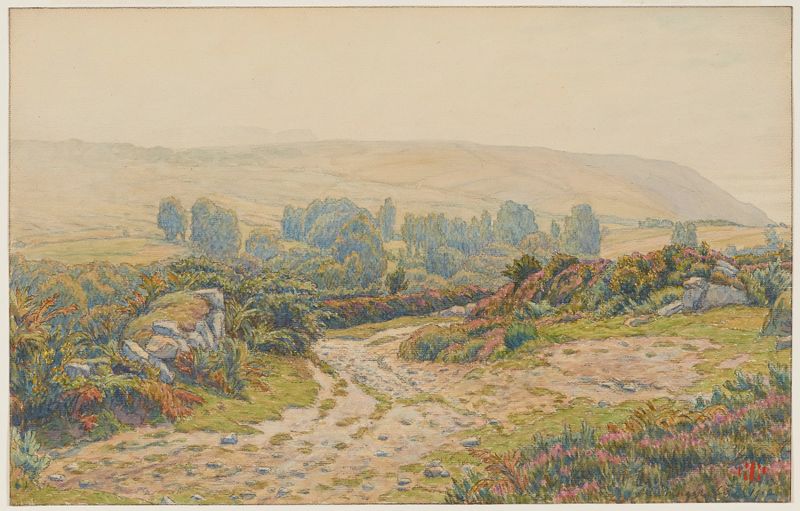
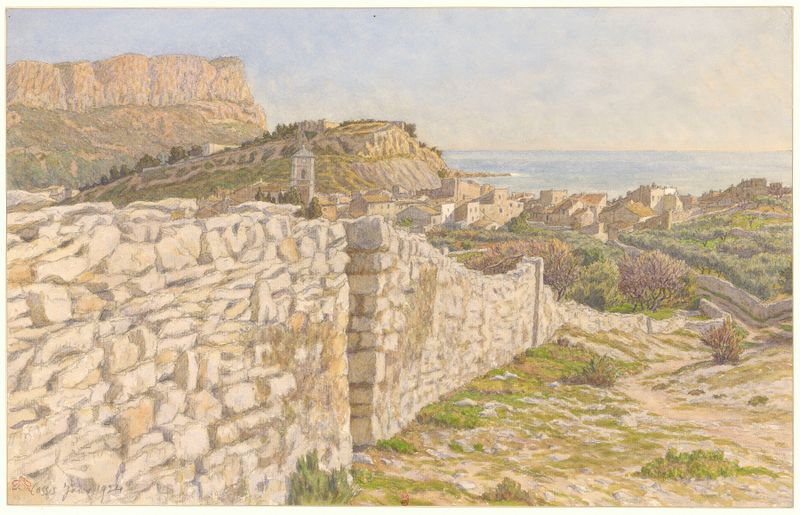
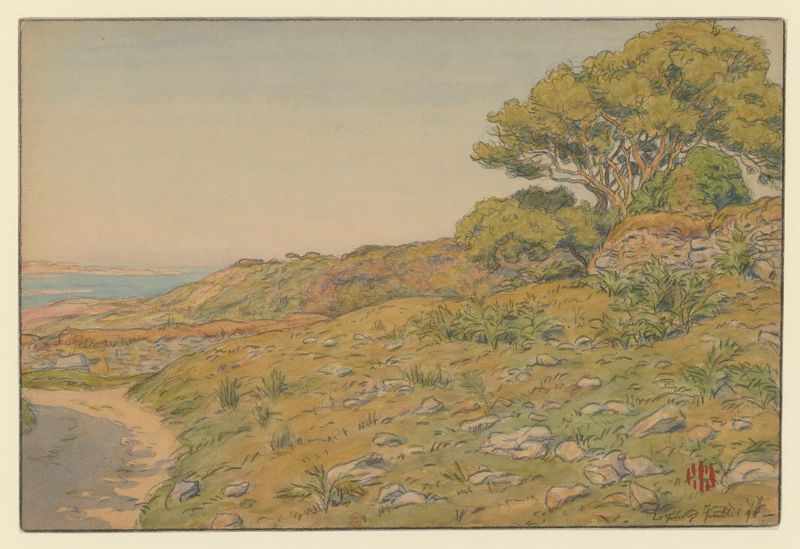
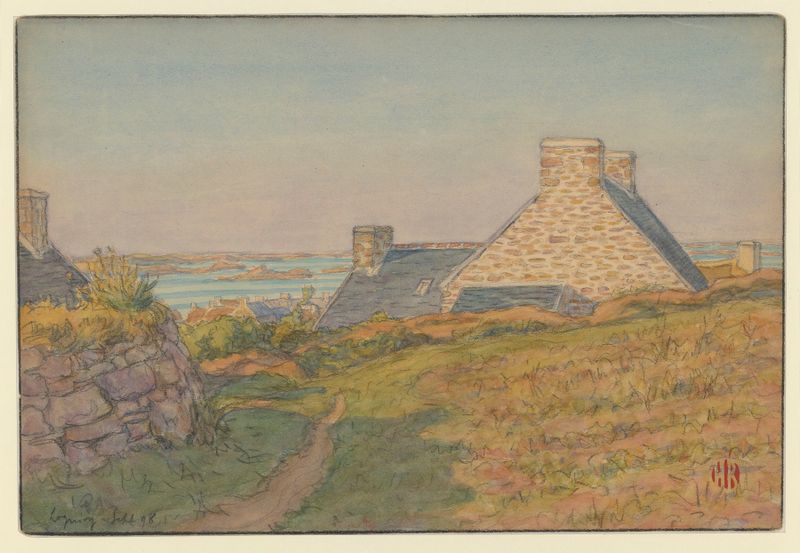
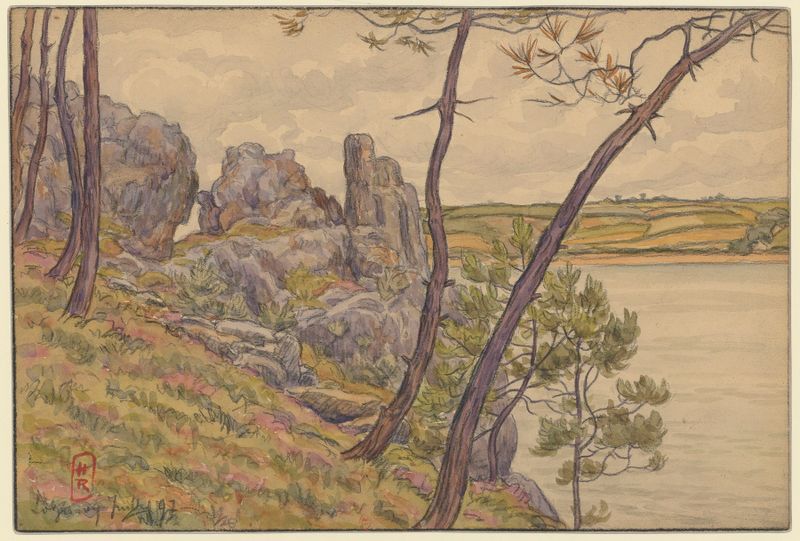
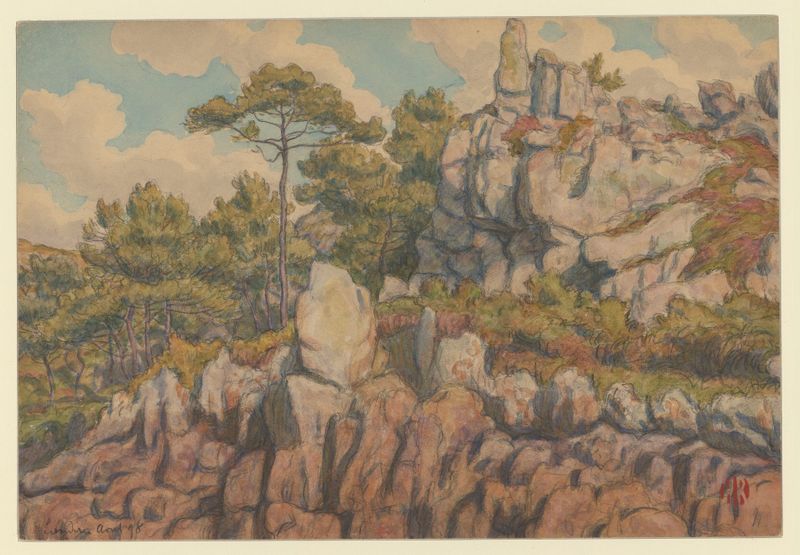
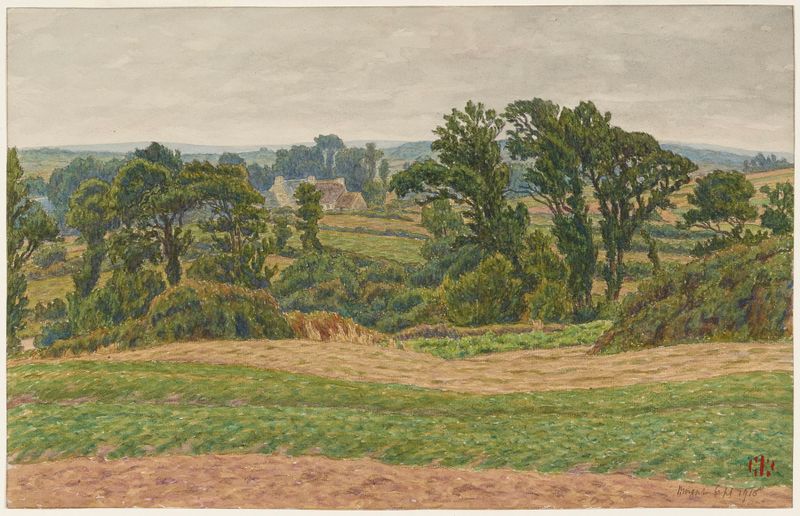
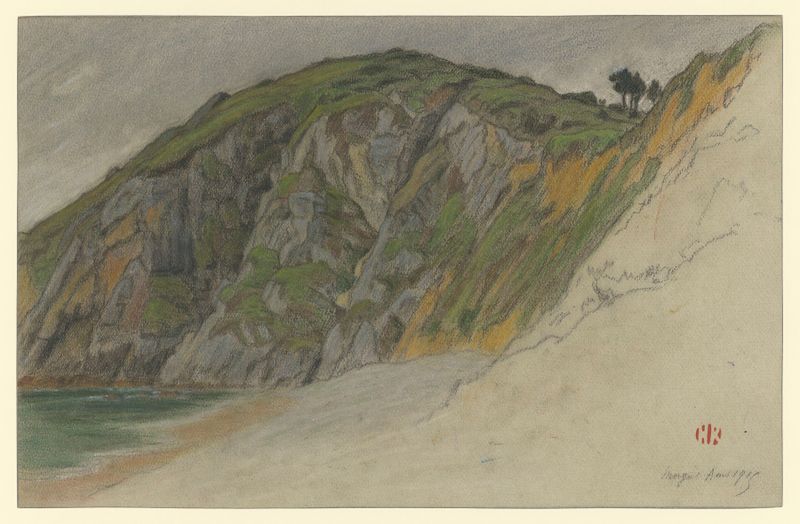
What secret hides in the quiet of the canvas? Beneath the surface of Primel, a world of decay whispers tales of time's relentless passage, inviting the viewer to explore its depths. Focus on the delicate interplay of muted greens and browns that envelop the landscape. Notice how the light falls upon the weathered textures of the stones, illuminating their rough edges while casting shadows that deepen the sense of mystery. The composition draws the eye to the horizon, where the fading sun suggests an inevitable end, beckoning us to consider the beauty found in transience.
Every brushstroke marks a memory, capturing nature's slow reclamation of human artifacts. Within the layers of paint, subtle contrasts emerge—life and death, vibrancy and decay. The trees, while standing tall, show signs of wear, their gnarled branches reaching out like weary limbs. The water's surface ripples gently, reflecting not just the sky but the essence of change, hinting at the cycle of creation and dissolution.
This duality evokes a poignant sense of nostalgia, urging contemplation of what endures and what fades away. Henri Rivière created Primel during a period of artistic exploration in early 20th-century France, amidst the rise of Symbolism and Art Nouveau. Working in his studio in Paris, he drew inspiration from the coastal landscapes of Brittany, channeling his emotional connection to these scenes through a unique blend of impressionistic detail and personal reflection. The artwork captures a transitional moment in his career as he merged traditional techniques with a more personal, introspective style.